
ダイドーの嘆き
Dido's Lament
パーセル・by 1689
「わたしを覚えていて」。くり返す低音にのせた、胸をうつ別れの歌。
歌劇「ダイドーとエネアス」より「ダイドーの嘆き」のページへ
Piano · Op. 48 No. 2 · 1841
フレデリック・ショパン(1810–1849)
「暴君が命じ、もう1人が許しをこう」—弟子が伝えたショパンの言葉とは?"A tyrant commands, the other asks for mercy": Chopin's words, as told by his pupil.
PUBLIC DOMAIN RECORDING
PD / CC0 無料でダウンロードOKWATCH ON YOUTUBE
 AIMI KOBAYASHI– Nocturne in F sharp minor, Op. 48 No. 2 (18th Chopin Competition, first stage)
Chopin Institute(YouTube) YouTube で開く ↗
Chopin: Nocturnes, Op. 48: No. 2 in F Sharp Minor. Andantino
Jan Lisiecki - Topic(YouTube) YouTube で開く ↗
左の音源は権利が切れた録音なのでダウンロードできます。右の動画は YouTube の公式の埋め込みで見るもので、ダウンロードはできません(動画の権利は各チャンネルにあります)。
 もっと名演を観る YouTube で何百万回も再生された人気の演奏
Chopin - Nocturne Op.48 No.2
AleksandrSolzenicyn(YouTube) YouTube で開く ↗

ホー!弟子の話では、まん中は「命令する人」と「お願いする人」の会話なんだって。
 この曲のおはなし The Story
この曲は、2曲からなるノクターン集「作品48」の2曲目です。1曲目は堂々としたハ短調の大作として有名で、この第14番はその陰にかくれがちですが、深い味わいを持つ名曲です。テンポは「アンダンティーノ(やや歩くように)」。嬰ヘ短調で、右手が低めの音域でつぶやくように、長く息の続くメロディーを歌います。This is the second piece in Op. 48, a set of two nocturnes. The first is famous as a grand work in C minor, and this No. 14 is often hidden in its shadow, but it is a deep and beautiful piece. It is marked Andantino, at a gentle walking pace. In F-sharp minor, the right hand murmurs a long-breathed melody in a rather low range.
まん中の部分は「ピウ・レント(より遅く)」となり、変ニ長調、3拍子に変わります。重い和音と、それに答えるようなフレーズが交互に出てきます。ショパンはこの部分について、レチタティーヴォ(語るような歌)のようにひくべきで、「暴君が命じ、もう1人が許しをこう」ようにひくのだ、と語ったと伝えられています。The middle part is marked più lento, slower, and changes to D-flat major in three beats. Heavy chords and answering phrases take turns. Chopin is reported to have said this part should be played like a recitative, as if a tyrant commands and the other asks for mercy.
最初の歌がもどったあと、曲は短くまとめられ、トリルや上っていく分散和音を経て、明るい嬰ヘ長調の和音で終わります。作品48は1841年に作曲され、弟子のロール・デュペレ嬢にささげられました。19世紀の伝記作家ニークスは、まん中の部分を「よりすばらしい」とほめ、そのやさしくシンプルな和音の流れをたたえています。After the first song returns, the music is cut short, and through trills and a rising broken chord, it ends on a bright F-sharp major chord. Op. 48 was composed in 1841 and dedicated to Chopin's pupil Mademoiselle Laure Duperré. The 19th-century biographer Frederick Niecks said the middle part was finer, praising its soothing and simple chords.
This nocturne is quiet and a little sad. The melody is low and soft. In the middle, the music becomes slow. A pupil of Chopin said that Chopin compared this part to a talk. One strong person gives orders, and the other asks for mercy.このノクターンは静かで、少し悲しい曲です。メロディーは低く、やわらかです。まん中で、音楽はゆっくりになります。ショパンの弟子によると、ショパンはここを会話にたとえました。強い人が命令し、もう1人が許しをこうのです。
 聴きどころ Listening Guide
 えっ!?ネタ Surprising Facts
 タップすると答えが開きます
ショパンは、自分の曲の意味をことばで説明することをあまり好みませんでした。でもこの曲のまん中の部分については、「暴君が命じ、もう1人が許しをこう」ようにひくのだと語ったと伝えられています。めずらしく作曲者自身が残したヒントです。
Chopin did not usually like to explain the meaning of his music in words. But for the middle part of this piece, he reportedly said it should be played as if a tyrant commands and the other asks for mercy. It is a rare hint from the composer himself.
作品48の1曲目、ハ短調のノクターンは、ショパンのノクターンの中でもとくに壮大な曲として知られています。その2曲目にあたるこの第14番は、派手さはありませんが、もっと静かで、心の内側に語りかけるような曲です。
The first piece of Op. 48, the Nocturne in C minor, is known as one of Chopin's grandest nocturnes. This No. 14, the second piece, is not as showy. It has a quieter, more inward character.
この曲は嬰ヘ短調で始まりますが、最後はトリルと上っていく分散和音のあと、明るい嬰ヘ長調の和音で終わります。最初の歌がもどってきたところで、曲は予想より早く切り上げられ、静かな光の中へ消えていきます。
The piece starts in F-sharp minor, but at the end, after trills and a rising broken chord, it closes on a bright F-sharp major chord. When the first song returns, the music is cut off sooner than you expect and fades into a quiet light.
ショパンの伝記を書いたフレデリック・ニークスは、この曲のまん中の部分を「よりすばらしい」と評価し、そのやさしくシンプルな和音の進み方をほめました。暴君の命令と許しを願う声の場面は、聴く人の想像力をかきたてます。
Frederick Niecks, who wrote a biography of Chopin, judged the middle part of this piece to be finer and praised its soothing, simple chord progressions. The scene of a tyrant's orders and a voice asking for mercy stirs the listener's imagination.
ENGLISH × MASTERPIECE
 法律を「置く」ように、相手に有無を言わせず命令すること。
 この曲で覚える英単語 Words
 クイズに挑戦 Quiz
 この録音について(著作権・出典) Credits
MORE MASTERPIECES
パーセル・by 1689
「わたしを覚えていて」。くり返す低音にのせた、胸をうつ別れの歌。
歌劇「ダイドーとエネアス」より「ダイドーの嘆き」のページへパーセル・1695
ブリテンが「オーケストラ入門」のテーマに選んだ、かっこいいメロディー。
劇音楽「アブデラザール」より ロンドのページへ
バッハ・c. 1704 (?)
タラリ〜!一度聴いたら忘れない、オルガンの大迫力の幕開け。
トッカータとフーガ ニ短調のページへバッハ・c. 1703–1707 (?)
音楽の授業でおなじみ!4つの声が同じテーマで追いかけっこ。
小フーガ ト短調のページへバッハ・c. 1706–1713
足が弾く低いテーマが21回!重くて壮大な、オルガンの大建築。
パッサカリアとフーガ ハ短調のページへ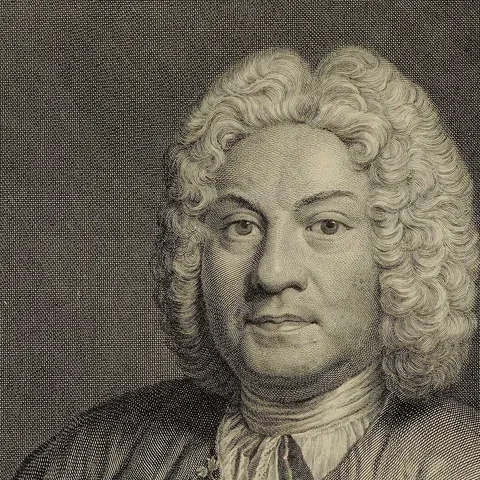
クープラン・published 1717
題名の意味はだれも知らない!やわらかく波打つ、なぞの名曲。
神秘的なバリケードのページへ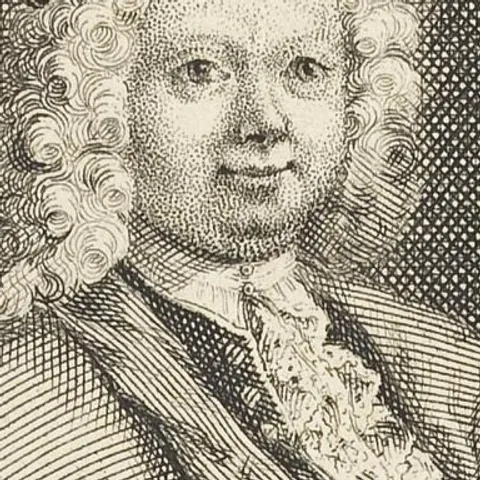
マルチェッロ・published c. 1717
胸にしみるアダージョ!バッハも編曲したオーボエの名曲。
オーボエ協奏曲 ニ短調のページへバッハ・c. 1720
チェロ1本だけで、こんなに豊かな世界が広がる!
無伴奏チェロ組曲 第1番 ト長調のページへ
 MP3