
ダイドーの嘆き
Dido's Lament
パーセル・by 1689
「わたしを覚えていて」。くり返す低音にのせた、胸をうつ別れの歌。
歌劇「ダイドーとエネアス」より「ダイドーの嘆き」のページへ
Piano · Op. 15 No. 1 · 1830–1833
フレデリック・ショパン(1810–1849)
やさしい子守歌のようなメロディーが、とつぜん炎に変わる!A gentle, lullaby-like melody that suddenly bursts into flames!
PUBLIC DOMAIN RECORDING
PD / CC0 無料でダウンロードOKWATCH ON YOUTUBE
 Chopin: Nocturnes, Op. 15: No. 1 in F Major. Andante cantabile
Jan Lisiecki - Topic(YouTube) YouTube で開く ↗
Chopin: Nocturne No. 4 in F Major, Op. 15 No. 1
Daniel Barenboim - Topic(YouTube) YouTube で開く ↗
左の音源は権利が切れた録音なのでダウンロードできます。右の動画は YouTube の公式の埋め込みで見るもので、ダウンロードはできません(動画の権利は各チャンネルにあります)。
 もっと名演を観る YouTube で何百万回も再生された人気の演奏
Chopin Nocturne Op.15 No.1 - Paul Barton, FEURICH piano
Paul Barton(YouTube) YouTube で開く ↗

ホー!静かな湖に、とつぜん嵐がやってくるような曲。そのちがいに、びっくりするよ。
 この曲のおはなし The Story
この曲は、ショパンの2つ目のノクターン集「作品15」の1曲目です。前半は、左手のおだやかな伴奏にのって、右手がとてもシンプルで清らかなメロディーを歌います。むずかしい飾りはほとんどなく、すなおな歌が心にしみてきます。調はヘ長調で、明るく落ち着いた色をしています。This is the first piece in Op. 15, Chopin's second set of nocturnes. In the first part, the right hand sings a very simple, pure melody over a calm accompaniment in the left hand. There are almost no difficult ornaments, so the plain song goes straight to your heart. It is in F major, a bright and peaceful key.
ところが、まん中の部分でようすが一変します。楽譜には「コン・フオーコ(火のように)」と書かれ、ヘ短調のはげしい音楽になります。右手は2つの音を同時にひく「重音」で、うずまくように動き続けます。ショパンのノクターンは「静か→はげしい→静か」という形が多いのですが、この曲はそのちがいがとくに大きいのです。But in the middle, everything changes. The score says con fuoco, which means with fire, and the music turns wild in F minor. The right hand plays two notes at once, called double notes, and keeps swirling. Many of Chopin's nocturnes have a calm–wild–calm shape, but in this piece the contrast is especially strong.
最後にもとの静かな歌がもどり、2つのかんたんな分散和音だけで、すっと終わります。作品15の3曲は1834年1月に出版され、パリで親しくしていたドイツ出身のピアニストで作曲家、フェルディナント・ヒラーにささげられました。ショパンがパリに来てまだ数年のころの、友情のしるしとなった曲集です。At the end, the quiet song returns, and the piece closes simply with just two easy broken chords. The three pieces of Op. 15 were published in January 1834 and dedicated to Ferdinand Hiller, a German pianist and composer who was Chopin's friend in Paris. This set is a sign of friendship from Chopin's first years in Paris.
This nocturne starts with a very simple and gentle song. Then, in the middle, the music becomes loud and fast, like fire. After that, the gentle song comes back. Chopin dedicated this music to his friend Hiller.このノクターンは、とてもシンプルでやさしい歌で始まります。そして、まん中で音楽は火のように大きく速くなります。そのあと、やさしい歌がもどってきます。ショパンはこの曲を友だちのヒラーにささげました。
 聴きどころ Listening Guide
 えっ!?ネタ Surprising Facts
 タップすると答えが開きます
ノクターンは「夜の曲」という意味です。ところが、この曲のまん中の炎のような部分は、夜のしずけさとは正反対。「夜っぽくない」と感じる人がいるのも、うなずけます。名前にしばられない、ショパンらしい自由な発想がうかがえます。
A nocturne means a night piece. But the fiery middle part of this piece is the opposite of a quiet night, so it is easy to see why some listeners feel it does not sound like night at all. It shows Chopin's free way of thinking, not tied down by a name.
献呈されたヒラーとは大の仲よしでした。1833年、ショパンとリストはいっしょにヒラーあての手紙を書いています。その中でショパンは、ちょうどいまリストが自分の練習曲をひいているので、何を書いているかわからない、という意味のことを書きました。
Chopin was a close friend of Hiller, to whom this set is dedicated. In 1833, Chopin and Liszt wrote a letter to Hiller together. In it, Chopin wrote that he hardly knew what he was writing, because Liszt was playing his études at that very moment.
まん中の部分で、右手は2つの音を同時におさえたまま、すばやく動き続けます。これは「重音」とよばれ、指をそろえて速く動かすのがとてもむずかしい技です。前半のかんたんそうなメロディーにだまされると、ここで大苦戦します。
In the middle part, the right hand keeps moving quickly while pressing two notes at a time. These are called double notes, and playing them fast and even is very hard. If you are fooled by the easy-looking melody at the start, you will have a tough time here.
ショパンのノクターンには、長いしめくくり(コーダ)を持つ曲がたくさんあります。でもこの曲には、それがありません。静かな歌がもどったあと、2つのシンプルな分散和音だけで、そっと終わります。はげしい嵐のあとの、あっさりした終わり方が印象的です。
Many of Chopin's nocturnes have a long closing section called a coda. But this piece does not. After the quiet song comes back, it ends softly with only two simple broken chords. This plain ending after the storm is very memorable.
ENGLISH × MASTERPIECE
 夜と昼ほどちがう、ということ。as different as night and day とも言います。
 この曲で覚える英単語 Words
 クイズに挑戦 Quiz
 この録音について(著作権・出典) Credits
MORE MASTERPIECES
パーセル・by 1689
「わたしを覚えていて」。くり返す低音にのせた、胸をうつ別れの歌。
歌劇「ダイドーとエネアス」より「ダイドーの嘆き」のページへ
パッヘルベル・c. 1680–1706
同じ8つの音が28回!なのに聴くたび胸がいっぱいになる曲。
カノンとジーグ ニ長調 より「カノン」のページへパーセル・1695
ブリテンが「オーケストラ入門」のテーマに選んだ、かっこいいメロディー。
劇音楽「アブデラザール」より ロンドのページへ
バッハ・c. 1704 (?)
タラリ〜!一度聴いたら忘れない、オルガンの大迫力の幕開け。
トッカータとフーガ ニ短調のページへバッハ・c. 1703–1707 (?)
音楽の授業でおなじみ!4つの声が同じテーマで追いかけっこ。
小フーガ ト短調のページへバッハ・c. 1706–1713
足が弾く低いテーマが21回!重くて壮大な、オルガンの大建築。
パッサカリアとフーガ ハ短調のページへバッハ・1713
2本のリコーダーがやさしく鳴る、のどかな牧場の歌。
カンタータ第208番より「羊は安らかに草を食み」のページへ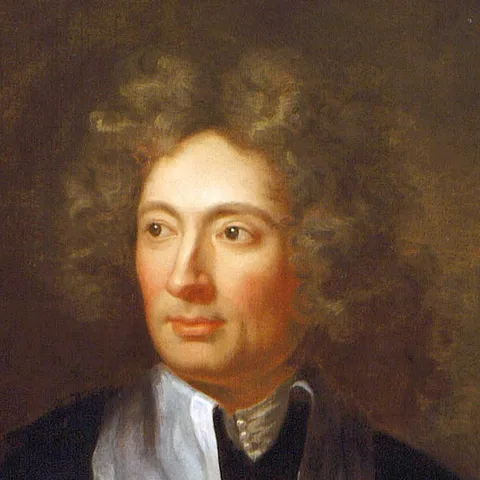
コレッリ・published 1714
聖なる夜のために。最後に羊飼いの笛のようなパストラーレが流れます。
合奏協奏曲 ト短調「クリスマス協奏曲」のページへ
 MP3