
パッヘルベルのジーグ
Pachelbel's Gigue
パッヘルベル・c. 1680–1706
あの「カノン」には、はずむ相棒がいた!知られざる後半戦。
カノンとジーグ ニ長調 より「ジーグ」のページへ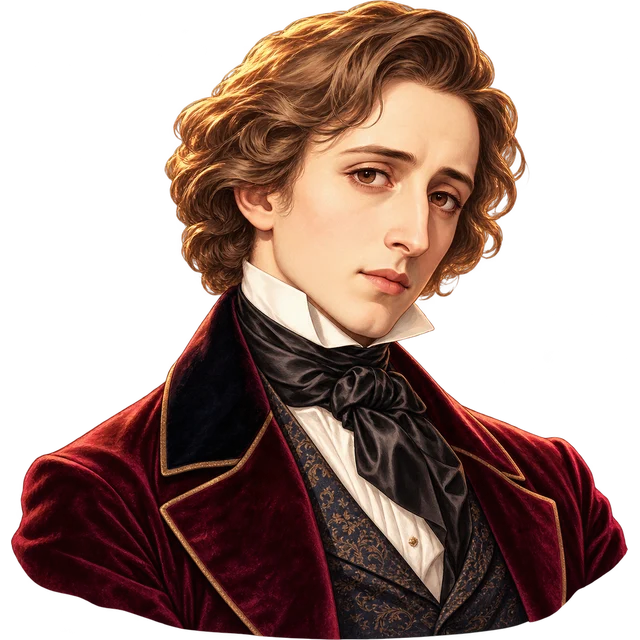
Dance · Op. 64 No. 1 · 1846–1847
フレデリック・ショパン(1810–1849)
くるくる回る子犬みたい!かわいくて速い小さなワルツ。A tiny waltz that spins like a puppy chasing its tail.
PUBLIC DOMAIN RECORDING
PD / CC0 無料でダウンロードOK 別の演奏で聴く 1:Frederic Chopin
ANOTHER RECORDING 1
PD / CC0 別の演奏で聴く 2:Frédéric ChopinANOTHER RECORDING 2
PD / CC0WATCH ON YOUTUBE
 Chopin - Minute Waltz (Op. 64 No. 1)
Rousseau(YouTube) YouTube で開く ↗
Chopin. Valse op 64 No. 1 Valentina Lisitsa "Minute Waltz"
Valentina Lisitsa QOR Records Official channel(YouTube) YouTube で開く ↗
左の音源は権利が切れた録音なのでダウンロードできます。右の動画は YouTube の公式の埋め込みで見るもので、ダウンロードはできません(動画の権利は各チャンネルにあります)。
 もっと名演を観る YouTube で何百万回も再生された人気の演奏
Chopin "Minute Waltz" Paul Barton, FEURICH 133 piano
Paul Barton(YouTube) YouTube で開く ↗
Lang Lang - Chopin Minute Waltz Op. 64 No. 1
WBUR(YouTube) YouTube で開く ↗
Minute Waltz (Chopin Op.64-1) 子犬のワルツ by Hayato Sumino
Cateen かてぃん(YouTube) YouTube で開く ↗
Rafal Blechacz - Chopin Waltzes, Op.64 N°1 to 3
Marcelo721(YouTube) YouTube で開く ↗

ホー!「ミニット」は「1分」じゃなくて「小さい」という意味だと言われているよ。
 この曲のおはなし The Story
ショパンが晩年の1846年から1847年にかけて書いた「3つのワルツ 作品64」の第1曲です。右手がくるくると回るような速い音をひき、左手がワルツの「ズン・チャッ・チャッ」のリズムをきざみます。まん中ではゆったりと歌う部分があり、また速い部分にもどります。This is the first of Chopin's Three Waltzes, Op. 64, written in 1846 and 1847, late in his life. The right hand plays fast, spinning notes, while the left hand keeps the 'oom-pah-pah' of the waltz. A slower, singing section appears in the middle before the spinning music returns.
日本やフランスでは「子犬のワルツ」と呼ばれます。ショパンの恋人だった作家ジョルジュ・サンドの子犬マルキが、自分のしっぽを追いかけてくるくる回る様子を見て書いた、という話が伝わっていますが、たしかな証拠はありません。英語の愛称「ミニット・ワルツ」は「小さなワルツ」という意味だと言われていますが、由来ははっきりしません。In Japan and France it is called the 'Little Dog Waltz'. There is a story that Chopin wrote it after watching Marquis, the little dog of his partner, the writer George Sand, spin around chasing its tail, but there is no firm evidence. The English nickname, 'Minute Waltz', is said to mean 'small waltz', but its exact origin is unclear.
作品64は1847年に出版され、この第1曲はショパンの弟子でもあった伯爵夫人デルフィナ・ポトツカにささげられました。同じ1847年、ショパンとサンドの関係は終わりをむかえます。2年後の1849年、ショパンは39歳で亡くなりました。晩年の作品なのに、軽やかで明るいのが印象的です。Op. 64 was published in 1847, and this first waltz was dedicated to Countess Delfina Potocka, who was also Chopin's pupil. That same year, Chopin's relationship with Sand came to an end. Two years later, in 1849, Chopin died at the age of 39. Although it is a late work, it is strikingly light and bright.
This is a short and fast waltz by Chopin. In Japan, people call it the Little Dog Waltz. One story says Chopin saw a little dog running around and around. Then he got the idea for this music. We do not know if the story is true. The music spins and spins, too!これはショパンの短くて速いワルツです。日本では「子犬のワルツ」と呼ばれています。ショパンが、くるくる走り回る小さな犬を見たというお話があります。そして、この曲を思いついたというのです。本当かどうかはわかりません。音楽もくるくる回ります!
 聴きどころ Listening Guide
 えっ!?ネタ Surprising Facts
 タップすると答えが開きます
英語の愛称「ミニット・ワルツ」の「minute」は、「1分」ではなく「小さな」という意味だと言われています。ただし、愛称の正確な由来ははっきりしません。「1分でひくワルツ」と思っている人も多いのですが、ふつうのテンポでひくと1分では終わりません。
The 'minute' in Minute Waltz is said to mean 'small', not 60 seconds, though the nickname's exact origin is unclear. Many people think it should be played in one minute, but at a normal tempo it takes longer than that.
ジョルジュ・サンドの子犬マルキがしっぽを追いかけて回る姿から生まれた、という話は、19世紀の伝記作家ニークスが伝えたものです。マルキが実在した犬なのは手紙からわかりますが、この曲との関係は確かめられていません。
The story that the waltz was inspired by George Sand's dog Marquis chasing its tail was passed on by the 19th-century biographer Frederick Niecks. Chopin's letters show that Marquis was a real dog, but the link to this waltz has never been proven.
このワルツは、ポーランドの伯爵夫人デルフィナ・ポトツカにささげられました。彼女は美しい声の歌い手としても知られ、パリでショパンにピアノを習っていました。ショパンが亡くなる直前、彼女が枕元で歌ったという話も伝わっています。
This waltz was dedicated to the Polish Countess Delfina Potocka. She was known for her beautiful singing voice and took piano lessons from Chopin in Paris. There is also a story that she sang at his bedside shortly before he died.
同じころウィーンでは、シュトラウス一家のワルツで人々が踊っていました。でもショパンのワルツの多くは、舞踏会で踊るためではなく、ピアノで聴いて楽しむための曲です。このワルツも、踊るにはちょっと速すぎますね。
In those days, people in Vienna danced to waltzes by the Strauss family. But most of Chopin's waltzes were meant for listening at the piano, not for dancing at a ball. This one is a little too fast to dance to, anyway.
ENGLISH × MASTERPIECE
 犬がしっぽを追って回るように、忙しく動いても何も進まない状態のこと。
 この曲で覚える英単語 Words
 クイズに挑戦 Quiz
 この録音について(著作権・出典) Credits
MORE MASTERPIECES
パッヘルベル・c. 1680–1706
あの「カノン」には、はずむ相棒がいた!知られざる後半戦。
カノンとジーグ ニ長調 より「ジーグ」のページへシャルパンティエ・c. 1688–1698
パンパカパーン!ヨーロッパのテレビの幕開けを飾ってきた、ごうかな前奏曲。
テ・デウム ニ長調のページへ
パーセル・1695
ブリテンが「オーケストラ入門」のテーマに選んだ、かっこいいメロディー。
劇音楽「アブデラザール」より ロンドのページへクラーク・c. 1700
結婚式の大定番。でも作曲者は長いあいだ取りちがえられていた!
トランペット・ヴォランタリー(デンマーク王子の行進)のページへ
バッハ・c. 1707–1710 (?)
キラキラの駆け上がりで幕開け!若きバッハのはなやかな鍵盤ショー。
トッカータ ニ長調のページへ
ヴィヴァルディ・published 1711
2本のヴァイオリンが火花を散らす!バッハも編曲した熱い協奏曲。
協奏曲集『調和の霊感』第8番 イ短調(2つのヴァイオリンのための協奏曲)のページへヴィヴァルディ・c. 1715
オクターブがぴょんぴょん跳ねる!喜びがはじける合唱の名曲。
グローリア ニ長調のページへ
テレマン・c. 1710–1720 (?)
バルブのないラッパで高音をきらり!バロックのトランペットの晴れ舞台。
トランペット協奏曲 ニ長調のページへ
 MP3