
ダイドーの嘆き
Dido's Lament
パーセル・by 1689
「わたしを覚えていて」。くり返す低音にのせた、胸をうつ別れの歌。
歌劇「ダイドーとエネアス」より「ダイドーの嘆き」のページへ
Piano · Op. 10 No. 6 · 1829–1833
フレデリック・ショパン(1810–1849)
速さではなく「歌う心」をきたえる、しずかで悲しいエチュード。A slow, sad étude that trains you to make the piano sing, not to play fast.
PUBLIC DOMAIN RECORDING
PD / CC0 無料でダウンロードOKWATCH ON YOUTUBE
 Chopin Etude Op 10 No.6 Valentina Lisitsa
Valentina Lisitsa QOR Records Official channel(YouTube) YouTube で開く ↗
Chopin Etude Op.10 No.6 WARNING tempo = 69 P. Barton, piano
Paul Barton(YouTube) YouTube で開く ↗
左の音源は権利が切れた録音なのでダウンロードできます。右の動画は YouTube の公式の埋め込みで見るもので、ダウンロードはできません(動画の権利は各チャンネルにあります)。
 もっと名演を観る YouTube で何百万回も再生された人気の演奏
Yunchan Lim - Lament (Chopin: 12 Études, Op. 10, No. 6)
Yunchan Lim(YouTube) YouTube で開く ↗

ホー!速くない練習曲もあるんだ。右手1本で、歌と伴奏を同時に弾くんだよ。
 この曲のおはなし The Story
この曲は「12の練習曲 Op.10」の6番目で、アンダンテ(歩くような速さ)のゆっくりした曲です。Op.10の12曲のほとんどは速い曲ですが、ゆっくりなのは「別れの曲」の第3番と、この第6番くらいです。暗い変ホ短調で、しずかに悲しみを語るように進みます。This is the sixth piece in the 12 Études, Op. 10. It is marked Andante, a walking pace. Most of the 12 pieces are fast, and only No. 3 and this No. 6 are slow. In dark E-flat minor, it moves quietly, as if telling a sad story.
練習のねらいは、音を「歌わせる」ことです。右手は上のメロディーを弾きながら、同じ手の残りの指で、半音ずつ動く細かい内側の音もなめらかに弾かなければなりません。左手は低い音で支えます。1本の手で2つの役をこなす、とても繊細な技術が求められます。The goal is to make the notes sing. The right hand plays the top melody, while its other fingers play small inner notes that move by half steps. The left hand supports it with low notes. Playing two roles with one hand takes very delicate control.
Op.10は1833年に出版されました。速さや力を競う曲が多い中で、この曲は「心をこめて歌う」ことも立派な技術だと教えてくれます。夜想曲(ノクターン)のようだと言う人もいて、練習曲という名前を忘れてしまうほど、しみじみとした美しさがあります。Op. 10 was published in 1833. Among many pieces about speed and power, this one teaches that singing with feeling is also a real skill. Some people say it sounds like a nocturne. It is so moving that you may forget it is called a study.
Most études are fast, but this one is slow. It sounds sad and quiet. The right hand plays the song and some small notes at the same time. That is very hard! It is like a sad story told at night.練習曲の多くは速いですが、この曲はゆっくりです。悲しくて、しずかにひびきます。右手は、歌と小さな音を同時に弾きます。それはとてもむずかしいのです!夜に語られる悲しい物語のようです。
 聴きどころ Listening Guide
 えっ!?ネタ Surprising Facts
 タップすると答えが開きます
すぐ前の第5番は、右手がほとんど黒鍵だけを弾く「黒鍵のエチュード」。その変ト長調と、この曲の変ホ短調は仲間の調です。明るくはずむ第5番のあとに、同じ仲間の暗い調でしずかな第6番が続くのです。
No. 5, just before it, is the Black Key étude, where the right hand plays almost only black keys. Its key, G-flat major, is related to this piece's E-flat minor. After the bright, bouncy No. 5 comes this quiet piece in the related dark key.
変ホ短調は、楽譜の始めにフラット(♭)が6つも付く調です。さらに半音ずつ動く音が多いので、楽譜にはたくさんの臨時記号がならびます。弾く人は、見た目にもむずかしい楽譜とにらめっこすることになります。
E-flat minor has six flats at the start of the score. On top of that, many notes move by half steps, so the page is crowded with extra sharps and flats. Pianists must stare hard at a very busy score.
この曲の右手は、上の指でメロディーを長く歌わせ、残りの指でうねうねと動く内側の音を弾きます。どちらかが大きすぎても小さすぎてもだめ。速い曲とはちがう、指先の「さじかげん」の練習なのです。
The right hand sings a long melody with its upper fingers and plays winding inner notes with the others. Neither part can be too loud or too soft. It is practice in fine balance, not speed.
Op.10の12曲のうち、はっきりゆっくりな曲は、第3番「別れの曲」と、この第6番の2曲だけです。あとはほとんどが速い曲。だからこそ、この曲のしずけさが、曲集の中でひときわ心にしみるのです。
Of the 12 pieces in Op. 10, only two are clearly slow: No. 3, known in Japan as Farewell, and this No. 6. The rest are mostly fast, which makes the quiet of this piece stand out even more.
ENGLISH × MASTERPIECE
 blue には「悲しい・ゆううつな」の意味も。ブルースという音楽の名前もここから来ています。
 この曲で覚える英単語 Words
 クイズに挑戦 Quiz
 この録音について(著作権・出典) Credits
MORE MASTERPIECES
パーセル・by 1689
「わたしを覚えていて」。くり返す低音にのせた、胸をうつ別れの歌。
歌劇「ダイドーとエネアス」より「ダイドーの嘆き」のページへ
バッハ・c. 1703–1707 (?)
音楽の授業でおなじみ!4つの声が同じテーマで追いかけっこ。
小フーガ ト短調のページへ
ヘンデル・1711
「泣かせてください」と歌う、深い悲しみに満ちた名アリア。
私を泣かせてください(歌劇『リナルド』より)のページへバッハ・1713
2本のリコーダーがやさしく鳴る、のどかな牧場の歌。
カンタータ第208番より「羊は安らかに草を食み」のページへ
クープラン・published 1717
題名の意味はだれも知らない!やわらかく波打つ、なぞの名曲。
神秘的なバリケードのページへ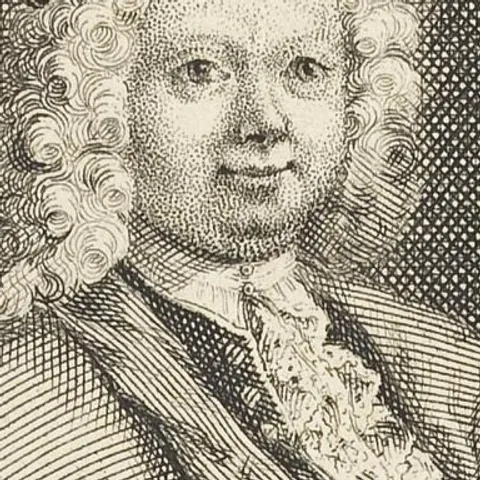
マルチェッロ・published c. 1717
胸にしみるアダージョ!バッハも編曲したオーボエの名曲。
オーボエ協奏曲 ニ短調のページへバッハ・c. 1720
チェロ1本だけで、こんなに豊かな世界が広がる!
無伴奏チェロ組曲 第1番 ト長調のページへバッハ・c. 1720
ヴァイオリン1本で、宇宙のように大きな世界を描く傑作。
無伴奏ヴァイオリン・パルティータ第2番 ニ短調より「シャコンヌ」のページへ
 MP3