
パッヘルベルのジーグ
Pachelbel's Gigue
パッヘルベル・c. 1680–1706
あの「カノン」には、はずむ相棒がいた!知られざる後半戦。
カノンとジーグ ニ長調 より「ジーグ」のページへ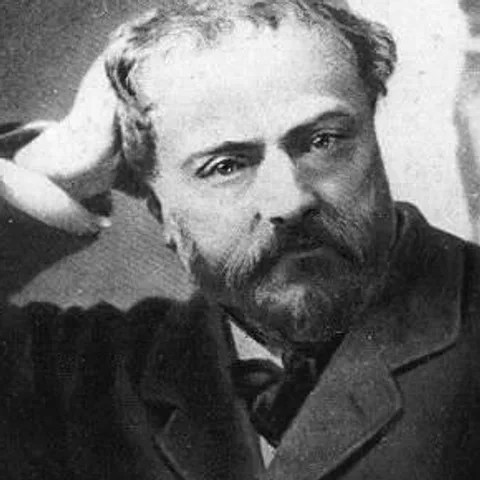
Orchestral · · 1888
エマニュエル・シャブリエ(1841–1894)
まじめに歩けない!笑いがこみあげる、いたずら行進曲。A march that cannot keep a straight face!
WATCH ON YOUTUBE
この曲は、権利の切れた高音質の録音がまだ見つからないため、YouTube の公式チャンネルなどの名演でお楽しみください(ダウンロードはできません)。YouTube でほかの演奏もさがす ↗
 Chabrier - Marche Joyeuse
Boston Symphony Orchestra(YouTube) YouTube で開く ↗
Emmanuel Chabrier: Joyeuse marche // Duncan Ward & London Symphony Orchestra
London Symphony Orchestra(YouTube) YouTube で開く ↗
Chabrier: Joyeuse marche
Academy of St Martin in the Fields - Topic(YouTube) YouTube で開く ↗

ホー!楽譜には「とても決然と、ふざけて」と書いてあるんだ。まじめなのか、ふざけているのか!
 この曲のおはなし The Story
「楽しい行進曲」は、フランスの作曲家エマニュエル・シャブリエが書いた、短くて元気なオーケストラ曲です。1888年11月、フランス西部の町アンジェで、シャブリエ自身の指揮によって初演されました。行進曲なのに、リズムがわざとつまずいたり、急に大きな音がしたりして、思わず笑ってしまう曲です。Joyeuse marche is a short, lively orchestral piece by the French composer Emmanuel Chabrier. It was first performed in November 1888 in Angers, a town in western France, with Chabrier himself conducting. It is a march, but the rhythm trips on purpose and loud surprises jump out, so it makes people laugh.
元になったのは、シャブリエがピアノ連弾(2人で1台のピアノを弾く形)のために書いた「前奏曲とフランス行進曲」です。1888年、彼はピアノ曲をいくつかオーケストラ用に書き直し、その1つがこの行進曲になりました。題名は「フランス行進曲」から「陽気な行進曲」へ、そして1890年のパリでの演奏で今の「楽しい行進曲」へと変わりました。It grew out of the Prélude et marche française, which Chabrier wrote for piano four hands, meaning two players at one piano. In 1888, he rewrote several piano pieces for orchestra, and this march was one of them. Its name changed from French March to Merry March, and then, at a Paris concert in 1890, to the title we know today, Joyeuse marche.
シャブリエは長いあいだ役所につとめながら作曲を続け、40歳近くになってから音楽一本の道を選んだ人です。そのユーモアあふれる音楽は、のちのドビュッシーやラヴェル、プーランクたちに大きな影響をあたえました。指揮者ノーマン・デル・マーは、この曲の「どんちゃん騒ぎのおかしさ」は何にも代えられない、とほめています。Chabrier worked for many years as a government clerk while composing, and he chose a full-time music career only when he was nearly 40. His humorous music had a great influence on later French composers such as Debussy, Ravel and Poulenc. The conductor Norman Del Mar praised its wild, noisy humor, saying nothing else can replace it.
This is a happy march from France. But it is a funny march. The music trips and jumps. You may laugh when you hear it. The composer worked in a government office for many years.これはフランスの楽しい行進曲です。でも、おかしな行進曲です。音楽がつまずいたり、とびはねたりします。聴くと笑ってしまうかもしれません。作曲家は長いあいだ役所の職員でした。
 聴きどころ Listening Guide
 えっ!?ネタ Surprising Facts
 タップすると答えが開きます
最初の題名は「フランス行進曲」。1889年4月のパリ初演では「陽気な行進曲(マルシュ・ジョワイユーズ)」、1890年2月のラムルー管弦楽団の演奏会では言葉の順番を入れかえて「ジョワイユーズ・マルシュ」。今の題名になるまで、名前が何度も変わったのです。
Its first title was French March. At its Paris premiere in April 1889, it was called Marche joyeuse. Then at a Lamoureux concert in February 1890, the words were turned around to Joyeuse marche. The piece went through several names before getting the one we use today.
テンポの指示は「行進曲のテンポで、とても決然と、そしてふざけて」。きりっとしながら、ふざけるなんて、ふつうはできません。でもこの一言に、シャブリエのユーモアがぎゅっとつまっています。
The tempo marking says to play in march time, very firmly, and playfully. Being firm and silly at the same time sounds impossible! But this one line shows Chabrier's sense of humor perfectly.
シャブリエは法律を学び、フランスの内務省で20年近く働きました。そのあいだも作曲を続け、1880年に役所をやめて音楽に専念します。有名な「狂詩曲スペイン」(1883年)が大ヒットしたのは、そのすぐあとのことでした。
Chabrier studied law and worked at the French Ministry of the Interior for almost 20 years, composing in his free time. In 1880, he quit to focus on music. Soon after, his España (1883) became a big hit.
この曲は、作曲家ヴァンサン・ダンディにささげられています。ピアノ連弾版は、1892年にダンディと作曲家ショーソンが2人で演奏しました。フランスの作曲家仲間の、仲のよさが伝わってきます。
The piece is dedicated to the composer Vincent d'Indy. In 1892, d'Indy and the composer Ernest Chausson played the piano four-hands version together. It shows the friendship among French composers of the time.
ENGLISH × MASTERPIECE
 笑いをこらえて、まじめな顔をしていることです。
 この曲で覚える英単語 Words
 クイズに挑戦 Quiz
 著作権について Credits
MORE MASTERPIECES
パッヘルベル・c. 1680–1706
あの「カノン」には、はずむ相棒がいた!知られざる後半戦。
カノンとジーグ ニ長調 より「ジーグ」のページへシャルパンティエ・c. 1688–1698
パンパカパーン!ヨーロッパのテレビの幕開けを飾ってきた、ごうかな前奏曲。
テ・デウム ニ長調のページへ
パーセル・1695
ブリテンが「オーケストラ入門」のテーマに選んだ、かっこいいメロディー。
劇音楽「アブデラザール」より ロンドのページへクラーク・c. 1700
結婚式の大定番。でも作曲者は長いあいだ取りちがえられていた!
トランペット・ヴォランタリー(デンマーク王子の行進)のページへ
バッハ・c. 1707–1710 (?)
キラキラの駆け上がりで幕開け!若きバッハのはなやかな鍵盤ショー。
トッカータ ニ長調のページへ
ヴィヴァルディ・published 1711
2本のヴァイオリンが火花を散らす!バッハも編曲した熱い協奏曲。
協奏曲集『調和の霊感』第8番 イ短調(2つのヴァイオリンのための協奏曲)のページへヴィヴァルディ・c. 1715
オクターブがぴょんぴょん跳ねる!喜びがはじける合唱の名曲。
グローリア ニ長調のページへ
テレマン・c. 1710–1720 (?)
バルブのないラッパで高音をきらり!バロックのトランペットの晴れ舞台。
トランペット協奏曲 ニ長調のページへ
 MP3