
パッヘルベルのジーグ
Pachelbel's Gigue
パッヘルベル・c. 1680–1706
あの「カノン」には、はずむ相棒がいた!知られざる後半戦。
カノンとジーグ ニ長調 より「ジーグ」のページへ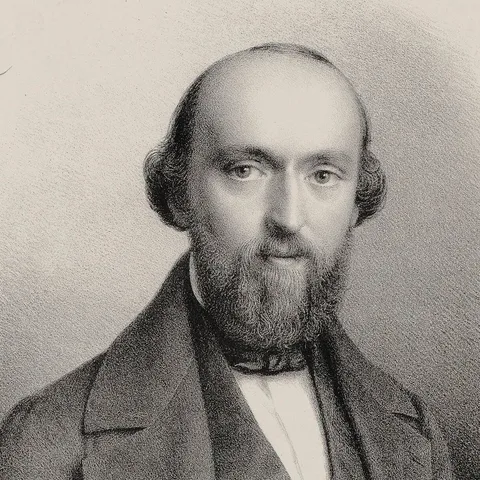
Piano · Op. 100 No. 2 · 1851
ヨハン・フリードリヒ・フランツ・ブルグミュラー(1806–1874)
ピアノを習う子に大人気!指が元気にかけまわる、スリルある練習曲。A favorite with many young piano students: fingers racing in a thrilling little study!
WATCH ON YOUTUBE
この曲は、権利の切れた高音質の録音がまだ見つからないため、YouTube の公式チャンネルなどの名演でお楽しみください(ダウンロードはできません)。YouTube でほかの演奏もさがす ↗
 Burgmüller: Arabesque, Op. 100 No. 2 | Cory Hall, pianist-composer
BachScholar(YouTube) YouTube で開く ↗
2.アラベスク / ブルグミュラー25の練習曲 - Burgmüller:25 Etudes, No.2 Arabesque - クラシックピアノ-Classical Piano-CANACANA
CANACANA family(YouTube) YouTube で開く ↗
Burgmüller : Arabesque, Op. 100, No. 2
Sheetmusic2print(YouTube) YouTube で開く ↗

ホー!「アラベスク」は、アラビア風のくねくねした模様のこと。音の動きもくねくねだね。
 この曲のおはなし The Story
「アラベスク」は、ドイツ生まれの作曲家ブルグミュラーの「25の練習曲(やさしく、段階的な25の練習曲)」の2曲目です。イ短調で、右手と左手が交互に、細かい音でかけ上がったりかけ下りたりします。アラベスクとは、アラビア風のつる草のような曲線模様のこと。くねくねと動く音の形が、その模様を思わせます。'Arabesque' is the second piece in 25 Easy and Progressive Studies, Op. 100, by the German-born composer Friedrich Burgmüller. It is in A minor, and the right and left hands take turns running up and down with quick notes. An arabesque is a curling, vine-like pattern from Arab art, and the winding shapes of the notes remind us of it.
この練習曲集は1851年にパリで出版されました。ブルグミュラーは1832年ごろからパリに住み、ピアノの先生として人気がありました。25曲の1曲1曲には「すなおな心」「アラベスク」「牧歌」のような題名がついていて、指の練習をしながら、物語や気持ちを表す楽しさも学べるように作られています。The collection was published in Paris in 1851. Burgmüller had lived in Paris since around 1832 and was a popular piano teacher. Each of the 25 pieces has a title, such as 'Candor', 'Arabesque' and 'Pastorale', so students can train their fingers while learning to express stories and feelings.
「25の練習曲」はとくに日本で大人気で、バイエルなどの次に学ぶ教材として、たくさんの子どもたちが弾いてきました。中でも「アラベスク」は、速くかっこよく弾けると気持ちがいい曲として、ピアノの発表会でもよく演奏されます。「ブルグミュラー」と聞くと、子どものころのレッスンを思い出す人も多いでしょう。25 Studies is especially popular in Japan, where many children study it after beginner books like Beyer. 'Arabesque' is a favorite because it feels great to play fast and cool, and it is often played at piano recitals. For many people, the name 'Burgmüller' brings back memories of childhood piano lessons.
This is a short piano piece for students. It is fast and exciting. The fingers run up and down the keys. Many children in Japan learn this piece. An arabesque is a pattern with curvy lines.これはピアノを習う人のための短い曲です。速くて、わくわくします。指が鍵盤の上をかけ上がったり、かけ下りたりします。日本ではたくさんの子どもがこの曲を習います。アラベスクとは、くねくねした線の模様のことです。
 聴きどころ Listening Guide
 えっ!?ネタ Surprising Facts
 タップすると答えが開きます
ブルグミュラーは練習曲だけの人ではありません。有名なバレエ「ジゼル」(1841年)の第1幕で踊られる「村人のパ・ド・ドゥ」には、ブルグミュラーの音楽が使われています。また、バレエ「ラ・ペリ」(1843年)の音楽も作曲しました。パリの劇場でも活躍した作曲家だったのです。
Burgmüller did not only write études. In the famous ballet Giselle (1841), the 'Peasant Pas de Deux' in Act 1 uses his music. He also wrote the music for the ballet La Péri (1843). He was a composer who worked in the theaters of Paris, too.
ブルグミュラーの弟ノルベルトも作曲家で、シューマンやメンデルスゾーンにその才能をみとめられていました。しかし1836年、26歳の若さで亡くなってしまいます。メンデルスゾーンは彼のために葬送行進曲を書き、シューマンもその死を深く悲しみました。
Burgmüller's younger brother, Norbert, was also a composer, and Schumann and Mendelssohn admired his talent. But in 1836, he died at just 26. Mendelssohn wrote a funeral march for him, and Schumann deeply mourned his death.
「25の練習曲」は、日本ではピアノを習う子どもの多くが通る道と言えるほど有名です。全曲に題名がついていて、短いのに曲らしい楽しさがあるのが人気のひみつ。おとなになってから弾き直す人も多く、「ブルグミュラー」の名前はヨーロッパよりも日本でよく知られているかもしれません。
In Japan, 25 Studies is so famous that many children who learn piano play it. Every piece has a title, and even though they are short, they feel like real music. That is the secret of their popularity. Many adults play them again, too. The name Burgmüller may even be better known in Japan than in Europe.
ふつう「練習曲」というと指を速く動かすための曲を思いうかべますが、ブルグミュラーの練習曲は1曲ずつ雰囲気がちがいます。「アラベスク」では、軽くすばやい指の動きと、強弱の変化を練習できます。ただ指を動かすだけでなく、音楽を表現する力も育てる曲集なのです。
When people hear 'étude', they often think of pieces just for moving the fingers fast. But each of Burgmüller's studies has its own mood. In 'Arabesque', you can practice light, quick fingers and changes between loud and soft. This collection helps students grow not only their fingers, but their musical expression too.
ENGLISH × MASTERPIECE
 曲集の名前の「段階的な(progressive)」にぴったり。少しずつ進むようすです。
 この曲で覚える英単語 Words
 クイズに挑戦 Quiz
 著作権について Credits
MORE MASTERPIECES
パッヘルベル・c. 1680–1706
あの「カノン」には、はずむ相棒がいた!知られざる後半戦。
カノンとジーグ ニ長調 より「ジーグ」のページへ
パーセル・1695
ブリテンが「オーケストラ入門」のテーマに選んだ、かっこいいメロディー。
劇音楽「アブデラザール」より ロンドのページへ
バッハ・c. 1703–1707 (?)
音楽の授業でおなじみ!4つの声が同じテーマで追いかけっこ。
小フーガ ト短調のページへバッハ・c. 1706–1713
足が弾く低いテーマが21回!重くて壮大な、オルガンの大建築。
パッサカリアとフーガ ハ短調のページへバッハ・c. 1707–1710 (?)
キラキラの駆け上がりで幕開け!若きバッハのはなやかな鍵盤ショー。
トッカータ ニ長調のページへ
ヴィヴァルディ・published 1711
2本のヴァイオリンが火花を散らす!バッハも編曲した熱い協奏曲。
協奏曲集『調和の霊感』第8番 イ短調(2つのヴァイオリンのための協奏曲)のページへ
クープラン・published 1717
題名の意味はだれも知らない!やわらかく波打つ、なぞの名曲。
神秘的なバリケードのページへバッハ・c. 1720
チェロ1本だけで、こんなに豊かな世界が広がる!
無伴奏チェロ組曲 第1番 ト長調のページへ
 MP3