
ダイドーの嘆き
Dido's Lament
パーセル・by 1689
「わたしを覚えていて」。くり返す低音にのせた、胸をうつ別れの歌。
歌劇「ダイドーとエネアス」より「ダイドーの嘆き」のページへ
Piano · Op. 117 No. 1 · 1892
ヨハネス・ブラームス(1833–1897)
ピアノがそっと歌う子守歌。スコットランドの古い歌がかくれています。A lullaby whispered by the piano, with an old Scottish song inside.
PUBLIC DOMAIN RECORDING
CC BY-SA 4.0 無料でダウンロードOKWATCH ON YOUTUBE
 Brahms - Intermezzo Op.117, No.1 P. Barton, FEURICH piano
Paul Barton(YouTube) YouTube で開く ↗
Eric Lu – Brahms: 3 Intermezzi, Op. 117: No. 1 in E-Flat Major
Warner Classics(YouTube) YouTube で開く ↗
左の音源は権利が切れた録音なのでダウンロードできます。右の動画は YouTube の公式の埋め込みで見るもので、ダウンロードはできません(動画の権利は各チャンネルにあります)。
 もっと名演を観る YouTube で何百万回も再生された人気の演奏
Brahms: Intermezzo In E Flat Major, Op. 117 No. 1
Kun-Woo Paik - Topic(YouTube) YouTube で開く ↗

ホー!楽譜の最初には、子守歌の詩が2行、書きこまれているんだよ。
 この曲のおはなし The Story
「間奏曲 変ホ長調 Op.117-1」は、ブラームスが1892年、59歳の夏に書いた「3つの間奏曲」の1曲目です。間奏曲(インテルメッツォ)といっても、何かの合間に弾く音楽ではなく、短く心のこもったピアノ曲のことです。ゆりかごをゆらすような、静かでやさしい音楽で始まります。The Intermezzo in E-flat major, Op. 117 No. 1, is the first of the Three Intermezzi that Brahms wrote in the summer of 1892, when he was 59. Although it is called an 'intermezzo', it is not music played between other things. It is a short, heartfelt piano piece. It begins with quiet, gentle music, like a rocking cradle.
楽譜の最初には、ドイツの詩人ヘルダーが訳したスコットランドの古いバラード(物語の歌)「アン・ボスウェル夫人の嘆き」から、「ねむれ、やさしく、わが子よ。ねむれ、やさしく、美しく。おまえが泣くのを見るのは、とてもつらい」という2行が書かれています。この歌は、愛する人に去られた母親が、赤ちゃんを抱いて歌う悲しい子守歌です。At the top of the score, Brahms wrote two lines from an old Scottish ballad, 'Lady Anne Bothwell's Lament', in a German translation by the poet Herder: 'Sleep softly, my child, sleep softly and well! It grieves me so to see you weep.' In the ballad, a mother who has been left by the man she loved sings a sad lullaby to her baby.
中ほどでは調が変ホ短調に変わり、音楽は暗く、なやましくなります。母親の悲しみがあふれ出すようです。そして最初のやさしいメロディーがもどり、静かに終わります。ブラームスは晩年、こうした短いピアノ曲を多く残し、この3曲を「わたしの苦しみの子守歌」と呼んだと伝えられています。In the middle, the key changes to E-flat minor, and the music becomes dark and troubled, as if the mother's sorrow is pouring out. Then the gentle melody returns, and the piece ends quietly. In his last years, Brahms wrote many short piano pieces like this, and he is said to have called these three 'lullabies of my sorrows'.
This is a quiet piano piece. It sounds like a mother singing to her baby. Brahms wrote two lines of an old Scottish song at the top of the music. In the middle, the music becomes dark and sad. Then the soft song comes back.これは静かなピアノ曲です。お母さんが赤ちゃんに歌っているように聞こえます。ブラームスは楽譜の最初に、スコットランドの古い歌の詩を2行書きました。真ん中では、音楽が暗く悲しくなります。そして、またやさしい歌がもどってきます。
 聴きどころ Listening Guide
 えっ!?ネタ Surprising Facts
 タップすると答えが開きます
冒頭のメロディーは、楽譜に書かれた詩の言葉をのせて歌えるように作られている、と言われています。ブラームスはたくさんの歌曲を書いた、歌の名人でした。ピアノ曲の中にも、声に出さない「歌」をそっとかくしたのかもしれません。
It is said that the opening melody is shaped so that the words written above it can be sung to it. Brahms was a master of song who wrote many Lieder. Perhaps he hid a silent song inside this piano piece.
冒頭のメロディーは、上と下の音にはさまれた「真ん中」あたりにあり、まるでゆりかごの中の赤ちゃんのように、まわりの音にやさしく包まれている、とよく説明されます。弾くときは、その真ん中のメロディーを浮かび上がらせるのが難しいところです。
The opening melody is often described as lying in the middle of the sound, wrapped by notes above and below, like a baby in a cradle. For the pianist, the hard part is making that inner melody sing out clearly.
この曲が書かれた1892年、ブラームスは親しい友人エリーザベト・フォン・ヘルツォーゲンベルクと、姉エリーゼを相次いで亡くしています。エリーザベトはすぐれたピアニストで、ブラームスの音楽のよき理解者でした。悲しみの多い年に、この子守歌は生まれたのです。
In 1892, the year he wrote this piece, Brahms lost both his close friend Elisabet von Herzogenberg and his sister Elise. Elisabet was a fine pianist who understood his music well. This lullaby was born in a year full of sadness.
「間奏曲」はもともと、オペラの幕の合間などに演奏される音楽を指す言葉でした。でもブラームスは晩年、独立した短いピアノ曲にこの名前をよく使い、Op.116からOp.119までの4つの小品集には、間奏曲が合わせて14曲もふくまれています。
The word 'intermezzo' first meant music played between the acts of an opera. But in his last years, Brahms often used it for short, independent piano pieces. His four late sets, Op. 116 to Op. 119, contain 14 intermezzi in all.
ENGLISH × MASTERPIECE
 lull は「なだめる、静める」。lullaby(子守歌)と同じ仲間の言葉です。
 この曲で覚える英単語 Words
 クイズに挑戦 Quiz
 この録音について(著作権・出典) Credits
MORE MASTERPIECES
パーセル・by 1689
「わたしを覚えていて」。くり返す低音にのせた、胸をうつ別れの歌。
歌劇「ダイドーとエネアス」より「ダイドーの嘆き」のページへ
パッヘルベル・c. 1680–1706
同じ8つの音が28回!なのに聴くたび胸がいっぱいになる曲。
カノンとジーグ ニ長調 より「カノン」のページへ
バッハ・c. 1703–1707 (?)
音楽の授業でおなじみ!4つの声が同じテーマで追いかけっこ。
小フーガ ト短調のページへ
ヘンデル・1711
「泣かせてください」と歌う、深い悲しみに満ちた名アリア。
私を泣かせてください(歌劇『リナルド』より)のページへバッハ・1713
2本のリコーダーがやさしく鳴る、のどかな牧場の歌。
カンタータ第208番より「羊は安らかに草を食み」のページへ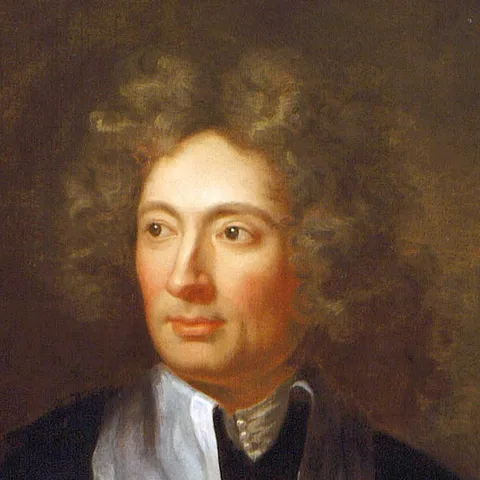
コレッリ・published 1714
聖なる夜のために。最後に羊飼いの笛のようなパストラーレが流れます。
合奏協奏曲 ト短調「クリスマス協奏曲」のページへ
クープラン・published 1717
題名の意味はだれも知らない!やわらかく波打つ、なぞの名曲。
神秘的なバリケードのページへ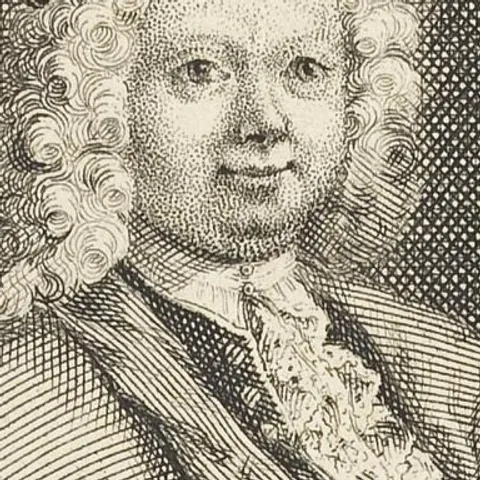
マルチェッロ・published c. 1717
胸にしみるアダージョ!バッハも編曲したオーボエの名曲。
オーボエ協奏曲 ニ短調のページへ
 MP3