
パッヘルベルのジーグ
Pachelbel's Gigue
パッヘルベル・c. 1680–1706
あの「カノン」には、はずむ相棒がいた!知られざる後半戦。
カノンとジーグ ニ長調 より「ジーグ」のページへ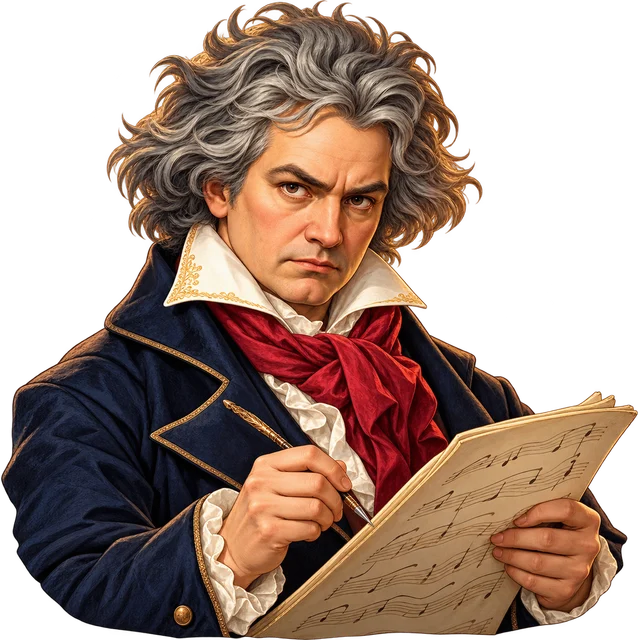
Piano · Op. 49 No. 2 · c. 1795–1796
ルートヴィヒ・ヴァン・ベートーヴェン(1770–1827)
何世代ものピアノ学習者に親しまれてきた、かわいい2楽章のソナタ。A charming little sonata loved by generations of piano students.
PUBLIC DOMAIN RECORDING
PD / CC0 無料でダウンロードOK
WATCH ON YOUTUBE
 Barenboim: Beethoven - Sonata No. 20 in G major, Op. 49 No. 2
EuroArtsChannel(YouTube) YouTube で開く ↗
Beethoven, op. 49 no. 2, Sonata in G major (complete) | Cory Hall, pianist-composer
BachScholar(YouTube) YouTube で開く ↗
左の音源は権利が切れた録音なのでダウンロードできます。右の動画は YouTube の公式の埋め込みで見るもので、ダウンロードはできません(動画の権利は各チャンネルにあります)。
 もっと名演を観る YouTube で何百万回も再生された人気の演奏
Beethoven: Sonata No.20 in G Major, Op.49 No.2
Vinheteiro(YouTube) YouTube で開く ↗
Beethoven: Sonata No.20 in G Major, Op.49 No.2 (Goode, Lewis)
Ashish Xiangyi Kumar(YouTube) YouTube で開く ↗

ホー!第2楽章のメロディー、『七重奏曲』にも出てくるよ。聴きくらべてみて。
 この曲のおはなし The Story
「ピアノ・ソナタ第20番」は、ト長調の短いソナタで、2つの楽章しかありません。番号は20番ですが、じつは1795年から1796年ごろ、ベートーヴェンが20代半ばに書いた若いころの作品と考えられています。むずかしすぎないので、ピアノを習う人が初めて弾くベートーヴェンのソナタとして、世界中で親しまれています。Piano Sonata No. 20 in G major is a short sonata with only two movements. Its number is 20, but Beethoven probably wrote it around 1795 to 1796, when he was in his mid-twenties. Because it is not too difficult, piano students all over the world often play it as their first Beethoven sonata.
作品49には2曲のソナタが入っていて、どちらも「やさしいソナタ」と呼ばれています。第1楽章は明るく元気な音楽で、ソナタ形式(2つのテーマを出し、発展させ、またもどす形)でできています。第2楽章は「メヌエットのテンポで」と書かれた、上品なダンスのような音楽です。小さいながら、ソナタのしくみがぎゅっとつまっています。Opus 49 contains two sonatas, and both are known as 'easy sonatas'. The first movement is bright and lively, written in sonata form, where two themes are presented, developed and brought back. The second movement is marked 'in the tempo of a minuet' and sounds like an elegant dance. Small as it is, it shows clearly how a sonata works.
この2曲が出版されたのは、作曲からおよそ10年もたった1805年のことでした。そのころベートーヴェンは、すでに『英雄』交響曲などの大作を書き上げていたので、ずいぶん昔の作品が世に出たことになります。今では日本のピアノ教室や発表会でもおなじみで、「ベートーヴェンの入門曲」として多くの人が通る道になっています。The two sonatas were not published until 1805, about ten years after they were written. By then, Beethoven had already finished big works like the 'Eroica' Symphony, so these were pieces from his past. Today they are familiar in piano lessons and recitals in Japan, and for many students they are a first step into Beethoven's music.
This is a short piano sonata by Beethoven. It has only two parts. It is not very difficult, so many piano students play it. The melody of the second part is also in another work by Beethoven!これはベートーヴェンの短いピアノ・ソナタです。楽章は2つしかありません。あまりむずかしくないので、たくさんのピアノを習う人が弾きます。第2楽章のメロディーは、ベートーヴェンの別の曲にも出てきます!
 聴きどころ Listening Guide
 えっ!?ネタ Surprising Facts
 タップすると答えが開きます
ソナタの番号はだいたい出版の順番なので、第20番と聞くと中期の作品のように思えます。でも実際は、第1番(作品2)とそれほど変わらないころに書かれたと考えられています。10年近くしまわれていたため、番号が後ろのほうになったのです。
Sonata numbers roughly follow the order of publication, so No. 20 sounds like a middle-period work. In fact, it was probably written not long after Sonata No. 1, Op. 2. It was put away for nearly ten years, so it ended up with a later number.
第2楽章のメヌエットのメロディーは、のちの人気作『七重奏曲』(作品20)の第3楽章でも使われています。ピアノ1台の小さな曲が、7つの楽器のにぎやかな曲に生まれ変わったのです。お気に入りのメロディーだったのかもしれませんね。
The minuet melody of the second movement also appears in the third movement of Beethoven's popular Septet, Op. 20. A small piece for one piano was reborn in a lively work for seven instruments. Perhaps it was one of his favorite tunes.
この2曲は、ベートーヴェン本人ではなく、弟のカスパール・カールが出版をすすめたという説があります。弟は兄の仕事を手伝っていて、昔の作品を出版社に売りこむこともありました。本人が出したくて出した曲かどうかは、はっきりしていません。
There is a theory that it was Beethoven's brother Kaspar Karl, not Beethoven himself, who arranged for these sonatas to be published. His brother helped with his business and sometimes offered older works to publishers. We don't know for sure if Beethoven wanted them published.
この曲は、ピアノの教本や「やさしいソナタ」の曲集によくのせられています。ソナチネを卒業した人が次に弾く曲として、とても人気があります。大作曲家の本物のソナタを、子どもでも自分の手で弾ける喜びを味わえる曲なのです。
This piece often appears in piano method books and collections of easy sonatas. It is very popular as the next step after sonatinas. It lets even children enjoy playing a real sonata by a great composer with their own hands.
ENGLISH × MASTERPIECE
 川をわたる飛び石から。目標に近づくための一歩という意味です。
 この曲で覚える英単語 Words
 クイズに挑戦 Quiz
 この録音について(著作権・出典) Credits
MORE MASTERPIECES
パッヘルベル・c. 1680–1706
あの「カノン」には、はずむ相棒がいた!知られざる後半戦。
カノンとジーグ ニ長調 より「ジーグ」のページへシャルパンティエ・c. 1688–1698
パンパカパーン!ヨーロッパのテレビの幕開けを飾ってきた、ごうかな前奏曲。
テ・デウム ニ長調のページへ
パーセル・1695
ブリテンが「オーケストラ入門」のテーマに選んだ、かっこいいメロディー。
劇音楽「アブデラザール」より ロンドのページへクラーク・c. 1700
結婚式の大定番。でも作曲者は長いあいだ取りちがえられていた!
トランペット・ヴォランタリー(デンマーク王子の行進)のページへ
バッハ・c. 1703–1707 (?)
音楽の授業でおなじみ!4つの声が同じテーマで追いかけっこ。
小フーガ ト短調のページへバッハ・c. 1707–1710 (?)
キラキラの駆け上がりで幕開け!若きバッハのはなやかな鍵盤ショー。
トッカータ ニ長調のページへ
ヴィヴァルディ・published 1711
2本のヴァイオリンが火花を散らす!バッハも編曲した熱い協奏曲。
協奏曲集『調和の霊感』第8番 イ短調(2つのヴァイオリンのための協奏曲)のページへ
テレマン・c. 1710–1720 (?)
バルブのないラッパで高音をきらり!バロックのトランペットの晴れ舞台。
トランペット協奏曲 ニ長調のページへ MP3