
カノン
Canon in D
パッヘルベル・c. 1680–1706
同じ8つの音が28回!なのに聴くたび胸がいっぱいになる曲。
カノンとジーグ ニ長調 より「カノン」のページへ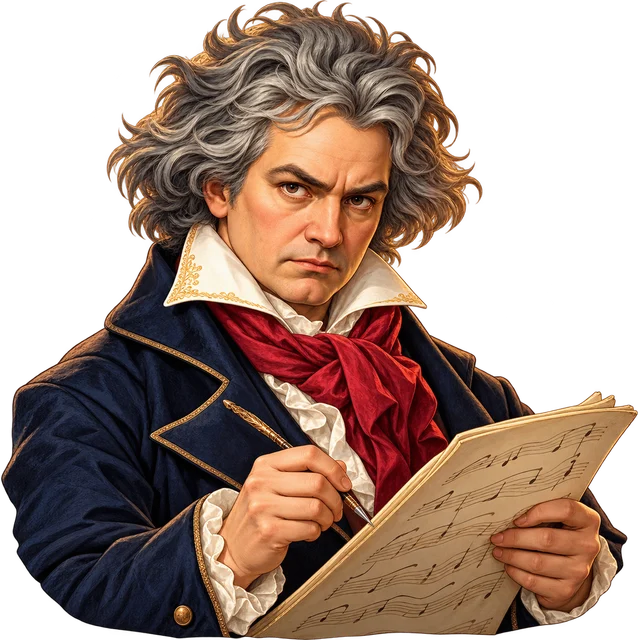
Piano · Op. 33 · by 1802 (published 1803)
ルートヴィヒ・ヴァン・ベートーヴェン(1770–1827)
「ちょっとしたもの」なんてとんでもない!宝石みたいな小品集。Little 'trifles' that sparkle like jewels.
PUBLIC DOMAIN RECORDING
CC BY-SA 4.0 無料でダウンロードOKWATCH ON YOUTUBE
 Beethoven: Für Elise WoO 59, 7 Bagatelles Op. 33 (reference recording: Alfred Brendel)
Classical Music/ /Reference Recording(YouTube) YouTube で開く ↗
Beethoven - 11 Bagatelles, Op. 119 [Rudolf Serkin]
J. Triumvirate(YouTube) YouTube で開く ↗
左の音源は権利が切れた録音なのでダウンロードできます。右の動画は YouTube の公式の埋め込みで見るもので、ダウンロードはできません(動画の権利は各チャンネルにあります)。
 もっと名演を観る YouTube で何百万回も再生された人気の演奏
[아름다운 목요일] L. v. Beethoven 7 Bagatelles for Piano, Op.33 | Yunchan Lim, Piano
금호아트홀 KUMHO ART HALL(YouTube) YouTube で開く ↗
Beethoven: 7 Bagatelles, Op. 33: 3. Allegretto
Alfred Brendel - Topic(YouTube) YouTube で開く ↗

ホー!バガテルは「つまらないもの」という意味。でも中身はとっても楽しいよ。
 この曲のおはなし The Story
「7つのバガテル」は、ベートーヴェンが書いた7つの短いピアノ曲を集めた曲集です。バガテルとはフランス語で「ちょっとしたもの、つまらないもの」という意味。大きなソナタとはちがい、1曲1曲が短く、気軽に楽しめる小品です。1802年までに書き上げられ、1803年にウィーンで出版されました。Seven Bagatelles is a set of seven short piano pieces by Beethoven. 'Bagatelle' is a French word meaning 'a trifle', something small and unimportant. Unlike his big sonatas, each piece is short and easy to enjoy. The set was finished by 1802 and published in Vienna in 1803.
7曲は、おっとり歌う曲、元気に走る曲、おどけたいたずらっぽい曲など、性格がまったくちがいます。中には、ベートーヴェンがもっと若いころに書きとめたアイデアをもとにしたものもあると考えられています。小さな形の中に、急な強弱の変化や思いがけない和音など、ベートーヴェンらしさがつまっています。The seven pieces have very different characters: some sing gently, some run with energy, and some are playful and full of mischief. Some are thought to be based on ideas Beethoven had written down when he was younger. In their small forms, you can still find his sudden changes of volume and surprising chords.
ベートーヴェンは、のちに作品119と作品126のバガテル集も書き、この3つの曲集は彼の小品の大切な柱になりました。有名な『エリーゼのために』も、じつはバガテルの1つです。むずかしすぎない曲も多いので、ピアノを学ぶ人が、ソナタの前にベートーヴェンの音楽に親しむ曲としても人気があります。Beethoven later wrote two more sets of bagatelles, Op. 119 and Op. 126, and these three sets became the main collections of his short pieces. The famous Für Elise is also a bagatelle. Since many of the pieces are not too difficult, they are popular with piano students as a way to get to know Beethoven before playing his sonatas.
This is a set of seven short piano pieces. 'Bagatelle' means 'a small thing'. Some are happy, and some are funny. They are short, but they are very interesting. 'Für Elise' is a bagatelle too!これは7つの短いピアノ曲を集めたものです。「バガテル」は「ちょっとしたもの」という意味です。楽しい曲もあれば、おもしろい曲もあります。短いけれど、とてもおもしろい曲ばかりです。『エリーゼのために』もバガテルなんですよ!
 聴きどころ Listening Guide
 えっ!?ネタ Surprising Facts
 タップすると答えが開きます
あの『エリーゼのために』は、作品目録では「バガテル イ短調 WoO 59」に分類されています。作品番号はつかず、ベートーヴェンの死後にノールが楽譜を見つけて、1867年に出版しました。バガテルという小さな形から、世界一有名なピアノ曲の1つが生まれたのです。
Für Elise is catalogued as the Bagatelle in A minor, WoO 59. It has no opus number. Ludwig Nohl found the score after Beethoven's death and published it in 1867. One of the most famous piano pieces in the world comes from this small form.
大きなソナタや交響曲にくらべて気軽な小品であることを、ベートーヴェンはこの名前で表したと考えられます。ところが晩年の作品126のバガテルについては、「小品のひとつながりの曲集」として考えていたことが、残されたメモからわかっています。小さな曲にも本気だったのです。
Beethoven probably used this name to show that these were light pieces compared to sonatas and symphonies. But his notes show that he thought of his late Op. 126 bagatelles as a connected cycle of little pieces. He took even small pieces seriously.
バガテルのような短い曲は、新しいアイデアを気軽に試すのにぴったりでした。急に音を強くしたり、思わぬ調に飛んだりといった工夫は、同じころのソナタにも見られます。小さな曲集が大作のための「実験室」の役わりもはたしていた、と考える人もいます。
Short pieces like bagatelles were perfect for trying out new ideas. Tricks like sudden loud notes and jumps to unexpected keys also appear in his sonatas of the same period. Some people think these small sets served as a kind of laboratory for his big works.
のちの作品119のうち5曲は、ピアニストのシュタルケが作ったピアノ教本のために書かれました。バガテルは、学ぶ人にとっても身近な形だったのです。作品33もソナタより短く、ベートーヴェンの音楽の入り口としてぴったりです。
Later, five of the Op. 119 bagatelles were written for a piano method book put together by the pianist Friedrich Starke. Bagatelles were a familiar, friendly form for students. Op. 33, too, is shorter than a sonata and a perfect doorway into Beethoven's music.
ENGLISH × MASTERPIECE
 小さくても中身がすばらしい、とほめるときに使う決まり文句です。
 この曲で覚える英単語 Words
 クイズに挑戦 Quiz
 この録音について(著作権・出典) Credits
MORE MASTERPIECES
パッヘルベル・c. 1680–1706
同じ8つの音が28回!なのに聴くたび胸がいっぱいになる曲。
カノンとジーグ ニ長調 より「カノン」のページへパッヘルベル・c. 1680–1706
あの「カノン」には、はずむ相棒がいた!知られざる後半戦。
カノンとジーグ ニ長調 より「ジーグ」のページへ
パーセル・1695
ブリテンが「オーケストラ入門」のテーマに選んだ、かっこいいメロディー。
劇音楽「アブデラザール」より ロンドのページへ
バッハ・c. 1703–1707 (?)
音楽の授業でおなじみ!4つの声が同じテーマで追いかけっこ。
小フーガ ト短調のページへ
ヴィヴァルディ・published 1711
2本のヴァイオリンが火花を散らす!バッハも編曲した熱い協奏曲。
協奏曲集『調和の霊感』第8番 イ短調(2つのヴァイオリンのための協奏曲)のページへバッハ・1713
2本のリコーダーがやさしく鳴る、のどかな牧場の歌。
カンタータ第208番より「羊は安らかに草を食み」のページへ
コレッリ・published 1714
聖なる夜のために。最後に羊飼いの笛のようなパストラーレが流れます。
合奏協奏曲 ト短調「クリスマス協奏曲」のページへ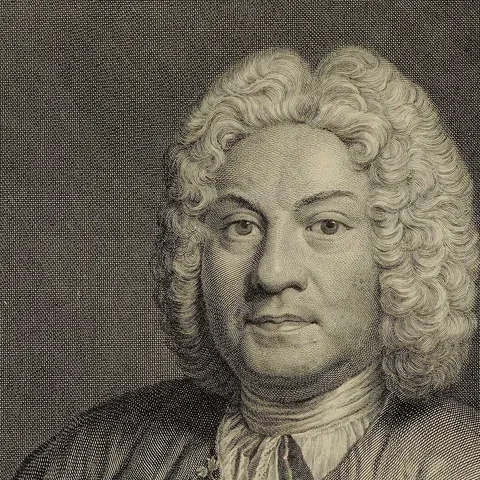
クープラン・published 1717
題名の意味はだれも知らない!やわらかく波打つ、なぞの名曲。
神秘的なバリケードのページへ
 MP3