
カノン
Canon in D
パッヘルベル・c. 1680–1706
同じ8つの音が28回!なのに聴くたび胸がいっぱいになる曲。
カノンとジーグ ニ長調 より「カノン」のページへ
確かな肖像画は伝わっていません
Piano · Op. 4 · 1856
テクラ・バダジェフスカ=バラノフスカ(1823–1861)
ポーランドの若い女性が書いた、19世紀の世界的ベストセラー・ピアノ曲。A worldwide piano bestseller of the 1800s, by a young Polish woman.
WATCH ON YOUTUBE
この曲は、権利の切れた高音質の録音がまだ見つからないため、YouTube の公式チャンネルなどの名演でお楽しみください(ダウンロードはできません)。YouTube でほかの演奏もさがす ↗
 Lang Lang - Bądarzewska-Baranowska: The Maiden's Prayer, Op. 4
LangLangVEVO(YouTube) YouTube で開く ↗
Badarzewska - La prière d'une vierge / The Maiden's Prayer
The Flaming Piano(YouTube) YouTube で開く ↗
A Maiden's Prayer
Buck Owens - Topic(YouTube) YouTube で開く ↗
소녀의 기도(The Maiden's Prayer) - 바다르체프스카(T. Badarzewska) | 피아노
PianiCast(YouTube) YouTube で開く ↗
乙女の祈り−バダジェフスカ【Badarzewska−La prière d'une vierge】ピアノ−piano/CANACANA
CANACANA family(YouTube) YouTube で開く ↗
ホー!台湾では、ゴミ収集車がこの曲を流しながら町を回るんだって。
 この曲のおはなし The Story
「乙女の祈り」は、ポーランドの女性作曲家テクラ・バダジェフスカが書いたピアノ曲です。きらきらとした前奏のあとに、やさしく親しみやすいメロディーがあらわれ、くり返されるたびに、オクターブや分散和音で少しずつ華やかに飾られていきます。中級くらいの腕前で弾けて、しかも聴きばえがする曲です。'A Maiden's Prayer' is a piano piece by the Polish composer Tekla Bądarzewska. After a sparkling introduction, a sweet, friendly melody appears. Each time it returns, it is decorated a little more, with octaves and broken chords. Intermediate pianists can play it, yet it sounds impressive.
この曲は1856年にワルシャワで出版され、1859年にパリの音楽雑誌の付録として紹介されたことで、一気にヨーロッパ中、そして世界中に広まりました。ピアノが家庭に広まり始めた時代で、家で弾ける美しい曲が求められていたのです。作曲者のバダジェフスカは、1861年に若くして亡くなりました。The piece was published in Warsaw in 1856. In 1859, it appeared as a supplement to a music magazine in Paris, and it quickly spread across Europe and around the world. Pianos were becoming common in homes, and people wanted beautiful pieces to play there. Bądarzewska died young, in 1861.
「乙女の祈り」は19世紀の大ベストセラーになりましたが、専門家からは「素人っぽい」ときびしく言われることもありました。それでも人びとに愛され続け、オペラや小説にも登場します。日本でもピアノの発表会の定番曲として親しまれ、台湾ではゴミ収集車のメロディーとして、毎日のように町に流れています。'A Maiden's Prayer' became a huge bestseller in the 19th century, though some experts harshly called it amateurish. Even so, people kept loving it, and it appears in an opera and in stories. In Japan, it is a favorite at piano recitals, and in Taiwan, garbage trucks play it as they drive through towns almost every day.
This piano piece is from Poland. A young woman wrote it. The melody is sweet and easy to remember. It became popular all over the world. In Taiwan, garbage trucks play it!このピアノ曲はポーランドの曲です。若い女性が作りました。メロディーはやさしく、覚えやすいです。世界中で人気になりました。台湾では、ゴミ収集車がこの曲を流します!
 聴きどころ Listening Guide
 えっ!?ネタ Surprising Facts
 タップすると答えが開きます
台湾では、ゴミ収集車がベートーヴェンの「エリーゼのために」や、この「乙女の祈り」を流しながら町を回ります。音楽が聞こえると、人びとはゴミを持って外に出てくるのです。150年以上前のピアノ曲が、今も毎日の暮らしの合図になっています。
In Taiwan, garbage trucks drive around town playing Beethoven's 'Für Elise' or this 'Maiden's Prayer'. When people hear the music, they bring their trash outside. A piano piece from more than 150 years ago is still a daily signal in people's lives.
クルト・ヴァイルとブレヒトのオペラ「マハゴニー市の興亡」(1930年)では、酒場の調子っぱずれのピアノで「乙女の祈り」が弾かれます。それを聴いた登場人物が「これぞ永遠の芸術だ」と言うのです。大人気の甘い曲を、皮肉をこめて使った場面です。
In Kurt Weill and Bertolt Brecht's opera Rise and Fall of the City of Mahagonny (1930), 'A Maiden's Prayer' is played on an out-of-tune piano in a bar. A character who hears it calls it 'eternal art'. The opera uses this very popular, sweet piece with a touch of irony.
アメリカのピアニストで研究者のアーサー・レッサーは、この曲を「不器用さから生まれた、やぼったい作品」とこき下ろしました。でも、専門家にどう言われても、弾く人・聴く人には愛され続けたのです。「わかりやすくて美しい」ことの強さを教えてくれる曲とも言えます。
The American pianist and writer Arthur Loesser called it a 'dowdy product of ineptitude'. But no matter what experts said, players and listeners kept loving it. You could say this piece shows the power of music that is simple and beautiful.
アメリカの作家メアリー・E・ウィルキンズ・フリーマンの怪談『The Wind in the Rose-Bush』(1903年)では、だれもいないはずの家から「乙女の祈り」が聞こえてきます。家庭でよく弾かれる身近な曲だったからこそ、こわい話の小道具としても効果があったのでしょう。
In 'The Wind in the Rose-Bush' (1903), a ghost story by the American writer Mary E. Wilkins Freeman, 'A Maiden's Prayer' is heard from a house where no one should be. Because people often played it at home, it worked well in a spooky story.
ENGLISH × MASTERPIECE
 1曲だけ大ヒットした歌手や作曲家のこと。ポップスの世界でよく使います。
 この曲で覚える英単語 Words
 クイズに挑戦 Quiz
 著作権について Credits
MORE MASTERPIECES
パッヘルベル・c. 1680–1706
同じ8つの音が28回!なのに聴くたび胸がいっぱいになる曲。
カノンとジーグ ニ長調 より「カノン」のページへパッヘルベル・c. 1680–1706
あの「カノン」には、はずむ相棒がいた!知られざる後半戦。
カノンとジーグ ニ長調 より「ジーグ」のページへ
パーセル・1695
ブリテンが「オーケストラ入門」のテーマに選んだ、かっこいいメロディー。
劇音楽「アブデラザール」より ロンドのページへ
ヘンデル・1711
「泣かせてください」と歌う、深い悲しみに満ちた名アリア。
私を泣かせてください(歌劇『リナルド』より)のページへ
バッハ・1713
2本のリコーダーがやさしく鳴る、のどかな牧場の歌。
カンタータ第208番より「羊は安らかに草を食み」のページへ
コレッリ・published 1714
聖なる夜のために。最後に羊飼いの笛のようなパストラーレが流れます。
合奏協奏曲 ト短調「クリスマス協奏曲」のページへ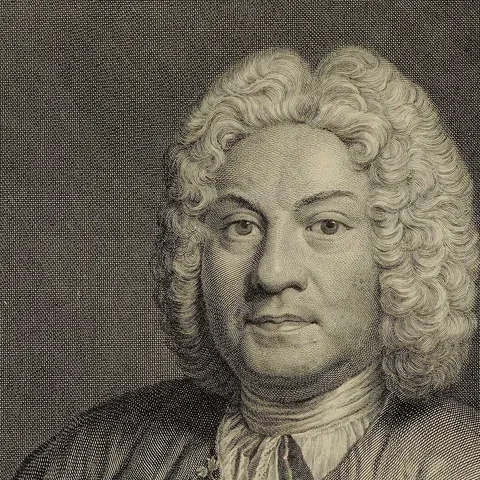
クープラン・published 1717
題名の意味はだれも知らない!やわらかく波打つ、なぞの名曲。
神秘的なバリケードのページへ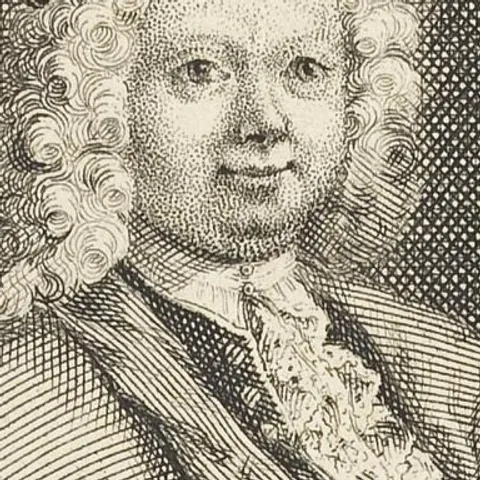
マルチェッロ・published c. 1717
胸にしみるアダージョ!バッハも編曲したオーボエの名曲。
オーボエ協奏曲 ニ短調のページへ
 MP3