
テ・デウム
Te Deum
シャルパンティエ・c. 1688–1698
パンパカパーン!ヨーロッパのテレビの幕開けを飾ってきた、ごうかな前奏曲。
テ・デウム ニ長調のページへ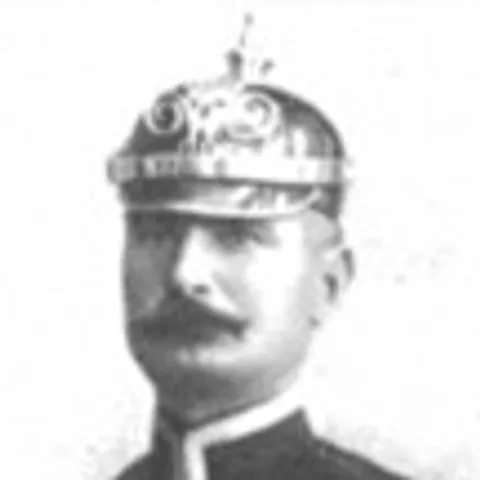
March · · 1889
カール・タイケ(1864–1922)
「ストーブに放りこめ」と言われたという曲が、世界の名マーチに!Said to have been rejected with 'put it in the stove,' it became a world-famous march!
PUBLIC DOMAIN RECORDING
CC BY-SA 4.0 無料でダウンロードOKWATCH ON YOUTUBE
 Alte Kameraden (Old Comrades) March - Heeresmusikkorps 1
Weezilou(YouTube) YouTube で開く ↗
"Alte Kameraden" (Old Comrades) - German Military March [LYRICS]
Archivum M.(YouTube) YouTube で開く ↗
左の音源は権利が切れた録音なのでダウンロードできます。右の動画は YouTube の公式の埋め込みで見るもので、ダウンロードはできません(動画の権利は各チャンネルにあります)。
 もっと名演を観る YouTube で何百万回も再生された人気の演奏
Alte Kameraden Marsch - old comrades march - Carl Teike
Werkskapelle Knauf Ceiling Solutions Ferndorf(YouTube) YouTube で開く ↗
旧友 / C.タイケ Alte Kameraden / C.Teike
PRO WiND 023(YouTube) YouTube で開く ↗
Alte Kameraden (Old Comrades) l Carl Teike l Heeresmusikkorps Ulm l Dirigent: Hptm. Dominik Koch
Record Music Group(YouTube) YouTube で開く ↗
Alte Kameraden - die Bundeswehr der Bundesrepublik Deutschland (Deutsches Soldatenlied)
Goldelse(YouTube) YouTube で開く ↗
ホー!作曲したタイケは、のちに警察官になっても、マーチを書き続けたんだ。
 この曲のおはなし The Story
「旧友」は、ドイツの作曲家カール・タイケが1889年に作った行進曲です。ドイツ語の題名は「アルテ・カメラーデン(古い仲間たち)」。タイケは当時、ドイツ南部の町ウルムにいたヴュルテンベルク王国の第123連隊の軍楽隊員で、この楽隊のためにたくさんの曲を書いていました。Old Comrades is a march written in 1889 by the German composer Carl Teike. Its German title, Alte Kameraden, means 'old comrades.' Teike was then a member of the band of the 123rd Grenadier Regiment of Württemberg in Ulm, in southern Germany, and he wrote many pieces for that band.
よく知られた話によると、タイケがこの曲を持っていくと、楽長のエルテは「マーチならもう十分ある。そいつはストーブに放りこんでしまえ!」と相手にしなかったそうです。タイケはこのあと楽隊をはなれ、曲に今の題名「旧友」をつけます。いっしょに演奏してきた仲間たちを思わせる、あたたかい題名です。According to a well-known story, when Teike showed the march to the regiment's bandmaster, Oelte, he brushed it off: 'We've got plenty of marches already. Put this one in the stove!' Teike then left the band and gave the march its present title, a warm name that makes us think of the friends he had played with.
楽譜は出版社に買い取られ、1895年に初めて演奏されました。その後、ドイツ軍の行進曲集にもおさめられ、世界でもっとも人気のあるマーチの1つになりました。タイケはのちに警察官として働きながら、マーチを書き続けています。日本でも吹奏楽の定番曲として親しまれています。A publisher bought the music, and it was first performed in 1895. It was later included in the German Army's official collection of marches and became one of the most popular marches in the world. Teike later worked as a police officer while he kept writing marches. In Japan, too, it is a standard piece for wind bands.
A young band member wrote this march in Germany. A famous story says his boss told him, 'Put it in the stove!' But the music did not burn. Now people all over the world love it. The title means 'old friends.'ドイツの若い楽隊員がこの行進曲を書きました。有名な話では、上司に「ストーブに放りこめ!」と言われたそうです。でも楽譜は燃やされませんでした。今では世界中の人がこの曲を愛しています。題名は「古い仲間たち」という意味です。
 聴きどころ Listening Guide
 えっ!?ネタ Surprising Facts
 タップすると答えが開きます
出版社はこの楽譜を25金マルクで買い取ったと伝えられています。それが世界中で100年以上も演奏されることになるとは、「ストーブに放りこめ」と言った楽長も、出版社も、思ってもいなかったでしょう。
A publisher is said to have bought the music for 25 gold marks. Neither the bandmaster who said 'put it in the stove' nor the publisher could have imagined it would be played around the world for more than 100 years.
1937年、イギリス国王ジョージ6世の戴冠式のときにも、このドイツのマーチが演奏されたと伝えられています。ドイツの小さな連隊の楽隊で生まれた曲が、国をこえて、王さまの晴れの日をかざったのです。
In 1937, this German march is said to have been played for the coronation of King George VI of Britain. A piece born in a small German regimental band crossed borders and helped celebrate a king's big day.
1930年のドイツ映画『嘆きの天使』でも、この曲が聞こえてきます。マレーネ・ディートリッヒを世界的スターにした名作です。当時のドイツの人々にとって、それだけ身近なマーチだったことがわかります。
This march can also be heard in the 1930 German film The Blue Angel, the classic that made Marlene Dietrich an international star. It shows how familiar the march was to people in Germany at that time.
本当かどうかはわかりませんが、フィンランドでは「カメラーデン(仲間たち)」が「カメラマン」とまちがって訳され、アマチュア写真クラブの間でこの曲が人気になった、というおもしろい話があります。もちろんドイツ語の「カメラート(Kamerad)」は、カメラとは関係なく「仲間」という意味です。
There is a funny but unconfirmed story that in Finland 'Kameraden' was mistranslated as 'cameramen,' and the march became popular among amateur photography clubs. Of course, the German word 'Kamerad' has nothing to do with cameras. It means 'comrade.'
ENGLISH × MASTERPIECE
 ばかにされた人が、結局は成功して見返すときに使います。
 この曲で覚える英単語 Words
 クイズに挑戦 Quiz
 この録音について(著作権・出典) Credits
MORE MASTERPIECES
シャルパンティエ・c. 1688–1698
パンパカパーン!ヨーロッパのテレビの幕開けを飾ってきた、ごうかな前奏曲。
テ・デウム ニ長調のページへ
バッハ・c. 1707–1710 (?)
キラキラの駆け上がりで幕開け!若きバッハのはなやかな鍵盤ショー。
トッカータ ニ長調のページへ
ヴィヴァルディ・published 1711
2本のヴァイオリンが火花を散らす!バッハも編曲した熱い協奏曲。
協奏曲集『調和の霊感』第8番 イ短調(2つのヴァイオリンのための協奏曲)のページへヴィヴァルディ・c. 1715
オクターブがぴょんぴょん跳ねる!喜びがはじける合唱の名曲。
グローリア ニ長調のページへ
テレマン・c. 1710–1720 (?)
バルブのないラッパで高音をきらり!バロックのトランペットの晴れ舞台。
トランペット協奏曲 ニ長調のページへバッハ・1720
止まらない!キラキラ走る、ヴァイオリン1本の大はしゃぎ。
無伴奏ヴァイオリン・パルティータ第3番 ホ長調より「プレリュード」のページへバッハ・1721
3・3・3!弦楽器だけで生き生きと走りだす、バッハの協奏曲。
ブランデンブルク協奏曲 第3番 ト長調のページへバッハ・1721
伴奏役のチェンバロがまさかの大独奏!鍵盤協奏曲の先がけ。
ブランデンブルク協奏曲第5番 ニ長調のページへ
 MP3