 タイケの名曲を聴く
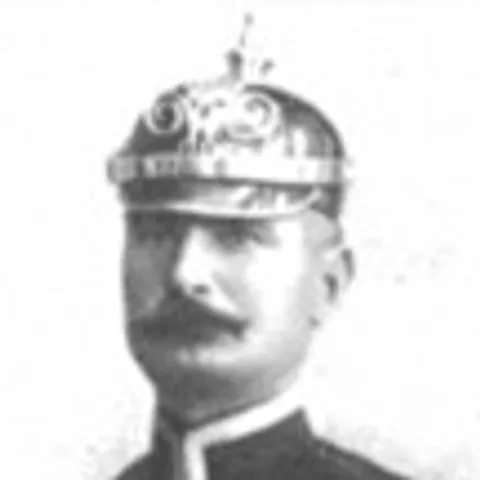
旧友
Old Comrades
タイケ・1889
「ストーブに放りこめ」と言われたという曲が、世界の名マーチに!
旧友のページへRomantic · 1864–1922
「行進曲「旧友」の作曲家」The composer of the march Old Comrades
 アルトダム(当時のドイツ、現在のポーランドのシュチェチン近く)
 ランツベルク・アン・デア・ヴァルテ(現在のポーランドのゴジュフ・ヴィエルコポルスキ)1 曲を収録
世界的な名行進曲を書いたのに、本業はおまわりさんになった人。He wrote a world-famous march, then became a policeman.

ホー!タイケは「旧友」の代金として、お金のほかにガチョウを1羽もらったと言われているよ。
 生涯 Life Story
カール・タイケは1864年2月5日、ドイツ北東部ポンメルン地方の町アルトダム(今のポーランドのシュチェチン近く)で、かじ屋の親方の家に生まれました。14人きょうだいの4番目です。14歳のとき、近くの町の楽長の家に住みこんでいくつもの管楽器を習い、その楽団で4年間、海辺の保養地などで演奏しました。Carl Teike was born on 5 February 1864 in Altdamm, in the Pomerania region of north-eastern Germany, near today's Szczecin in Poland. His father was a master blacksmith, and Carl was the fourth of fourteen children. At fourteen he went to live with a town bandmaster, learned several wind instruments and played in his band for four years, including at a seaside resort.
1883年、19歳のタイケは南ドイツのヴュルテンベルク王国の軍隊に入り、ウルムの連隊の軍楽隊員になりました。軍楽隊で演奏するかたわら、町の劇場のオーケストラでも演奏し、最初の行進曲を書きはじめます。そして1889年ごろ、のちに「旧友(アルテ・カメラーデン)」とよばれる行進曲を書き上げました。In 1883, at nineteen, Teike joined the army of the Kingdom of Württemberg in southern Germany and became a military musician in a regiment based in Ulm. Besides playing in the band, he performed in local theatre orchestras and began writing his first marches. Around 1889 he finished the march that would later be called 'Alte Kameraden' (Old Comrades).
ところが伝えられる話では、楽長はこの行進曲を気に入らなかったそうです。タイケは1889年の終わりに軍をやめ、ウルムの町の警察で働きはじめて、下宿先の娘と結婚します。1895年からはベルリン近くのポツダムで警察官として働きました。そのあいだに「旧友」は出版され、ドイツだけでなく世界中で演奏されるようになっていきます。However, according to a well-known story, his bandmaster did not like the march. At the end of 1889 Teike left the army, took a job with the town police in Ulm and married his landlord's daughter. From 1895 he served as a policeman in Potsdam, near Berlin. Meanwhile 'Old Comrades' was published and began to be played not only in Germany but around the world.
病気のため警察の仕事を続けられなくなったタイケは、1909年からランツベルク・アン・デア・ヴァルテの役所で働きました。100曲をこえる作品を書きましたが、曲を売っても大金にはならず、豊かにはなれませんでした。1922年に58歳で亡くなり、貧しい人のための墓に葬られました。今では「旧友」は、世界でもっとも人気のある行進曲のひとつです。Illness forced Teike to give up police work, and from 1909 he worked as a clerk in a local government office in Landsberg an der Warthe. He wrote more than a hundred pieces, but selling them never brought him much money, and he never became well off. He died in 1922, aged 58, and was buried in a pauper's grave. Today 'Old Comrades' is one of the most popular marches in the world.
Carl Teike was born in Germany in 1864. He played music in the army. He wrote a march called Old Comrades. A famous story says his boss did not like it! Teike left the army and worked for the police. Now his march is famous all over the world.カール・タイケは1864年にドイツで生まれました。彼は軍隊で音楽を演奏しました。彼は「旧友」という行進曲を書きました。上司はそれを気に入らなかった、という有名な話があります!タイケは軍をやめ、警察で働きました。今、彼の行進曲は世界中で有名です。
 これだけは!鉄板情報 Must-Know Facts
 あっと驚くネタ Surprising Stories
 タップすると答えが開きます
タイケが新しい行進曲を楽長に見せると、「行進曲はもう十分ある。ストーブにくべてしまえ」と言われた、という話が伝えられています。このことがきっかけで、タイケは軍をやめたとも言われています。その曲こそ、のちの世界的名曲「旧友」でした。
There is a story that when Teike showed his new march to his bandmaster, he was told, 'We have enough marches already. Put it in the stove!' It is also said that this was why Teike left the army. That very piece became the world-famous 'Old Comrades'.
ドイツの資料によると、「旧友」で最初にもらった代金は20マルクと、なんとガチョウ1羽だったそうです。その後も権利を売ったお金はわずかで、世界中で演奏される名曲を書いたのに、タイケはお金持ちにはなれませんでした。
According to German sources, Teike's first payment for 'Old Comrades' was 20 marks and a goose! He earned only small sums from it afterwards, so even though he had written a march played around the world, he never became rich.
軍をやめたタイケは、まずウルムの町の警察で働き、のちにポツダムで警察官になりました。昼は町を守るおまわりさん、そのあいまに行進曲を書くという生活です。病気で警察をやめてからは、役所で働きました。
After leaving the army, Teike worked for the town police in Ulm and later became a police officer in Potsdam. He kept the streets safe by day and wrote marches in his spare time. When illness forced him to leave the police, he went on to work in a government office.
この行進曲が「旧友(昔の仲間)」とよばれるようになったのは、タイケが軍をやめて、いっしょに演奏した仲間たちと別れることになったからだ、という説があります。ただし、はっきりした記録が残っているわけではありません。
One explanation is that the march came to be called 'Old Comrades' because Teike was leaving the army and saying goodbye to the friends he had played with. However, there is no clear record to prove it.
1922年に亡くなったタイケは、お金のない人のための墓に葬られました。のちに彼の功績が見直され、ポツダムや、彼が晩年を過ごした町(今のポーランドのゴジュフ・ヴィエルコポルスキ)には、彼をたたえる記念の板がつけられています。
When Teike died in 1922, he was buried in a pauper's grave. Later his achievement was recognised, and memorial plaques honouring him have been put up in Potsdam and in the town where he spent his last years, now Gorzów Wielkopolski in Poland.
 年表 Timeline
 タイケで覚える英単語 Words
 クイズに挑戦 Quiz
MORE COMPOSERS






 MP3