
テ・デウム
Te Deum
シャルパンティエ・c. 1688–1698
パンパカパーン!ヨーロッパのテレビの幕開けを飾ってきた、ごうかな前奏曲。
テ・デウム ニ長調のページへ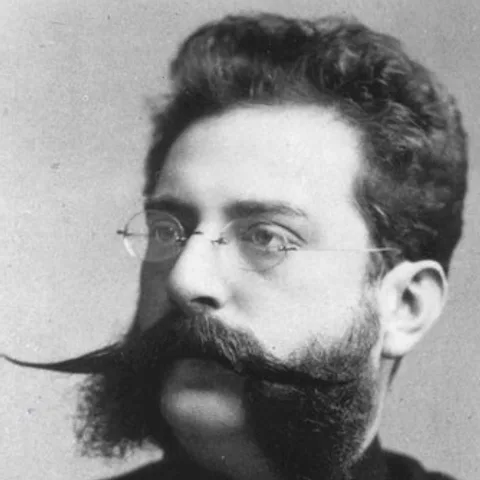
March · Op. 159 · 1893
ヨーゼフ・フランツ・ワーグナー(1856–1908)
オーストリア生まれのマーチが、アメリカのカントリー音楽に!?An Austrian march that became a country music classic in America!
PUBLIC DOMAIN RECORDING
PD / CC0 無料でダウンロードOKWATCH ON YOUTUBE
 Under The Double Eagle March - Concert Band
United States Navy Band(YouTube) YouTube で開く ↗
Roy Clark & Gatemouth Brown - Under the Double Eagle | Live on Austin City Limits TV
Austin City Limits(YouTube) YouTube で開く ↗
左の音源は権利が切れた録音なのでダウンロードできます。右の動画は YouTube の公式の埋め込みで見るもので、ダウンロードはできません(動画の権利は各チャンネルにあります)。
 もっと名演を観る YouTube で何百万回も再生された人気の演奏
Unter dem Doppeladler (Under the Double Eagle)
TheMarches09(YouTube) YouTube で開く ↗
双頭の鷲の旗の下に / J.F.ワーグナー
SHOBI NETTV(YouTube) YouTube で開く ↗
ホー!作曲者ヨーゼフ・フランツ・ワーグナーは、オペラのワーグナーとは別人だよ。
 この曲のおはなし The Story
「双頭の鷲の旗の下に」は、オーストリアの軍楽隊長ヨーゼフ・フランツ・ワーグナーが、1893年にグラーツで作った行進曲です。ワーグナーは「オーストリアのマーチ王」とも呼ばれました。題名の「双頭の鷲」は、当時のオーストリア=ハンガリー帝国の紋章にえがかれていた、頭が2つある鷲のことです。Under the Double Eagle is a march written in 1893 in Graz by the Austrian military bandmaster Josef Franz Wagner. Wagner is sometimes called the 'Austrian March King.' The 'double eagle' in the title is the two-headed eagle on the coat of arms of Austria-Hungary.
曲は、当時のオーストリア=ハンガリーの陸軍大臣エドムント・フォン・クリークハンマーにささげられました。明るい変ホ長調で始まり、中間部(トリオ)は変イ長調に変わります。オーストリアでは、2007年に部隊がなくなるまで、第2砲兵連隊の公式の行進曲として使われていました。Wagner dedicated the march to Edmund von Krieghammer, the Austro-Hungarian Minister of War at the time. It begins in bright E-flat major, and the middle section, the trio, moves to A-flat major. In Austria, it was the official march of Artillery Regiment No. 2 until the unit was dissolved in 2007.
アメリカでは1902年に楽譜が出版され、スーザの楽団が3回も録音したことで人気が広がりました。さらに1930〜40年代には、テキサスなどでカントリー音楽やウエスタン・スウィングの定番曲になります。1960年代には、ギターの名手ドック・ワトソンの演奏で、ふたたび注目を集めました。In America, the music was published in 1902, and Sousa's band recorded it three times, which made it popular. In the 1930s and 1940s, it became a standard of country music and Western swing, especially in Texas. In the 1960s, the guitarist Doc Watson brought it back into the spotlight.
This march comes from Austria. The 'double eagle' is a symbol: an eagle with two heads. It was used by Austria-Hungary. Later, the march went to America. Country music players love it, too!この行進曲はオーストリアから来ました。「双頭の鷲」は、頭が2つある鷲をえがいた紋章です。オーストリア=ハンガリーで使われていました。のちに、この曲はアメリカにわたりました。カントリー音楽の演奏家たちも、この曲が大好きです!
 聴きどころ Listening Guide
 えっ!?ネタ Surprising Facts
 タップすると答えが開きます
ワーグナーと聞くと、オペラ『ニーベルングの指環』のリヒャルト・ワーグナーを思いうかべる人が多いでしょう。でもこの曲のヨーゼフ・フランツ・ワーグナー(1856〜1908年)は、まったくの別人。オーストリアの軍楽隊長として、たくさんの行進曲を書きました。
When people hear the name Wagner, many think of Richard Wagner, who wrote the opera cycle The Ring of the Nibelung. But Josef Franz Wagner (1856–1908) was a completely different person. He was an Austrian military bandmaster who wrote many marches.
この曲は、ドイツやオーストリアからの移民がアメリカに持ちこんだと考えられ、1930〜40年代のテキサスで大人気になりました。フィドル(カントリーのヴァイオリン)やギターで弾かれ、今ではブルーグラスやカントリーの奏者がよく演奏するレパートリーです。
The march was probably brought to America by German or Austrian immigrants, and it became very popular in Texas in the 1930s and 1940s. It was played on fiddle and guitar, and today it is a favorite piece of bluegrass and country musicians.
1935年、ビル・ボイドとカウボーイ・ランブラーズが録音したこの曲はヒットし、その年のカントリー(当時は「ヒルビリー」と呼ばれた)でとくに売れた曲の1つになったと言われています。軍隊のマーチが、カウボーイ・バンドのヒット曲になったのです。
In 1935, Bill Boyd and His Cowboy Ramblers recorded this march, and it is said to have been one of the best-selling country records, then called 'hillbilly' music, of that year. A military march became a hit for a cowboy band.
イギリスのコメディ番組『空飛ぶモンティ・パイソン』のアニメ「コンラッド・プーズと踊る歯」でも、この曲が使われました。また、ジャズのベニー・グッドマンには、この曲をもじった「ベンジーズ・バブル」という録音があります。
This march was used in the Monty Python's Flying Circus animation 'Conrad Poohs and His Dancing Teeth.' The jazz clarinetist Benny Goodman also made a recording called 'Benjie's Bubble' that parodies the tune.
ENGLISH × MASTERPIECE
 音楽では、別のジャンルでもヒットすることを言います。crossover(クロスオーバー)も同じ仲間。
 この曲で覚える英単語 Words
 クイズに挑戦 Quiz
 この録音について(著作権・出典) Credits
MORE MASTERPIECES
シャルパンティエ・c. 1688–1698
パンパカパーン!ヨーロッパのテレビの幕開けを飾ってきた、ごうかな前奏曲。
テ・デウム ニ長調のページへ
バッハ・c. 1707–1710 (?)
キラキラの駆け上がりで幕開け!若きバッハのはなやかな鍵盤ショー。
トッカータ ニ長調のページへ
ヴィヴァルディ・published 1711
2本のヴァイオリンが火花を散らす!バッハも編曲した熱い協奏曲。
協奏曲集『調和の霊感』第8番 イ短調(2つのヴァイオリンのための協奏曲)のページへヴィヴァルディ・c. 1715
オクターブがぴょんぴょん跳ねる!喜びがはじける合唱の名曲。
グローリア ニ長調のページへ
テレマン・c. 1710–1720 (?)
バルブのないラッパで高音をきらり!バロックのトランペットの晴れ舞台。
トランペット協奏曲 ニ長調のページへバッハ・1720
止まらない!キラキラ走る、ヴァイオリン1本の大はしゃぎ。
無伴奏ヴァイオリン・パルティータ第3番 ホ長調より「プレリュード」のページへバッハ・1721
3・3・3!弦楽器だけで生き生きと走りだす、バッハの協奏曲。
ブランデンブルク協奏曲 第3番 ト長調のページへバッハ・1721
伴奏役のチェンバロがまさかの大独奏!鍵盤協奏曲の先がけ。
ブランデンブルク協奏曲第5番 ニ長調のページへ
 MP3