双頭の鷲の旗の下に
Under the Double Eagle
J.F.ワーグナー・1893
オーストリア生まれのマーチが、アメリカのカントリー音楽に!?
双頭の鷲の旗の下にのページへRomantic · 1856–1908
「オーストリアのマーチ王」The Austrian March King
 ウィーン(オーストリア)
 ウィーン(オーストリア)1 曲を収録
200曲以上の行進曲を世に出した、ウィーンの軍楽隊長。A Viennese bandmaster who published over 200 marches.
 J.F.ワーグナーの名曲を聴く
J.F.ワーグナー・1893
オーストリア生まれのマーチが、アメリカのカントリー音楽に!?
双頭の鷲の旗の下にのページへ
ホー!こちらは楽劇のワーグナーとは別人。行進曲のワーグナーさんだよ。
 生涯 Life Story
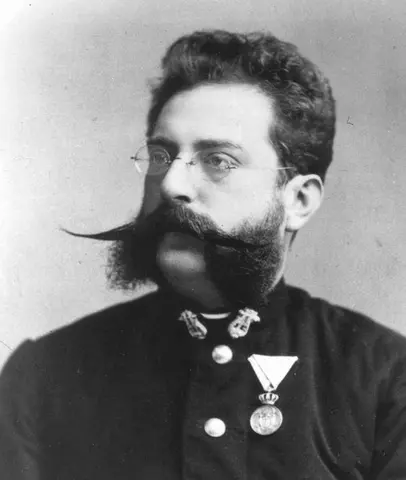
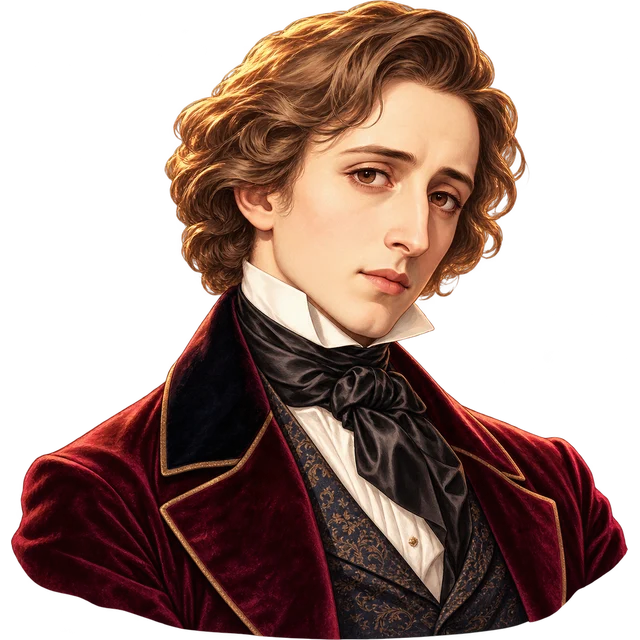
ヨーゼフ・フランツ・ワーグナーは1856年3月20日、オーストリアのウィーンに生まれました。父はボヘミアから移ってきた医者、母はモラヴィアの出身です。少年時代は教会の合唱団でソプラノを歌い、1869年から1873年まで、修道院の学校で学びました。16歳の1872年には、最初の作品「耐えよ、そして絶望するな」を書いています。Josef Franz Wagner was born in Vienna on 20 March 1856. His father was a doctor who had moved to Vienna from Bohemia, and his mother came from Moravia. As a boy he sang soprano in a church choir, and from 1869 to 1873 he studied at a monastery school. In 1872, at sixteen, he wrote his first piece, 'Endure and Do Not Despair'.
1874年、ワーグナーは歩兵連隊の軍楽隊に入りました。作曲・和声・楽器の使い方は、先生について個人的に学びます。1878年には軍楽隊長になり、1899年に軍をはなれるまでその仕事を続けました。1878年から1891年までは第47歩兵連隊の軍楽隊長として、トレント、ウィーン、マリボル、グラーツなど、帝国のあちこちの町で演奏しました。In 1874 Wagner joined the band of an infantry regiment. He studied composition, harmony and orchestration privately with a teacher. In 1878 he became a military bandmaster and stayed in army service until 1899. From 1878 to 1891 he led the band of the 47th Infantry Regiment, playing in towns across the empire such as Trento, Vienna, Maribor and Graz.
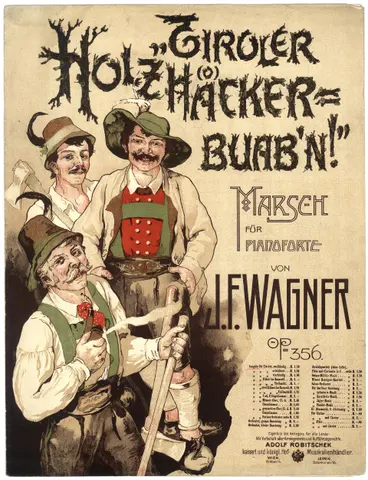
1891年からは第49歩兵連隊の軍楽隊長となり、ウィーンの有名な演奏場所「クアサロン」や遊園地プラーターでも演奏しました。そして1893年、代表作の行進曲「双頭の鷲の旗の下に」作品159を作曲します。題名の「双頭の鷲」とは、オーストリア=ハンガリー帝国の紋章にえがかれた、頭が2つある鷲のことです。From 1891 he led the band of the 49th Infantry Regiment, which also performed at famous Vienna venues such as the Kursalon and the Prater amusement park. In 1893 he wrote his most famous work, the march 'Under the Double Eagle', Op. 159. The 'double eagle' in the title is the two-headed eagle on the coat of arms of Austria-Hungary.
1900年、ワーグナーは自分の楽団を作りましたが、お客が集まらず大きな借金をかかえました。頭痛や気管支の病気になやみ、1907年には重い心臓の病気になります。1908年6月5日、ウィーンで52歳で亡くなり、ウィーン中央墓地の名誉墓に葬られました。生前に出版した行進曲は206曲にのぼり、「オーストリアのマーチ王」とよばれています。In 1900 Wagner started his own private band, but it did not make money and he fell deeply into debt. He suffered from headaches and bronchitis, and by 1907 he had serious heart disease. He died in Vienna on 5 June 1908, aged 52, and was buried in a grave of honour in the Vienna Central Cemetery. He published 206 marches in his lifetime and is known as 'the Austrian March King'.
Josef Franz Wagner was born in Vienna in 1856. He led army bands for many years. He wrote more than two hundred marches! His most famous march is Under the Double Eagle. He is not the opera composer Richard Wagner.ヨーゼフ・フランツ・ワーグナーは1856年にウィーンで生まれました。彼は長いあいだ軍楽隊を率いました。彼は200曲以上の行進曲を書きました!いちばん有名な行進曲は「双頭の鷲の旗の下に」です。彼はオペラの作曲家リヒャルト・ワーグナーとは別の人です。
 これだけは!鉄板情報 Must-Know Facts
 あっと驚くネタ Surprising Stories
 タップすると答えが開きます
題名の「双頭の鷲」は、頭が2つある鷲のこと。オーストリア=ハンガリー帝国の紋章にえがかれていて、帝国のシンボルでした。つまり「双頭の鷲の旗の下に」は、「帝国の旗のもとに集まって」という意味がこめられた題名なのです。
The 'double eagle' is an eagle with two heads. It appeared on the coat of arms of Austria-Hungary and was the symbol of the empire. So 'Under the Double Eagle' really means 'under the flag of the empire'.
アメリカの「マーチ王」スーザが率いる楽団は、「双頭の鷲の旗の下に」をお気に入りのレパートリーにして、何度も録音しました。こうしてこの曲はアメリカでも広く知られるようになりました。
The band of John Philip Sousa, America's 'March King', made 'Under the Double Eagle' one of its favourite pieces and recorded it several times. That helped make the march well known in America too.
ワーグナーの「ギガール行進曲」作品150は、20世紀のはじめまでに楽譜が30万部以上売れたと記録されています。「ギガール」とはウィーンの言葉で、おしゃれに気をつかう若い男のこと。楽しい題名の曲もたくさん書いたのです。
Wagner's 'Gigerl March', Op. 150, sold over 300,000 copies of sheet music by the early 20th century. 'Gigerl' is Viennese slang for a fashionable young dandy. He wrote many marches with fun titles like this.
当時のオーストリア軍の軍楽隊長には年金がなく、ワーグナーは軍の生活に不満をかかえていました。自分の楽団を作って独立しようとしましたが、お金がたりず大きな借金をしてしまいます。名声とは裏腹に、晩年は苦しい生活でした。
At that time Austrian army bandmasters received no pension, and Wagner was unhappy with military life. He tried to go independent with his own band, but it lost money and left him deep in debt. Despite his fame, his last years were hard.
ワーグナーは、ウィーン中央墓地の「名誉墓」に葬られています。この墓地は、ベートーヴェンやシューベルト、ブラームス、ヨハン・シュトラウス2世なども眠ることで有名です。マーチ王もウィーンの音楽の名士として大切にされているのです。
Wagner was buried in a grave of honour in the Vienna Central Cemetery, the famous resting place of Beethoven, Schubert, Brahms and Johann Strauss II. The March King is honoured as one of Vienna's great musicians.
「双頭の鷲の旗の下に」は、オーストリア軍の砲兵第2連隊の公式の行進曲として使われてきました。その連隊がなくなる2007年まで、100年以上も「現役」の曲だったのです。
'Under the Double Eagle' was the official march of the Austrian Army's Artillery Regiment No. 2. It stayed in service for over a hundred years, until the regiment was disbanded in 2007.
 肖像画・写真・自筆譜 Gallery (Public Domain)
Wikimedia Commons でパブリックドメイン(または CC0)と確認した画像です。クリックで拡大。
 年表 Timeline
 J.F.ワーグナーで覚える英単語 Words
 クイズに挑戦 Quiz
MORE COMPOSERS



 MP3