
パッヘルベルのジーグ
Pachelbel's Gigue
パッヘルベル・c. 1680–1706
あの「カノン」には、はずむ相棒がいた!知られざる後半戦。
カノンとジーグ ニ長調 より「ジーグ」のページへ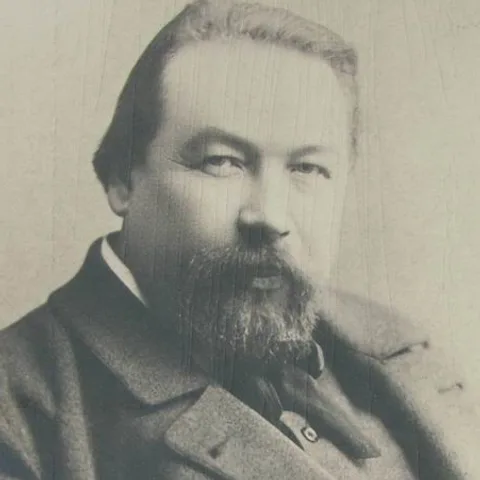
March · Op. 10 · 1894
ミハイル・ミハイロヴィチ・イッポリトフ=イワノフ(1859–1935)
シャンシャン、ドンドン!コーカサスの山から行列がやってくる。Clash, boom! A procession from the Caucasus Mountains.
WATCH ON YOUTUBE
この曲は、権利の切れた高音質の録音がまだ見つからないため、YouTube の公式チャンネルなどの名演でお楽しみください(ダウンロードはできません)。YouTube でほかの演奏もさがす ↗
 Caucasian Sketches Suite, Op. 10: Procession of the Sardar
The Philadelphia Orchestra - Topic(YouTube) YouTube で開く ↗
PROCESSION OF THE SARDAR - IPPOLITOV-IVANOV - ORGAN & PIANO DUO - SCOTT BROTHERS DUO
scottbrothersduo(YouTube) YouTube で開く ↗
Caucasian Sketches Op. 10: Procession of the Sardar
Maksim - Topic(YouTube) YouTube で開く ↗

ホー!作曲家はコーカサスで10年ほどくらして、現地の音楽にふれたんだよ。
 この曲のおはなし The Story
「酋長の行列」は、ロシアの作曲家ミハイル・イッポリトフ=イワノフが1894年に書いたオーケストラ組曲「コーカサスの風景」第1番の、4曲目(最後の曲)です。サルダールとは、軍の指揮官や地方の首長のこと。シンバルやトライアングルなどの打楽器と、ピッコロなどの木管楽器が、堂々とした行列のようすをにぎやかに描きます。Procession of the Sardar is the fourth and final piece of Caucasian Sketches, Suite No. 1, an orchestral suite written in 1894 by the Russian composer Mikhail Ippolitov-Ivanov. A sardar is a military commander or local chief. Cymbals, triangle and other percussion, together with piccolo and other woodwinds, colorfully paint a grand procession.
イッポリトフ=イワノフは、サンクトペテルブルク音楽院でリムスキー=コルサコフに学んだあと、1880年代から約10年間、コーカサス地方のティフリス(今のジョージアの首都トビリシ)でくらし、音楽学校の指導やオペラの指揮で活躍しました。そこでふれたコーカサスの民族音楽が、この組曲のもとになっています。組曲の4曲は「山あいの道で」「村で」「モスクの中で」「酋長の行列」です。Ippolitov-Ivanov studied with Rimsky-Korsakov at the St. Petersburg Conservatory. Then, from the 1880s, he spent about ten years in Tiflis in the Caucasus (today Tbilisi, the capital of Georgia), where he led a music school and conducted opera. The folk music of the Caucasus he heard there became the basis of this suite. Its four pieces are In a Mountain Pass, In the Village, In the Mosque, and Procession of the Sardar.
1893年にモスクワ音楽院の教授となったイッポリトフ=イワノフは、のちに院長もつとめました。「コーカサスの風景」の中でもとくに「酋長の行列」が人気となり、オーケストラのアンコールや、吹奏楽の演奏会でもよく取り上げられます。異国の雰囲気をたっぷり味わえる、短くて楽しい行進曲です。In 1893, Ippolitov-Ivanov became a professor at the Moscow Conservatory, and he later served as its director. Of the four movements in Caucasian Sketches, Procession of the Sardar became especially popular, and it is often played as an orchestral encore or in concert-band programs. It is a short, fun march full of exotic flavor.
This is a march by a Russian composer. He lived in the Caucasus for about ten years. A 'sardar' is a leader. Listen to the cymbals and the little flute called the piccolo. The march is short and fun!これはロシアの作曲家の行進曲です。彼はコーカサス地方に10年ほど住んでいました。「サルダール」とはリーダーのことです。シンバルや、ピッコロという小さな笛を聴いてみましょう。この行進曲は短くて楽しいです!
 聴きどころ Listening Guide
 えっ!?ネタ Surprising Facts
 タップすると答えが開きます
作曲家の名字「イッポリトフ=イワノフ」は、2つの名前をつなげたものです。もとの名字はイワノフでしたが、ロシアには同じ名字の音楽家が多かったため、母方の名字イッポリトフを加えたと言われています。長い名前には、そんなわけがあったのです。
The composer's surname, Ippolitov-Ivanov, joins two names together. His original surname was Ivanov, but because there were many musicians with that name in Russia, it is said he added his mother's surname, Ippolitov. That is the story behind his long name.
イッポリトフ=イワノフは、ティフリス(今のトビリシ)で音楽学校を指導し、オペラの指揮もしました。ジョージアの民謡にも深い関心をよせています。「コーカサスの風景」は、通りすがりの旅行者のスケッチではなく、そこで長くくらした人ならではの音楽なのです。
In Tiflis (today Tbilisi), Ippolitov-Ivanov led a music school and also conducted opera. He took a deep interest in Georgian folk songs, too. Caucasian Sketches is not the sketch of a passing traveler, but music by someone who lived there for many years.
イッポリトフ=イワノフは晩年の1931年、ムソルグスキーが書きかけのまま残したオペラ「結婚」を完成させました。最初の1幕しか書かれていなかった作品に、残りを書き足したのです。先生のリムスキー=コルサコフと同じように、仲間の作品を世に出す仕事にも力をつくしました。
Late in life, in 1931, Ippolitov-Ivanov completed The Marriage, an opera that Mussorgsky had left unfinished. Only the first act had been written, so he added the rest. Like his teacher Rimsky-Korsakov, he worked hard to bring other composers' works to the world.
サルダールは、ペルシャ語に由来する称号で、軍の指揮官や首長を意味します。インドやアフガニスタンなど広い地域で使われてきた言葉で、今でもインドのシク教徒の男性への敬称として使われることがあります。日本語の題名では「酋長」と訳されています。
Sardar is a title that comes from Persian and means a military commander or chief. It has been used in a wide area including India and Afghanistan, and today it is still sometimes used as a respectful title for Sikh men in India. In the Japanese title, it is translated as 'shucho', or chief.
ENGLISH × MASTERPIECE
 行列や大切な人のために道をあけること。「〜に場所をゆずる」の意味でも使います。
 この曲で覚える英単語 Words
 クイズに挑戦 Quiz
 著作権について Credits
MORE MASTERPIECES
パッヘルベル・c. 1680–1706
あの「カノン」には、はずむ相棒がいた!知られざる後半戦。
カノンとジーグ ニ長調 より「ジーグ」のページへシャルパンティエ・c. 1688–1698
パンパカパーン!ヨーロッパのテレビの幕開けを飾ってきた、ごうかな前奏曲。
テ・デウム ニ長調のページへ
パーセル・1695
ブリテンが「オーケストラ入門」のテーマに選んだ、かっこいいメロディー。
劇音楽「アブデラザール」より ロンドのページへ
バッハ・c. 1707–1710 (?)
キラキラの駆け上がりで幕開け!若きバッハのはなやかな鍵盤ショー。
トッカータ ニ長調のページへ
ヴィヴァルディ・published 1711
2本のヴァイオリンが火花を散らす!バッハも編曲した熱い協奏曲。
協奏曲集『調和の霊感』第8番 イ短調(2つのヴァイオリンのための協奏曲)のページへヴィヴァルディ・c. 1715
オクターブがぴょんぴょん跳ねる!喜びがはじける合唱の名曲。
グローリア ニ長調のページへ
テレマン・c. 1710–1720 (?)
バルブのないラッパで高音をきらり!バロックのトランペットの晴れ舞台。
トランペット協奏曲 ニ長調のページへバッハ・1720
止まらない!キラキラ走る、ヴァイオリン1本の大はしゃぎ。
無伴奏ヴァイオリン・パルティータ第3番 ホ長調より「プレリュード」のページへ
 MP3