酋長の行列
Procession of the Sardar
イッポリトフ=イワノフ・1894
シャンシャン、ドンドン!コーカサスの山から行列がやってくる。
組曲「コーカサスの風景」第1番より「酋長の行列」のページへLate Romantic & Modern · 1859–1935
「コーカサスの響きを伝えた作曲家」The composer who brought the Caucasus to the concert hall
 ガッチナ(ロシア、サンクトペテルブルク近郊)
 モスクワ(ロシア)1 曲を収録
山と民謡の国コーカサスで、異国の音の魅力を見つけた人。He found exotic magic in the mountains and songs of the Caucasus.
 イッポリトフ=イワノフの名曲を聴く
イッポリトフ=イワノフ・1894
シャンシャン、ドンドン!コーカサスの山から行列がやってくる。
組曲「コーカサスの風景」第1番より「酋長の行列」のページへ
ホー!同じ名前の音楽家とまちがえられないように、「イッポリトフ」を名前に加えたんだよ。
 生涯 Life Story
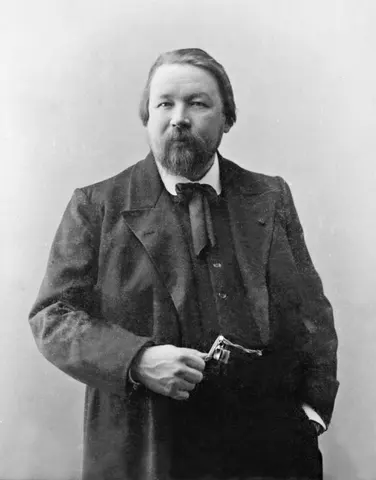
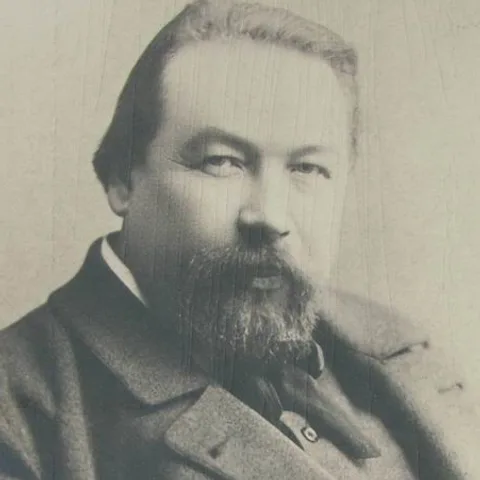
ミハイル・イッポリトフ=イワノフは1859年、ロシアのサンクトペテルブルクに近い町ガッチナに生まれました。本名はミハイル・イワノフです。同じ名前の音楽家がいたため、区別できるように「イッポリトフ」を名前に加えました(母の旧姓とする説と、姉の結婚後の名字とする説があります)。1875年にサンクトペテルブルク音楽院に入り、1882年まで、リムスキー=コルサコフに作曲を学びました。Mikhail Ippolitov-Ivanov was born in 1859 in Gatchina, a town near Saint Petersburg in Russia. His birth name was Mikhail Ivanov. Because there was another musician with the same name, he added 'Ippolitov' to his name so people could tell them apart. Some say it was his mother's maiden name; others say it was his sister's married name. He entered the Saint Petersburg Conservatory in 1875 and studied composition with Rimsky-Korsakov until 1882.
卒業後、彼はコーカサス地方の町ティフリス(今のジョージアの首都トビリシ)へ行き、音楽学校の校長やオーケストラの指揮者として働きました。そこで土地の民謡や教会の聖歌に心をうばわれ、楽譜に書き取って広めます。1886年には、チャイコフスキーの「ロメオとジュリエット」の最終版の初演を指揮しました。また、歌手のヴァルヴァーラ・ザルドナヤと結婚しています。After graduating, he went to Tiflis, now Tbilisi, the capital of Georgia in the Caucasus, where he worked as head of the music school and as an orchestra conductor. He fell in love with the region's folk songs and church chants, and wrote many of them down so others could know them. In 1886 he conducted the premiere of the final version of Tchaikovsky's Romeo and Juliet. He also married the singer Varvara Zarudnaya.
1893年、彼はモスクワ音楽院の教授になりました。翌1894年に書いた管弦楽組曲「コーカサスの風景」には、コーカサスでの思い出がつまっています。その最後の曲が、行進のリズムにのって異国の響きが近づいてくる「酋長の行列」です。1905年から1922年まで(はじめは代理として)音楽院の院長をつとめ、作曲家グリエールなどを育てました。In 1893 he became a professor at the Moscow Conservatory. His orchestral suite Caucasian Sketches, written the following year, is full of his memories of the Caucasus. Its final movement is the 'Procession of the Sardar', in which exotic sounds seem to draw nearer over a marching rhythm. From 1905 to 1922 he led the conservatory, at first as acting director, and he taught composers such as Reinhold Glière.
ロシア革命のあとも、彼は音楽界の中心で活躍しました。1924年から1925年にかけては、トビリシ音楽院の院長として立て直しに力を貸し、1925年からはモスクワのボリショイ劇場で指揮をしています。ムソルグスキーの未完のオペラ「結婚」も完成させました。1935年、モスクワで75歳で亡くなり、ノヴォデヴィチ墓地に葬られました。After the Russian Revolution he remained at the centre of musical life. In 1924–25 he served as head of the Tbilisi Conservatory and helped to reorganise it, and from 1925 he conducted at the Bolshoi Theatre in Moscow. He also completed Mussorgsky's unfinished opera The Marriage. He died in Moscow in 1935, aged 75, and was buried in the Novodevichy Cemetery.
Mikhail Ippolitov-Ivanov was born in Russia in 1859. He studied with Rimsky-Korsakov. Then he lived in Georgia for about ten years. He loved the folk songs there. His famous piece is Procession of the Sardar. It sounds like a parade from far away.ミハイル・イッポリトフ=イワノフは1859年にロシアで生まれました。彼はリムスキー=コルサコフに学びました。そのあと、約10年間ジョージアで暮らしました。彼はそこの民謡が大好きでした。有名な曲は「酋長の行列」です。遠くから近づいてくるパレードのように聞こえます。
 これだけは!鉄板情報 Must-Know Facts
 あっと驚くネタ Surprising Stories
 タップすると答えが開きます
本名はミハイル・イワノフ。ところが、同じ「ミハイル・イワノフ」という名前の音楽家がほかにいました。まちがえられないよう、彼は「イッポリトフ」をくっつけて「イッポリトフ=イワノフ」と名のったのです。「イッポリトフ」がどこから来たのかは、母の旧姓とする説と、姉の結婚後の名字とする説があります。
His real name was Mikhail Ivanov. But there was another musician called Mikhail Ivanov! To avoid confusion, he added 'Ippolitov' and called himself Ippolitov-Ivanov. Some say 'Ippolitov' was his mother's maiden name; others say it was his sister's married name.
チャイコフスキーは「ロメオとジュリエット」を何度も書き直しました。その最終版を初めて演奏したのは、1886年5月1日、コーカサスの町ティフリスで指揮をしたイッポリトフ=イワノフでした。首都ではなく、遠いコーカサスで初演されたのです。
Tchaikovsky revised Romeo and Juliet several times. The final version was first performed on 1 May 1886 in Tiflis in the Caucasus, conducted by Ippolitov-Ivanov. A great Russian masterpiece got its premiere far from the capital!
「展覧会の絵」で知られるムソルグスキーは、ゴーゴリの喜劇をもとにしたオペラ「結婚」を書きかけのまま残しました。イッポリトフ=イワノフはその続きを作曲し、オペラとして完成させています。
Mussorgsky, famous for Pictures at an Exhibition, left his opera The Marriage, based on a comedy by Gogol, unfinished. Ippolitov-Ivanov composed the rest and completed it as a full opera.
「酋長の行列」の原題にある「サルダール」は、ペルシャなどで使われた言葉で、指揮官や長(おさ)をさす呼び名です。日本では「酋長」と訳されていますが、えらい人が家来を連れて堂々と進んでくる様子をえがいた曲なのです。
'Sardar' is a title used in Persia and nearby regions for a commander or chief. In Japan the piece is translated as 'Procession of the Chief', and the music pictures an important leader marching grandly with his followers.
ジョージアには、昔から口で歌いつがれてきた独特の教会の聖歌や民謡があります。イッポリトフ=イワノフはそれらを楽譜に書き取る仕事に参加し、ジョージアの民謡を集めて出版するのに大きな役割を果たしました。トビリシには今も彼の名前のついた通りがあります。
Georgia has unique church chants and folk songs passed down by ear for centuries. Ippolitov-Ivanov helped write them down in musical notation and played a major part in collecting and publishing Georgian folk songs. A street in Tbilisi still bears his name.
音楽院の院長を長くつとめたあと、1925年からはモスクワのボリショイ劇場で指揮をしました。そのとき彼はすでに60代の半ば。年をとっても、音楽の現場で活躍しつづけたのです。
After many years as conservatory director, he began conducting at Moscow's Bolshoi Theatre in 1925, when he was already in his mid-sixties. He stayed active in music right into old age.
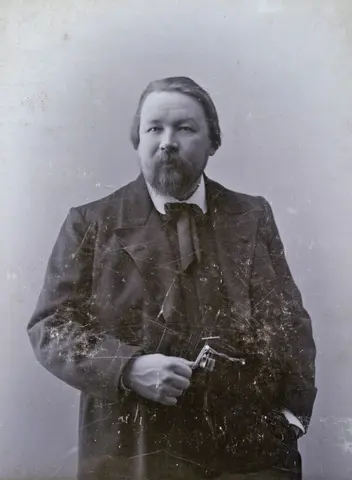
 肖像画・写真・自筆譜 Gallery (Public Domain)
Wikimedia Commons でパブリックドメイン(または CC0)と確認した画像です。クリックで拡大。
 年表 Timeline
 イッポリトフ=イワノフで覚える英単語 Words
 クイズに挑戦 Quiz
MORE COMPOSERS

 MP3