
カノン
Canon in D
パッヘルベル・c. 1680–1706
同じ8つの音が28回!なのに聴くたび胸がいっぱいになる曲。
カノンとジーグ ニ長調 より「カノン」のページへ
Orchestral · Op. 23 / Op. 46 No. 3 · 1875(組曲版 1888)
エドヴァルド・グリーグ(1843–1907)
弦楽器と小さなトライアングルだけ。砂漠の美女がしなやかに踊る。Just strings and a tiny triangle: a graceful dance in the desert.
PUBLIC DOMAIN RECORDING
PD / CC0 無料でダウンロードOK 別の演奏で聴く 1:Edvard Grieg
ANOTHER RECORDING 1
PD / CC0 別の演奏で聴く 2:Musopen Symphony Orchestra
ANOTHER RECORDING 2
PD / CC0WATCH ON YOUTUBE
 Grieg "Peer Gynt" “Anitra's Dance" P. Barton, FEURICH piano
Paul Barton(YouTube) YouTube で開く ↗
Grieg: Peer Gynt Suite No. 1, Op. 46: III. Anitra's Dance
Berliner Philharmoniker - Topic(YouTube) YouTube で開く ↗
左の音源は権利が切れた録音なのでダウンロードできます。右の動画は YouTube の公式の埋め込みで見るもので、ダウンロードはできません(動画の権利は各チャンネルにあります)。
 もっと名演を観る YouTube で何百万回も再生された人気の演奏
Grieg: Peer Gynt Suite No. 1, "Anitra's Dance" / Thomas Dausgaard & Seattle Symphony
Seattle Symphony(YouTube) YouTube で開く ↗

ホー!この曲はマズルカ風の3拍子。ポーランドの踊りのリズムなんだよ。
 この曲のおはなし The Story
ノルウェーの劇作家イプセンの劇『ペール・ギュント』のために、グリーグが書いた音楽の一曲です。劇は1876年に初演され、のちにグリーグは人気の曲を選んで組曲にまとめました。「アニトラの踊り」は第1組曲の3曲目で、「朝」や「山の魔王の宮殿にて」と同じ組曲に入っています。Grieg wrote this music for Peer Gynt, a play by the Norwegian writer Henrik Ibsen. The play was first staged in 1876, and Grieg later chose the most popular numbers for concert suites. 'Anitra's Dance' is the third piece of Suite No. 1, which also includes 'Morning Mood' and 'In the Hall of the Mountain King.'
物語の主人公ペールは、冒険とほら話が大好きな若者です。北アフリカの砂漠にやってきたペールは予言者のふりをし、族長の娘アニトラにすっかり心をうばわれます。アニトラはペールの前で美しく踊りますが、じつは彼の宝石や馬がねらいで、最後はその馬に乗って逃げてしまいます。The hero, Peer, is a young man who loves adventures and tall tales. In the deserts of North Africa, he pretends to be a prophet and falls for Anitra, the daughter of a Bedouin chief. Anitra dances beautifully for him, but she is really after his jewels and his horse. In the end, she rides away on that very horse.
音楽は弦楽器だけで演奏され、ときどきトライアングルが光るように鳴ります。弦楽器には弱音器という小さな道具をつけて、くぐもったやわらかい音を出します。組曲はコンサートで大人気になり、この踊りも今では世界中で演奏され、子ども向けの音楽の授業でもよく紹介されています。The music is played by strings alone, with a triangle that sparkles now and then. The string players attach small mutes to their instruments to make a soft, veiled sound. The suite became a big concert hit, and today this dance is played all over the world and often introduced in music classes for children.
This music is from a play called Peer Gynt. Anitra is a girl in the desert. She dances for Peer, the hero. But she really wants his things! Only string instruments and a triangle play this music.この音楽は『ペール・ギュント』という劇のための曲です。アニトラは砂漠に住む娘です。彼女は主人公のペールのために踊ります。でも、本当は彼の持ち物がほしいのです!この曲を演奏するのは弦楽器とトライアングルだけです。
 聴きどころ Listening Guide
 えっ!?ネタ Surprising Facts
 タップすると答えが開きます
アニトラはペールをうっとりさせる踊りを見せますが、じつは彼の持ち物がねらいでした。最後はペールの馬に乗って逃げてしまいます。上品で美しい音楽のうらに、ちょっとずるい作戦がかくれているのです。
Anitra's dance charms Peer, but she is really after his belongings. In the end, she escapes on his horse. Behind this elegant, pretty music hides a rather sneaky plan!
この曲で使う打楽器はトライアングルだけです。大きな太鼓もトランペットもなし。弦楽器のささやくような音の上で、トライアングルが宝石のようにキラッと光り、アニトラの身につけたかざりのようにも聞こえます。
The only percussion in this piece is a triangle. There are no big drums and no trumpets. Above the whispering strings, the triangle sparkles like a jewel, almost like the ornaments Anitra wears.
楽譜には「マズルカのテンポで」と書かれています。マズルカはポーランドの民族舞曲です。舞台は北アフリカの砂漠なのに、ヨーロッパの踊りのリズムを使っているのが、おもしろいところです。
The score says 'Tempo di Mazurka.' The mazurka is a Polish folk dance. The scene is set in a North African desert, yet the music uses a European dance rhythm. That is part of its charm!
1874年にイプセンから音楽をたのまれたグリーグは、この仕事にとても時間がかかりました。劇には幻想的な場面が多く、音楽にするのがむずかしかったのです。それでも完成した音楽は、世界中で広く知られるようになりました。
Ibsen asked Grieg to write the music in 1874, and the work took Grieg a long time. The play is full of fantastic scenes that were hard to put into music. Even so, the finished music became famous around the world.
ENGLISH × MASTERPIECE
 turn heads で「人をふり向かせる・注目を集める」。
 この曲で覚える英単語 Words
 クイズに挑戦 Quiz
 この録音について(著作権・出典) Credits
MORE MASTERPIECES
パッヘルベル・c. 1680–1706
同じ8つの音が28回!なのに聴くたび胸がいっぱいになる曲。
カノンとジーグ ニ長調 より「カノン」のページへパッヘルベル・c. 1680–1706
あの「カノン」には、はずむ相棒がいた!知られざる後半戦。
カノンとジーグ ニ長調 より「ジーグ」のページへ
パーセル・1695
ブリテンが「オーケストラ入門」のテーマに選んだ、かっこいいメロディー。
劇音楽「アブデラザール」より ロンドのページへ
バッハ・1713
2本のリコーダーがやさしく鳴る、のどかな牧場の歌。
カンタータ第208番より「羊は安らかに草を食み」のページへ
コレッリ・published 1714
聖なる夜のために。最後に羊飼いの笛のようなパストラーレが流れます。
合奏協奏曲 ト短調「クリスマス協奏曲」のページへ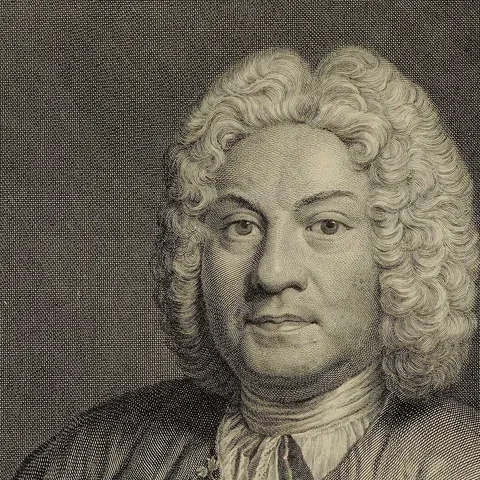
クープラン・published 1717
題名の意味はだれも知らない!やわらかく波打つ、なぞの名曲。
神秘的なバリケードのページへ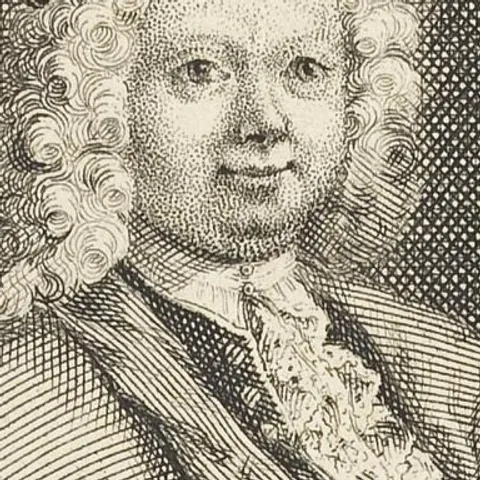
マルチェッロ・published c. 1717
胸にしみるアダージョ!バッハも編曲したオーボエの名曲。
オーボエ協奏曲 ニ短調のページへバッハ・c. 1720
チェロ1本だけで、こんなに豊かな世界が広がる!
無伴奏チェロ組曲 第1番 ト長調のページへ MP3