
テ・デウム
Te Deum
シャルパンティエ・c. 1688–1698
パンパカパーン!ヨーロッパのテレビの幕開けを飾ってきた、ごうかな前奏曲。
テ・デウム ニ長調のページへ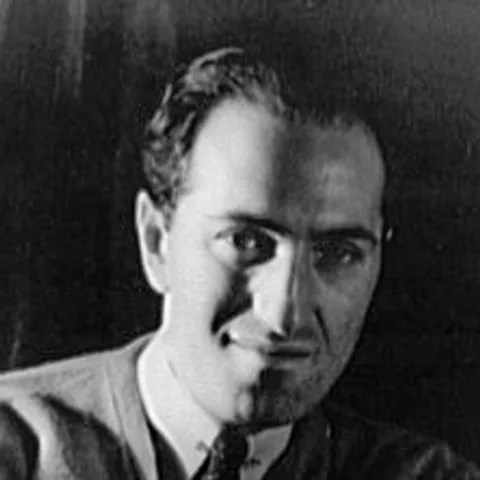
Concerto · · 1924
ジョージ・ガーシュウィン(1898–1937)
クラリネットが「ヒュイ〜ン」!ジャズとクラシックの出会い。A clarinet slides up, and jazz meets classical music.
PUBLIC DOMAIN RECORDING
PD / CC0 無料でダウンロードOK 別の演奏で聴く 1:Speaker: Kantor.JH Authors of the article
ANOTHER RECORDING 1
CC BY-SA 3.0WATCH ON YOUTUBE
 Gershwin: Rhapsody in Blue ∙ hr-Sinfonieorchester ∙ Alain Altinoglu
hr-Sinfonieorchester – Frankfurt Radio Symphony(YouTube) YouTube で開く ↗
Yuja Wang leads the MCO on Gershwin's Rhapsody in blue
Alexandre Claudio(YouTube) YouTube で開く ↗
左の音源は権利が切れた録音なのでダウンロードできます。右の動画は YouTube の公式の埋め込みで見るもので、ダウンロードはできません(動画の権利は各チャンネルにあります)。
 もっと名演を観る YouTube で何百万回も再生された人気の演奏
Rhapsody in Blue Debut | Rhapsody In Blue | Warner Archive
Warner Bros. Classics(YouTube) YouTube で開く ↗
Rhapsody In Blue: Gershwin
RoyalDukeJam(YouTube) YouTube で開く ↗
George Gershwin - Rhapsody in Blue - Leonard Bernstein, New York Philharmonic (1976)
Qiyu Liu(YouTube) YouTube で開く ↗
Lang Lang: George Gershwin - Rhapsody in Blue
Cazador de Letras(YouTube) YouTube で開く ↗
ホー!この曲の作曲の話を、ガーシュウィンは新聞記事で知ったと言われているよ。
 この曲のおはなし The Story
「ラプソディ・イン・ブルー」は、アメリカの作曲家ジョージ・ガーシュウィンが1924年に作った、ピアノとバンド(のちにオーケストラ)のための曲です。「ラプソディ」は「自由な形の曲」、「ブルー」はジャズやブルースの、少し切ない響きを思わせる言葉。クラリネットが低い音からすべり上がる、あまりにも有名な始まりで知られています。Rhapsody in Blue is a piece for piano and band, later for orchestra, written by the American composer George Gershwin in 1924. A rhapsody is a piece in a free form, and 'blue' suggests the bittersweet sound of jazz and the blues. It is famous for its opening, where a clarinet slides up from a low note.
1924年1月、バンドリーダーのポール・ホワイトマンが「ガーシュウィンがジャズの協奏曲を書いている」と新聞で発表しました。兄のアイラがその記事を読み、ガーシュウィンはおどろいたと言われています。本番まではわずか5週間ほど。ガーシュウィンは2台ピアノ用の楽譜を書き、ファーディ・グローフェがそれをバンド用に編曲しました。In January 1924, the bandleader Paul Whiteman announced in a newspaper that Gershwin was writing a jazz concerto. His brother Ira read the article, and Gershwin is said to have been surprised. There were only about five weeks before the concert. Gershwin wrote the music for two pianos, and Ferde Grofé arranged it for the band.
初演は1924年2月12日、ニューヨークのエオリアン・ホールで開かれた「現代音楽の実験」という演奏会でした。ピアノはガーシュウィン本人。客席には有名な音楽家たちも来ていたと伝えられています。曲は大評判となり、のちにオーケストラ版も作られて、アメリカを代表する名曲になりました。The first performance was on February 12, 1924, at a concert called 'An Experiment in Modern Music' at Aeolian Hall in New York. Gershwin himself played the piano. Many famous musicians are said to have been in the audience. The piece was a big hit, and later orchestra versions were made. It became one of the most famous pieces of American music.
This music comes from New York. It mixes jazz and classical music. It starts with a clarinet. The clarinet slides up from a low note to a high note. Gershwin wrote it in only a few weeks.この音楽はニューヨーク生まれです。ジャズとクラシックをまぜています。クラリネットで始まります。クラリネットが低い音から高い音へすべり上がります。ガーシュウィンはたった数週間でこの曲を書きました。
 聴きどころ Listening Guide
 えっ!?ネタ Surprising Facts
 タップすると答えが開きます
1924年1月、兄アイラが新聞を読んでいると、「ガーシュウィンがホワイトマン楽団のためにジャズの協奏曲を書いている」という記事が。本人ははっきり引き受けたつもりがなく、おどろいたと言われています。そこから5週間ほどで書き上げました。
In January 1924, his brother Ira found a newspaper article saying that Gershwin was writing a jazz concerto for Whiteman's band. Gershwin is said to have been surprised, because he did not think he had really agreed to it. He finished it in about five weeks.
はじめ楽譜には、ふつうの速い音階が書かれていたそうです。ところがリハーサルで、クラリネット奏者ロス・ゴーマンがふざけて音をなめらかにすべらせて吹いたところ、ガーシュウィンが気に入り、そのまま使うことになったと伝えられています。
At first, the score is said to have had an ordinary fast scale. But at a rehearsal, the clarinetist Ross Gorman played it as a smooth slide, just for fun. The story goes that Gershwin liked it so much that he kept it.
ガーシュウィンは、ボストンへ向かう汽車の中で、車輪のリズムや音を聞いているうちに曲全体の形が浮かんだと、のちに語っています。人種のるつぼであるアメリカの「音楽の万華鏡」が聞こえた、という言い方をしたそうです。
Gershwin later said that the shape of the whole piece came to him on a train to Boston, while he listened to its rhythms and noises. He described hearing it as a 'musical kaleidoscope of America', the great melting pot.
時間がなかったため、初演のときピアノのパートは一部しか書かれておらず、ガーシュウィンは即興もまじえて弾いたと言われています。バンドの楽譜には、ピアノのソロの部分に「ガーシュウィンのうなずきを待て」と書かれていたという話も残っています。
Because there was so little time, it is said that the piano part was not fully written down at the premiere, and Gershwin improvised some of it. There is also a story that the band's music simply said 'Wait for nod' during the piano solos.
ENGLISH × MASTERPIECE
 spur は馬をせかす「拍車」。急にせかされて決めるイメージです。
 この曲で覚える英単語 Words
 クイズに挑戦 Quiz
 この録音について(著作権・出典) Credits
MORE MASTERPIECES
シャルパンティエ・c. 1688–1698
パンパカパーン!ヨーロッパのテレビの幕開けを飾ってきた、ごうかな前奏曲。
テ・デウム ニ長調のページへ
パーセル・1695
ブリテンが「オーケストラ入門」のテーマに選んだ、かっこいいメロディー。
劇音楽「アブデラザール」より ロンドのページへ
バッハ・c. 1704 (?)
タラリ〜!一度聴いたら忘れない、オルガンの大迫力の幕開け。
トッカータとフーガ ニ短調のページへバッハ・c. 1707–1710 (?)
キラキラの駆け上がりで幕開け!若きバッハのはなやかな鍵盤ショー。
トッカータ ニ長調のページへ
ヴィヴァルディ・published 1711
2本のヴァイオリンが火花を散らす!バッハも編曲した熱い協奏曲。
協奏曲集『調和の霊感』第8番 イ短調(2つのヴァイオリンのための協奏曲)のページへヴィヴァルディ・c. 1715
オクターブがぴょんぴょん跳ねる!喜びがはじける合唱の名曲。
グローリア ニ長調のページへ
テレマン・c. 1710–1720 (?)
バルブのないラッパで高音をきらり!バロックのトランペットの晴れ舞台。
トランペット協奏曲 ニ長調のページへ
クープラン・published 1717
題名の意味はだれも知らない!やわらかく波打つ、なぞの名曲。
神秘的なバリケードのページへ
 MP3