
テ・デウム
Te Deum
シャルパンティエ・c. 1688–1698
パンパカパーン!ヨーロッパのテレビの幕開けを飾ってきた、ごうかな前奏曲。
テ・デウム ニ長調のページへ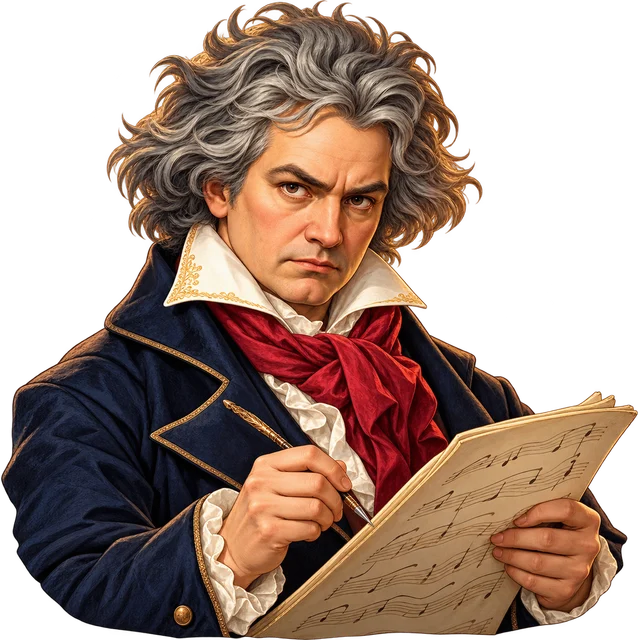
Symphony · Op. 92 · 1811–1812
ルートヴィヒ・ヴァン・ベートーヴェン(1770–1827)
ワーグナーいわく「舞踏の神格化」。リズムがおどる交響曲。"The apotheosis of the dance": a symphony that never stops moving.
PUBLIC DOMAIN RECORDING
PD / CC0 無料でダウンロードOK 別の演奏で聴く 1:Gerard Arthus
ANOTHER RECORDING 1
PD / CC0WATCH ON YOUTUBE
 Beethoven - Symphony No. 7 - Iván Fischer | Concertgebouworkest
Concertgebouworkest(YouTube) YouTube で開く ↗
Beethoven: Symphony No. 7 in A Major, Op. 92: II. Allegretto
Berliner Philharmoniker - Topic(YouTube) YouTube で開く ↗
左の音源は権利が切れた録音なのでダウンロードできます。右の動画は YouTube の公式の埋め込みで見るもので、ダウンロードはできません(動画の権利は各チャンネルにあります)。
 もっと名演を観る YouTube で何百万回も再生された人気の演奏
Beethoven: Symphony No. 7 in A Major, Op. 92: I. Poco sostenuto - Vivace
Berliner Philharmoniker - Topic(YouTube) YouTube で開く ↗
Beethoven: 7. Sinfonie ∙ hr-Sinfonieorchester ∙ Andrés Orozco-Estrada
hr-Sinfonieorchester – Frankfurt Radio Symphony(YouTube) YouTube で開く ↗
Beethoven: Symphony No. 7 | Bernard Haitink & the Royal Concertgebouw Orchestra
DW Classical Music(YouTube) YouTube で開く ↗
Beethoven - Symphony No.7 in A major op.92 - II, Allegretto
neuIlaryRheinKlange(YouTube) YouTube で開く ↗
ホー!ドラマ『のだめカンタービレ』のテーマ曲として、日本で大人気になったんだ。
 この曲のおはなし The Story
交響曲第7番は、ベートーヴェンが1811年から1812年にかけて書いた交響曲です。この曲の主役は「リズム」。それぞれの楽章で、ひとつのリズムの形がしつこいほどくり返され、聴く人の体を自然に動かします。作曲家ワーグナーはこの曲を「舞踏の神格化」(おどりを最高のところまで高めたもの)とよびました。Beethoven wrote his Seventh Symphony in 1811 and 1812. The star of this symphony is rhythm. In each movement, one rhythmic pattern is repeated again and again, and it makes your body want to move. The composer Richard Wagner called it "the apotheosis of the dance" — dance raised to its highest level.
第2楽章は、ゆったりと歩くような「アレグレット」。「タン・タタ・タン・タン」というリズムが低い弦楽器から静かに始まり、楽器がふえるにつれて大きな行列のように広がっていきます。このころヨーロッパはナポレオンとの戦争のさなかで、初演も戦争で傷ついた兵士たちのためのチャリティー演奏会でした。The second movement, marked Allegretto, moves at a steady walking pace. A "long, short-short, long, long" rhythm starts quietly in the low strings, and as more instruments join, it grows like a great procession. At that time, Europe was at war with Napoleon, and the symphony was first played at a charity concert for wounded soldiers.
初演は1813年12月8日、ウィーン。演奏会は大成功で、第2楽章はその場でアンコールされました。日本では2006年のテレビドラマ『のだめカンタービレ』のオープニングに第1楽章が使われて大人気に。映画『英国王のスピーチ』でも、王がラジオで語りかける場面に第2楽章が流れます。The first performance was in Vienna on December 8, 1813. The concert was a big success, and the audience asked to hear the second movement again right away. In Japan, the first movement became very popular after it was used as the opening theme of the 2006 TV drama Nodame Cantabile. The second movement also plays during the king's radio speech in the film The King's Speech.
This symphony is full of rhythm. It makes you want to dance! The second movement is slow and strong. People loved it at the first concert. They wanted to hear it again right away.この交響曲はリズムでいっぱいです。おどりたくなりますよ!第2楽章はゆっくりで力強い音楽です。最初の演奏会で、人々はそれが大好きになりました。すぐにもう一度聴きたがりました。
 聴きどころ Listening Guide
 えっ!?ネタ Surprising Facts
 タップすると答えが開きます
1813年の初演では、第2楽章がとても気に入られて、その場でもう一度演奏されました。交響曲の途中の楽章がアンコールされるのは、今の演奏会ではまず見られないことです。
At the 1813 premiere, the audience loved the second movement so much that it was played again on the spot. Today, you would almost never hear one movement of a symphony repeated in the middle of a concert.
初演の演奏会は、ナポレオン軍との戦い(ハーナウの戦い)で傷ついた兵士たちを助けるためのものでした。同じ日には、戦いの勝利をえがいたベートーヴェンの『ウェリントンの勝利』も初演され、こちらも大受けしました。
The premiere was a concert to help soldiers wounded in the Battle of Hanau against Napoleon's army. Beethoven's Wellington's Victory, a piece about a battle won, was also premiered that day, and it was a huge hit too.
2006年のドラマ『のだめカンタービレ』では、第1楽章がオープニングテーマに使われました。それまでクラシックをあまり聴かなかった人にも知られるようになり、ちょっとしたクラシック・ブームのきっかけになりました。
In the 2006 TV drama Nodame Cantabile, the first movement was used as the opening theme. People who had rarely listened to classical music came to know it, and it helped start a small classical music boom.
第2楽章のアレグレットは、映画『英国王のスピーチ』(2010年)の山場、ジョージ6世がラジオで国民に語りかける場面で使われています。重く歩くようなリズムが、緊張感をいっそう高めます。
The Allegretto is used in the big scene of The King's Speech (2010), when King George VI speaks to the nation on the radio. Its heavy, walking rhythm makes the moment even more tense.
ENGLISH × MASTERPIECE
 pick up the tempo は『テンポを上げる』。仕事や運動のペースを上げるときにも使えます。
 この曲で覚える英単語 Words
 クイズに挑戦 Quiz
 この録音について(著作権・出典) Credits
MORE MASTERPIECES
シャルパンティエ・c. 1688–1698
パンパカパーン!ヨーロッパのテレビの幕開けを飾ってきた、ごうかな前奏曲。
テ・デウム ニ長調のページへ
パーセル・1695
ブリテンが「オーケストラ入門」のテーマに選んだ、かっこいいメロディー。
劇音楽「アブデラザール」より ロンドのページへ
バッハ・c. 1704 (?)
タラリ〜!一度聴いたら忘れない、オルガンの大迫力の幕開け。
トッカータとフーガ ニ短調のページへバッハ・c. 1707–1710 (?)
キラキラの駆け上がりで幕開け!若きバッハのはなやかな鍵盤ショー。
トッカータ ニ長調のページへ
ヴィヴァルディ・published 1711
2本のヴァイオリンが火花を散らす!バッハも編曲した熱い協奏曲。
協奏曲集『調和の霊感』第8番 イ短調(2つのヴァイオリンのための協奏曲)のページへヴィヴァルディ・c. 1715
オクターブがぴょんぴょん跳ねる!喜びがはじける合唱の名曲。
グローリア ニ長調のページへ
テレマン・c. 1710–1720 (?)
バルブのないラッパで高音をきらり!バロックのトランペットの晴れ舞台。
トランペット協奏曲 ニ長調のページへ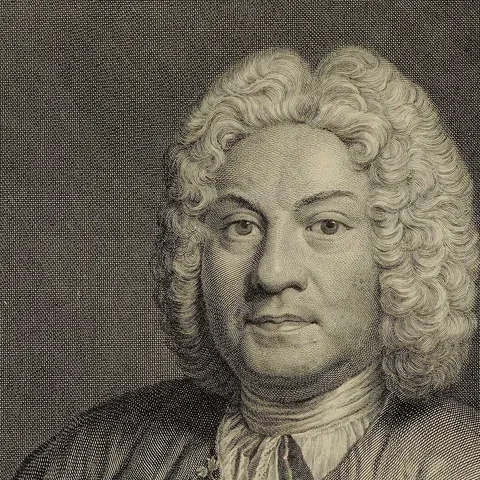
クープラン・published 1717
題名の意味はだれも知らない!やわらかく波打つ、なぞの名曲。
神秘的なバリケードのページへ
 MP3