
パッヘルベルのジーグ
Pachelbel's Gigue
パッヘルベル・c. 1680–1706
あの「カノン」には、はずむ相棒がいた!知られざる後半戦。
カノンとジーグ ニ長調 より「ジーグ」のページへ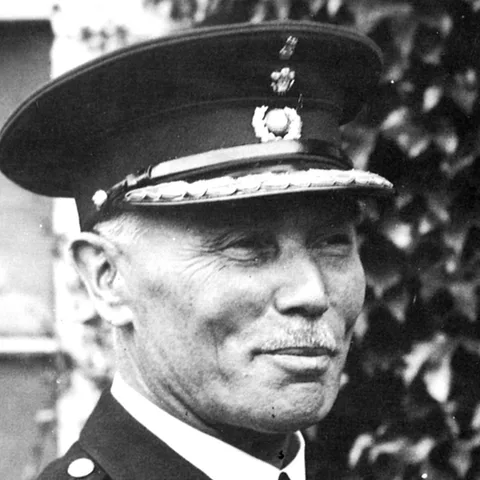
March · · 1914
ケネス・J・アルフォード(本名フレデリック・ジョゼフ・リケッツ)(1881–1945)
ゴルフ場の口笛から生まれた!?世界的に有名な「口笛マーチ」。Born from a whistle on a golf course? One of the world's best-known whistling marches.
PUBLIC DOMAIN RECORDING
PD / CC0 無料でダウンロードOK 別の演奏で聴く 1:USN Band
ANOTHER RECORDING 1
PD / CC0 別の演奏で聴く 2:Kenneth AlfordANOTHER RECORDING 2
PD / CC0WATCH ON YOUTUBE
 Colonel Bogey March | U.S. Navy Band
United States Navy Band(YouTube) YouTube で開く ↗
ALFORD Colonel Bogey March - "The President's Own" United States Marine Band
United States Marine Band(YouTube) YouTube で開く ↗
左の音源は権利が切れた録音なのでダウンロードできます。右の動画は YouTube の公式の埋め込みで見るもので、ダウンロードはできません(動画の権利は各チャンネルにあります)。
 もっと名演を観る YouTube で何百万回も再生された人気の演奏
Colonel Bogey "The River Kwai March" - HM Royal Marine Band - See Description for music!
Jim Ramsay(YouTube) YouTube で開く ↗
Colonel Bogey March
Boston Pops Orchestra - Topic(YouTube) YouTube で開く ↗
Colonel Bogey March (Original)
Kaj Simons(YouTube) YouTube で開く ↗

ホー!作曲者の「アルフォード」はペンネーム。本名はリケッツという軍楽隊長なんだ。
 この曲のおはなし The Story
「ボギー大佐」は、1914年に発表されたイギリスの行進曲です。作曲したのは、イギリス陸軍の軍楽隊長フレデリック・ジョセフ・リケッツ。軍人が軍の外で音楽の仕事をすることはあまり歓迎されなかったため、「ケネス・J・アルフォード」というペンネームで出版しました。リケッツはのちに、プリマスの王立海兵隊の音楽隊長にもなっています。Colonel Bogey is a British march published in 1914. It was written by Frederick Joseph Ricketts, a British Army bandmaster. Members of the armed forces were discouraged from having careers outside the military, so he published it under the pen name Kenneth J. Alford. Ricketts later became Director of Music of the Royal Marines at Plymouth.
題名の「ボギー大佐」は、19世紀の終わりごろのゴルフで使われた「架空の標準的な対戦相手」の名前です。今でもゴルフでは、パーより1打多いことを「ボギー」と言います。曲のはじまりの、下がる2つの音は、「フォア!(危ない!)」とさけぶかわりに口笛を吹いたゴルフ好きの軍人がヒントになった、という説があります。'Colonel Bogey' was the name of an imaginary 'standard opponent' in golf in the late 19th century. Even today, a 'bogey' in golf means one stroke over par. There is a theory that the two falling notes at the start came from a British officer who whistled them on the golf course instead of shouting 'Fore!'
この曲は1930年代にはすでに大ヒットしていましたが、1957年の映画『戦場にかける橋』で、さらに世界中に知られるようになりました。捕虜になったイギリス兵たちが、口笛でこの曲を吹きながら行進する場面は、映画史に残る名場面です。映画のために作曲家マルコム・アーノルドが別の行進曲「クワイ河マーチ」を書いたため、2つの曲はよく混同されています。The march was already a big hit by the 1930s, and the 1957 film The Bridge on the River Kwai made it even more famous around the world. British prisoners of war whistle it as they march, in a famous scene in film history. For the film, the composer Malcolm Arnold also wrote a separate march called 'The River Kwai March,' so the two pieces are often confused.
This march comes from England. Its name comes from golf! In a famous movie, soldiers whistle this tune. Many children in Japan know it from a funny song. Try to whistle the first notes!この行進曲はイギリスから来ました。題名はゴルフから来ています!有名な映画で、兵士たちがこの曲を口笛で吹きます。日本の多くの子どもたちは、おもしろい替え歌で知っています。最初の音を口笛で吹いてみよう!
 聴きどころ Listening Guide
 えっ!?ネタ Surprising Facts
 タップすると答えが開きます
映画『戦場にかける橋』で兵士たちが歌わずに口笛を吹くのは、監督デヴィッド・リーンが口笛にこだわったからだと言われています。この曲には、兵士たちの間で広まった、映画の検閲を通らないような替え歌の歌詞があったためです。
In The Bridge on the River Kwai, the soldiers whistle instead of singing. It is said that the director, David Lean, insisted on whistling because the lyrics soldiers sang to the tune would never have passed the film censors.
1951年、オーストラリアの初期のコンピューター「CSIRAC(シライアック)」が初めて演奏した音楽が、この「ボギー大佐」だったとされています。コンピューターで音楽を鳴らした、世界でもとくに早い例の1つです。軍楽隊のマーチが、電子音楽の歴史にも名前を残したのです。
In 1951, the early Australian computer CSIRAC is said to have played 'Colonel Bogey' as its first music. It is one of the earliest examples in the world of a computer playing music. A military band march also has a place in the history of electronic music.
日本では、このメロディーに「サル、ゴリラ、チンパンジー」という言葉をのせた替え歌が、子どもたちの間でよく知られています。題名を知らなくても、歌えば「あ、あの曲!」となる人も多いはず。イギリスの軍楽隊のマーチが、日本では遊び歌として生き続けているのです。
In Japan, many children know a funny version of this tune with the words 'saru, gorira, chinpanjii' (monkey, gorilla, chimpanzee). Even people who don't know the title say, 'Oh, that song!' A British military march lives on in Japan as a playground song.
この曲は『戦場にかける橋』のほかにも、ヒッチコック監督の映画『バルカン超特急』(1938年)や、青春映画『ブレックファスト・クラブ』(1985年)、アニメ『ザ・シンプソンズ』など、数えきれないほどの作品に登場しています。一度聴いたら忘れられないメロディーの力ですね。
Besides The Bridge on the River Kwai, this march appears in countless works, such as Alfred Hitchcock's The Lady Vanishes (1938), The Breakfast Club (1985), and The Simpsons. That is the power of a tune you can never forget.
ENGLISH × MASTERPIECE
 上くちびるをふるわせない、という意味から。つらいときも感情を顔に出さず、平気な顔をすることです。
 この曲で覚える英単語 Words
 クイズに挑戦 Quiz
 この録音について(著作権・出典) Credits
MORE MASTERPIECES
パッヘルベル・c. 1680–1706
あの「カノン」には、はずむ相棒がいた!知られざる後半戦。
カノンとジーグ ニ長調 より「ジーグ」のページへシャルパンティエ・c. 1688–1698
パンパカパーン!ヨーロッパのテレビの幕開けを飾ってきた、ごうかな前奏曲。
テ・デウム ニ長調のページへ
パーセル・1695
ブリテンが「オーケストラ入門」のテーマに選んだ、かっこいいメロディー。
劇音楽「アブデラザール」より ロンドのページへ
バッハ・c. 1704 (?)
タラリ〜!一度聴いたら忘れない、オルガンの大迫力の幕開け。
トッカータとフーガ ニ短調のページへバッハ・c. 1707–1710 (?)
キラキラの駆け上がりで幕開け!若きバッハのはなやかな鍵盤ショー。
トッカータ ニ長調のページへ
ヴィヴァルディ・published 1711
2本のヴァイオリンが火花を散らす!バッハも編曲した熱い協奏曲。
協奏曲集『調和の霊感』第8番 イ短調(2つのヴァイオリンのための協奏曲)のページへヴィヴァルディ・c. 1715
オクターブがぴょんぴょん跳ねる!喜びがはじける合唱の名曲。
グローリア ニ長調のページへ
テレマン・c. 1710–1720 (?)
バルブのないラッパで高音をきらり!バロックのトランペットの晴れ舞台。
トランペット協奏曲 ニ長調のページへ
 MP3