ボギー大佐
Colonel Bogey
アルフォード・1914
ゴルフ場の口笛から生まれた!?世界的に有名な「口笛マーチ」。
ボギー大佐のページへLate Romantic & Modern · 1881–1945
「イギリスのマーチ王」The British March King
 ロンドン(イギリス)
 レーゲイト(イギリス、サリー州)1 曲を収録
ゴルフ場の口笛がきっかけと伝わる、世界的に有名な口笛マーチを生んだ軍楽隊長。A bandmaster whose world-famous whistling march is said to have begun with a golfer's whistle.
 アルフォードの名曲を聴く
アルフォード・1914
ゴルフ場の口笛から生まれた!?世界的に有名な「口笛マーチ」。
ボギー大佐のページへ
ホー!「アルフォード」はペンネーム。本当の名前はリケッツさんなんだ。
 生涯 Life Story
ケネス・J・アルフォードの本名は、フレデリック・ジョゼフ・リケッツといいます。1881年2月21日、イギリスのロンドン東部ラトクリフに生まれました。1895年、14歳でロイヤル・アイリッシュ連隊に「バンド・ボーイ(少年軍楽隊員)」として入り、のちに連隊の楽団の一員になりました。ここから、50年近い軍楽の人生が始まります。Kenneth J. Alford's real name was Frederick Joseph Ricketts. He was born on 21 February 1881 in Ratcliff, in east London. In 1895, at fourteen, he joined the Royal Irish Regiment as a band boy, and later became a member of the regimental band. This was the start of almost fifty years in military music.
1904年から1906年まで、王立陸軍音楽学校で学び、そのまま礼拝堂のオルガン奏者などをつとめました。1908年には、スコットランドのアーガイル・アンド・サザーランド・ハイランダーズ第2大隊の軍楽隊長になります。スコットランドのフォート・ジョージにいたころに書き、1914年に出版したのが、行進曲「ボギー大佐」です。From 1904 to 1906 he studied at the Royal Military School of Music at Kneller Hall, and stayed on as chapel organist and assistant to the director. In 1908 he became bandmaster of the 2nd Battalion of the Argyll and Sutherland Highlanders, a Scottish regiment. While stationed at Fort George in Scotland, he wrote the march 'Colonel Bogey', which was published in 1914.
当時、軍の幹部が仕事以外でお金をかせぐことは好まれなかったため、彼は「ケネス・J・アルフォード」というペンネームで曲を出版しました。彼の楽団は人気が高く、1925年にはニュージーランドまで演奏旅行をしています。1927年には王立海兵隊に移って士官になり、まずディールで働きました。1930年から1944年に引退するまでは、プリマスの軍楽隊を率いました。Officers were discouraged from earning money outside their duties, so he published his music under the pen name Kenneth J. Alford. His band was very popular and even toured New Zealand in 1925. In 1927 he moved to the Royal Marines, was commissioned as an officer and was first posted to Deal. From 1930 until he retired in 1944, he led the band of the Plymouth Division.
1944年、体をこわして引退し、翌1945年、がんの手術のあと、サリー州レーゲイトの自宅で64歳で亡くなりました。その後、1957年の映画「戦場にかける橋」で、捕虜の兵士たちが「ボギー大佐」を口笛で吹きながら行進する場面が登場し、この曲は世界中で知られるようになりました。今では「イギリスのマーチ王」とよばれています。He retired through ill health in 1944, and in 1945 he died at his home in Reigate, Surrey, after an operation for cancer. He was 64. In the 1957 film The Bridge on the River Kwai, prisoners of war whistle 'Colonel Bogey' as they march, and the tune became famous all over the world. Today he is known as 'the British March King'.
Kenneth J. Alford was a British army band leader. His real name was Frederick Ricketts. He wrote the march Colonel Bogey. In a famous film, soldiers whistle this march. Now people all over the world know it.ケネス・J・アルフォードは、イギリス軍の楽団のリーダーでした。本当の名前はフレデリック・リケッツでした。彼は行進曲「ボギー大佐」を書きました。有名な映画の中で、兵士たちがこの行進曲を口笛で吹きます。今では世界中の人々がこの曲を知っています。
 これだけは!鉄板情報 Must-Know Facts
 あっと驚くネタ Surprising Stories
 タップすると答えが開きます
「ケネス・J・アルフォード」という名前は、長男の名前「ケネス」、自分のミドルネーム「ジョゼフ」、そして母の旧姓「アルフォード」を組み合わせたものです。家族の名前で作った、愛情のこもったペンネームだったのです。
The name 'Kenneth J. Alford' combined his eldest son's name, Kenneth, his own middle name, Joseph, and his mother's maiden name, Alford. It was a pen name built from the names of his family.
彼の妻が1958年に書き残したところによると、ゴルフ場で、ある人が「フォア!(危ない!)」とさけぶかわりに、短いメロディーを口笛で吹きました。それにリケッツが続きのメロディーを口笛で返したのが、「ボギー大佐」の始まりだったそうです。口笛の主が本当に大佐だったのかはわかっていません。
According to a note his widow wrote in 1958, a golfer on a course whistled a couple of notes instead of shouting 'Fore!', and Ricketts whistled back the next few notes. That was the beginning of 'Colonel Bogey'. Whether the whistler was really a colonel is not known.
1957年の映画「戦場にかける橋」では、捕虜になったイギリス兵たちが、ぼろぼろの姿でも胸をはって「ボギー大佐」を口笛で吹きながら行進します。映画はアカデミー賞7部門を受賞する大ヒットとなり、この口笛のメロディーは世界中で知られるようになりました。
In the 1957 film The Bridge on the River Kwai, British prisoners of war march proudly, in rags, whistling 'Colonel Bogey'. The film was a huge hit that won seven Academy Awards, and the whistled tune became known around the world.
日本では、映画で使われたこのメロディーに「サル、ゴリラ、チンパンジー」という楽しい替え歌がつけられ、子どもたちのあいだで歌いつがれてきました。もとが軍の行進曲だと知っている人は、意外と少ないかもしれません。
In Japan, children have long sung this tune from the film with funny new words: 'Saru, gorira, chinpanjii' (monkey, gorilla, chimpanzee). Not many people know it started life as a military march!
アルフォードの行進曲は、ほかの映画でも使われています。1917年の行進曲「砲声」は、1962年の名作映画「アラビアのロレンス」に登場します。どちらの映画も、監督はイギリスのデヴィッド・リーンです。
Alford's marches appear in other films too. His 1917 march 'The Voice of the Guns' is heard in the 1962 classic Lawrence of Arabia. Both that film and The Bridge on the River Kwai were directed by David Lean.
アルフォードは、当時まだ新しかったサクソフォンを軍楽隊でさかんに使い、その地位を確かなものにするのに役立ちました。また、スコットランドのバグパイプと楽団がいっしょに演奏する編曲も、早い時期から手がけています。
Alford made great use of the saxophone, still a fairly new instrument then, and helped secure its place in military bands. He was also one of the first to write arrangements for Scottish bagpipes playing together with a band.
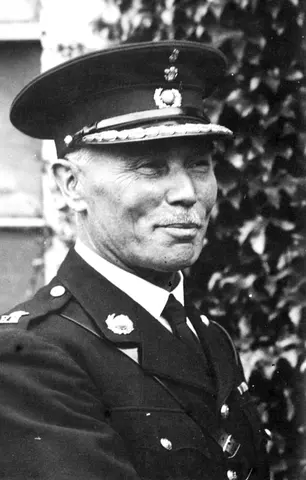
 肖像画・写真・自筆譜 Gallery (Public Domain)
Wikimedia Commons でパブリックドメイン(または CC0)と確認した画像です。クリックで拡大。
 年表 Timeline
 アルフォードで覚える英単語 Words
 クイズに挑戦 Quiz
MORE COMPOSERS

 MP3