
SPACE WORDS
宇宙英単語帳 240語
NASA のニュースや宇宙飛行士の会話に出てくる英単語を、例文と日本語訳つきで。🔊 で英語の発音も聞けます。カテゴリやレベルで絞りこんで、フラッシュカードで覚えよう。

-
かんたん
space
宇宙名詞
I want to go to space someday.
いつか宇宙へ行きたいです。
-
ふつう
universe
宇宙(全体)名詞
The universe is about 13.8 billion years old.
宇宙の年齢はおよそ138億年です。
-
かんたん
planet
惑星名詞
Earth is the planet we live on.
地球はわたしたちが住む惑星です。
-
かんたん
star
星・恒星名詞
The Sun is a star.
太陽は恒星です。
-
かんたん
sky
空名詞
The night sky is full of stars.
夜空は星でいっぱいです。
-
かんたん
night
夜名詞
We can see the Moon at night.
夜に月を見ることができます。
-
かんたん
light
光名詞
Sunlight reaches Earth in about eight minutes.
太陽の光は約8分で地球に届きます。
-
かんたん
dark
暗い形容詞
Space looks very dark.
宇宙はとても暗く見えます。
-
かんたん
bright
明るい形容詞
Venus is very bright in the evening sky.
金星は夕方の空でとても明るく見えます。
-
かんたん
shine
輝く・光る動詞
The stars shine all night.
星は一晩中輝いています。
-
ふつう
twinkle
(星が)またたく動詞
Stars twinkle because of Earth's air.
星がまたたくのは地球の空気のせいです。
-
ふつう
distance
距離名詞
The distance to the Moon is about 384,000 kilometers.
月までの距離は約38万4000キロメートルです。
-
かんたん
far
遠い形容詞
Neptune is very far from the Sun.
海王星は太陽からとても遠いです。
-
ふつう
explore
探検する・探査する動詞
Robots explore Mars for us.
ロボットがわたしたちのかわりに火星を探査します。
-
ふつう
discover
発見する動詞
Scientists discovered water ice on the Moon.
科学者は月で水の氷を発見しました。
-
ふつう
observe
観測する動詞
We observed Saturn's rings with a telescope.
望遠鏡で土星の環を観測しました。
-
ふつう
mission
ミッション・任務名詞
The mission lasted about ten days.
そのミッションは約10日間続きました。
-
かんたん
science
科学・理科名詞
Science helps us understand space.
科学は宇宙を理解するのに役立ちます。
-
かんたん
scientist
科学者名詞
The scientist studies the stars.
その科学者は星を研究しています。
-
かんたん
future
未来名詞
People may live on the Moon in the future.
未来には人が月に住むかもしれません。
-
かんたん
dream
夢名詞
My dream is to become an astronaut.
わたしの夢は宇宙飛行士になることです。
-
かんたん
alien
宇宙人名詞
Do you think aliens are out there?
宇宙人はいると思いますか。
-
ふつう
life
生命名詞
Scientists look for life on other worlds.
科学者は地球以外の天体で生命を探しています。
-
ふつう
huge
巨大な形容詞
Jupiter is a huge planet.
木星は巨大な惑星です。
-
ふつう
outer space
宇宙空間フレーズ
There is no air in outer space.
宇宙空間には空気がありません。
-
かんたん
shooting star
流れ星名詞
I saw a shooting star last night.
昨日の夜、流れ星を見ました。
-
かんたん
wish
願う・願いごと動詞
Make a wish on a shooting star!
流れ星に願いごとをしよう!
-
ふつう
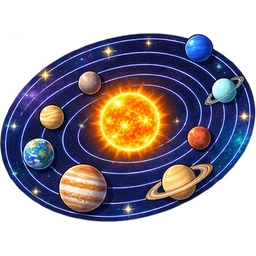
solar system
太陽系名詞
There are eight planets in our solar system.
太陽系には8つの惑星があります。
-
かんたん
Sun
太陽名詞
The Sun gives us light and heat.
太陽はわたしたちに光と熱をくれます。
-
かんたん
Mercury
水星名詞
Mercury is the closest planet to the Sun.
水星は太陽にいちばん近い惑星です。
-
かんたん
Venus
金星名詞
Venus is the hottest planet.
金星はいちばん熱い惑星です。
-
かんたん
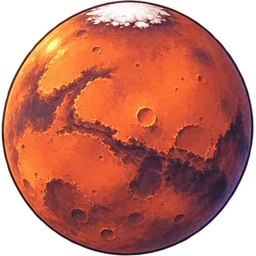
Mars
火星名詞
Mars is called the Red Planet.
火星は「赤い惑星」と呼ばれています。
-
かんたん
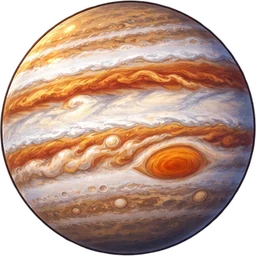
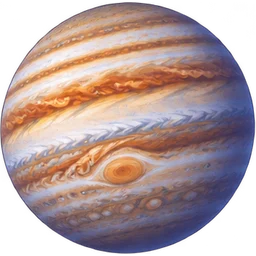
Jupiter
木星名詞
Jupiter is the biggest planet.
木星はいちばん大きな惑星です。
-
かんたん
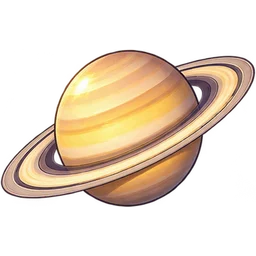
Saturn
土星名詞
Saturn has beautiful rings.
土星には美しい環があります。
-
ふつう
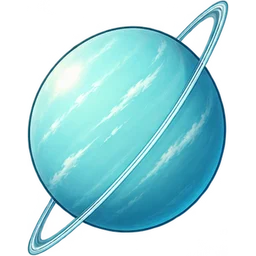
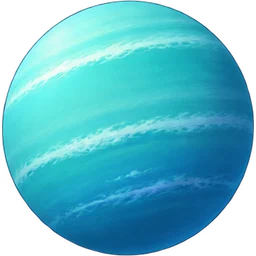
Uranus
天王星名詞
Uranus spins on its side.
天王星は横だおしのまま自転しています。
-
ふつう
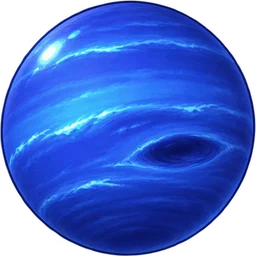
Neptune
海王星名詞
Neptune is the farthest planet from the Sun.
海王星は太陽からいちばん遠い惑星です。
-
かんたん
Pluto
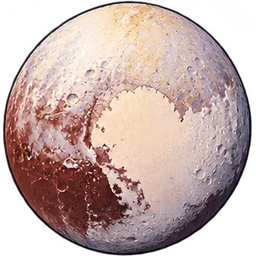
冥王星名詞
Pluto is a dwarf planet.
冥王星は準惑星です。
-
むずかしい
dwarf planet
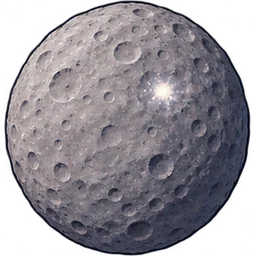
準惑星名詞
Ceres is a dwarf planet in the asteroid belt.
ケレスは小惑星帯にある準惑星です。
-
ふつう
orbit
(軌道を)回る・軌道動詞
Earth orbits the Sun once a year.
地球は1年に1回、太陽のまわりを回ります。
-
ふつう
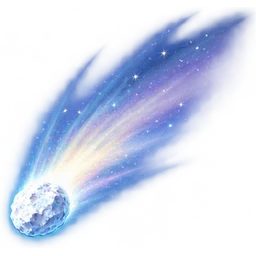
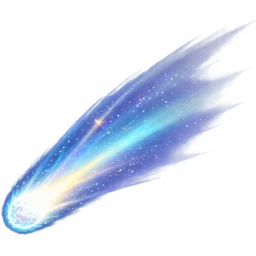
comet
彗星(すいせい)名詞
A comet has a long, bright tail.
彗星には長く明るい尾があります。
-
ふつう
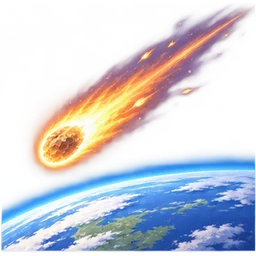
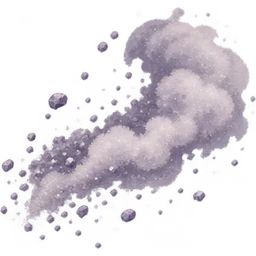
meteor
流星名詞
A meteor burns up in Earth's air.
流星は地球の大気の中で燃えつきます。
-
むずかしい
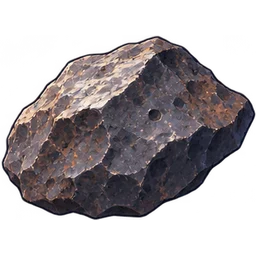
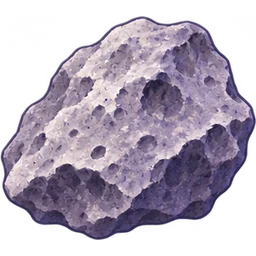
meteorite
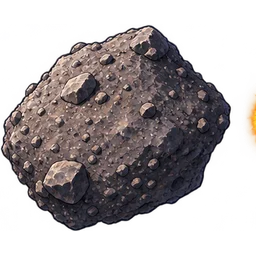
隕石名詞
This meteorite fell from space.
この隕石は宇宙から落ちてきました。
-
ふつう
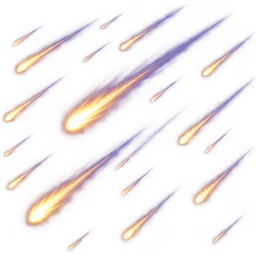
meteor shower
流星群名詞
The Perseid meteor shower peaks in August.
ペルセウス座流星群は8月に見ごろをむかえます。
-
ふつう
asteroid
小惑星名詞
Hayabusa2 brought back pieces of an asteroid.
「はやぶさ2」は小惑星のかけらを持ち帰りました。
-
むずかしい
asteroid belt
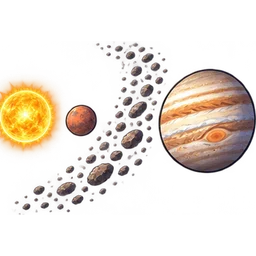
小惑星帯名詞
The asteroid belt lies between Mars and Jupiter.
小惑星帯は火星と木星の間にあります。
-
かんたん
ring
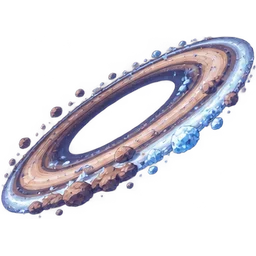
環(わ)名詞
Saturn's rings are made of ice and rock.
土星の環は氷と岩でできています。
-
ふつう
Red Planet
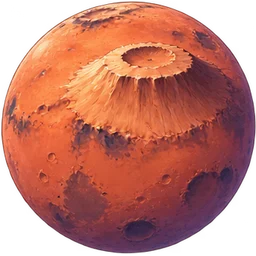
赤い惑星(火星)フレーズ
The Red Planet has the tallest volcano we know.
赤い惑星には、知られている中でいちばん高い火山があります。
-
むずかしい
gas giant
巨大ガス惑星名詞
Jupiter and Saturn are gas giants.
木星と土星は巨大ガス惑星です。
-
むずかしい
ice giant
巨大氷惑星名詞
Uranus and Neptune are ice giants.
天王星と海王星は巨大氷惑星です。
-
むずかしい
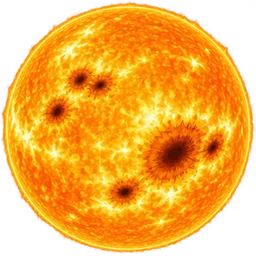
sunspot
黒点名詞
Sunspots are cooler, darker areas on the Sun.
黒点は太陽の表面で温度が低く暗い部分です。
-
むずかしい
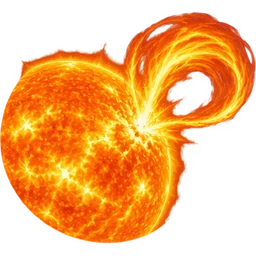
solar flare
太陽フレア名詞
A big solar flare can disturb radio signals.
大きな太陽フレアは無線通信を乱すことがあります。
-
むずかしい
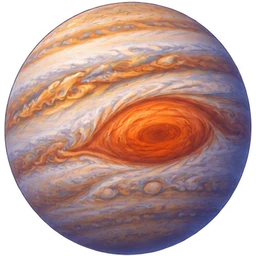
Great Red Spot
大赤斑(だいせきはん)名詞
The Great Red Spot is a giant storm on Jupiter.
大赤斑は木星にある巨大な嵐です。
-
ふつう
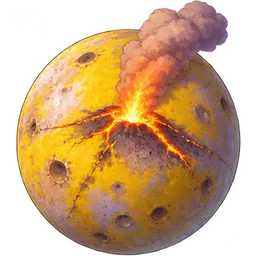
volcano
火山名詞
Io has hundreds of active volcanoes.
イオには活動している火山が何百もあります。
-
ふつう
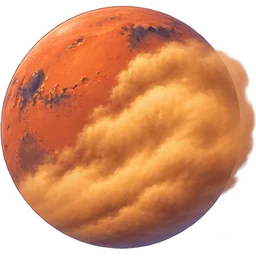
dust storm
砂嵐名詞
Dust storms on Mars can cover the whole planet.
火星の砂嵐は惑星全体をおおうことがあります。
-
ふつう
tail
尾名詞
A comet's tail points away from the Sun.
彗星の尾は太陽と反対の方向にのびます。
-
ふつう
galaxy
銀河名詞
Our galaxy has hundreds of billions of stars.
わたしたちの銀河には何千億もの星があります。
-
かんたん
Milky Way
天の川・天の川銀河名詞
We live in the Milky Way galaxy.
わたしたちは天の川銀河に住んでいます。
-
ふつう
constellation
星座名詞
Orion is a famous winter constellation.
オリオン座は有名な冬の星座です。
-
むずかしい
nebula
星雲名詞
New stars are born inside a nebula.
星雲の中で新しい星が生まれます。
-
ふつう
black hole
ブラックホール名詞
Not even light can escape a black hole.
ブラックホールからは光さえ逃げられません。
-
ふつう
light-year
光年名詞
Sirius is about 8.6 light-years away.
シリウスは約8.6光年はなれています。
-
むずかしい
supernova
超新星名詞
A supernova is a giant star exploding.
超新星は巨大な星の爆発です。
-
むずかしい
star cluster
星団名詞
A star cluster is a big family of stars.
星団は星の大家族です。
-
ふつう
Big Dipper
北斗七星名詞
The Big Dipper helps you find the North Star.
北斗七星を使うと北極星を見つけられます。
-
ふつう
North Star
北極星名詞
The North Star stays almost still in the sky.
北極星は空でほとんど動きません。
-
むずかしい
red giant
赤色巨星名詞
Someday the Sun will become a red giant.
いつか太陽は赤色巨星になります。
-
むずかしい
white dwarf
白色矮星名詞
Sirius has a small white dwarf partner.
シリウスには小さな白色矮星の相棒がいます。
-
むずかしい
neutron star
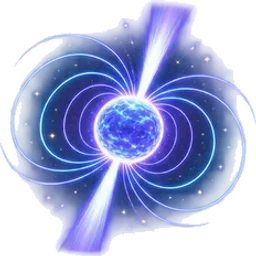
中性子星名詞
A neutron star is only about as wide as a city.
中性子星の大きさは、都市ひとつ分くらいしかありません。
-
ふつう
Big Bang
ビッグバン名詞
The universe began with the Big Bang.
宇宙はビッグバンから始まりました。
-
むずかしい
exoplanet
系外惑星名詞
Astronomers have found thousands of exoplanets.
天文学者は何千もの系外惑星を見つけています。
-
むずかしい
dark matter
暗黒物質(ダークマター)名詞
Nobody has seen dark matter directly.
ダークマターを直接見た人はいません。
-
ふつう
Summer Triangle
夏の大三角名詞
Vega, Altair and Deneb make the Summer Triangle.
ベガ、アルタイル、デネブで夏の大三角ができます。
-
ふつう
Pleiades
プレアデス星団(すばる)名詞
In Japan, the Pleiades are called Subaru.
日本ではプレアデス星団を「すばる」と呼びます。
-
かんたん
Orion
オリオン座名詞
Orion has three stars in a row.
オリオン座には3つの星が一列にならんでいます。
-
ふつう
Andromeda Galaxy
アンドロメダ銀河名詞
The Andromeda Galaxy is about 2.5 million light-years away.
アンドロメダ銀河は約250万光年はなれています。
-
ふつう
spiral
うずまき形の形容詞
The Milky Way is a spiral galaxy.
天の川銀河はうずまき形の銀河です。
-
かんたん
Sirius
シリウス名詞
Sirius is the brightest star in the night sky.
シリウスは夜空でいちばん明るい恒星です。
-
ふつう
Betelgeuse
ベテルギウス名詞
Betelgeuse is a red supergiant in Orion.
ベテルギウスはオリオン座の赤色超巨星です。
-
ふつう
Vega
ベガ(織姫星)名詞
In Japan, Vega is the star Orihime.
日本ではベガは織姫星です。
-
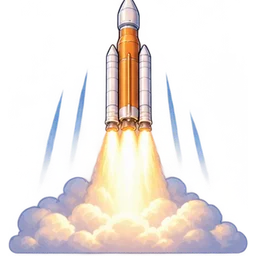
かんたん
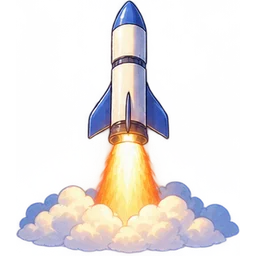
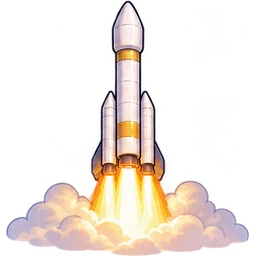
rocket
ロケット名詞
The rocket roared into the sky.
ロケットはごう音を立てて空へ飛んでいきました。
-
ふつう
spacecraft
宇宙船・探査機名詞
The spacecraft flew past the Moon.
宇宙船は月のそばを通り過ぎました。
-
かんたん
launch
打ち上げる動詞
They will launch the rocket tomorrow.
明日ロケットを打ち上げます。
-
ふつう
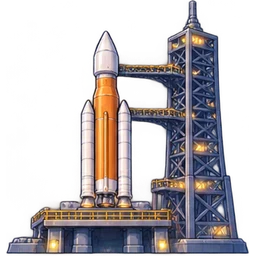
launch pad
発射台名詞
The rocket waits on the launch pad.
ロケットは発射台で待っています。
-
かんたん
countdown
カウントダウン名詞
The countdown started: ten, nine, eight...
カウントダウンが始まりました。10、9、8……
-
ふつう
fuel
燃料名詞
Rockets need a lot of fuel.
ロケットにはたくさんの燃料が必要です。
-
かんたん
engine
エンジン名詞
The engines fired for eight minutes.
エンジンは8分間燃えました。
-
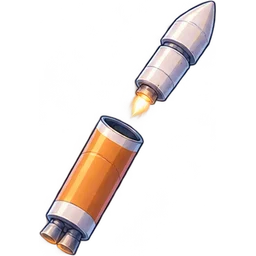
むずかしい
booster
ブースター(補助ロケット)名詞
The boosters fall away after about two minutes.
ブースターは約2分後に切りはなされます。
-
むずかしい
stage
(ロケットの)段名詞
The first stage separated from the rocket.
1段目がロケットから切りはなされました。
-
むずかしい
thrust
推力名詞
Thrust pushes the rocket upward.
推力がロケットを上へおし上げます。
-
むずかしい
ignition
点火名詞
Ignition! The engines are burning.
点火!エンジンが燃えています。
-
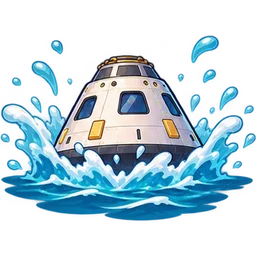
ふつう
splashdown
着水名詞
The capsule made a splashdown in the ocean.
カプセルは海に着水しました。
-
むずかしい
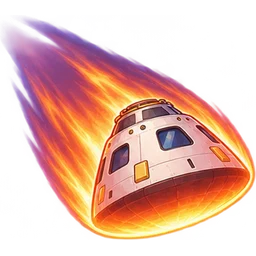
re-entry
大気圏再突入名詞
The capsule gets very hot during re-entry.
再突入のとき、カプセルはとても熱くなります。
-
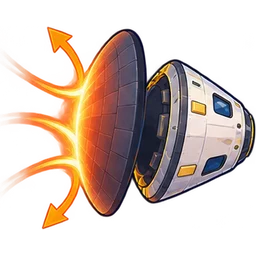
むずかしい
heat shield
耐熱シールド名詞
The heat shield protects the crew.
耐熱シールドが乗組員を守ります。
-
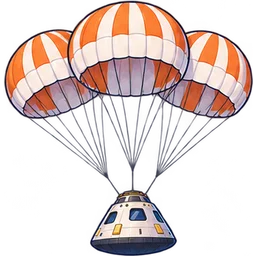
ふつう
parachute
パラシュート名詞
Three big parachutes opened above the ocean.
海の上で3つの大きなパラシュートが開きました。
-
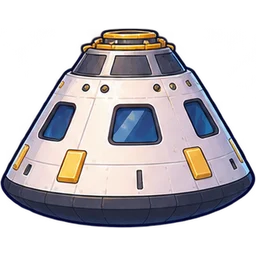
ふつう
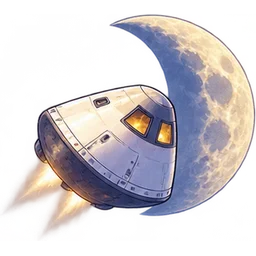
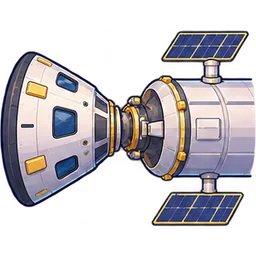
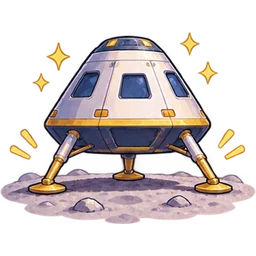
capsule
カプセル名詞
Four astronauts rode in the capsule.
4人の宇宙飛行士がカプセルに乗りました。
-
むずかしい
module
モジュール名詞
The station is built from many modules.
宇宙ステーションはたくさんのモジュールでできています。
-
むずかしい
dock
ドッキングする動詞
The spacecraft will dock with the station.
宇宙船は宇宙ステーションにドッキングします。
-
かんたん
land
着陸する動詞
The rover landed safely on Mars.
探査車は無事に火星に着陸しました。
-
ふつう
landing
着陸名詞
The first Moon landing was in 1969.
最初の月面着陸は1969年でした。
-
むずかしい
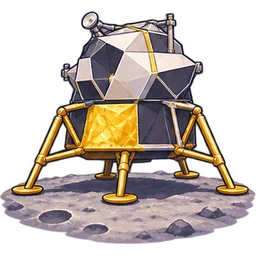
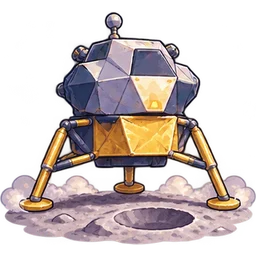
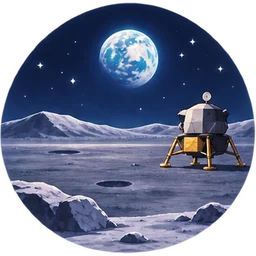
lander
着陸機名詞
The lander touched down near a crater.
着陸機はクレーターの近くに着陸しました。
-
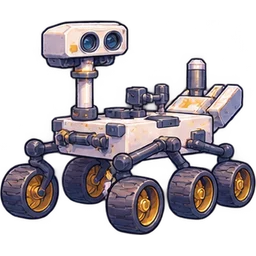
ふつう
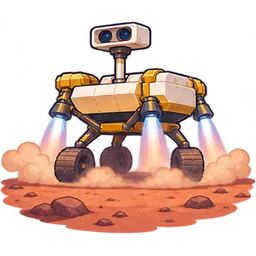
rover
探査車(ローバー)名詞
The rover drives slowly across Mars.
探査車は火星の上をゆっくり走ります。
-
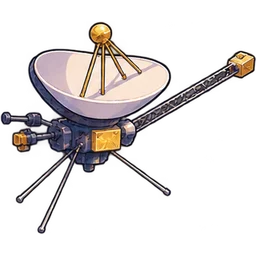
むずかしい
probe
探査機名詞
Voyager 1 is the farthest human-made probe.
ボイジャー1号は、人がつくったいちばん遠くにある探査機です。
-
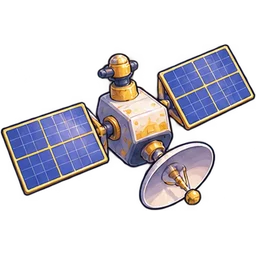
ふつう
satellite
人工衛星・衛星名詞
Weather satellites watch the clouds.
気象衛星は雲を見守っています。
-
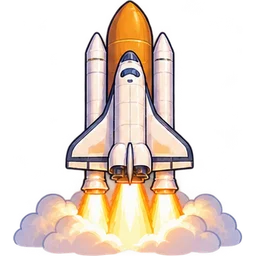
ふつう
space shuttle
スペースシャトル名詞
The space shuttle flew from 1981 to 2011.
スペースシャトルは1981年から2011年まで飛びました。
-
ふつう
cargo
貨物名詞
A cargo ship brought food to the station.
補給船が宇宙ステーションに食料を運びました。
-
むずかしい
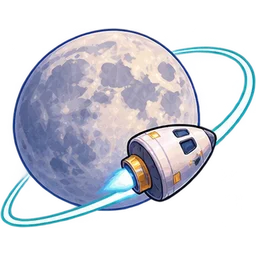
flyby
接近通過(フライバイ)名詞
Artemis II made a flyby of the Moon.
アルテミスIIは月のフライバイを行いました。
-
かんたん
blast off
飛び立つフレーズ
Three, two, one... blast off!
3、2、1……発射!
-
ふつう
touchdown
着地・着陸名詞
Everyone cheered at touchdown.
着陸の瞬間、みんなが歓声をあげました。
-
かんたん
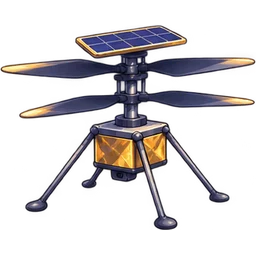
helicopter
ヘリコプター名詞
A small helicopter flew on Mars in 2021.
2021年、小さなヘリコプターが火星を飛びました。
-
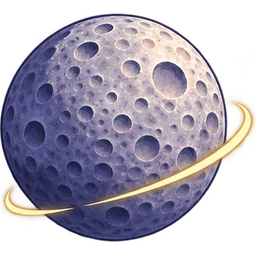
かんたん
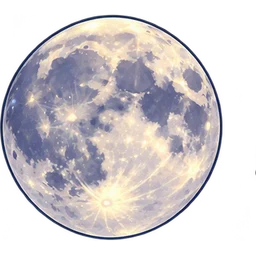
Moon
月名詞
The Moon goes around Earth.
月は地球のまわりを回っています。
-
ふつう
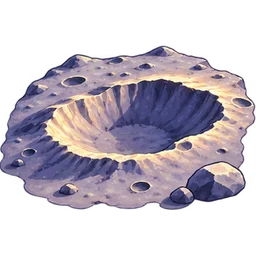
crater
クレーター名詞
The Moon is covered with craters.
月はクレーターでおおわれています。
-
かんたん
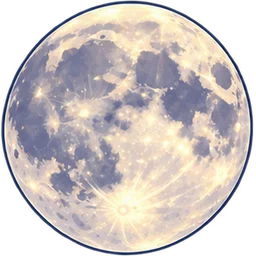
full moon
満月名詞
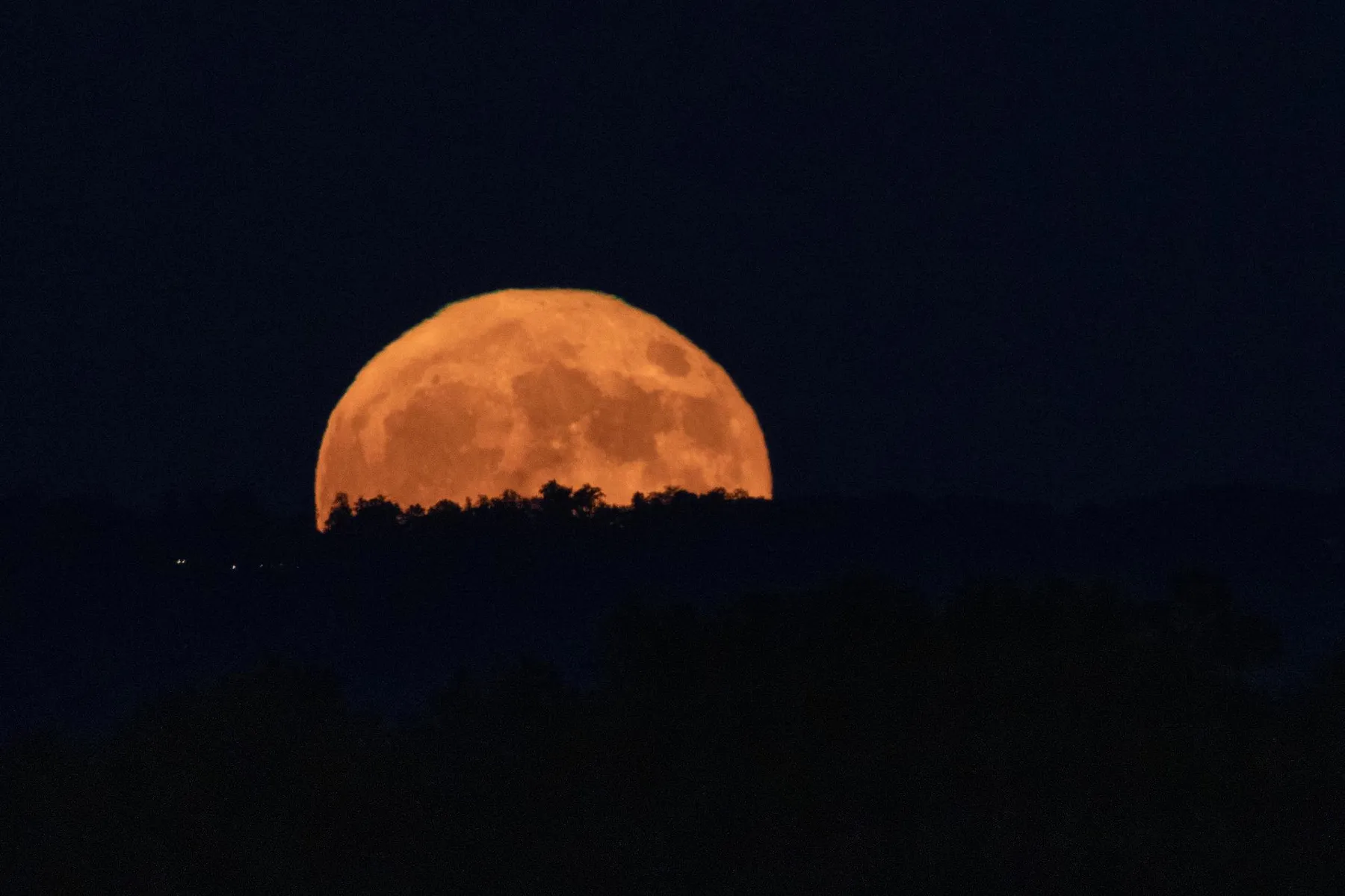
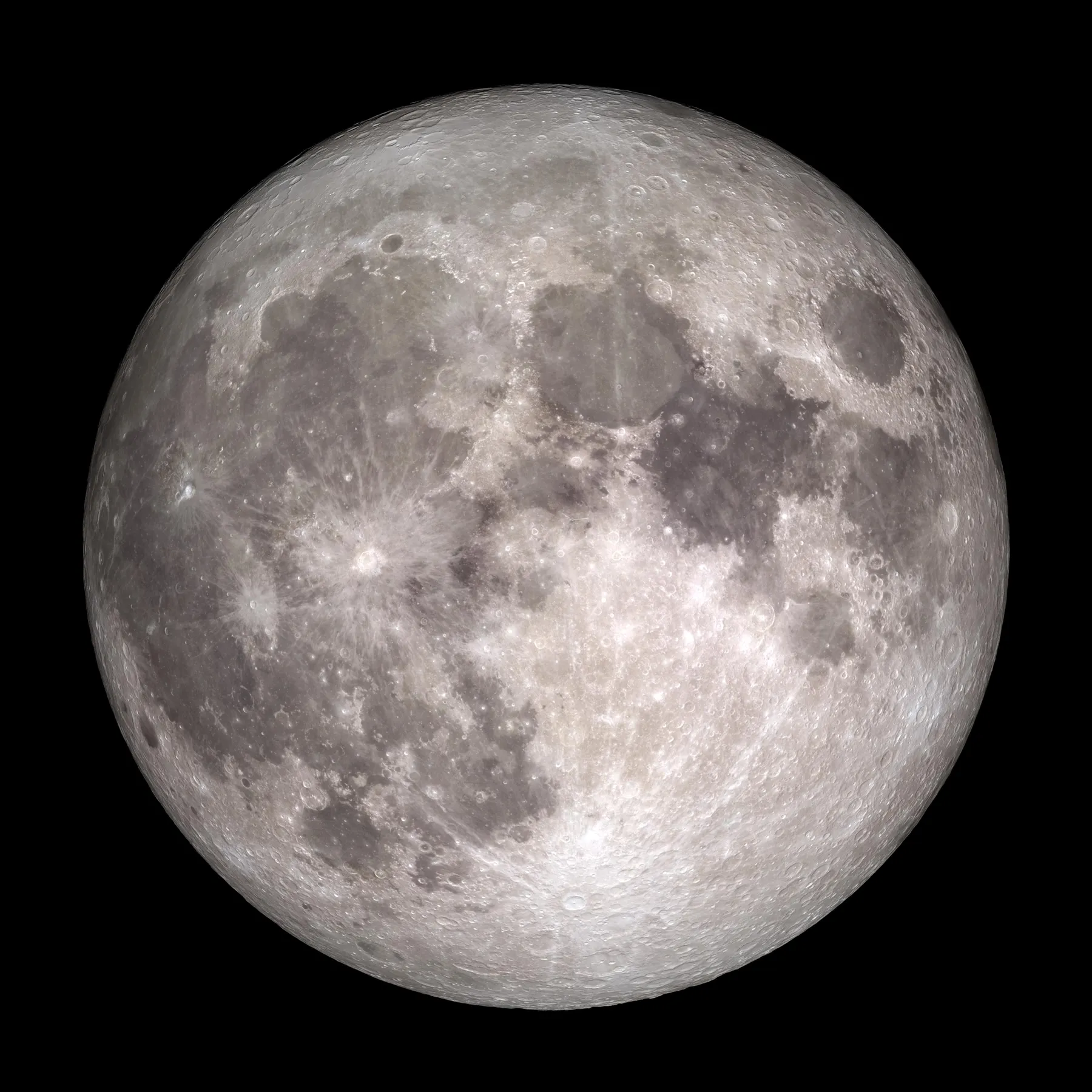
Tonight is a full moon.
今夜は満月です。
-
ふつう
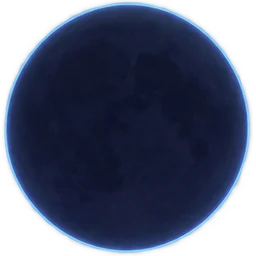
new moon
新月名詞
We cannot see the new moon.
新月は見ることができません。
-
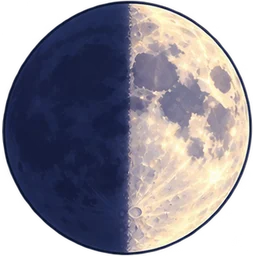
かんたん
half moon
半月名詞
We saw a half moon after sunset.
日がしずんだあと、半月が見えました。
-
ふつう
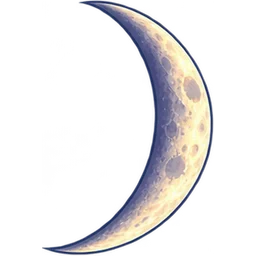
crescent moon
三日月名詞
A thin crescent moon hung in the west.
西の空に細い三日月がかかっていました。
-
むずかしい
lunar
月の形容詞
Lunar soil is called regolith.
月の土はレゴリスと呼ばれます。
-
むずかしい
far side
(月の)裏側名詞
We never see the far side of the Moon from Earth.
地球から月の裏側を見ることはできません。
-
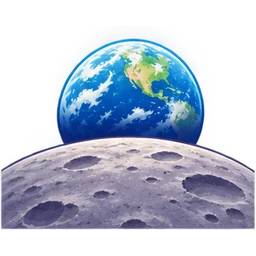
ふつう
Earthrise
地球の出名詞
Apollo 8 astronauts photographed Earthrise in 1968.
アポロ8号の宇宙飛行士は1968年に「地球の出」を撮影しました。
-
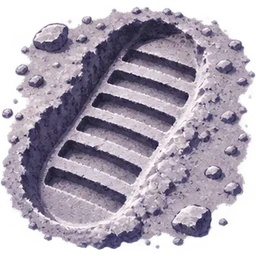
かんたん
footprint
足あと名詞
Footprints on the Moon can last a very long time.
月の足あとはとても長いあいだ残ります。
-
ふつう
moonwalk
月面歩行名詞
Only twelve people have walked on the Moon.
月面を歩いたことがある人は12人だけです。
-
むずかしい
lunar module
月着陸船名詞
The Apollo 11 lunar module was called Eagle.
アポロ11号の月着陸船は「イーグル」と呼ばれました。
-
かんたん
flag
旗名詞
The astronauts put a flag on the Moon.
宇宙飛行士たちは月に旗を立てました。
-
ふつう
sample
サンプル・試料名詞
Apollo brought back 382 kilograms of Moon samples.
アポロは382キログラムの月の試料を持ち帰りました。
-
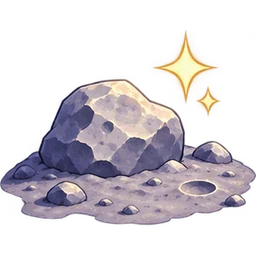
かんたん
rock
岩・石名詞
This Moon rock is billions of years old.
この月の石は何十億年も前のものです。
-
かんたん
dust
ちり・砂ぼこり名詞
Moon dust sticks to everything.
月の砂ぼこりは何にでもくっつきます。
-
むずかしい
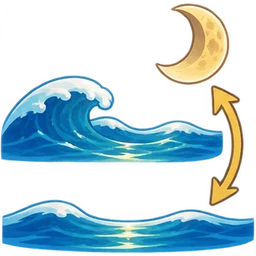
tide
潮の満ち引き名詞
The Moon's gravity causes the tides.
月の重力が潮の満ち引きを起こします。
-
むずかしい
Sea of Tranquility
静かの海名詞
Apollo 11 landed in the Sea of Tranquility.
アポロ11号は静かの海に着陸しました。
-
ふつう
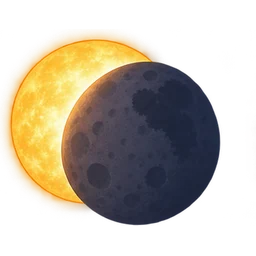
eclipse
食(日食・月食)名詞
An eclipse happens only at new moon or full moon.
食は新月か満月のときにしか起こりません。
-
ふつう
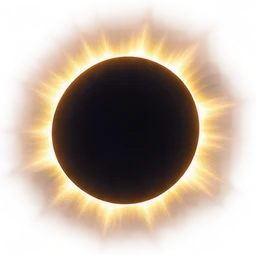
solar eclipse
日食名詞
The Moon hides the Sun in a solar eclipse.
日食では月が太陽をかくします。
-
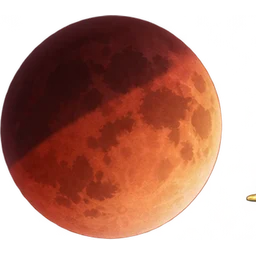
ふつう
lunar eclipse
月食名詞
The Moon can look red during a lunar eclipse.
月食のとき、月は赤く見えることがあります。
-
ふつう
Artemis
アルテミス計画名詞
Artemis will take people back to the Moon.
アルテミス計画は人をふたたび月へ送ります。
-
ふつう
Apollo
アポロ計画名詞
Apollo landed people on the Moon six times.
アポロ計画は6回、人を月に着陸させました。
-
かんたん
astronaut
宇宙飛行士名詞
The astronaut waved from the window.
宇宙飛行士が窓から手をふりました。
-
むずかしい
cosmonaut
(ロシアの)宇宙飛行士名詞
Yuri Gagarin was the first person in space.
ユーリ・ガガーリンは宇宙へ行った最初の人です。
-
ふつう
crew
乗組員名詞
The crew has four members.
乗組員は4人です。
-
ふつう
commander
船長・指揮官名詞
The commander is in charge of the crew.
船長は乗組員をまとめる責任者です。
-
かんたん
pilot
パイロット名詞
The pilot helps fly the spacecraft.
パイロットは宇宙船の操縦を手伝います。
-
ふつう
engineer
エンジニア・技術者名詞
Engineers built the rover by hand.
技術者たちは探査車を手作業で組み立てました。
-
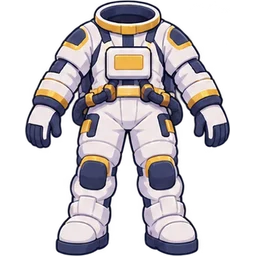
かんたん
spacesuit
宇宙服名詞
A spacesuit is like a small spaceship.
宇宙服は小さな宇宙船のようなものです。
-
かんたん
helmet
ヘルメット名詞
The helmet has a gold visor.
ヘルメットには金色のバイザーがついています。
-
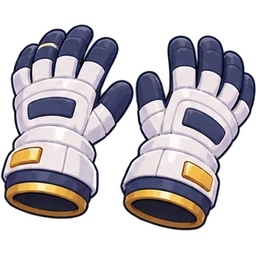
かんたん
gloves
手袋名詞
Spacesuit gloves are thick and stiff.
宇宙服の手袋は厚くてかたいです。
-
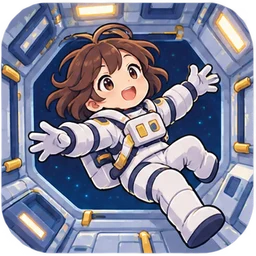
かんたん
float
浮かぶ動詞
Astronauts float inside the space station.
宇宙飛行士は宇宙ステーションの中で浮かびます。
-
むずかしい
weightless
無重量の形容詞
Everything feels weightless in orbit.
軌道上ではすべてが重さを感じません。
-
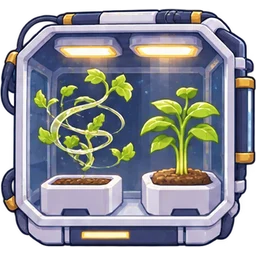
むずかしい
microgravity
微小重力名詞
Plants grow differently in microgravity.
微小重力では植物の育ち方がちがいます。
-
ふつう
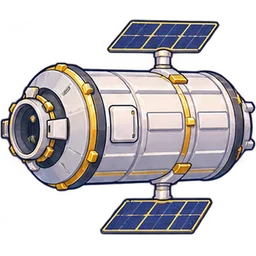
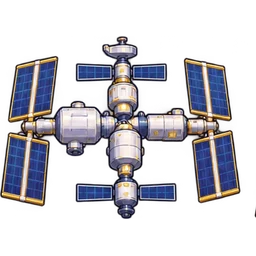
space station
宇宙ステーション名詞
A space station is a home in orbit.
宇宙ステーションは軌道上の家です。
-
ふつう
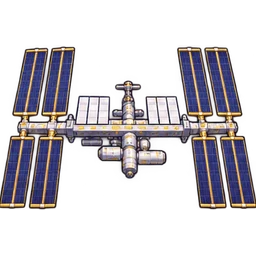
ISS
国際宇宙ステーション名詞
The ISS goes around Earth about every 90 minutes.
ISSは約90分で地球を1周します。
-
ふつう
Kibo
きぼう(日本実験棟)名詞
Kibo is Japan's lab on the ISS.
「きぼう」はISSにある日本の実験室です。
-
ふつう
spacewalk
船外活動名詞
The spacewalk lasted six hours.
船外活動は6時間続きました。
-
ふつう
oxygen
酸素名詞
Astronauts need oxygen to breathe.
宇宙飛行士は呼吸するのに酸素が必要です。
-
むずかしい
airlock
エアロック名詞
Astronauts go outside through the airlock.
宇宙飛行士はエアロックを通って外に出ます。
-
むずかしい
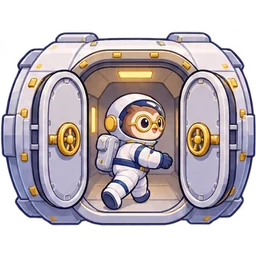
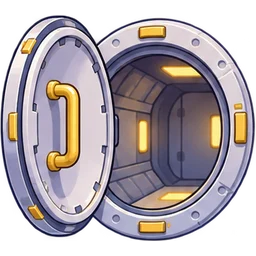
hatch
ハッチ(出入り口)名詞
Please close the hatch.
ハッチを閉めてください。
-
ふつう
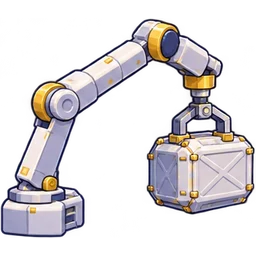
robotic arm
ロボットアーム名詞
The robotic arm caught the cargo ship.
ロボットアームが補給船をつかまえました。
-
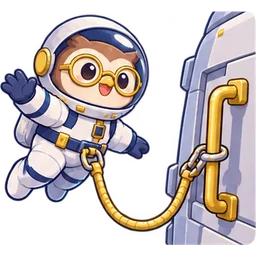
むずかしい
tether
命綱(テザー)名詞
A tether keeps the astronaut safe.
命綱が宇宙飛行士の安全を守ります。
-
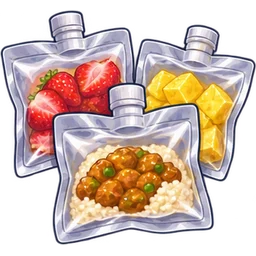
かんたん
space food
宇宙食名詞
Space food comes in small packs.
宇宙食は小さなパックに入っています。
-
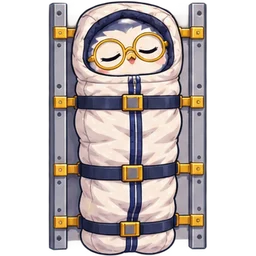
かんたん
sleeping bag
寝袋名詞
Astronauts sleep in sleeping bags on the wall.
宇宙飛行士は壁に取りつけた寝袋でねむります。
-
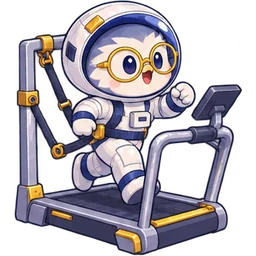
かんたん
exercise
運動する動詞
Astronauts exercise about two hours a day.
宇宙飛行士は1日に約2時間運動します。
-
ふつう
experiment
実験名詞
They did a science experiment on the ISS.
ISSで科学実験をしました。
-
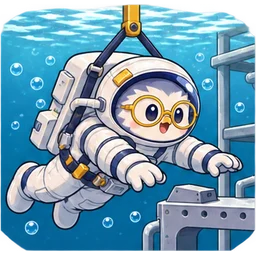
ふつう
training
訓練名詞
Astronaut training takes years.
宇宙飛行士の訓練には何年もかかります。
-
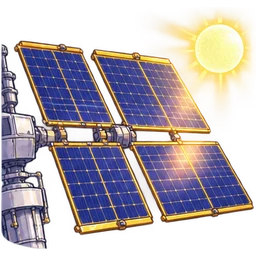
ふつう
solar panel
太陽電池パネル名詞
Solar panels turn sunlight into electricity.
太陽電池パネルは太陽の光を電気に変えます。
-
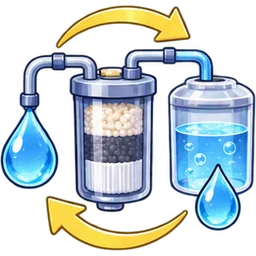
ふつう
recycle
再利用する動詞
The ISS recycles most of its water.
ISSでは水のほとんどを再利用しています。
-
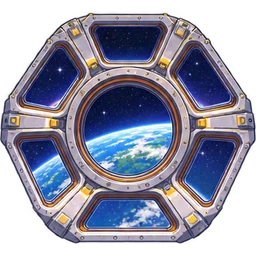
かんたん
window
窓名詞
The Cupola on the ISS has seven windows.
ISSの「キューポラ」には7つの窓があります。
-
かんたん
upside down
さかさまにフレーズ
In space, there is no real upside down.
宇宙では、本当の「上下」はありません。
-
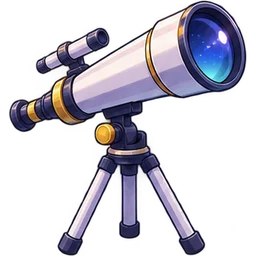
かんたん
telescope
望遠鏡名詞
I looked at the Moon through a telescope.
望遠鏡で月を見ました。
-
ふつう
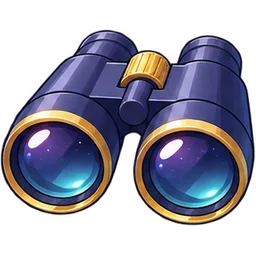
binoculars
双眼鏡名詞
You can see Jupiter's moons with binoculars.
双眼鏡で木星の衛星を見ることができます。
-
ふつう
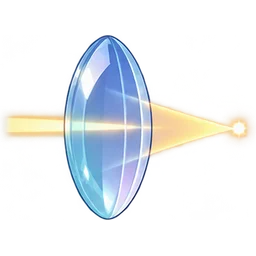
lens
レンズ名詞
A lens bends light.
レンズは光を曲げます。
-
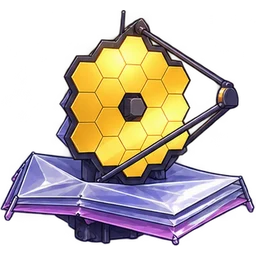
かんたん
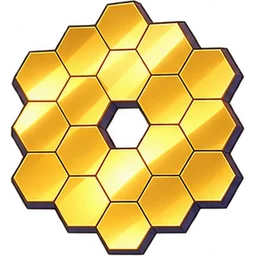
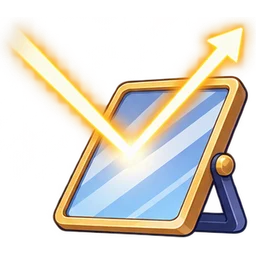
mirror
鏡名詞
Webb has a big gold mirror.
ウェッブ望遠鏡には大きな金色の鏡があります。
-
むずかしい
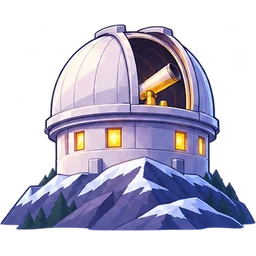
observatory
天文台名詞
The observatory is on top of a mountain.
天文台は山の上にあります。
-
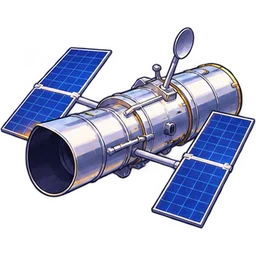
ふつう
Hubble Space Telescope
ハッブル宇宙望遠鏡名詞
The Hubble Space Telescope launched in 1990.
ハッブル宇宙望遠鏡は1990年に打ち上げられました。
-
むずかしい
James Webb Space Telescope
ジェイムズ・ウェッブ宇宙望遠鏡名詞
The James Webb Space Telescope sees infrared light.
ジェイムズ・ウェッブ宇宙望遠鏡は赤外線で宇宙を見ます。
-
むずかしい
infrared
赤外線名詞
Infrared light can pass through dust.
赤外線はちりを通りぬけることができます。
-
ふつう
astronomer
天文学者名詞
An astronomer studies stars and galaxies.
天文学者は星や銀河を研究します。
-
ふつう
astronomy
天文学名詞
Astronomy is one of the oldest sciences.
天文学はもっとも古い科学のひとつです。
-
むずかしい
radio telescope
電波望遠鏡名詞
A radio telescope catches radio waves from space.
電波望遠鏡は宇宙からの電波をとらえます。
-
ふつう
image
画像名詞
NASA shared a new image of Jupiter.
NASAが木星の新しい画像を公開しました。
-
かんたん
camera
カメラ名詞
The rover has many cameras.
探査車にはたくさんのカメラがついています。
-
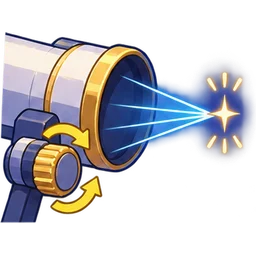
ふつう
focus
ピントを合わせる動詞
Turn the knob to focus the telescope.
つまみを回して望遠鏡のピントを合わせます。
-
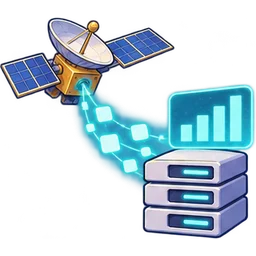
ふつう
data
データ名詞
The probe sends data back to Earth.
探査機はデータを地球に送り返します。
-
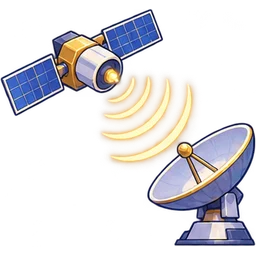
ふつう
signal
信号名詞
A signal from Voyager 1 takes almost a day to arrive.
ボイジャー1号からの信号は届くまでに1日近くかかります。
-
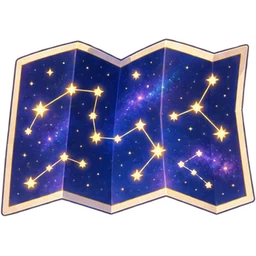
ふつう
star map
星図・星座早見名詞
Use a star map to find constellations.
星座早見を使って星座を探しましょう。
-
かんたん
Earth
地球名詞
Earth is the only planet known to have life.
地球は、生命がいるとわかっている唯一の惑星です。
-
ふつう
atmosphere
大気名詞
Earth's atmosphere protects us.
地球の大気はわたしたちを守っています。
-
かんたん
air
空気名詞
There is almost no air on the Moon.
月には空気がほとんどありません。
-
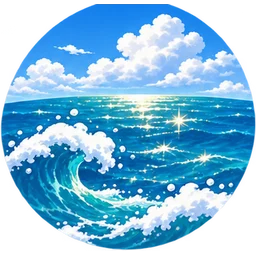
かんたん
ocean
海名詞
Oceans cover about 70 percent of Earth.
海は地球の約70%をおおっています。
-
ふつう
continent
大陸名詞
You can see continents from the ISS.
ISSから大陸が見えます。
-
かんたん
North Pole
北極名詞
The North Star is almost above the North Pole.
北極のほぼ真上に北極星があります。
-
かんたん
South Pole
南極名詞
Artemis plans to land near the Moon's south pole.
アルテミス計画は月の南極付近への着陸を予定しています。
-
ふつう
equator
赤道名詞
It is hot near the equator.
赤道の近くは暑いです。
-
ふつう
horizon
地平線・水平線名詞
The Sun rose over the horizon.
太陽が地平線からのぼりました。
-
かんたん
sunrise
日の出名詞
The ISS crew sees about 16 sunrises a day.
ISSの乗組員は1日に約16回、日の出を見ます。
-
かんたん
sunset
日の入り・夕焼け名詞
Sunsets on Mars look blue.
火星の夕焼けは青く見えます。
-
ふつう
aurora
オーロラ名詞
An aurora glows green in the night sky.
オーロラが夜空で緑色に光っています。
-
かんたん
weather
天気名詞
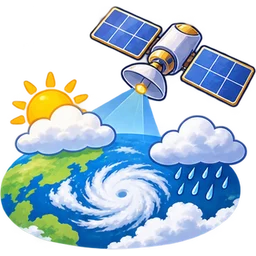
Satellites help us forecast the weather.
人工衛星は天気予報に役立ちます。
-
むずかしい
climate
気候名詞
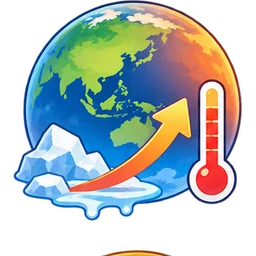
Satellites help scientists study climate change.
人工衛星は科学者が気候変動を研究するのに役立ちます。
-
かんたん
season
季節名詞
Earth has seasons because it is tilted.
地球に季節があるのは、地軸がかたむいているからです。
-
むずかしい
rotate
自転する動詞
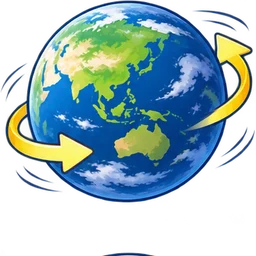
Earth rotates once a day.
地球は1日に1回自転します。
-
ふつう
surface
表面名詞
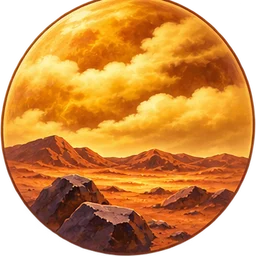
Venus's surface is hot enough to melt lead.
金星の表面は鉛がとけるほど熱いです。
-
かんたん
water
水名詞
Earth has lots of liquid water.
地球には液体の水がたくさんあります。
-
かんたん
home
ふるさと・家名詞
Earth is our only home.
地球はわたしたちのたったひとつのふるさとです。
-
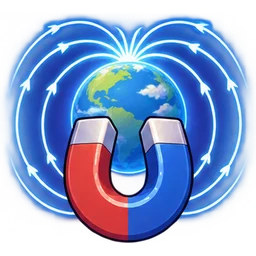
むずかしい
magnetic field
磁場名詞
Earth's magnetic field protects us from the solar wind.
地球の磁場は太陽風からわたしたちを守っています。
-
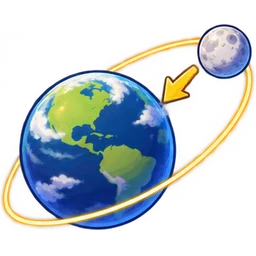
ふつう
gravity
重力名詞
Gravity keeps the Moon going around Earth.
重力のおかげで月は地球のまわりを回り続けます。
-
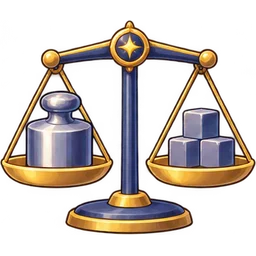
むずかしい
mass
質量名詞
Your mass is the same on the Moon.
月に行ってもあなたの質量は変わりません。
-
ふつう
weight
重さ・体重名詞
On the Moon, your weight is about one-sixth.
月での体重は地球の約6分の1です。
-
かんたん
speed
速さ名詞
The ISS moves at about 28,000 kilometers per hour.
ISSは時速約2万8000キロメートルで動いています。
-
ふつう
temperature
温度名詞
The temperature on the Moon changes a lot.
月の温度は大きく変わります。
-
ふつう
energy
エネルギー名詞
The Sun makes energy in its core.
太陽は中心部でエネルギーをつくっています。
-
かんたん
heat
熱名詞
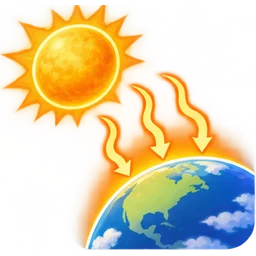
The Sun's heat warms Earth.
太陽の熱が地球をあたためます。
-
むずかしい
pressure
圧力・気圧名詞
The air pressure on Venus is very high.
金星の気圧はとても高いです。
-
むずかしい
vacuum
真空名詞
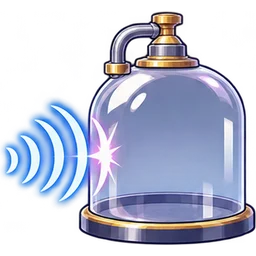
Sound cannot travel through a vacuum.
音は真空の中を伝わることができません。
-
ふつう
force
力名詞
A force is a push or a pull.
力とは、おすことや引くことです。
-
ふつう
speed of light
光の速さ(光速)フレーズ
Nothing is faster than the speed of light.
光の速さより速いものはありません。
-
むずかしい
radiation
放射線名詞
Astronauts must be protected from radiation.
宇宙飛行士は放射線から守られなければなりません。
-
むずかしい
hydrogen
水素名詞
The Sun is mostly hydrogen.
太陽はほとんどが水素でできています。
-
むずかしい
helium
ヘリウム名詞
Helium was first found in sunlight.
ヘリウムは最初、太陽の光の中から見つかりました。
-
かんたん
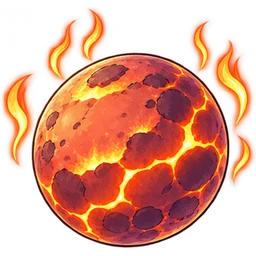
hot
熱い・暑い形容詞
Venus is very hot.
金星はとても熱いです。
-
かんたん
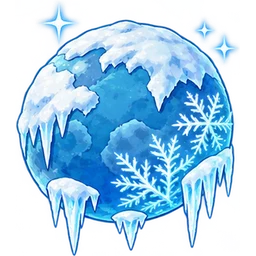
cold
冷たい・寒い形容詞
Neptune is very cold.
海王星はとても寒いです。
-
ふつう
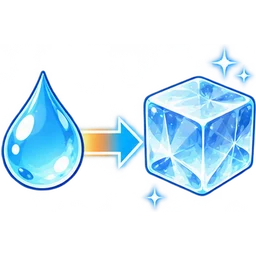
freeze
凍る動詞
Water freezes on Europa's surface.
エウロパの表面では水が凍っています。
-
かんたん
sound
音名詞
Sound cannot travel in space.
宇宙では音が伝わりません。
-
かんたん
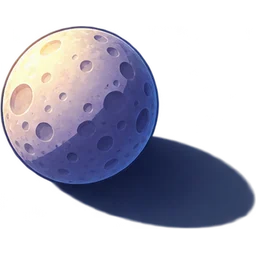
shadow
影名詞
Earth's shadow falls on the Moon during a lunar eclipse.
月食では地球の影が月にかかります。
-
ふつう
reflect
反射する動詞
The Moon reflects sunlight.
月は太陽の光を反射します。
-
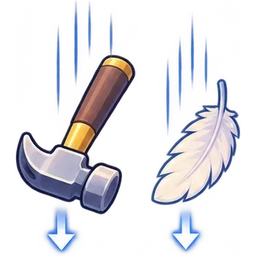
かんたん
fall
落ちる動詞
On the Moon, a hammer and a feather fall together.
月ではハンマーと羽根が同時に落ちます。
-
かんたん
Roger
了解フレーズ
Roger, we understand.
了解、わかりました。
-
かんたん
Copy that
了解(受信した)フレーズ
Copy that, Houston.
了解、ヒューストン。
-
かんたん
Houston
ヒューストン(管制センター)名詞
Houston, we are ready.
ヒューストン、準備ができました。
-
ふつう
Go for launch
打ち上げ準備よしフレーズ
The flight director says we are go for launch.
フライトディレクターが「打ち上げ準備よし」と言っています。
-
ふつう
We copy you
こちらで受信しているフレーズ
We copy you loud and clear.
はっきり受信しています。
-
かんたん
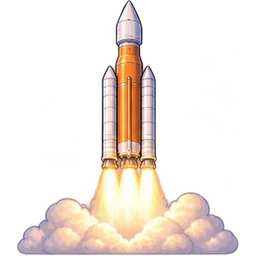
Liftoff
リフトオフ(打ち上げ)フレーズ
Liftoff! The rocket is climbing.
リフトオフ!ロケットが上昇しています。
-
ふつう
The Eagle has landed
イーグルは着陸したフレーズ
Armstrong said, "The Eagle has landed."
アームストロングは「イーグルは着陸した」と言いました。
-
ふつう
Over
どうぞ(こちらの話は終わり)フレーズ
This is Orion. How do you read? Over.
こちらオリオン。聞こえますか。どうぞ。
-
ふつう
Stand by
待機してくださいフレーズ
Stand by for the next update.
次の連絡まで待機してください。
-
ふつう
All systems go
すべて異常なしフレーズ
All systems go. We are ready.
すべて異常なし。準備完了です。
-
ふつう
Mission control
管制センター名詞
Mission control watches every step.
管制センターはすべての動きを見守っています。
-
ふつう
Say again
もう一度言ってくださいフレーズ
Say again, please. We lost you.
もう一度言ってください。声がとぎれました。
-
むずかしい
Affirmative
そのとおり(はい)フレーズ
Affirmative, the hatch is closed.
そのとおり、ハッチは閉まっています。
-
むずかしい
Negative
ちがう(いいえ)フレーズ
Negative, we do not see it.
いいえ、こちらからは見えません。
-
ふつう
Loud and clear
はっきり聞こえるフレーズ
I hear you loud and clear.
はっきり聞こえます。
-
むずかしい
CAPCOM
キャップコム(交信担当)名詞
The CAPCOM talks to the crew by radio.
キャップコムは無線で乗組員と話します。
-
むずかしい
T-minus
発射までの残り時間(Tマイナス)フレーズ
T-minus ten minutes and counting.
発射10分前、カウントダウン続行中。
-
むずかしい
abort
(飛行を)中止する動詞
They had to abort the launch.
打ち上げを中止しなければなりませんでした。
-
むずかしい
Godspeed
成功と無事を祈りますフレーズ
Godspeed, crew. Have a safe trip.
成功を祈ります。無事に行ってきてください。
-
ふつう
How do you read?
聞こえますかフレーズ
Houston, how do you read?
ヒューストン、聞こえますか。

























見つかりませんでした。
MORE TO EXPLORE