

本文へ
はじめての人へ
ISS…

DID WE REALLY GO TO THE MOON?

アポロは本当に月へ行った?

「月着陸はスタジオで撮ったのでは?」「ファミコン並みのコンピュータで本当に行けたの?」――50年以上たったいまも、こうした疑問をもつ人はたくさんいます。それだけ、信じられないくらい大きな出来事だったということ。このページでは、よく聞く疑問をひとつずつ取り上げ、だれでも確かめられる証拠を並べました。NASA や世界中の研究者が集めた証拠は「アポロは月へ行った」ことを示しています。読んだうえで、あなた自身で考えてみてください。

6回の月面着陸
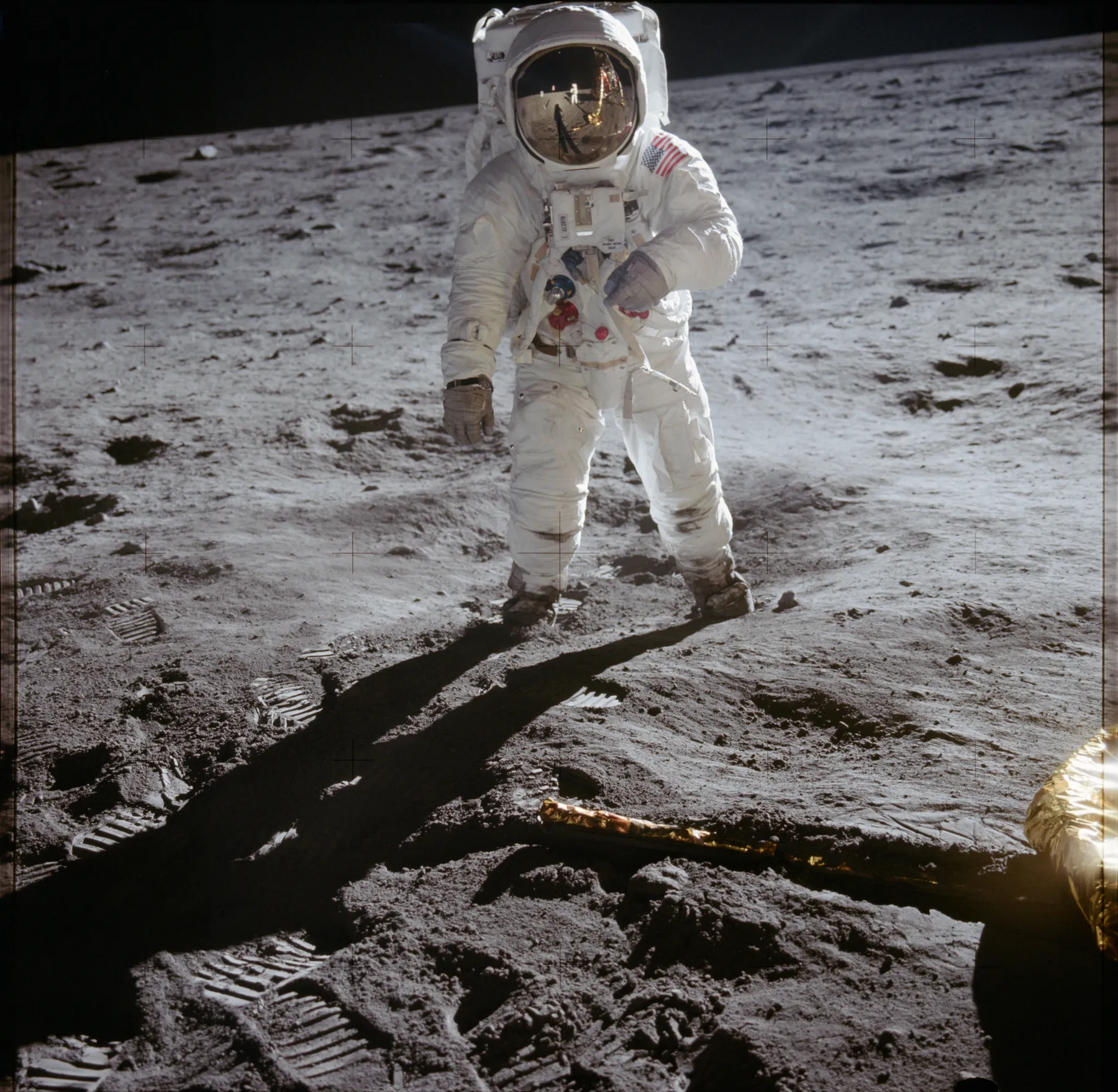
12人が月を歩いた
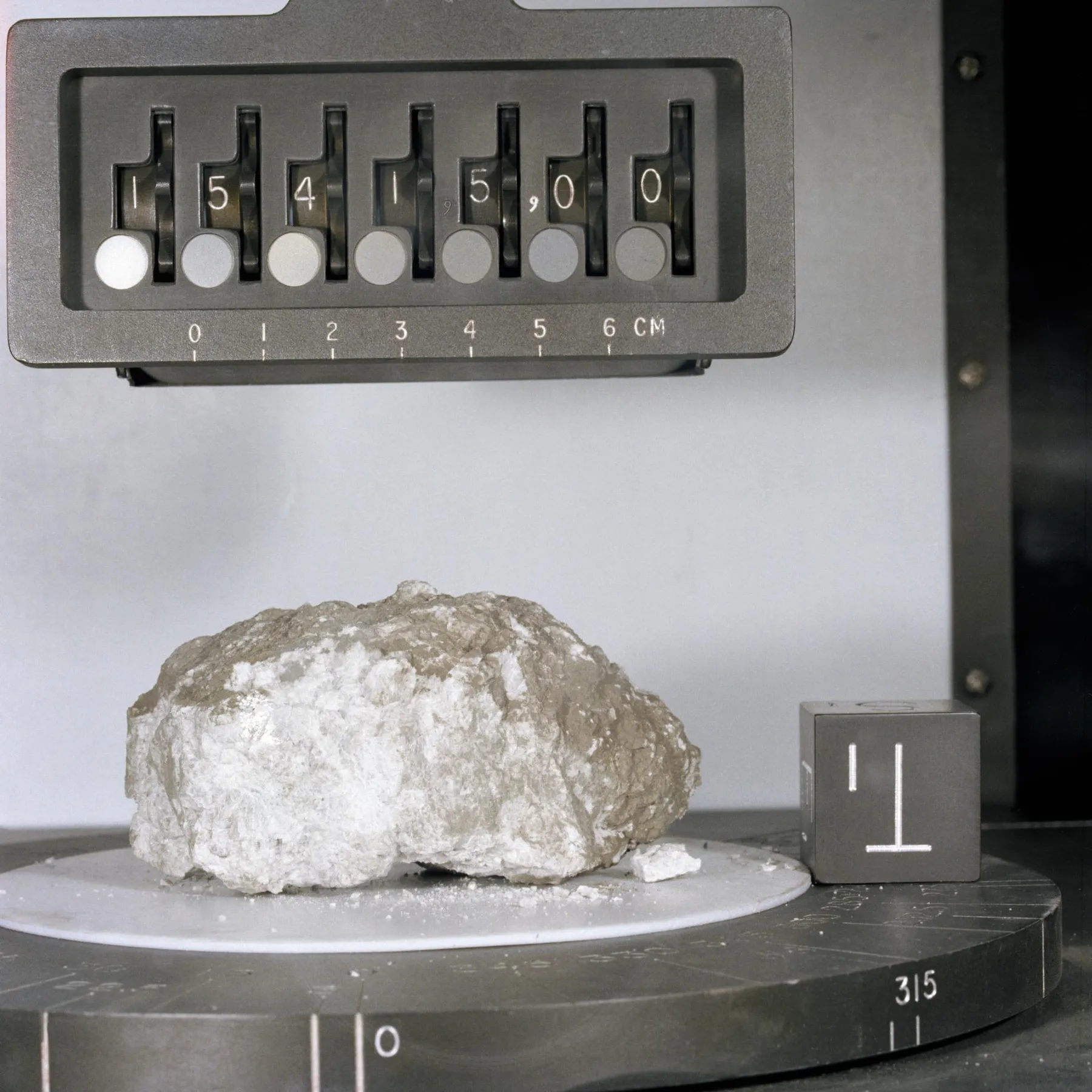
382kg の月の石
3台の反射鏡がいまも働く

どうして「行っていないかも」と感じる人がいるの?

そう感じるのには、ちゃんと理由があります。けっして「おかしな考え」ではありません。

  • あまりにすごい出来事だから1960年代の技術で38万km先へ行って帰ってくるのは、いま考えても想像をこえる話です。
  • 地球では見なれない写真だから月には空気がなく、光は太陽ひとつ。旗の動きや影、星が写らないことなど、地球の感覚とちがって見えるのは自然なことです。
  • 国の発表をうのみにしたくない気持ちアメリカとソ連が競っていた冷戦の時代でした。政府の発表を自分の目で確かめたいと思うのは、健全な考え方です。
  • そのあと50年以上、人が月へ行かなかったから「本当に行けたなら、なぜその後行かないの?」と思うのは当然の疑問です(答えはQ11へ)。

このページは、ちがう考えをもつ人をばかにするためのものではありません。答えを押しつけるのではなく、自分で調べられる材料を集めました。最後に判断するのは、あなたです。

Q1

ファミコン並みのコンピュータで、月に行けるわけがない?

✔ ちゃんと行けます

Apollo's computer was small, like an old game machine. Big computers in Houston did much of the hard math and sent the answers by radio. The computer on the spaceship did one job very well: it steered the ship.Apollo's Guidance Computer had about 4 KB of erasable memory, about 72 KB of fixed memory, and could run up to roughly 80,000 instructions per second. In memory size alone, it was in the same small range as a 1983 Famicom game console, although the two machines were designed for completely different jobs. Apollo worked because the work was shared: heavy trajectory calculations were done on ground computers in Houston, including IBM System/360 mainframes, and radioed up. The onboard computer focused on real-time guidance, navigation and control — reading sensors, firing engines and steering the lunar landing — using tightly written software woven into core rope memory, while astronauts took star sightings with a sextant. It was not simple; doing it with such a small computer is what made Apollo remarkable.アポロ宇宙船の誘導コンピュータ(AGC)は、読み書きできるメモリが約4KB(2048語)、固定のプログラム用メモリが約72KB、計算の速さは1秒間に最大で約8万回の命令。メモリの量だけをくらべると、1983年のファミコン(CPU 約1.79MHz・本体メモリ2KB)と同じくらいの「小さな」コンピュータです(しくみも目的もちがうので、単純にどちらが上とはいえません)。それでも月へ行けたのは、仕事を上手に分けたから。たくさんの計算が必要な軌道の計算は、地上ヒューストンの大型コンピュータ群(IBM System/360 など)が行って、無線で宇宙船に送りました。宇宙船のコンピュータは、センサーの情報をその場で処理して、位置や向きを確かめ、エンジンを動かし、月への着陸を誘導するという、目的をしぼった「リアルタイムの計算」に集中しました。そのために、むだのないプログラムを手で織りこんだ「コアロープメモリ」に書きこみ、宇宙飛行士は六分儀で星を測って位置を確かめました。決して簡単な計算ではありません。小さなコンピュータでそれをやりとげたことこそ、アポロのすごさです。
約4KBAGC の読み書きメモリ(2048語×16ビット)
約2KBファミコンの本体メモリ(RAM)
約40万人アポロ計画に関わった人の数
分担軌道の計算は地上、操縦は宇宙船のAGC
Q2

証拠の写真なんてない?

✔ 月の周りから着陸地点が写っています

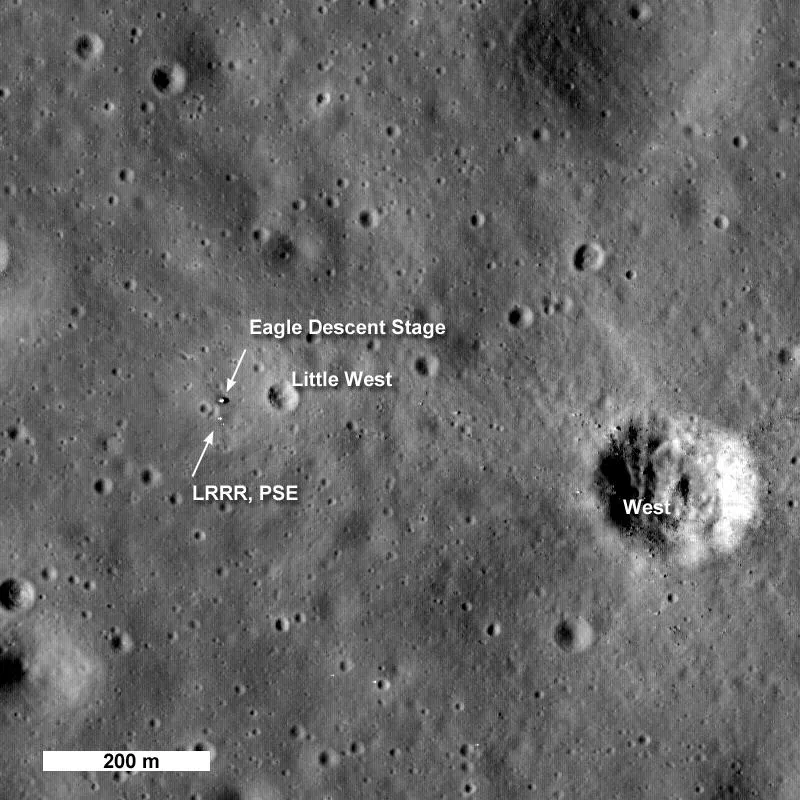
A NASA spacecraft goes around the Moon. It took pictures of all six Apollo landing places. You can see the landers, the tracks and the footpaths. A spacecraft from India also took pictures of them.Since 2009, NASA's Lunar Reconnaissance Orbiter has photographed all six Apollo landing sites. The images show the lunar module descent stages, experiment packages, astronauts' footpaths and even rover tracks. Flags at the Apollo 12, 16 and 17 sites are still casting shadows (Buzz Aldrin reported that Apollo 11's flag was knocked over by the engine blast at liftoff). India's Chandrayaan-2 orbiter also imaged the Apollo 11 and 12 sites in 2021.2009年から月を回っている NASA の探査機「ルナー・リコネサンス・オービター(LRO)」は、アポロ11号から17号までの6か所の着陸地点をすべて撮影しました。写真には、月に残された着陸船の下半分、置いてきた実験装置、宇宙飛行士が歩いた跡の道、月面車のわだちまで写っています。アポロ12・16・17号の旗が今も立っていて影を落としていることもわかりました(11号の旗は、離陸のときのエンジンの風で倒れたと、オルドリン飛行士が証言しています)。インドの月探査機「チャンドラヤーン2号」も、2021年にアポロ11・12号の着陸地点を撮影しています。

NASA
Q3

月に行った証拠を、自分で確かめる方法はある?

✔ いまも毎晩レーザーが届いています

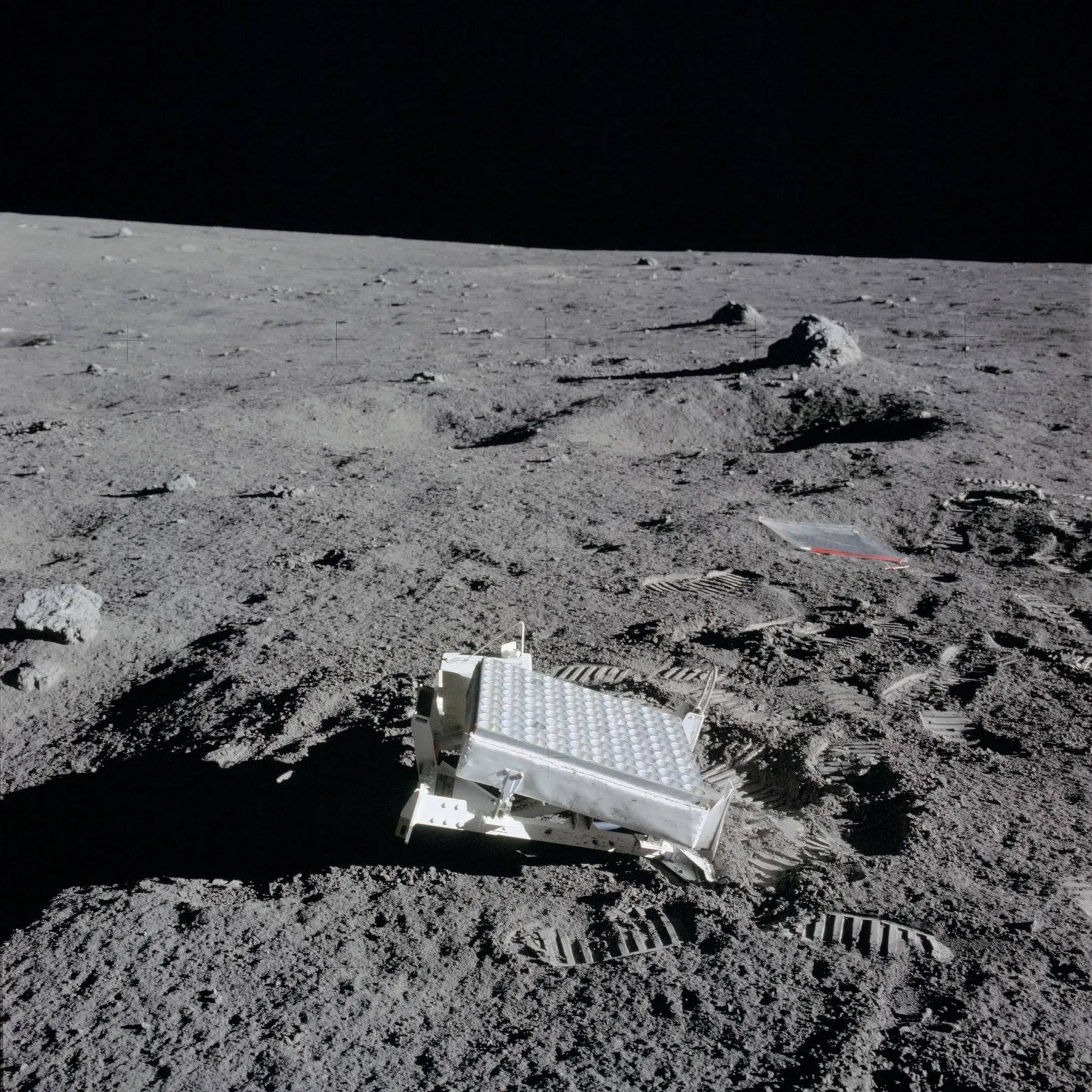
Apollo astronauts put special mirrors on the Moon. Today, scientists on Earth still shoot lasers at these mirrors. The light comes back in about 2.5 seconds. The mirrors are right where the astronauts said they put them!Apollo 11, 14 and 15 astronauts left laser retroreflectors on the Moon. Observatories in the United States, France, Italy and elsewhere still fire lasers at them and time the light’s round trip of about 2.5 seconds. These measurements reach millimetre-level precision and show that the Moon drifts away from Earth by about 3.8 cm per year. (The Soviet Lunokhod rovers also carried two reflectors.) The Apollo mirrors sit exactly where the mission records, photos and samples say the astronauts worked — many lines of evidence pointing to the same fact.アポロ11・14・15号の宇宙飛行士は、月面に「レーザー反射鏡」を置いてきました。光が来た方向にまっすぐはね返す特別な鏡で、アメリカやフランス、イタリアなどの天文台は、いまもこの鏡に地上からレーザーを当てて、はね返ってくるまでの約2.5秒を測っています。おかげで、月までの距離をミリメートル級の精度で測れるようになり、月が1年に約3.8cmずつ地球から遠ざかっていることもわかりました。(ソ連の無人探査車ルノホートも反射鏡を2台運んでいます。)アポロの反射鏡は、着陸の記録・写真・持ち帰った石と、置いた場所がぴったり合っています。たくさんの証拠がひとつの事実を指しているのです。

約2.5秒レーザーが月と往復する時間
約3.8cm月が1年で遠ざかる距離
3か所アポロが置いた反射鏡(11・14・15号)
NASA
Q4

月の石も、地球の石でごまかせる?

✔ 世界中の科学者が調べた本物です

Apollo brought back 382 kg of Moon rocks. Scientists all over the world study them. Moon rocks are different from Earth rocks. They are very dry and have tiny glass pits.The six Apollo landings brought back 382 kg of lunar rocks and soil, which scientists around the world have studied for more than 50 years. Moon rocks have features Earth rocks lack: they are far drier than Earth rocks (though tiny amounts of water have been found in some samples), they have tiny glassy pits made by micrometeorite impacts where there is no air, and they carry the marks of long exposure to the solar wind. The Soviet Union, NASA’s rival, returned its own lunar samples with robotic probes and never claimed the Apollo rocks were fake.アポロは6回の着陸で、合計382kgの月の石や砂を持ち帰りました。世界中の研究者に配られ、50年以上調べ続けられています。月の石には、地球の石にはない特徴がたくさんあります。地球の石よりずっと乾いていること(ただし、ごくわずかな水がふくまれる試料も見つかっています)、空気のない場所で小さな隕石がぶつかってできた細かいガラスのくぼみ、太陽風を長いあいだあびた跡など。当時ライバルだったソビエト連邦も、無人探査機で月の砂を持ち帰って調べましたが、アポロの石が偽物だとは言いませんでした。

NASA
Q5

NASA がうそをついても、だれも気づかない?

✔ ライバルのソ連が見ていました

In 1969, the Soviet Union was racing America to the Moon. They could listen to the radio signals. If it was fake, they would tell the world. But they said it was real.An important piece of evidence is that America's main rival independently tracked the missions and accepted the landings as real. In 1969 the U.S. and the Soviet Union were locked in a space race. The Soviets could track the spacecraft's radio signals, and exposing a fake would have been a huge victory. Instead, Soviet media reported the landing as fact. Observatories outside the U.S., such as Jodrell Bank in England, also tracked the missions and confirmed the signals came from the Moon.大事な証拠のひとつは「ライバルが認めた」ことです。1969年、アメリカとソビエト連邦は宇宙開発で激しく競争していました。ソ連は自前のアンテナで宇宙船の電波を追うことができ、もしアメリカがうそをついていたら、世界に向けて暴く絶好のチャンスでした。でもソ連はアポロの月着陸を事実として報じました。イギリスのジョドレルバンク天文台など、アメリカ以外の観測所も宇宙船を追跡し、電波が月の方向から来ていることを確かめていました。月の石・レーザー反射鏡・写真などの証拠と合わせると、すべてがぴったり合います。

Q6

空気がないのに、旗がゆれているのはおかしい?

✔ ゆれ続けるのは、空気がないから

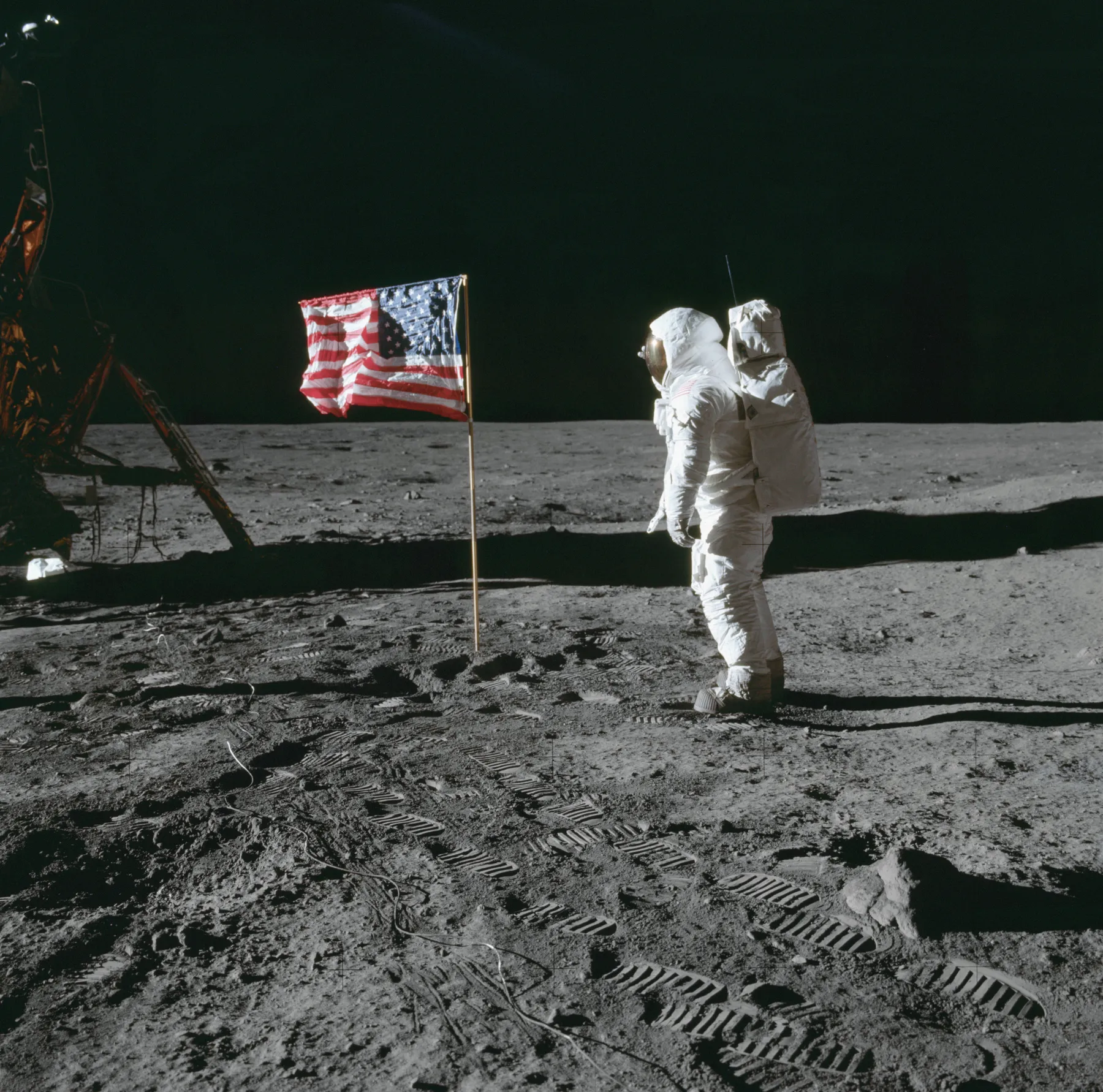
The flag had a stick at the top. It moved when the astronauts pushed the pole into the ground. With no air, it swung longer. Then it stopped. No wind!The Apollo flags had a horizontal rod along the top so they would not hang limp. They were set moving when the astronauts handled and twisted the pole, then swung briefly. On Earth, air would quickly damp the motion; on the airless Moon the flag kept swinging longer until friction in the cloth and pole stopped it. In the video, once the astronauts let go, the flag soon hangs perfectly still — it would keep fluttering if there were wind.アポロの旗には、上の辺に横向きの棒が入っていて、だらりと下がらないようにしてありました。旗がゆれて見えるのは、宇宙飛行士が棒を地面にねじこむときに動かしたからです。地球なら空気のおかげで動きはすぐ止まりますが、月には空気がないので、ゆれが長く続きます(それでも旗や棒の中の摩擦で、やがて止まります)。そして宇宙飛行士が手をはなして時間がたった映像では、旗はぴたりと止まっています。風があればずっとゆれるはずです。

NASA
Q7

写真に星が写っていないのはなぜ?

✔ 昼間の撮影だから

The photos were taken in the daytime on the Moon. The ground was very bright. The camera was set for bright things, so the stars were too dark to see.All Apollo surface photos were taken during the lunar day. The sunlit ground and white spacesuits are very bright, so the cameras used short exposures. Faint stars simply did not register. It is the same on Earth: take a photo of a brightly lit person at night and the stars disappear.アポロの月面写真は、すべて月の「昼」に撮られています。太陽に照らされた月面や白い宇宙服はとても明るいので、カメラは明るいものに合わせて、シャッターを一瞬だけ開けます。すると暗い星の光はほとんど写りません。地球でも、明るい昼間や夜の明るい街で人物を撮ると、星は写らないのと同じです。

Q8

影の向きがバラバラ。照明がいくつもあった?

✔ 地面のでこぼこと遠近法

The Moon’s ground is not flat. Shadows bend over bumps. Wide cameras also make shadows look like they spread out. Each thing has only one shadow, so there was only one light: the Sun.The lunar surface is full of dips and slopes, and shadows falling across them look bent and stretched. Wide-angle lenses also make parallel shadows appear to fan out because of perspective — the same happens with shadows of telephone poles at sunset. Several strong lights would give each object several sharp shadows, which is not what the Apollo photos show.月面は平らではなく、小さなくぼみや斜面だらけです。でこぼこの上に落ちた影は、曲がったり、のびたりして見えます。さらに広角レンズで撮ると、平行な影も遠近法で放射状に広がって見えます(夕方の電柱の影の写真でも同じことが起きます)。もし強い照明が何個もあれば、ひとつのものからはっきりした影が何本も出るはずですが、アポロの写真ではそうなっていません。

Q9

バン・アレン帯の放射線で、人は死んでしまう?

✔ 短い時間で、うすいところを通過

There is strong radiation around Earth. Apollo went through it fast, in a few hours, on a safer path. The astronauts got only a small amount of radiation.Earth is surrounded by the Van Allen radiation belts. Apollo trajectories were planned to pass through thinner regions in just a few hours. Doses varied by flight, but most were a few millisieverts — the same order of magnitude as a medical CT scan. (The bigger worry was a large solar storm.) Engineers knew the risk and planned around it.地球のまわりには、放射線の強い「バン・アレン帯」があります。アポロは、帯の中を数時間で通りぬけるように、比較的放射線の弱いところを通る道すじをえらびました。宇宙飛行士があびた放射線は、飛行ごとに差はありますが、多くは数ミリシーベルトほど。医療の CT 検査と同じくらいのケタの、小さな量でした(いちばんの心配は、大きな太陽フレアでした)。危険があることはわかっていたので、ちゃんと計算して対策していたのです。

Q10

スタジオで撮影すれば、ばれない?

✔ 1969年の技術では、とてもむずかしい

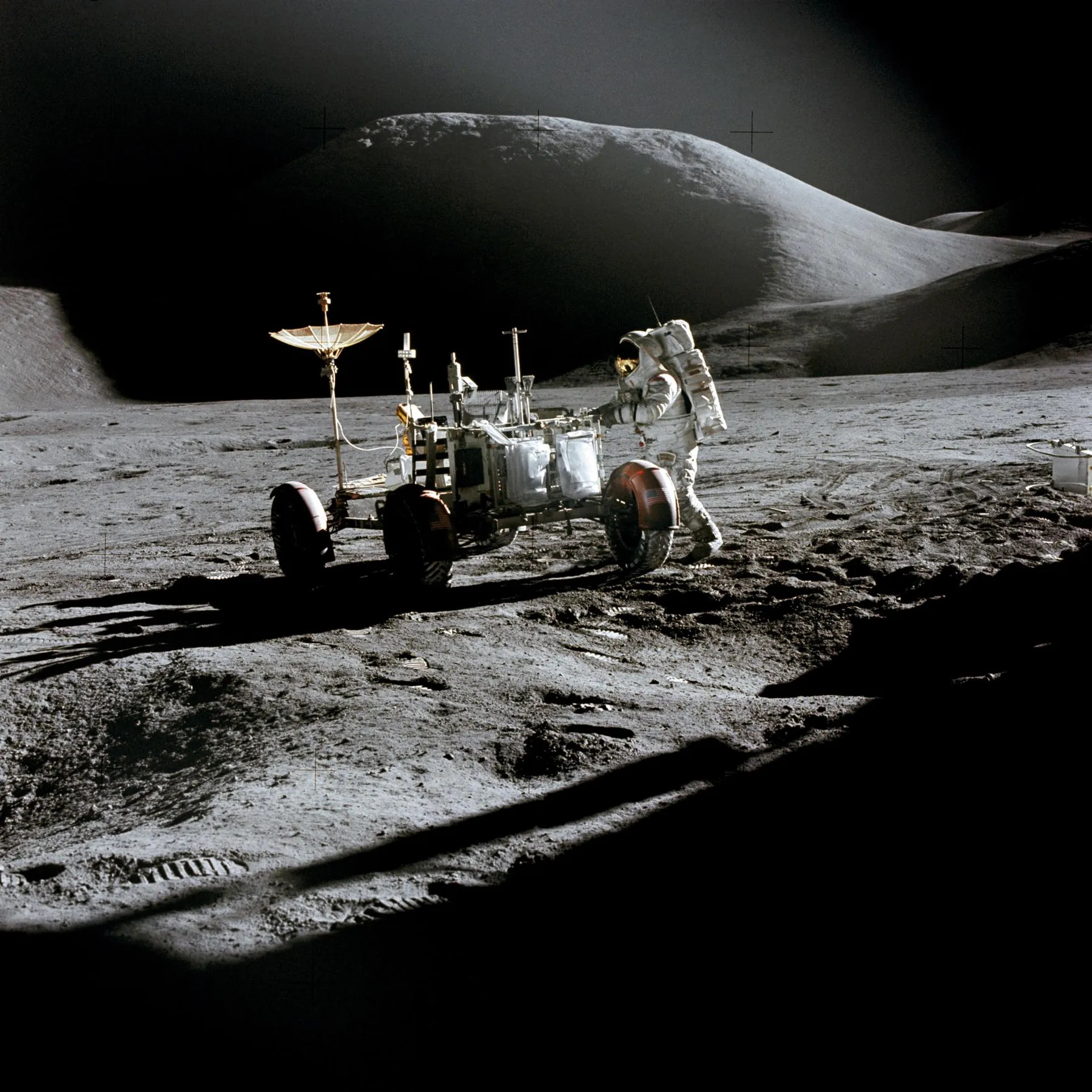
On the Moon, dust flies and falls quickly because there is no air. In a studio, dust floats. In the Moon videos, the dust never floats. Faking that in 1969 would have been very, very hard.Dust thrown up by the lunar rover flies in perfect arcs and falls straight back because there is no air; in a studio on Earth, dust would hang and billow. Every jump and every dropped object stays consistent with one-sixth gravity for minutes of continuous footage. Faking hours of consistent airless, low-gravity motion with 1969 film technology would have been extremely difficult.月面車が巻き上げる砂は、空気がないので、きれいな放物線をえがいて一気に落ちます。地球のスタジオでは、空気のせいで砂ぼこりがふわっと残ります。また、重力が地球の6分の1なので、宇宙飛行士がジャンプしたり物を落としたりする動きは、何分間もの映像の中でずっと「月の重力」のままです。空気がなく重力が6分の1の動きを、何時間もの映像でずっと矛盾なく作るのは、当時の撮影技術ではとてもむずかしいことでした。

NASA
Q11

じゃあ、なぜその後50年以上、人は月に行かなかったの?

✔ お金と目的の問題。そして2026年、ついに

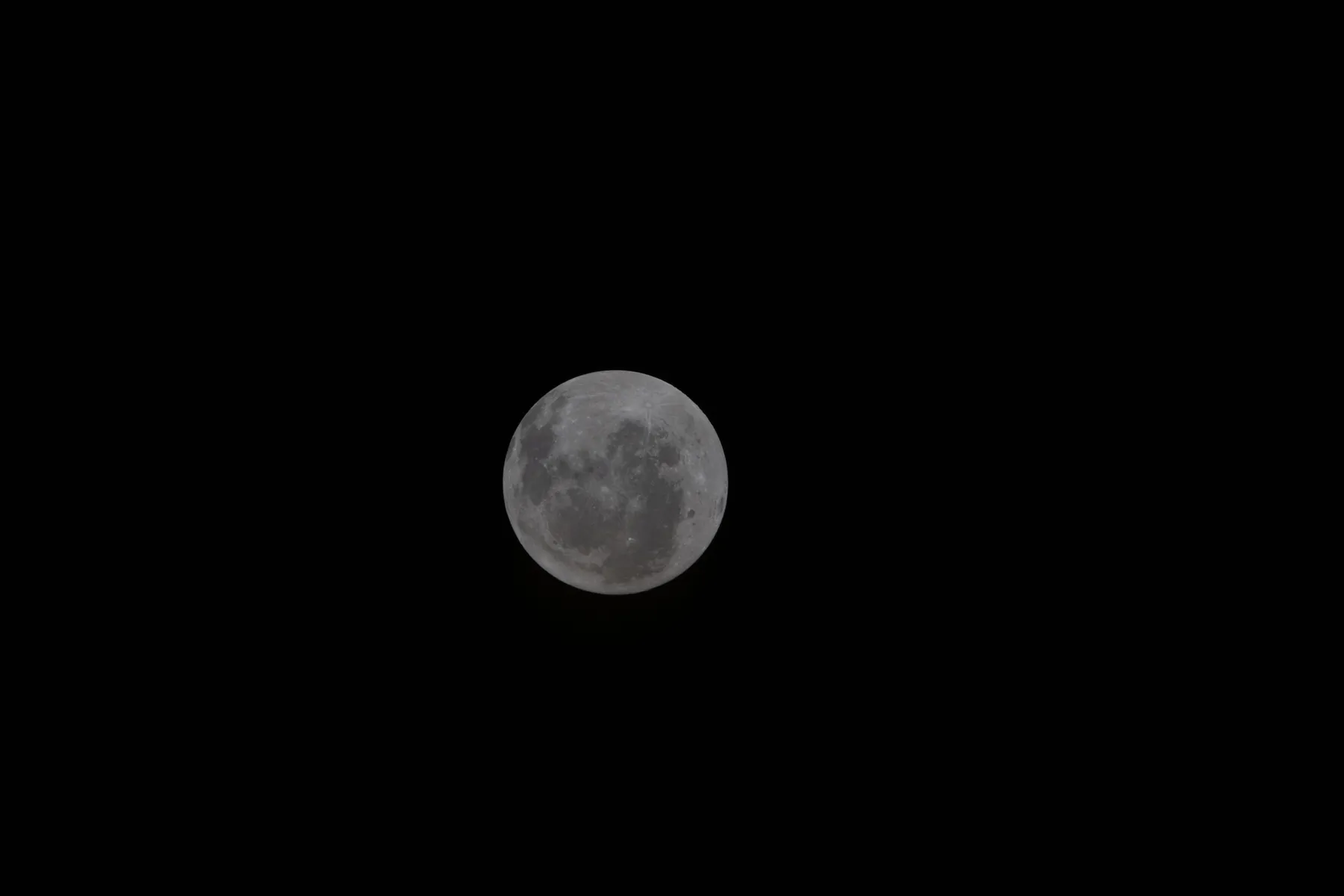
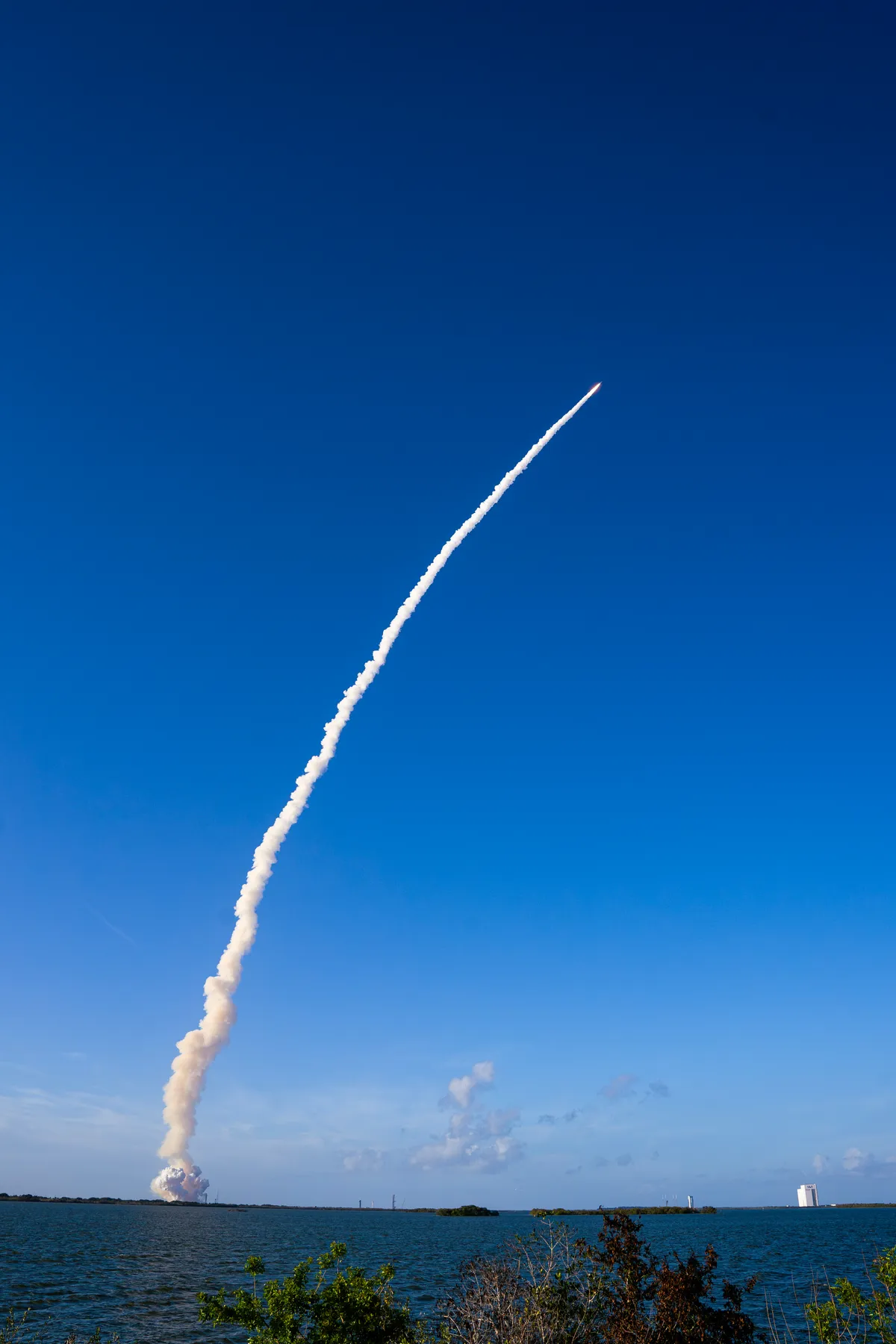
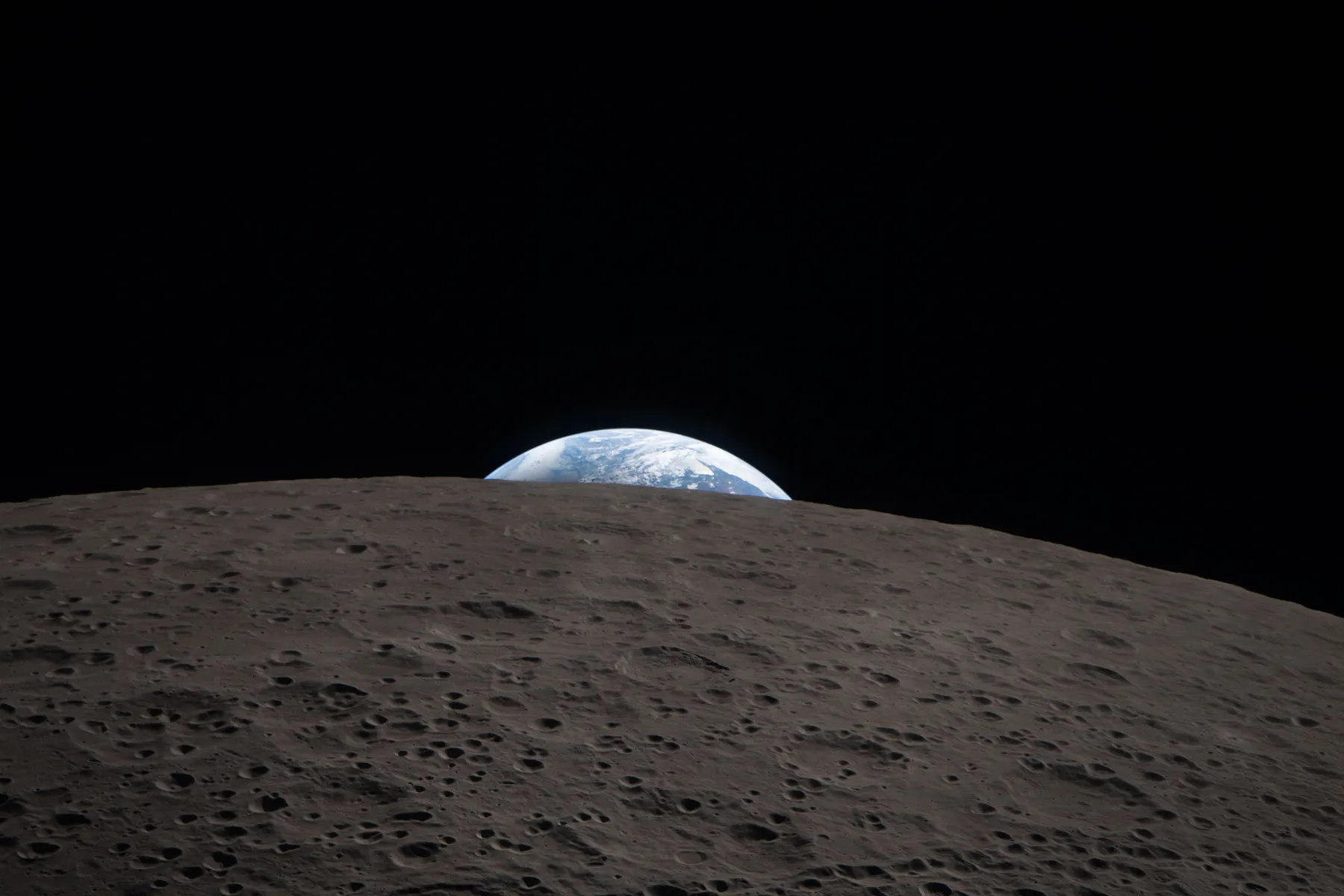
Going to the Moon costs a lot of money. After Apollo, America chose other goals. In 2026, Artemis II took four astronauts around the Moon again!Apollo cost the equivalent of hundreds of billions of today’s dollars. Once the goal of beating the Soviets to the Moon was met, funding shifted to the Space Shuttle and space stations. It was not lost technology but a lack of purpose and money. In April 2026, NASA’s Artemis II carried four astronauts around the Moon and back — the first crew to travel there since Apollo 17 in December 1972. NASA plans to rehearse docking with Moon landers in Earth orbit in 2027 and is targeting a landing near the lunar South Pole in 2028.アポロ計画には、今のお金で数十兆円という巨額の予算がかかりました。「ソ連より先に月へ」という目的を果たすと、アメリカの予算は宇宙ステーションやスペースシャトルなど別の目標に回されました。技術が失われたのではなく、行く理由とお金がなかったのです。そして2026年4月1日(アメリカ時間)、NASA のアルテミス2号が4人の宇宙飛行士をのせて打ち上げられ、月の裏側を回って4月11日(日本時間)に地球へ帰ってきました。人が月の近くまで行ったのは、1972年12月のアポロ17号以来、約53年ぶりです。NASA は2027年に地球のまわりで月着陸船とのドッキングを練習し、2028年に月の南極近くへの着陸をめざしています。

くわしく →
NASA

コンピュータ性能くらべ(だいたいの値)

年読み書きメモリ処理の速さ
アポロ誘導コンピュータ1966〜約4KB約8.5万命令/秒
ファミコン19832KBCPU 約1.79MHz
いまのスマートフォン2020年代数GB(約100万倍)1秒に数千億〜数兆回の計算

月へ行くのに必要だったのは、コンピュータの力より「正しい物理」と「何度も確かめた計算」と「40万人のチームワーク」でした。アポロのプログラムを書いたマーガレット・ハミルトンさんたちのチームは、着陸直前にコンピュータが「1202アラーム」を出したときも、大事な仕事だけを続けるように作っていたので、着陸は成功しました。

アポロ11号の交信ライブで「1202アラーム」を聞く →

疑問をもつのは、いいこと。

「本当かな?」と思うのは、科学者と同じ考え方です。大事なのは、そのあと証拠を調べること。月の反射鏡、LRO の写真、世界中の研究者が調べた月の石…。ひとつひとつが「本当に行った」と教えてくれます。そして2026年、アルテミス2号の宇宙飛行士たちが、ふたたび月のそばまで行きました。

考えがちがう人と話すときは、相手を笑ったり言い負かしたりせず、「いっしょに証拠を見てみよう」と声をかけるのがいちばんです。科学は、だれかを打ち負かすためではなく、いっしょに本当のことに近づくための道具です。

MORE TO EXPLORE

ほかのコーナーも見てみよう