

本文へ
はじめての人へ
ISS…

FAILURES & MIRACLES

NASAの失敗と奇跡

宇宙開発は、失敗と挑戦のくり返し。でも NASA のチームは、ピンチのたびに知恵を出し合い、失敗を正直に公表して、次の成功につなげてきました。本物の交信の声とともに、10の物語を。

ピンチ脱出1970

アポロ13号「ヒューストン、問題が起きた」

Apollo 13: “Houston, we’ve had a problem”
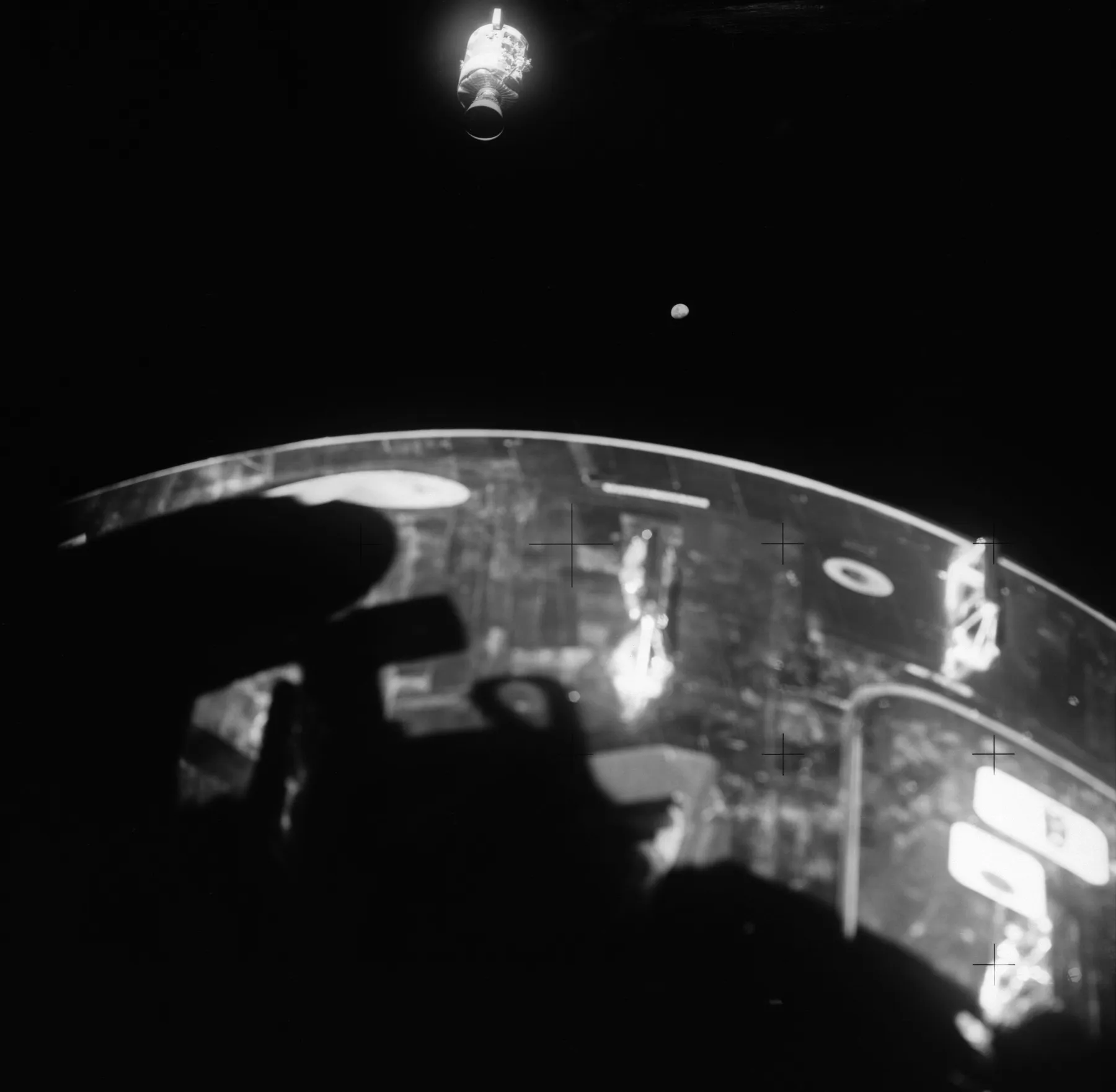
Apollo 13's damaged service module
画像:NASA
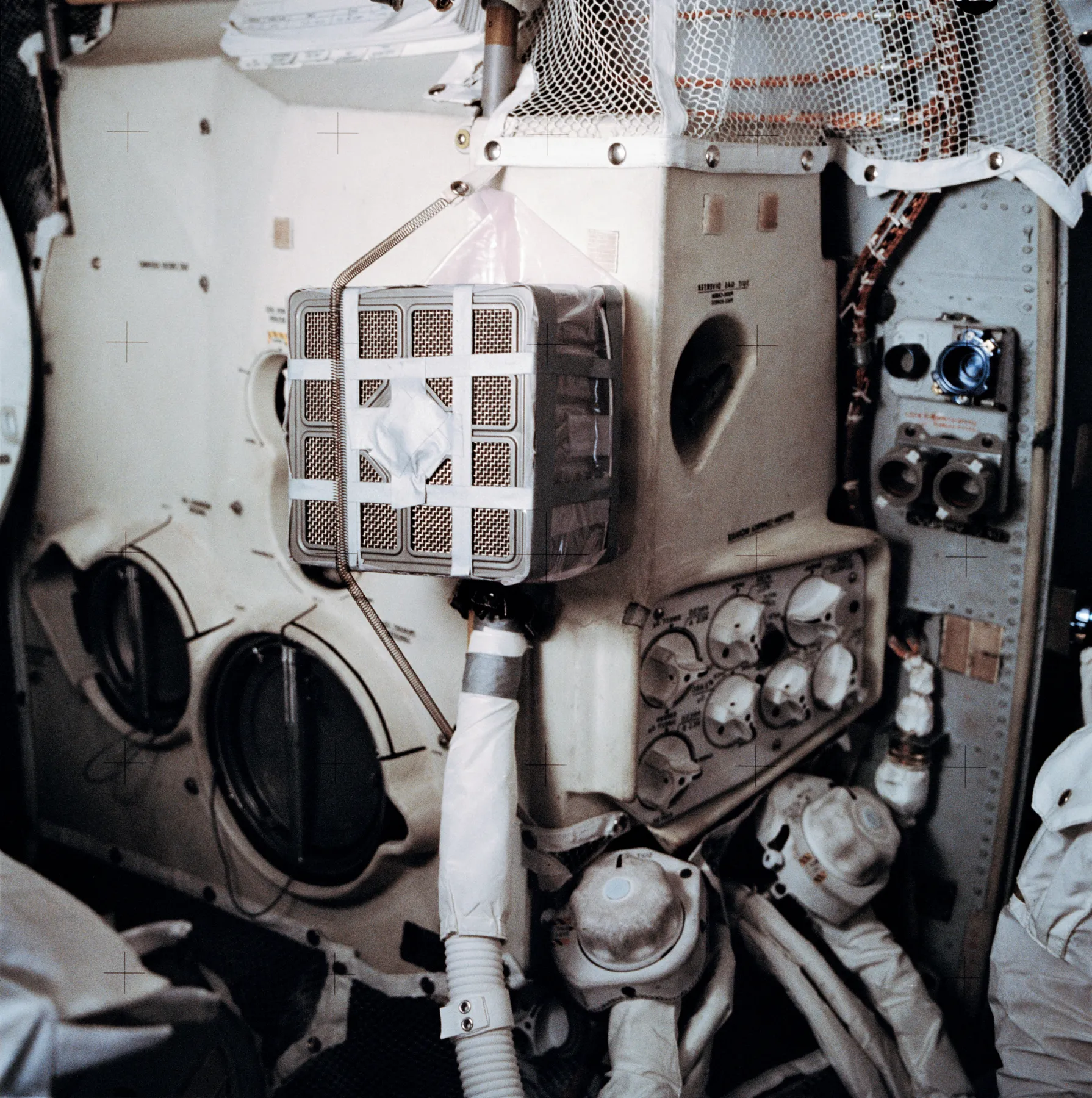
The Apollo 13 CO2 'mailbox'
ダクトテープで作った「メールボックス」 画像:NASA

何が起きた?

In 1970, a tank exploded on Apollo 13. The astronauts used the small lander as a lifeboat. They went around the Moon and came back to Earth. It was very cold inside.On April 13, 1970, an oxygen tank exploded on Apollo 13 on the way to the Moon. The command module lost power and oxygen, so the three astronauts used the lunar module Aquarius as a lifeboat, swung around the Moon and headed home. The lander was built for two people for about two days; now it had to keep three alive for nearly four. To save power, they turned off the heaters, and it became bitterly cold.1970年4月13日、月へ向かっていたアポロ13号で、酸素タンクが爆発しました。電気と酸素をつくる司令船が使えなくなり、3人は月着陸船「アクエリアス」を救命ボートのように使って、月を回って地球へ帰ることにしました。2人用・2日分の着陸船に、3人が4日近く乗る大ピンチ。電気を節約するために暖房も切り、船内は凍えるほど寒くなりました。

どう乗りこえた?

The air filter was square, but the hole was round. Engineers on Earth made a plan with tape, bags and cardboard. The astronauts built it. On April 17, they came home safe.One big danger was carbon dioxide from their breath. The command module's square filters didn't fit the lunar module's round sockets. Engineers on the ground designed an adapter, nicknamed the “mailbox,” using only things on board — plastic bags, cardboard covers, hoses and duct tape — and radioed the instructions. On April 17, the crew splashed down safely in the Pacific.大問題のひとつは、息で出る二酸化炭素。着陸船の空気をきれいにする道具(四角い司令船用のフィルター)と、着陸船の差しこみ口(丸い)の形が合いません。地上のチームは、船内にある物だけ――ビニール袋、ボール紙の表紙、ホース、ダクトテープ――で、四角いフィルターをつなぐ「メールボックス」と呼ばれる装置を考え、作り方を無線で伝えました。4月17日、3人は無事に太平洋へ着水しました。

  • Swigert“Okay, Houston, we've had a problem here.”
  • Lousma (CAPCOM)“This is Houston. Say again, please.”
  • Lovell“Houston, we've had a problem. We've had a Main B Bus Undervolt.”

本物の交信。映画の有名なセリフ「Houston, we have a problem.」は、実際の言葉(we've had a problem)を少し変えたものです。

55時間54分打ち上げから爆発までの時間
4日2人用の着陸船に3人で乗った期間
約3℃船内がいちばん寒かったときの温度(およそ)

💡 NASA はこの経験を「成功した失敗(successful failure)」と呼びます。助かったのは、地上と宇宙の何百人ものチームが、落ち着いて知恵を出し合ったからです。

🎬 映画『アポロ13』の「Failure is not an option(失敗は許されない)」は、映画のために作られたセリフです(のちに管制官ジーン・クランツさんの本の題名にもなりました)。
ピンチ脱出1969

アポロ12号、打ち上げ直後に雷が2回!

Apollo 12: Struck by lightning — twice!

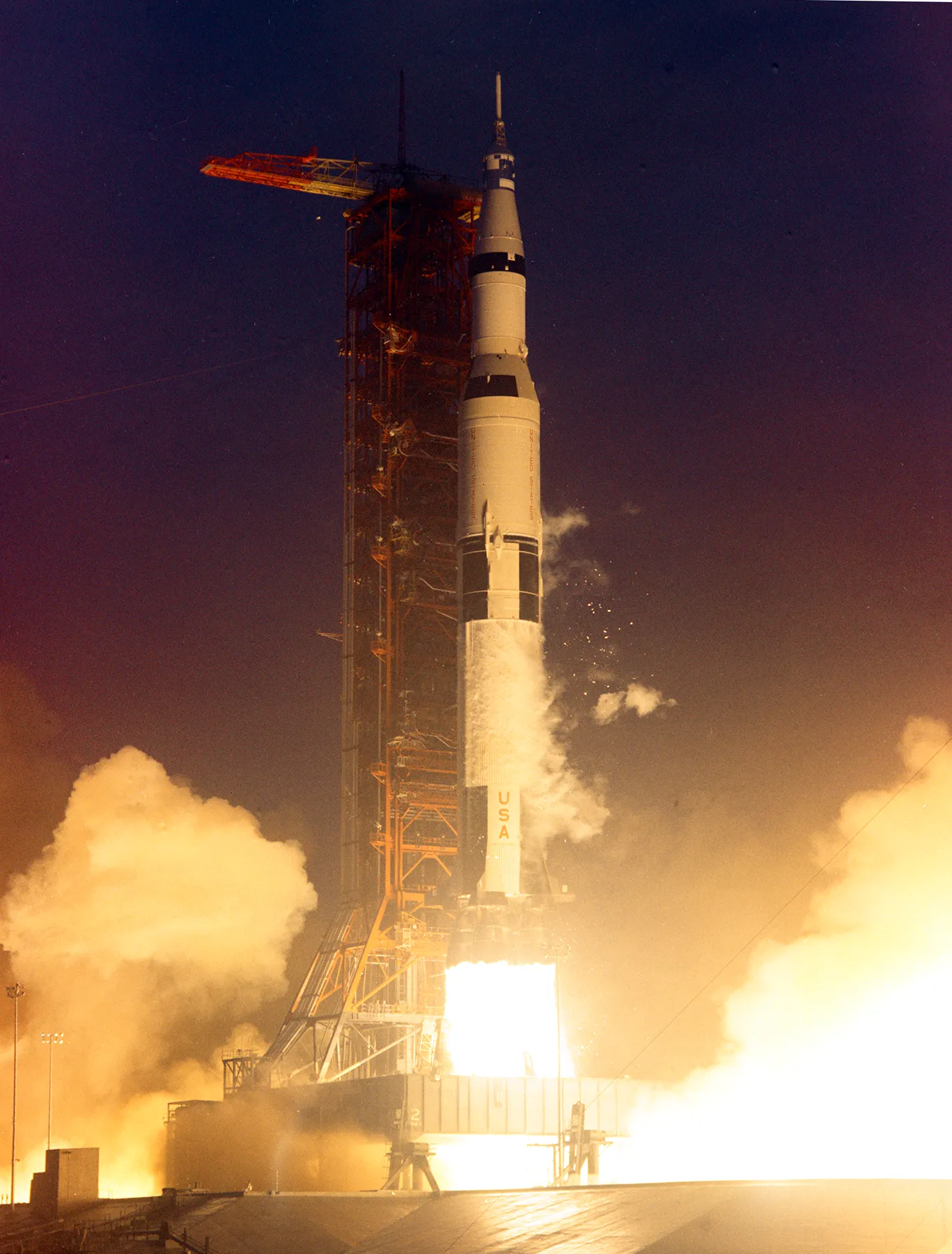
Apollo 12 launch
画像:NASA

何が起きた?

In 1969, lightning hit Apollo 12 two times after launch. Many warning lights came on. Houston had to decide fast.On November 14, 1969, Apollo 12 launched in the rain and was struck by lightning twice, at 36 and 52 seconds after liftoff (the rocket itself likely triggered the strikes). Warning lights lit up all over the spacecraft, and the data reaching the ground turned to nonsense. Mission Control had seconds to decide whether to abort.1969年11月14日、雨の中を打ち上げられたアポロ12号に、36秒後と52秒後の2回、雷が落ちました(ロケット自体が雷を呼びこんだと考えられています)。宇宙船の警告ランプがいっせいに点き、地上に届くデータもめちゃくちゃに。打ち上げを中止するか、一刻を争う状況でした。

どう乗りこえた?

A young controller remembered a rare switch: “SCE to AUX.” An astronaut flipped it. Everything worked again!Flight controller John Aaron remembered seeing that strange data pattern once before in a test. He called, “Try SCE to Aux” — a little-known switch. Lunar module pilot Alan Bean remembered where it was and flipped it. The data came back, Apollo 12 continued to the Moon, and later made a pinpoint landing.管制官のジョン・アーロンさんは、前に一度だけ見たことのある「おかしなデータ」の形を覚えていました。「SCE を AUX に(Try SCE to Aux)」――ほとんどだれも知らない小さなスイッチです。月着陸船パイロットのアラン・ビーンさんがそれを覚えていて切りかえると、データが元にもどり、アポロ12号は月へ向かいました。そして予定どおり月面にピンポイント着陸しました。

  • Conrad“I think we need to do a little more all-weather testing.”

無事に地球を回る軌道に入ったあとの、コンラッド船長のジョーク。

2回落雷の回数
36秒・52秒打ち上げから雷までの時間
約180m着陸地点から、先に月に来ていた無人探査機サーベイヤー3号までの距離

💡 「SCE to AUX」は、いまも NASA で「よく勉強し、落ち着いて考えた人がピンチを救う」話として語りつがれています。

ピンチ脱出1969

アポロ11号、着陸直前の「1202アラーム」

Apollo 11: The 1202 alarm

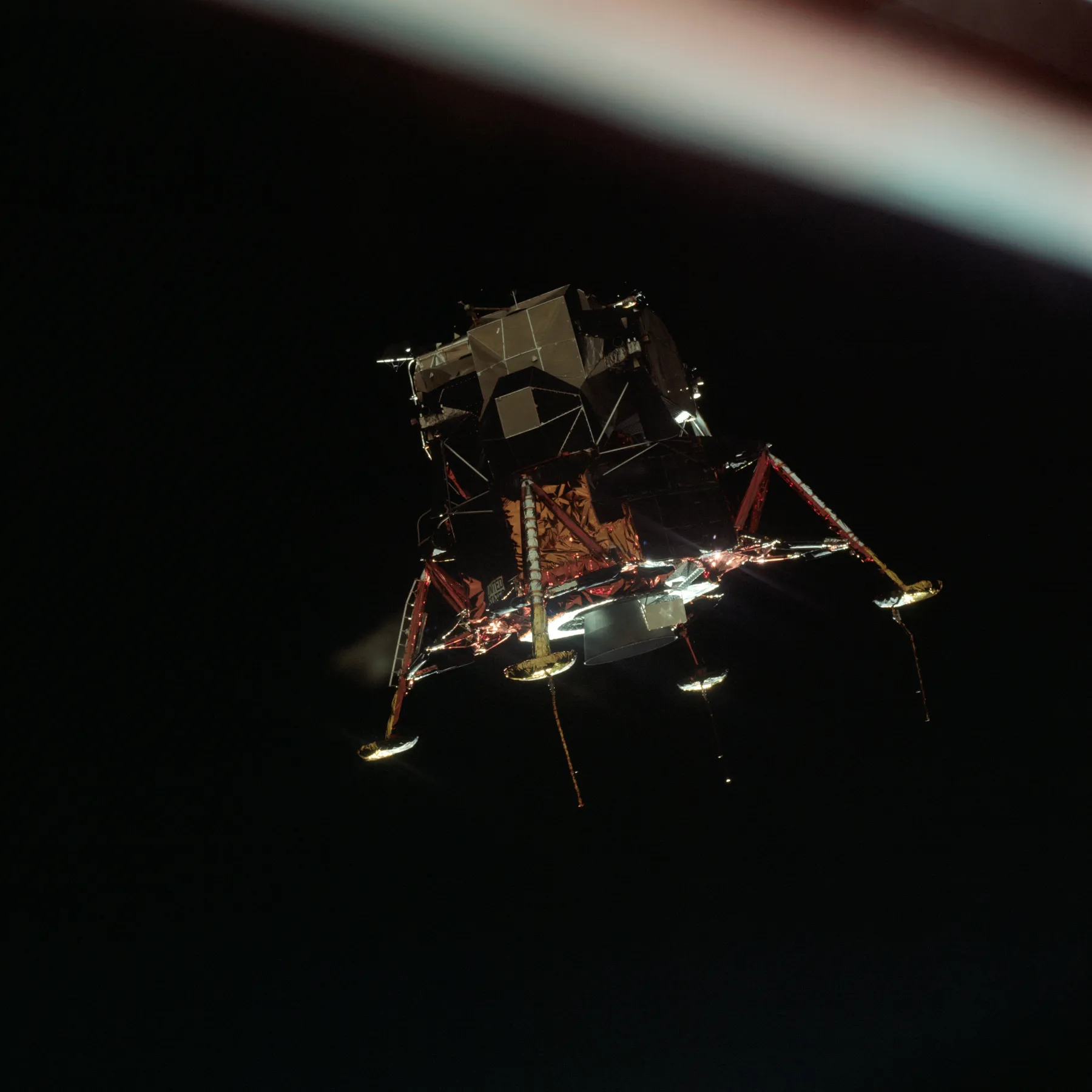
Lunar module Eagle in lunar orbit
画像:NASA

何が起きた?

Just before landing, the computer showed alarms again and again.Minutes before landing on the Moon, the lander's computer flashed unfamiliar alarms — 1202 and 1201 — again and again. An abort would end humanity's first landing attempt.月面まであと数分というところで、着陸船のコンピュータが知らない番号の警報「1202」「1201」を何度も出しました。中止すれば、人類初の月着陸はかないません。

どう乗りこえた?

The computer was too busy. But it did the most important jobs first. Houston said, “Go!”The computer was overloaded by unneeded radar data. But software built by engineers at MIT ran the most important jobs first and dropped the rest, so the calculations needed for landing kept running. In Mission Control, Steve Bales and Jack Garman made the “Go” call within seconds.コンピュータは、いらないレーダーのデータで仕事があふれていました。でも、MIT(マサチューセッツ工科大学)の技術者たちが作ったソフトウェアは、大事な仕事から順にやり、間に合わない仕事は捨てるしくみ。着陸に必要な計算は続いていました。管制室のスティーブ・ベイルズさんとジャック・ガーマンさんは、数秒で「GO(続けてよし)」と判断しました。

約4KBコンピュータの読み書きメモリ
5回降下中に出たアラームの回数

💡 ソフトウェア開発チームを率いたマーガレット・ハミルトンさんは、のちに「ソフトウェア工学」ということばを広めた一人として知られます。

本物の交信で体験する →
修理で大逆転1990

ハッブル宇宙望遠鏡、鏡がピンぼけ!

Hubble: The blurry mirror

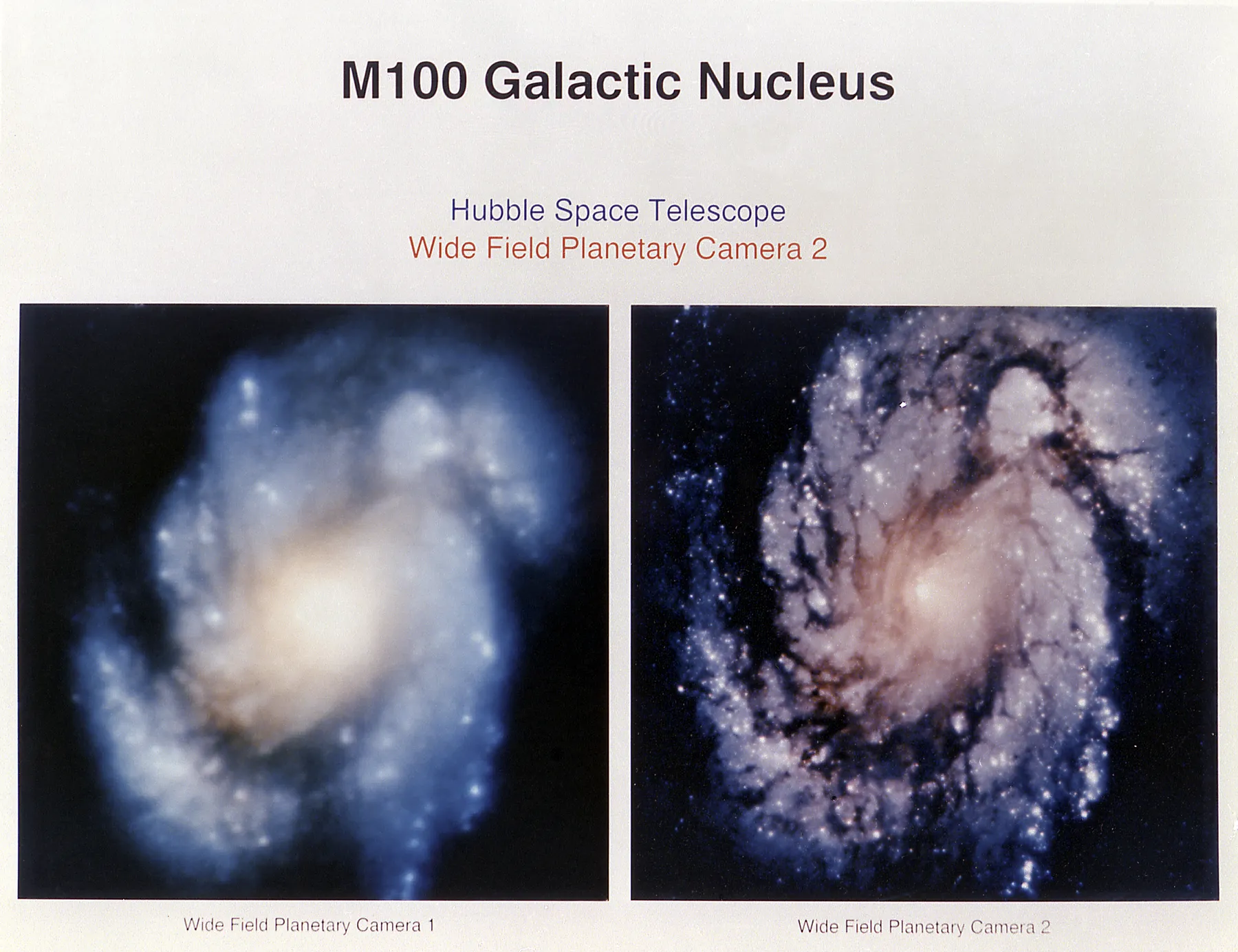
Hubble's M100 before and after the fix
画像:NASA

何が起きた?

Hubble's first pictures were blurry. The big mirror had a tiny mistake in its shape.The Hubble Space Telescope launched in 1990, but its first images were blurry. Its 2.4-meter main mirror had been ground to the wrong shape — off by about 2.2 micrometers at the edge, roughly 1/50 the width of a human hair. Comedians made jokes about it.1990年に打ち上げられたハッブル宇宙望遠鏡。ところが、最初に届いた写真はぼやけていました。直径2.4mの主鏡が、ふちの部分で髪の毛の太さの約50分の1(約2.2マイクロメートル)だけ、まちがった形にけずられていたのです。「失敗の望遠鏡」と笑われてしまいました。

どう乗りこえた?

In 1993, astronauts fixed Hubble in space. They gave it “glasses.” Now its pictures are sharp and beautiful.In December 1993, seven astronauts on Space Shuttle Endeavour repaired Hubble in orbit during five spacewalks. They installed COSTAR, which corrected the light like eyeglasses, and a new camera. The images became sharp, and Hubble went on to make discoveries for more than 30 years, including measuring the age of the universe.1993年12月、スペースシャトル・エンデバーの宇宙飛行士7人が、宇宙でハッブルを修理しました(5回の船外活動)。メガネのように光の通り道を直す装置「COSTAR」と、新しいカメラを取りつけると、写真はくっきり! ハッブルはその後30年以上、宇宙の年齢の測定など、たくさんの大発見をしています。

約2.2µm鏡のずれ(髪の毛の約50分の1)
5回修理の船外活動
30年以上その後の大活躍

💡 失敗を隠さず、宇宙で直すという前例のない方法で取りもどしました。この経験が、のちの宇宙での修理や、ウェッブ望遠鏡の慎重な点検にも生かされています。

失敗から学ぶ1999

マーズ・クライメート・オービター、単位のまちがい

Mars Climate Orbiter: A mix-up of units

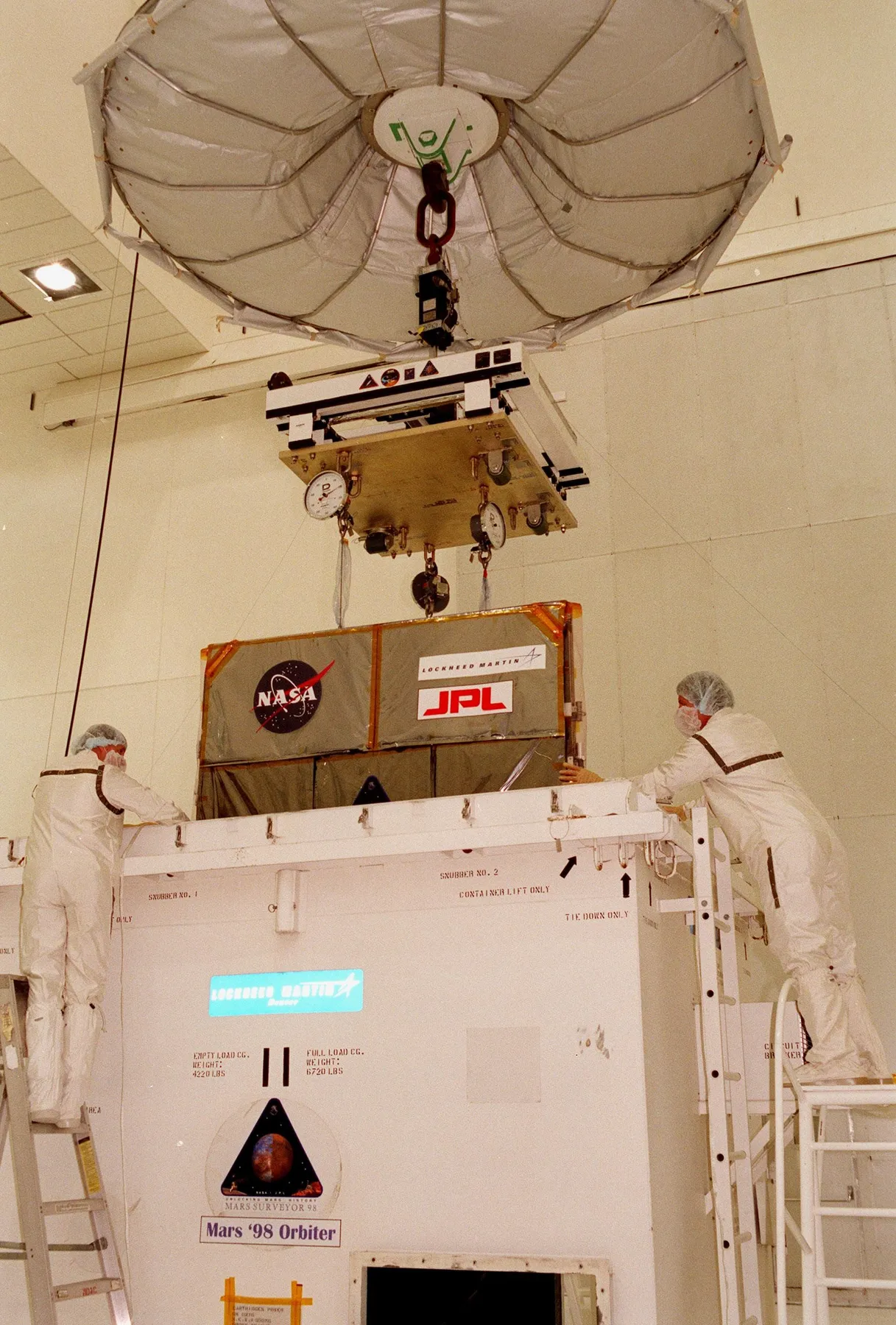
Mars Climate Orbiter before launch
画像:NASA

何が起きた?

In 1999, a Mars spacecraft was lost. One team used American units. Another team used metric units.On September 23, 1999, the Mars Climate Orbiter arrived at Mars, flew far too low, and was lost. Ground software from the spacecraft's builder, Lockheed Martin, reported thruster impulse data in pound-force seconds (lbf·s), while the navigation team at NASA's Jet Propulsion Laboratory treated the numbers as newton-seconds (N·s) — a difference of about 4.45 times.1999年9月23日、火星に着いた探査機「マーズ・クライメート・オービター」は、予定よりずっと低いところを通ってしまい、行方がわからなくなりました。原因は、小さな噴射エンジン(スラスター)が宇宙船をおした量(力積)のデータ。探査機を作った会社ロッキード・マーティンの地上ソフトウェアは「ポンド重・秒(lbf·s)」というアメリカの単位で出していたのに、NASA ジェット推進研究所(JPL)の航法チームは、それをメートル法の「ニュートン・秒(N·s)」として使っていました。1ポンド重・秒は約4.45ニュートン・秒なので、計算が約4.45倍ずれていたのです。

どう乗りこえた?

NASA told everyone what went wrong. Now students learn from it: always write your units!NASA published the cause openly and overhauled how teams check units and verify each other's work. Today the story is used in science and engineering classes around the world to teach: always write your units!NASA は原因を公表し、単位のチェックや、チームどうしの確認のしかたを大きく見直しました。この話は、いまでも世界中の理科や工学の授業で「単位はかならず書こう」の例として使われています。

約4.45倍1ポンド重・秒=約4.45ニュートン・秒
1999年火星到着の年

💡 宿題の答えに「cm」や「kg」を書き忘れたら、思い出してね。

まさかの大成功2004

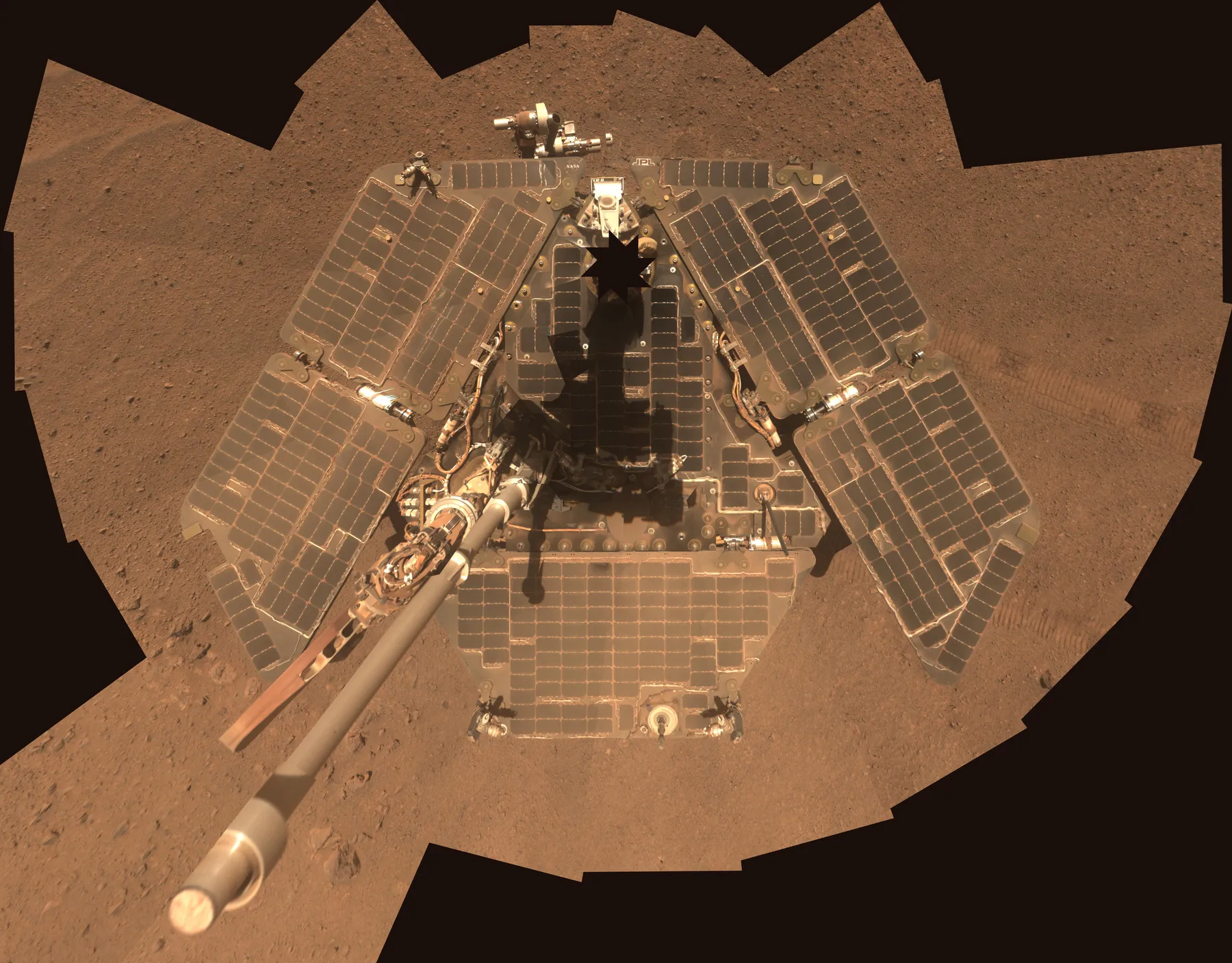
90日の予定が15年!火星探査車オポチュニティ

Opportunity: Planned for 90 days, lasted 15 years

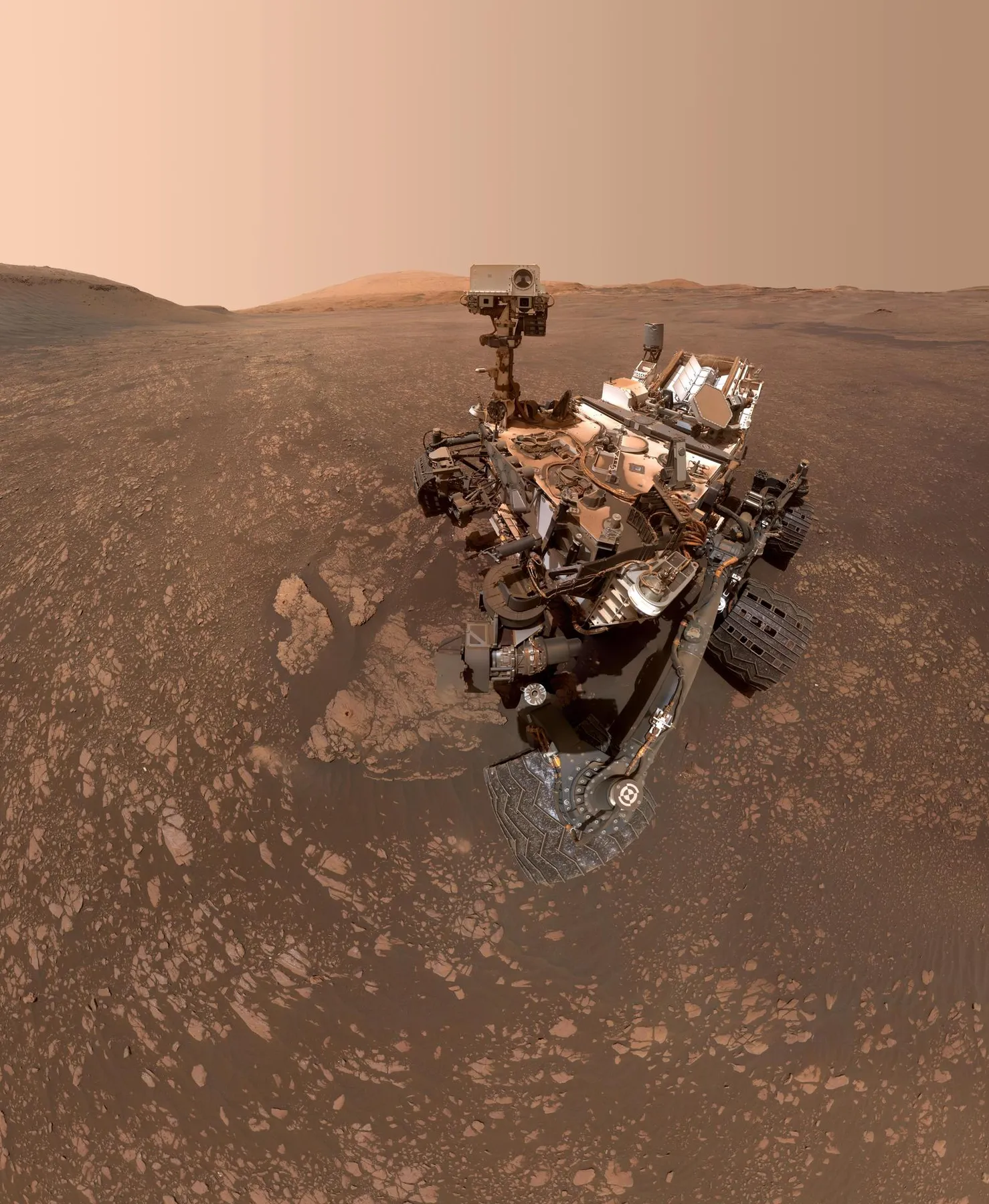
Opportunity self-portrait (2014)
画像:NASA/JPL-Caltech/Cornell Univ./Arizona State Univ.

何が起きた?

Two rovers landed on Mars in 2004. They were planned to work for 90 days. Opportunity worked for almost 15 years!In January 2004, the twin rovers Spirit and Opportunity landed on Mars, planned to work for about 90 Martian days. Helped by Martian winds that cleaned dust off their solar panels, Spirit worked for more than six years, and Opportunity kept going for nearly 15 years, until 2018.2004年1月、火星に着いた2台の探査車スピリットとオポチュニティ。予定の活動期間は、火星の90日ほどでした。ところが、火星の風が太陽電池パネルのほこりを吹き飛ばしてくれたこともあり、スピリットは6年以上、オポチュニティはなんと2018年まで約15年も走り続けました。

どう乗りこえた?

Opportunity drove about 45 km. That is longer than a marathon! It found signs of old water on Mars.Opportunity drove about 45 km — longer than a marathon — creeping along at a few tens of meters per hour, and found strong evidence that ancient Mars had water.オポチュニティが走った距離は約45km。フルマラソン(約42km)より長い道のりを、時速数十メートルで少しずつ進みました。昔の火星に水があった証拠もたくさん見つけました。

約90日はじめの予定
約15年オポチュニティの活動
約45km走った距離
まさかの大成功2021

「恐怖の7分間」、パーサビアランスの着陸

Perseverance: Seven minutes of terror

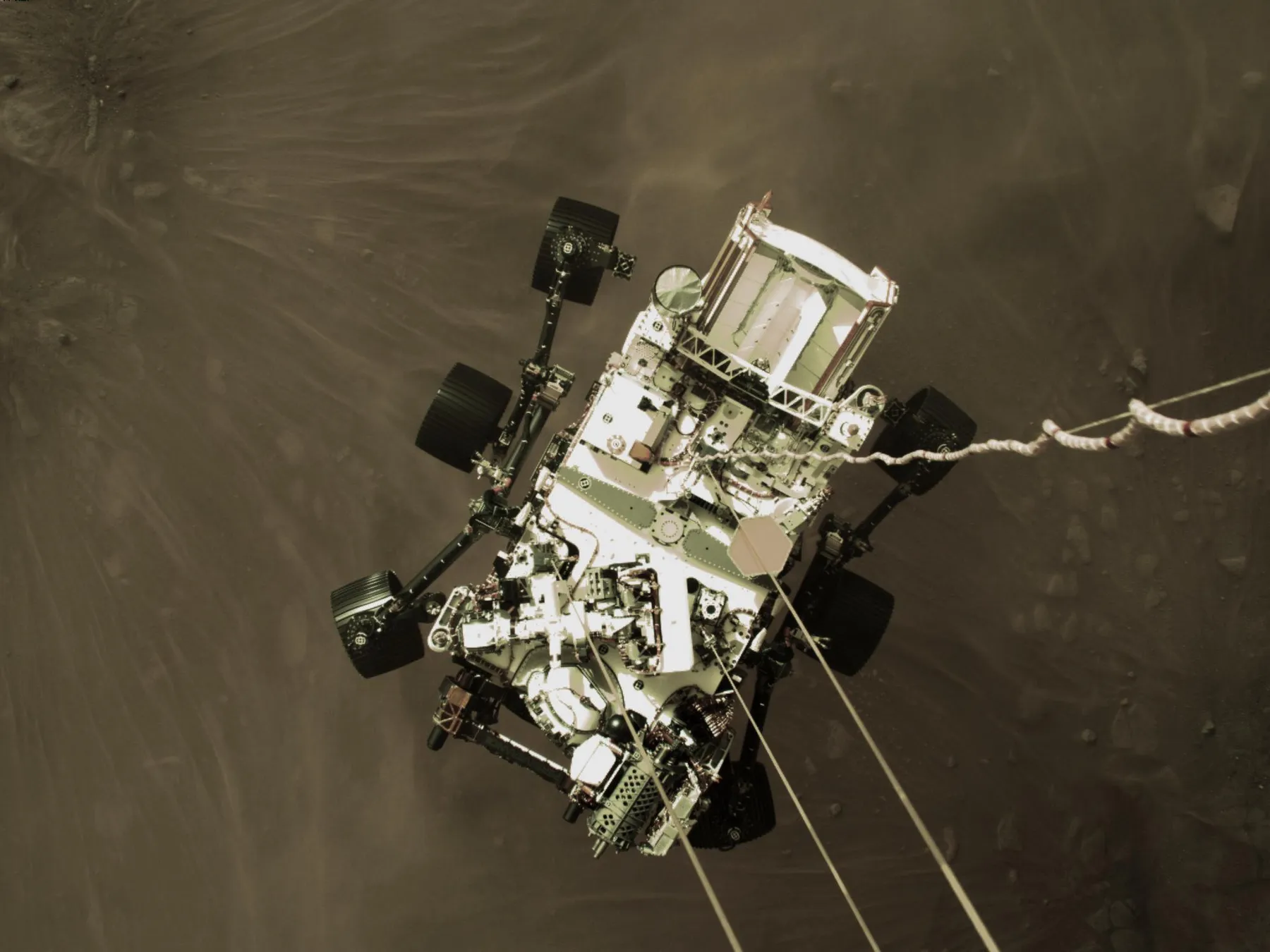
Perseverance being lowered to Mars
画像:NASA/JPL-Caltech

何が起きた?

Landing on Mars takes about 7 minutes. The rover must do it all by itself. People call it “seven minutes of terror.”To land on Mars, a spacecraft must slow from about 20,000 km/h to a stop in roughly seven minutes. Radio signals take many minutes to travel between Mars and Earth, so no one can steer it live — it must do everything by itself. Engineers call it the “seven minutes of terror.”火星に着陸するとき、探査機は時速約2万kmから、たった7分ほどで止まらなければなりません。火星と地球は電波でも何分もかかるほど遠いので、地上から操縦はできず、すべて自動です。NASA の人たちはこれを「恐怖の7分間」と呼びます。

どう乗りこえた?

In 2021, a “sky crane” lowered the rover on ropes. It landed safely!On February 18, 2021, Perseverance landed gently, lowered on cables from a rocket-powered “sky crane” after its parachute. Cameras recorded the whole landing. Its little helicopter, Ingenuity, was about to make history too.2021年2月18日、パーサビアランスは、パラシュートと、ロケット付きの「スカイクレーン」でロープにつるされて、そっと着地しました。そのようすは探査機のカメラで撮影され、上から撮った写真も残っています。いっしょに運ばれた小さなヘリコプター「インジェニュイティ」も、このあと大活躍します。

約7分大気に入ってから着地まで
約2万km/h大気に入るときの速さ
まさかの大成功2021

火星の空を飛んだヘリコプター、インジェニュイティ

Ingenuity: The first flight on another world

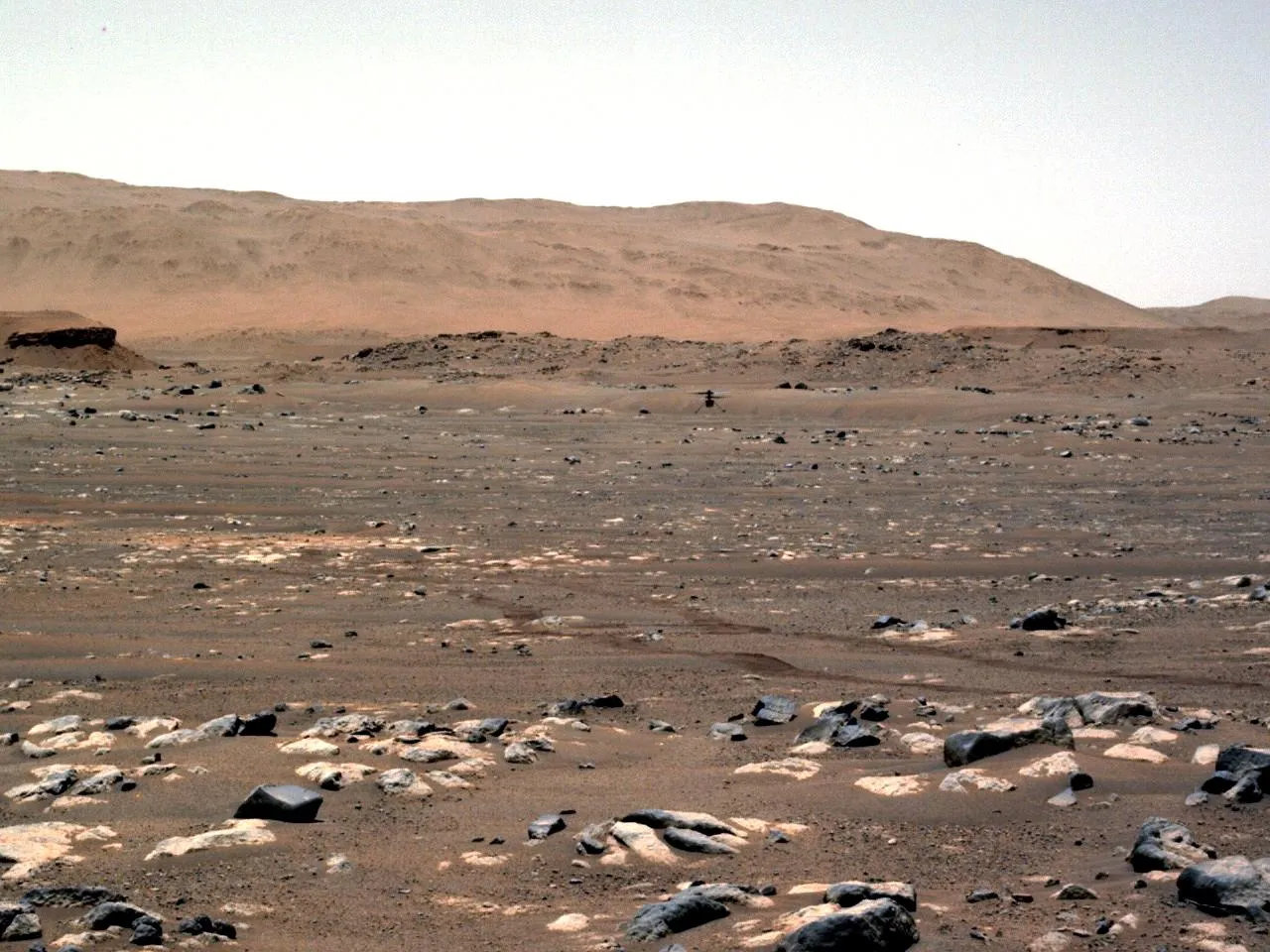
Ingenuity's first flight
画像:NASA/JPL-Caltech

何が起きた?

Mars has very thin air. A small helicopter flew there in 2021. It was the first flight on another planet!Mars's air is only about 1% as thick as Earth's. To test whether flight was possible there, NASA built a tiny 1.8-kilogram helicopter. On April 19, 2021, it made the first powered, controlled flight on another planet.火星の空気は、地球の約100分の1しかありません。そんな場所で飛べるか試すため、重さ約1.8kgの小さなヘリコプターが作られました。2021年4月19日、地球以外の星で初めて、動力で空を飛びました。

どう乗りこえた?

The plan was 5 flights. It flew 72 times!The goal was up to five flights. Instead, Ingenuity flew 72 times over about three years, even scouting routes for the rover. In January 2024, damage to its rotor blades ended its flying days.予定は「5回飛べれば大成功」。ところがインジェニュイティは、約3年間でなんと72回も飛び、探査車の道案内までしました。2024年1月、羽根がこわれて飛べなくなりましたが、「ほかの星の空を飛べる」ことをはっきり証明しました。

約1.8kg重さ
5回→72回予定と実際の飛行回数
修理で大逆転2024

240億km先のボイジャー1号を、地球から修理

Fixing Voyager 1 from 24 billion km away

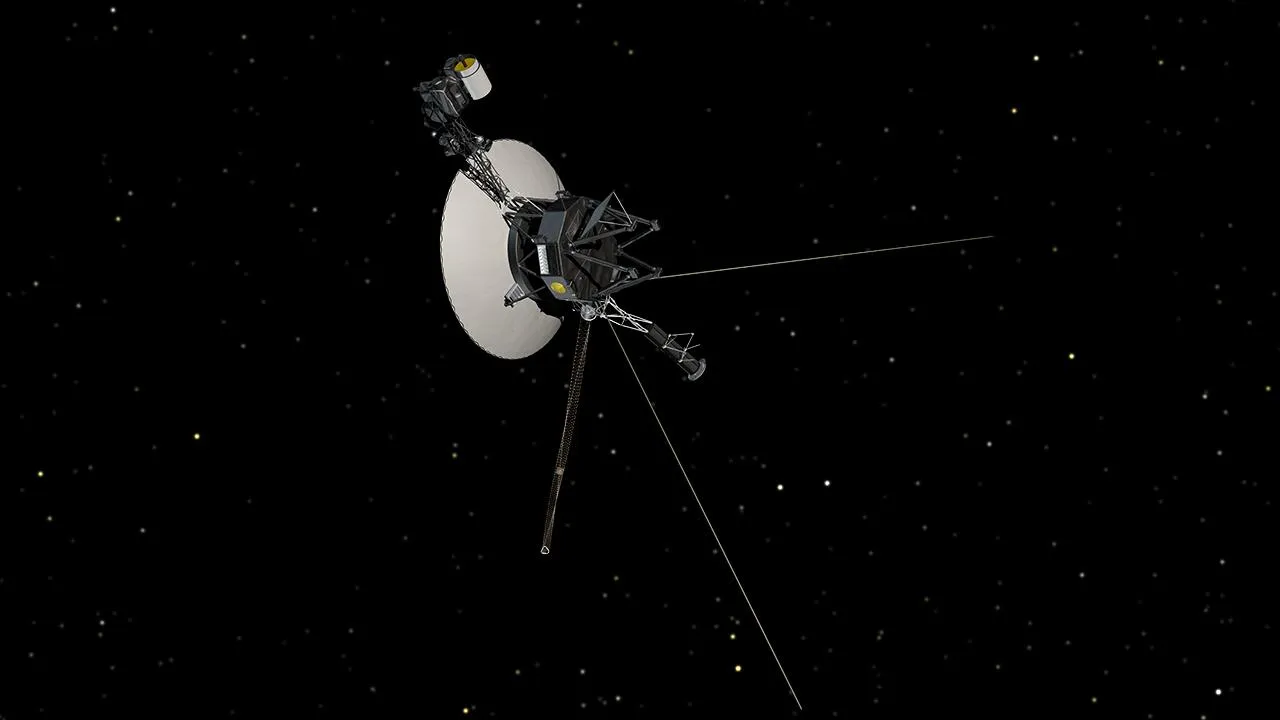
Voyager in space (artist concept)
画像:NASA/JPL-Caltech

何が起きた?

Voyager 1 is very, very far away. In 2023, it started sending strange data. A radio message takes almost a day to reach it.Launched in 1977, Voyager 1 is the most distant human-made object. In November 2023, the data it sent turned into gibberish. With radio signals taking about 22.5 hours each way, the team pored over nearly 50-year-old design documents.1977年に打ち上げられたボイジャー1号は、いま人類が作ったいちばん遠くにある物です。2023年11月、ボイジャー1号から届くデータが、意味のない0と1の並びになってしまいました。電波が届くのに片道約22時間半。地上のチームは、50年近く前のコンピュータの設計図を読み直しました。

どう乗りこえた?

Part of its memory was broken. The team moved the program to a new place. In 2024, Voyager 1 worked again!The cause was a failed piece of memory. The team split the affected code into pieces and sent commands to move it to other places in memory. In April 2024, Voyager 1 began sending useful data again — a repair made from more than 24 billion kilometers away.原因は、メモリの一部のこわれでした。チームは、こわれた場所にあったプログラムを小さく分けて、ほかの場所に引っ越しさせる命令を送りました。2024年4月、ボイジャー1号は、ふたたび意味のあるデータを送ってきました。地球から240億km以上はなれた場所での、遠隔修理です。

約22.5時間電波が片道で届く時間(2024年)
1977年打ち上げ
240億km以上地球からの距離
失敗から学ぶ2024

アルテミス1号の熱シールドから学んだこと

Learning from Artemis I’s heat shield

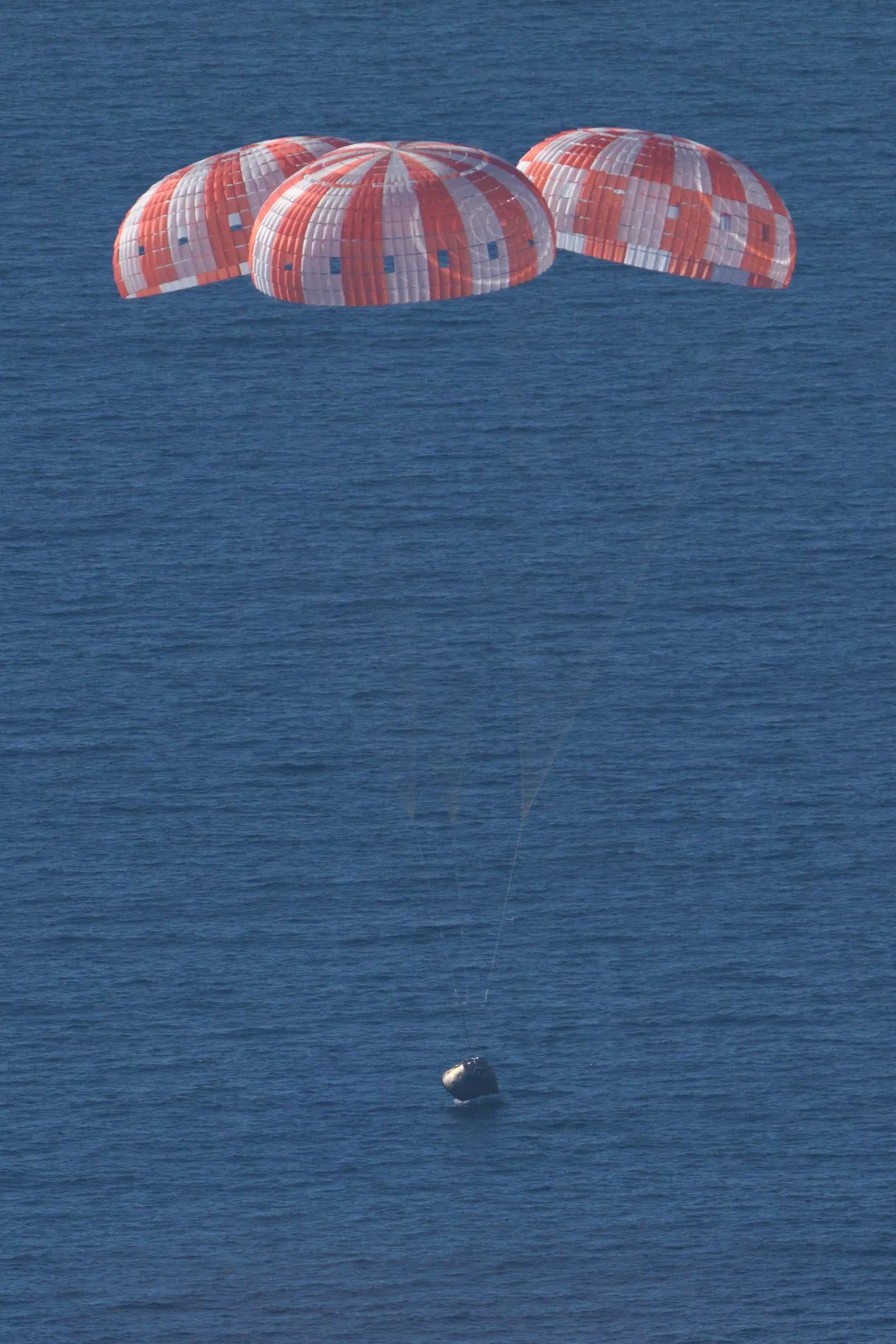
Artemis II splashdown
画像:NASA/James Blair

何が起きた?

After Artemis I, NASA found a problem on the heat shield.When the uncrewed Orion returned from Artemis I in 2022, engineers found that its heat shield had shed material in an unexpected way during reentry.2022年、無人で月を回ったアルテミス1号のオリオン宇宙船。帰ってきて調べると、大気に入るときの高温から守る「熱シールド」の表面が、予想とちがう形ではがれていました。

どう乗りこえた?

NASA studied the problem for two years. It changed how Orion comes back. In 2026, the Artemis II crew came home safe.NASA spent about two years investigating and announced its findings in 2024. For Artemis II, it changed Orion's reentry path to reduce stress on the heat shield. In April 2026, the four astronauts came home safely along that path.NASA は約2年かけて原因を調べ、2024年に結果を公表。アルテミス2号では、大気に入るときの飛び方を変えて、熱シールドへの負担を減らすことにしました。2026年4月、4人の宇宙飛行士はこの飛び方で無事に帰ってきました。

約2年原因の調査
2026年4月アルテミス2号が無事に帰還

IN MEMORY

わすれない

宇宙への挑戦では、命が失われた事故もありました。1967年のアポロ1号の火災(3人)、1986年のスペースシャトル・チャレンジャー号(7人)、2003年のコロンビア号(7人)。NASA は毎年、亡くなった人たちを追悼する日を設け、事故の原因を徹底的に調べて、宇宙船の安全に生かしてきました。いまの宇宙飛行士たちが安全に旅できるのは、その積み重ねのおかげです。

MORE TO EXPLORE

ほかのコーナーも見てみよう