


 この展示室のワークシート
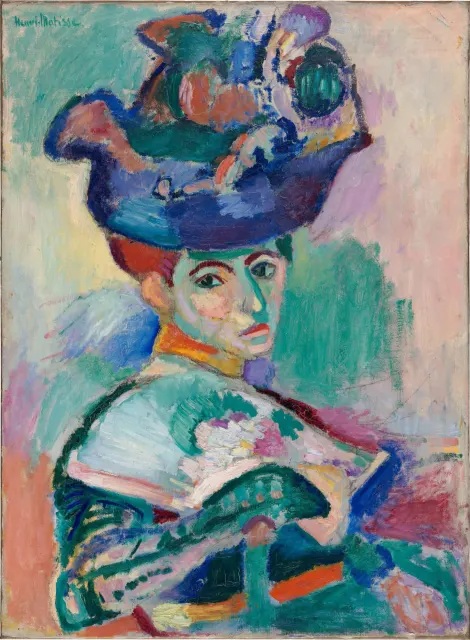
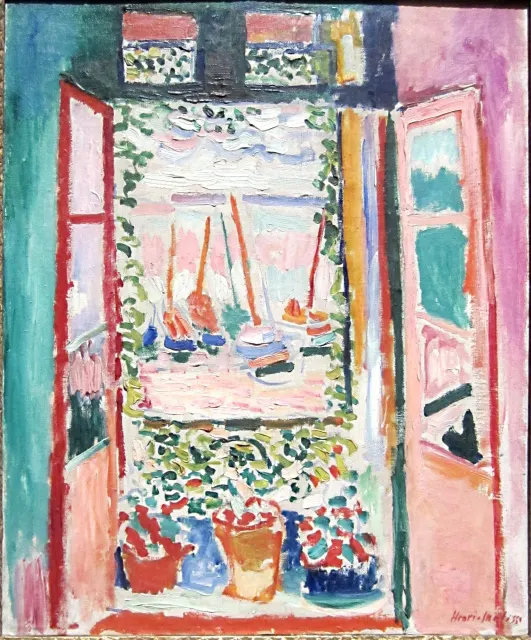
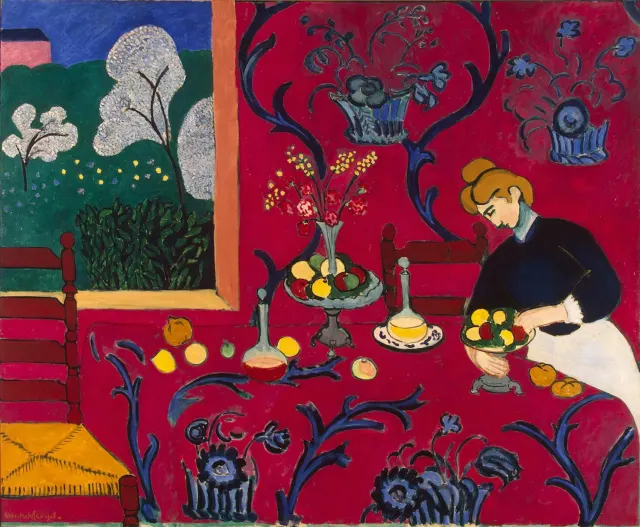
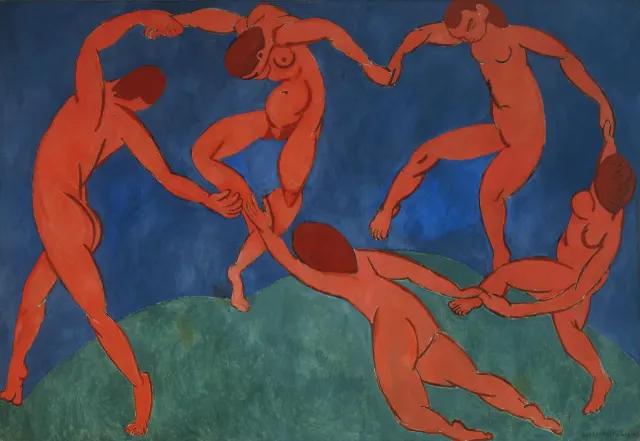
1905年、パリの展覧会で、マティスたちのあまりに激しい色の絵を見た批評家は、部屋にあった古典風の彫刻を指して「野獣(フォーヴ)たちに囲まれたドナテッロだ」と書きました。ここから「フォーヴィスム(野獣派)」の名が生まれます。顔を緑に、空を赤に。色は見たままではなく、気持ちを表すための道具になりました。
In 1905, a critic at a Paris exhibition saw the wildly colorful paintings of Matisse and his friends. Pointing to a classical-style sculpture in the room, he wrote that it was like 'Donatello among the wild beasts', or fauves. That gave us the name Fauvism. A face could be green and a sky red. Color was no longer about what you see. It was a tool for feeling.
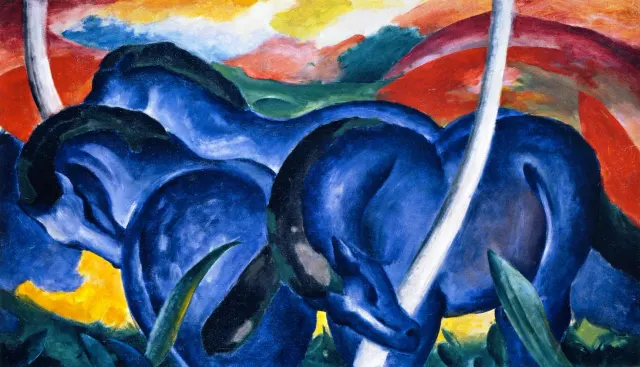
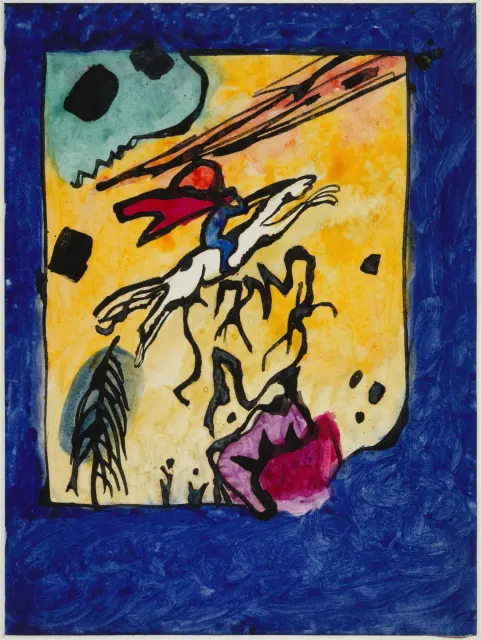
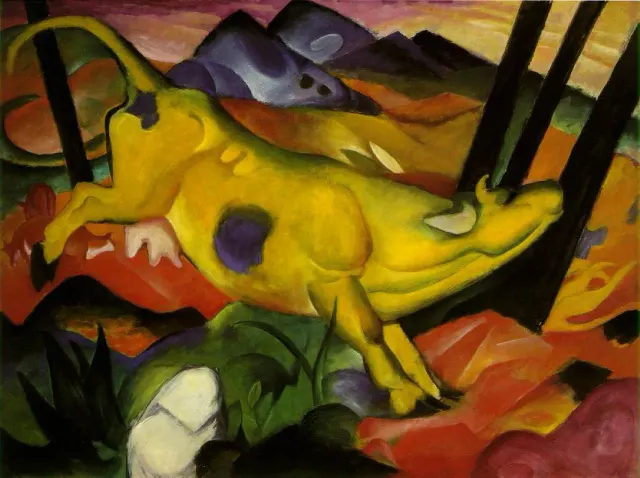
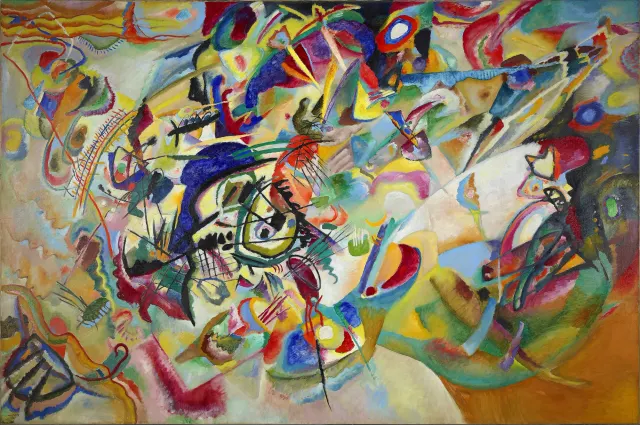
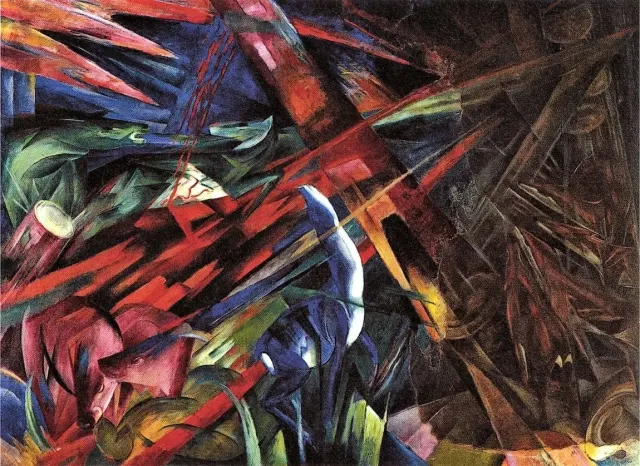
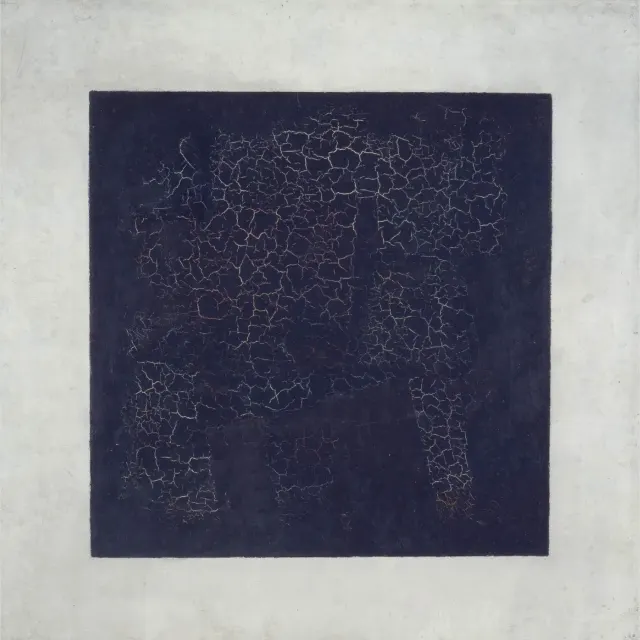
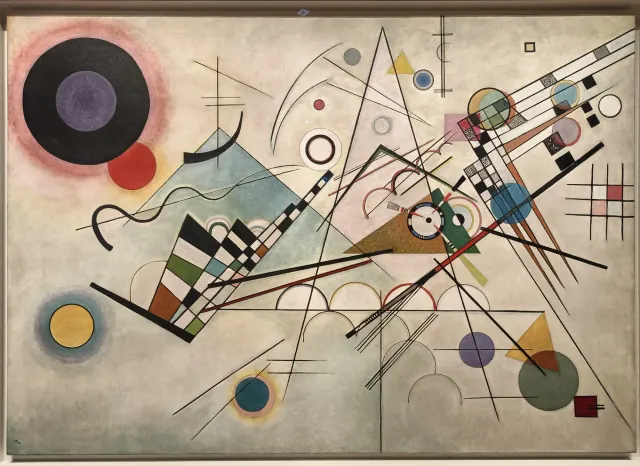
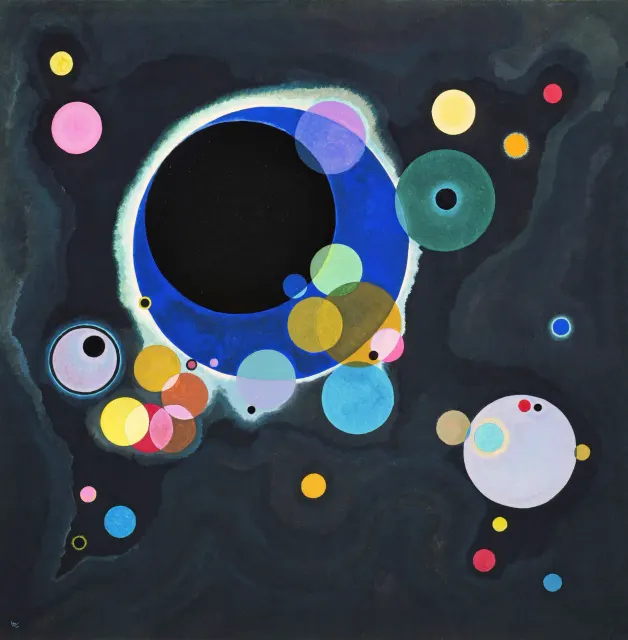
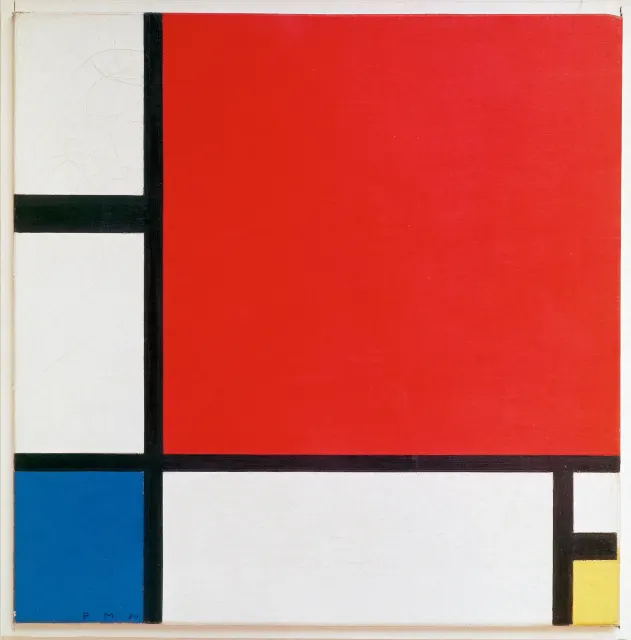
ドイツのミュンヘンでは、カンディンスキーとフランツ・マルクが「青騎士」というグループを作りました。マルクは青い馬などの動物を鮮やかな色で描き、カンディンスキーは、音楽のように色と形だけで心を表す「抽象絵画」へと進みました。ロシアのマレーヴィチは白地に黒い四角だけの絵を、オランダのモンドリアンは、成熟期には縦横の黒い線と赤・青・黄などに画面をしぼりこみました。
In Munich, Germany, Wassily Kandinsky and Franz Marc formed a group called The Blue Rider. Marc painted animals like blue horses in bright colors, and Kandinsky moved toward abstract art, expressing feelings through color and shape alone, like music. In Russia, Malevich painted just a black square on white, and in the Netherlands, Mondrian, in his mature works, reduced his pictures mainly to black vertical and horizontal lines and blocks of red, blue and yellow.
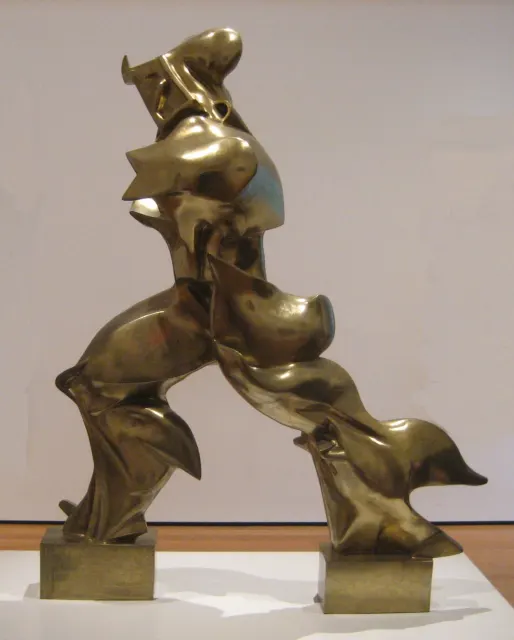
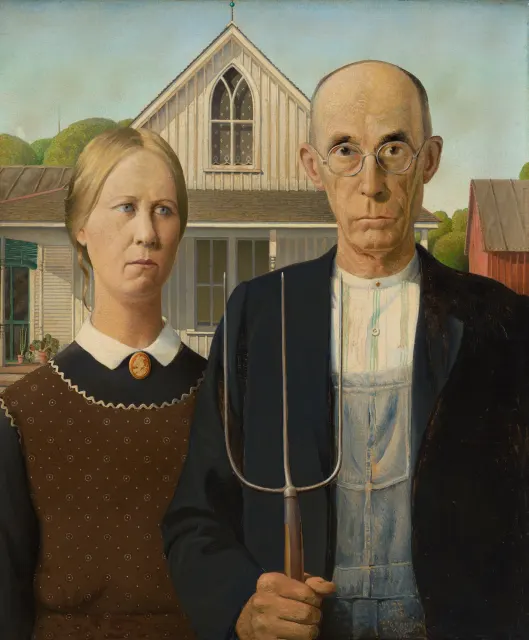
イタリアの「未来派」は、自動車や機械のスピードを芸術にしようとし、ボッチョーニは前へ進む人の動きを彫刻にしました。一方アメリカでは、グラント・ウッドの『アメリカン・ゴシック』のように、地方の暮らしや風景を描く「リージョナリズム」が生まれました。わずか30年ほどのあいだに、絵の常識はすっかり変わったのです。
In Italy, the Futurists tried to turn the speed of cars and machines into art, and Boccioni made a sculpture of a figure striding forward. Meanwhile, in America, Regionalist painters like Grant Wood, in American Gothic, showed rural life and landscapes. In only about 30 years, the rules of painting had completely changed.
