軽騎兵 序曲
Light Cavalry
スッペ・1866
トランペットが鳴り、馬がかけ出す!元気がわく序曲。
喜歌劇「軽騎兵」序曲のページへRomantic · 1819–1895
「ウィンナ・オペレッタの父」The father of Viennese operetta
 スプリト(クロアチア)
 ウィーン(オーストリア)1 曲を収録
運動会でおなじみの『軽騎兵』!ウィーンの劇場をわかせた序曲の名人。The overture master who set Vienna's theaters galloping.
 スッペの名曲を聴く
スッペ・1866
トランペットが鳴り、馬がかけ出す!元気がわく序曲。
喜歌劇「軽騎兵」序曲のページへ
ホー!スッペの本名はイタリア風で、名前がずらりと並ぶ、とっても長い名前なんだ。
 生涯 Life Story
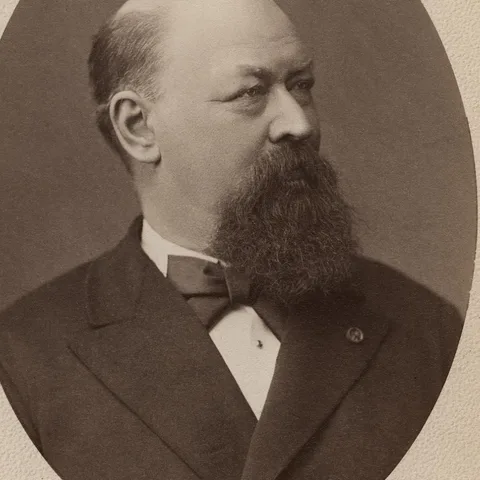
スッペは1819年、アドリア海に面した町スパラト(いまのクロアチアのスプリト)で生まれました。当時この町はオーストリア帝国の一部で、父は帝国の役人、母はウィーン生まれでした。生まれたときには「フランチェスコ・エゼキエーレ・エルメネジルド」という、長いイタリア風の名前をつけられました。少年時代は近くの町ザラでフルートと和声(和音のしくみ)を学び、町の楽団長や大聖堂の聖歌隊長に励まされて作曲を始めました。Suppé was born in 1819 in Spalato, a town on the Adriatic coast that is now Split in Croatia. At the time it belonged to the Austrian Empire. His father was an imperial civil servant, and his mother came from Vienna. At birth he was given the long Italian names Francesco Ezechiele Ermenegildo. As a boy he studied the flute and harmony in the nearby town of Zara, and a local bandmaster and a cathedral choirmaster encouraged him to compose.
1835年に父が亡くなったあと、母とともにウィーンへ移り、モーツァルトの弟子にあたるザイフリートに音楽を学びました。1840年からは劇場支配人ポコルニーのもとで作曲家・指揮者として働き、ヨーゼフシュタット劇場、アン・デア・ウィーン劇場、カール劇場などで、100を超える舞台の音楽を書きました。『詩人と農夫』『軽騎兵』などの序曲は、いまも世界中で演奏される人気曲です。After his father died in 1835, he moved to Vienna with his mother and studied with Ignaz von Seyfried, a pupil of Mozart. From 1840 he worked as a composer and conductor for the theater manager Franz Pokorny. At the Theater in der Josefstadt, the Theater an der Wien and the Carltheater, he wrote music for more than a hundred stage productions. His overtures, such as Poet and Peasant and Light Cavalry, are still played all over the world.
大きな転機は1860年の『寄宿学校』でした。パリのオッフェンバックの人気に刺激されたこの作品は、ドイツ語のオリジナル台本による初めてのオペレッタで、本格的なウィーン・オペレッタの始まりとよく言われます。その後も『美しいガラテア』(1865)、『ファティニッツァ』(1876)、『ボッカチオ』(1879)とヒットを重ね、ヨハン・シュトラウス2世らとともにウィーンのオペレッタの黄金時代を作りました。His big breakthrough came in 1860 with Das Pensionat. Inspired by the success of Offenbach in Paris, it was the first operetta written to an original German text, and it is often called the start of true Viennese operetta. More hits followed, including Die schöne Galathée in 1865, Fatinitza in 1876 and Boccaccio in 1879. Together with Johann Strauss II and others, Suppé helped create the golden age of Viennese operetta.
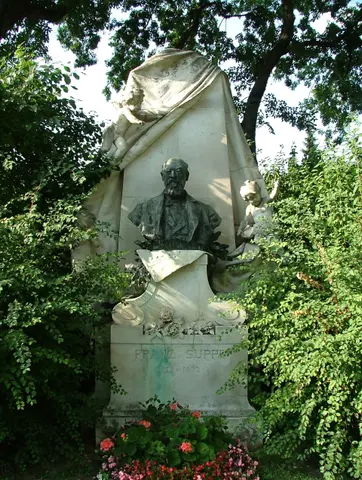
スッペは1895年5月21日、ウィーンで76歳で亡くなり、ウィーン中央墓地に眠っています。たくさんのオペレッタのうち、いま全曲が上演されるものは多くありませんが、序曲はオーケストラや吹奏楽の定番として生き続け、日本でも『軽騎兵』は運動会でおなじみです。なお、のちの研究で、本人が自分の生い立ちを少し話を盛って語っていたらしいこともわかってきました。Suppé died in Vienna on 21 May 1895, aged 76, and he is buried in the Vienna Central Cemetery. Few of his many operettas are staged in full today, but his overtures live on as favorites of orchestras and wind bands. In Japan, Light Cavalry is a familiar sound at school sports days. Later research has also shown that Suppé seems to have dressed up some of the stories he told about his own early life.
Suppé was born in 1819 in a seaside town that is now in Croatia. He moved to Vienna as a young man. He wrote music for many theaters there. His Light Cavalry Overture sounds like running horses. You may hear it at a school sports day in Japan!スッペは1819年、いまはクロアチアにある海辺の町で生まれました。若いころにウィーンへ移りました。そこでたくさんの劇場のために音楽を書きました。序曲『軽騎兵』は、走る馬のように聞こえます。日本の学校の運動会で聴くことがあるかもしれません!
 これだけは!鉄板情報 Must-Know Facts
 あっと驚くネタ Surprising Stories
 タップすると答えが開きます
スッペが生まれたときの名前は、イタリア風の「フランチェスコ・エゼキエーレ・エルメネジルド」。古い本ではさらに「デメッリ」などがついた長い名前で紹介されますが、これはのちの研究でまちがいとされています。ウィーンではドイツ風に「フランツ」を名乗り、「フランツ・フォン・スッペ」として知られるようになりました。
At birth Suppé was given the Italian names Francesco Ezechiele Ermenegildo. Older books add even more names, such as 'Demelli', but later research has shown this to be wrong. In Vienna he used the German form Franz, and the world came to know him as Franz von Suppé.
楽しい舞台音楽の名人スッペは、1855年、恩人の劇場支配人ポコルニーのためにレクイエム(死者のためのミサ曲)も書いています。モーツァルトのレクイエムへのあこがれが強く、同じニ短調で、その旋律を引用した部分もあります。長く忘れられていましたが、1984年にイギリスのBBCラジオで復活しました。
Suppé, the master of cheerful stage music, also wrote a Requiem in 1855 for his patron, the theater manager Pokorny. It shows his deep love of Mozart's Requiem: it is in the same key of D minor and even quotes Mozart directly. Long forgotten, it was revived by BBC Radio 3 in 1984.
イタリア・オペラの大作曲家ドニゼッティは、スッペ家の遠い親戚だったと言われています。ただし、はっきりした証拠があるわけではなく、確かなことはわかっていません。スッペがイタリア・オペラの明るい歌心を身につけていたことは、序曲のメロディーからもよく伝わってきます。
The great Italian opera composer Gaetano Donizetti is said to have been a distant relative of the Suppé family. However, there is no firm proof, so we cannot be sure. What is certain is that Suppé had a feel for sunny Italian melody, as you can hear in his overtures.
スッペの若いころの話は、1905年に出た伝記がもとになっていますが、その中身は本人や周りの人のあいまいな思い出にたよっていました。のちの研究では、スッペ自身が生い立ちを少しドラマチックに話を盛っていたらしいことがわかり、大学で何を学んだかなども説が分かれています。
Much of what we know about Suppé's youth comes from a 1905 biography based on unreliable memories. Later research suggests that Suppé himself made parts of his life story more dramatic than they really were. Even what he studied at university is unclear: some accounts say law, others philosophy.
スッペが書いた歌「おお、わがオーストリア(O du mein Österreich)」は、オーストリアでとても愛され、音楽学者から「オーストリア第2の国歌」とまで呼ばれています。行進曲としても演奏され、外国生まれのスッペが、すっかりウィーンっ子になっていたことがわかります。
Suppé's song O du mein Österreich (Oh, My Austria) became so beloved that one music scholar called it Austria's second national song. It is also played as a march. It shows how completely this composer, born far from Vienna, became a true Viennese.
まじめな作風で知られるブラームスは、学生歌をつなぎ合わせた自作『大学祝典序曲』(1880)のことを、冗談まじりに「スッペ風の、にぎやかな学生歌のメドレー」と表現したと伝えられています。にぎやかで楽しい序曲といえばスッペ、というイメージが当時のウィーンで広まっていたことがわかります。
Brahms, known for his serious music, is reported to have joked that his Academic Festival Overture (1880), built from student songs, was a noisy medley of student songs in the style of Suppé. It shows that in Vienna at the time, a fun and boisterous overture meant one name: Suppé.
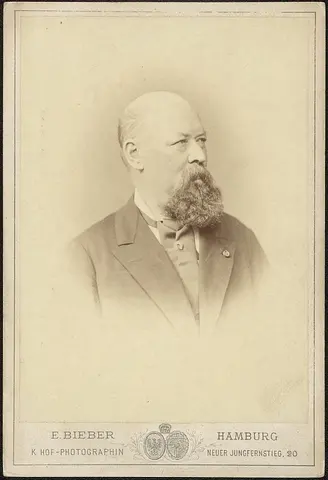
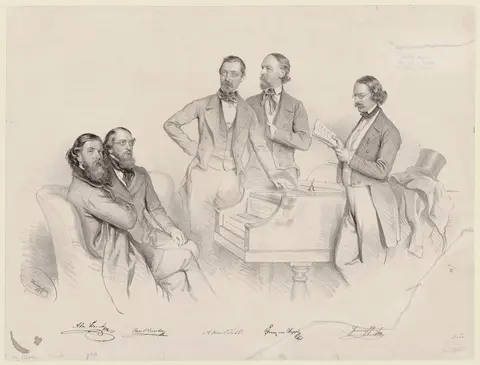
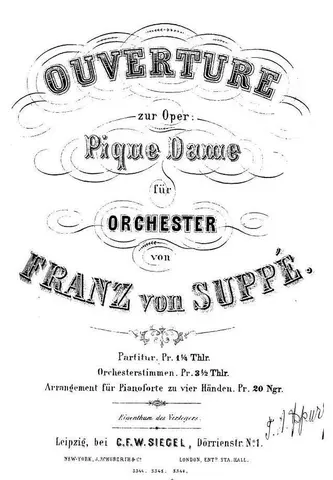
 肖像画・写真・自筆譜 Gallery (Public Domain)
Wikimedia Commons でパブリックドメイン(または CC0)と確認した画像です。クリックで拡大。
 年表 Timeline
 スッペで覚える英単語 Words
 クイズに挑戦 Quiz
MORE COMPOSERS

 MP3