ラデツキー行進曲
Radetzky March
シュトラウス1世・1848
客席みんなで手拍子!新年をしめくくる、元気いっぱいの行進曲。
ラデツキー行進曲のページへRomantic · 1804–1849
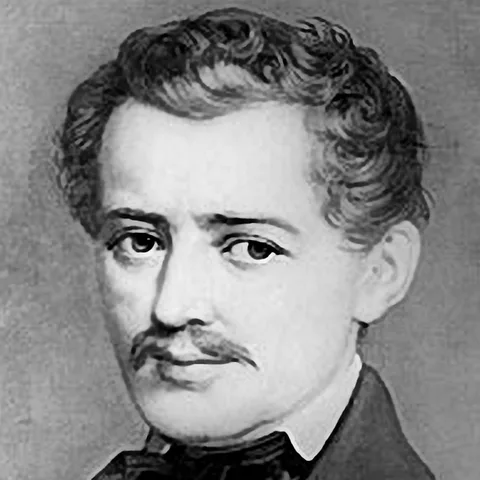
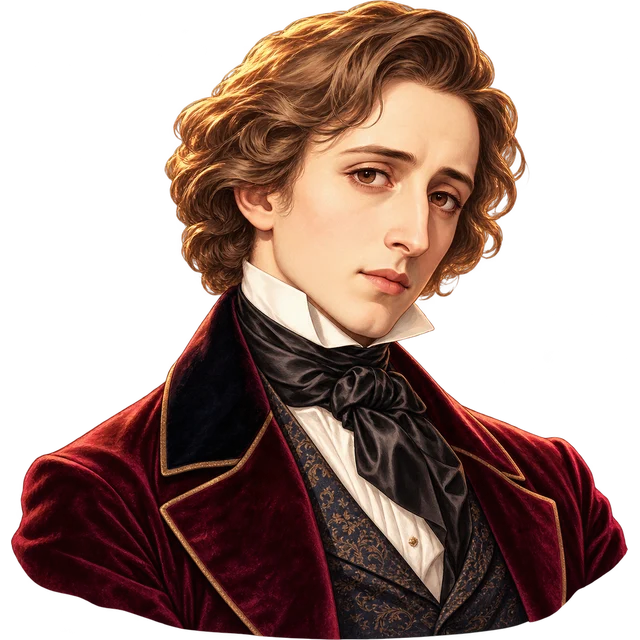
「ワルツの父」The Father of the Waltz
 ウィーン(オーストリア)
 ウィーン(オーストリア)1 曲を収録
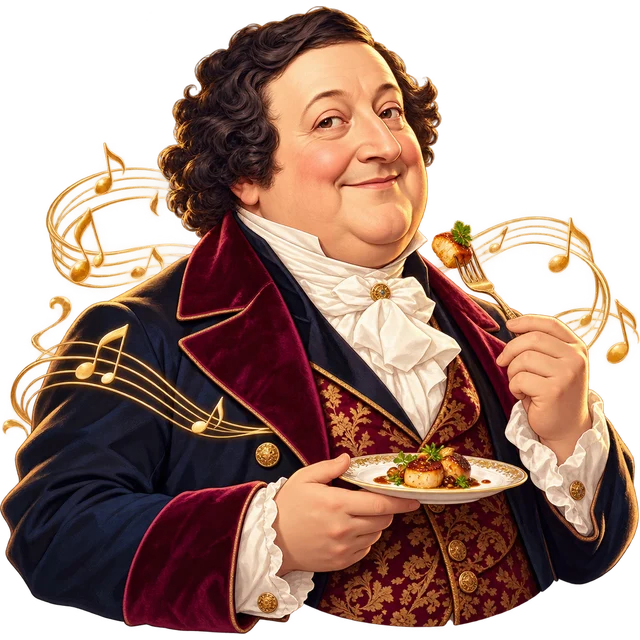
『ラデツキー行進曲』で、ウィーン・フィルの新年を手拍子とともにしめくくる人。His Radetzky March traditionally ends the Vienna Philharmonic's New Year's Concert, with the audience clapping along.
 シュトラウス1世の名曲を聴く
シュトラウス1世・1848
客席みんなで手拍子!新年をしめくくる、元気いっぱいの行進曲。
ラデツキー行進曲のページへ
ホー!『ラデツキー行進曲』では、お客さんが手拍子で参加するのがお約束なんだ。
 生涯 Life Story
ヨハン・シュトラウス1世は1804年、ウィーンのレオポルトシュタットという地区で、居酒屋を営む家に生まれました。幼いころに母を、少年時代に父を亡くし、製本職人の見習いとして働きはじめます。それでもヴァイオリンが大好きで、やがて音楽家の道へ進みました。ダンス楽団でヴィオラやヴァイオリンを弾きながら、腕をみがいていきます。Johann Strauss I was born in 1804 in Leopoldstadt, a district of Vienna, where his parents ran an inn. He lost his mother when he was small and his father when he was a boy, and he started work as an apprentice bookbinder. But he loved the violin, and in time he chose the life of a musician. He sharpened his skills playing the viola and violin in dance bands.
若いシュトラウスは、作曲家ヨーゼフ・ランナーの楽団に加わり、仲間として活躍します。しかし1825年ごろに独立し、自分の楽団を作りました。二人は人気を競い合うライバルとなり、ウィーンの人々を二分する「ワルツ合戦」をくり広げます。シュトラウスの楽団は、リズミカルで元気なワルツやポルカで大人気になりました。The young Strauss joined the band of the composer Joseph Lanner and played alongside him. Around 1825, however, he went his own way and formed his own orchestra. The two became rivals for the public's favor, and their 'waltz war' split Vienna into two camps. Strauss's orchestra became hugely popular with its rhythmic, lively waltzes and polkas.
シュトラウスは楽団を率いて、ドイツ、フランス、イギリスなどヨーロッパ各地へ演奏旅行に出かけました。1838年にはヴィクトリア女王の戴冠式の時期にロンドンで演奏し、大評判を呼びます。一方、家庭では息子たちが音楽家になることに反対し、やがて家族とはなれて別の女性と暮らすようになりました。Strauss took his orchestra on tours across Europe, to Germany, France, Britain and beyond. In 1838 he performed in London during the celebrations for Queen Victoria's coronation and caused a sensation. At home, though, he was against his sons becoming musicians, and in time he left his family to live with another woman.
1848年、イタリアでのオーストリア軍の勝利をたたえて作った『ラデツキー行進曲』は大ヒットになりました。しかし翌1849年、猩紅熱という病気にかかり、45歳の若さでウィーンで亡くなります。お葬式には大勢のウィーン市民が集まったと伝えられています。楽団は息子ヨハン2世が引きつぎ、シュトラウス家のワルツは世界へ広がっていきました。In 1848 he wrote the Radetzky March to celebrate an Austrian army victory in Italy, and it was a huge hit. But the following year he caught scarlet fever and died in Vienna at only 45. Reports say that great crowds of Viennese people came to his funeral. His son Johann II took over the orchestra, and the waltzes of the Strauss family spread around the world.
Johann Strauss I was born in Vienna in 1804. He loved the violin. He had his own dance orchestra. People in Vienna loved his waltzes. He wrote the Radetzky March. At the New Year's Concert in Vienna, people usually clap to it.ヨハン・シュトラウス1世は1804年にウィーンで生まれました。ヴァイオリンが大好きでした。自分のダンス楽団を持っていました。ウィーンの人々は彼のワルツが大好きでした。彼は『ラデツキー行進曲』を書きました。ウィーンのニューイヤーコンサートでは、ふつう人々がこの曲に合わせて手拍子をします。
 これだけは!鉄板情報 Must-Know Facts
 あっと驚くネタ Surprising Stories
 タップすると答えが開きます
元日のウィーン・フィルのニューイヤーコンサートでは、伝統的に最後のアンコールで『ラデツキー行進曲』が演奏されます。このとき観客は指揮者の合図に合わせて手拍子をし、大きくしたり小さくしたりします。会場と演奏が一体になる名物の場面です。
At the Vienna Philharmonic's New Year's Concert on January 1, the Radetzky March is traditionally played as the final encore. The audience claps along, following the conductor's signals to clap louder or softer. It is a famous moment when the hall and the orchestra become one.
曲の名前になっているラデツキーは、オーストリア軍の名将ヨーゼフ・ラデツキー将軍です。1848年、80歳をこえていた将軍がイタリアで勝利をおさめたことを祝って、この行進曲が作られました。今では将軍よりも曲のほうがずっと有名です。
The Radetzky in the title is Field Marshal Joseph Radetzky, a famous Austrian general. The march was written in 1848 to celebrate a victory he won in Italy when he was over eighty years old. Today the music is far more famous than the general himself.
シュトラウス1世は、長男ヨハンには銀行員のような安定した仕事についてほしいと考え、音楽家になることに反対しました。ところが母アンナがこっそり応援し、息子は父の楽団のヴァイオリン奏者からひそかにレッスンを受けていたのです。
Strauss I wanted his eldest son, Johann, to have a safe career, such as working in a bank, and opposed his becoming a musician. But the boy's mother, Anna, secretly supported him, and he secretly took violin lessons from a violinist in his father's own orchestra.
1844年、18歳の息子ヨハン2世が自分の楽団でデビューすると、父と子は人気を争うライバルになりました。1848年の革命のときには、父は皇帝側を応援する『ラデツキー行進曲』を書き、息子は革命側に共感する曲を書いています。
When his eighteen-year-old son, Johann II, made his debut with his own orchestra in 1844, father and son became rivals. During the revolution of 1848, the father wrote the Radetzky March in support of the emperor's side, while the son wrote music that sympathized with the revolutionaries.
 肖像画・写真・自筆譜 Gallery (Public Domain)
Wikimedia Commons でパブリックドメイン(または CC0)と確認した画像です。クリックで拡大。
 年表 Timeline
 シュトラウス1世で覚える英単語 Words
 クイズに挑戦 Quiz
MORE COMPOSERS

 MP3