ファウスト ワルツ
Faust Waltz
グノー・1859
悪魔もいっしょに踊りだす!村祭りの大合唱ワルツ。
歌劇『ファウスト』より「ワルツ」のページへRomantic · 1818–1893
「フランス歌劇の巨匠」A master of French opera
 パリ(フランス)
 サン=クルー(フランス)1 曲を収録
バッハの曲にメロディを重ねて、名曲「アヴェ・マリア」を生んだ人。He laid a new melody over Bach and created a beloved Ave Maria.
 グノーの名曲を聴く
グノー・1859
悪魔もいっしょに踊りだす!村祭りの大合唱ワルツ。
歌劇『ファウスト』より「ワルツ」のページへ
ホー!グノーの作った行進曲は、今もバチカン市国の国歌なんだよ。
 生涯 Life Story
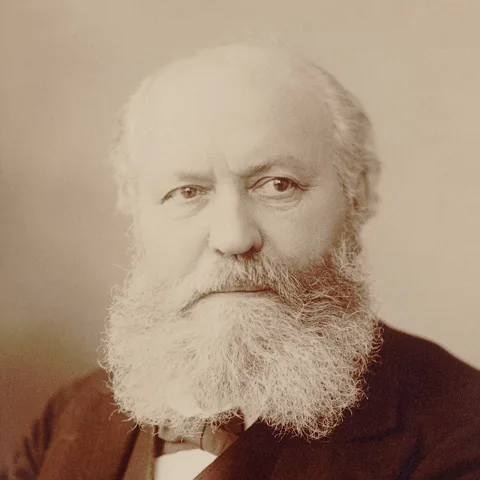
グノーは1818年、パリで生まれました。父は画家、母はピアノの先生で、グノーは母から音楽の手ほどきを受けます。父は彼が5歳のころに亡くなりましたが、母に支えられて音楽の勉強を続け、パリ音楽院に進みました。1839年には若い芸術家のための賞「ローマ賞」をとり、イタリアのローマに留学します。Gounod was born in Paris in 1818. His father was a painter and his mother a piano teacher, and it was his mother who gave him his first music lessons. His father died when Charles was about five, but with his mother's support he kept studying music and entered the Paris Conservatoire. In 1839 he won the Prix de Rome, a prize for young artists, and went to study in Rome.
ローマでグノーは、ルネサンス時代の作曲家パレストリーナの教会音楽に深く感動しました。パリに戻ると教会のオルガン奏者や合唱指揮者として働き、一時は本気で神父になろうと考えて神学を学びます。しかし最後は作曲家の道を選び、オペラの世界へ進みました。信仰への思いは、生涯にわたって彼の音楽の大切な柱になりました。In Rome, Gounod was deeply moved by the church music of the Renaissance composer Palestrina. Back in Paris he worked as a church organist and choir director, and for a time he seriously considered becoming a priest and studied theology. In the end, though, he chose to be a composer and turned to opera. His faith remained an important pillar of his music throughout his life.
1859年、ゲーテの作品をもとにしたオペラ『ファウスト』が初演されます。はじめの反応はおだやかでしたが、やがて世界中で上演される大ヒット作になりました。1883年にニューヨークのメトロポリタン歌劇場が開いたとき、最初に上演されたのもこの作品です。1867年には『ロメオとジュリエット』も成功をおさめます。美しく歌いやすいメロディが、グノーの何よりの持ち味でした。In 1859 his opera Faust, based on Goethe's work, had its premiere. The first reaction was mild, but it soon became a huge hit performed all over the world. When the Metropolitan Opera in New York opened in 1883, Faust was the very first opera it staged. In 1867 his Romeo and Juliet was also a success. Beautiful, singable melodies were Gounod's greatest strength.
1870年、フランスとプロイセンの戦争が始まると、グノーはイギリスへ移り、数年間ロンドンで暮らしました。この間、合唱団の指揮者としても活躍しています。フランスに戻ってからは、オラトリオ『贖罪』など宗教音楽に力を注ぎました。1893年、パリ近郊のサン=クルーで75歳で亡くなりました。メロディを大切にする彼の音楽は、マスネなど後のフランスの作曲家に受けつがれています。When the Franco-Prussian War broke out in 1870, Gounod moved to England and lived in London for several years, where he was also active as a choral conductor. After returning to France, he devoted himself to religious music, such as the oratorio The Redemption. He died in Saint-Cloud, near Paris, in 1893 at the age of 75. His love of melody was carried on by later French composers such as Massenet.
Gounod was born in Paris in 1818. His mother taught him the piano. He once wanted to be a priest. He wrote the opera Faust. He also wrote a famous Ave Maria. He used music by Bach for it.グノーは1818年にパリで生まれました。母がピアノを教えてくれました。一時は神父になりたいと思っていました。オペラ『ファウスト』を書きました。有名な「アヴェ・マリア」も書きました。その曲には、バッハの音楽が使われています。
 これだけは!鉄板情報 Must-Know Facts
 あっと驚くネタ Surprising Stories
 タップすると答えが開きます
グノーが1869年に作曲した『教皇の行進曲』は、1949年にバチカン市国の正式な国歌になりました。世界でいちばん小さな国の国歌を、フランスの作曲家が書いていたのです。今もローマ教皇の大切な行事で演奏されています。
The Pontifical March, which Gounod composed in 1869, became the official anthem of Vatican City in 1949. The anthem of the world's smallest country was written by a French composer, and it is still played at important events with the Pope.
バッハ=グノーの「アヴェ・マリア」は、1853年に『バッハの前奏曲による瞑想曲』という器楽曲として生まれました。そのメロディが人気を集め、のちに祈りの言葉「アヴェ・マリア」がつけられて、今の形の歌になったのです。
The Bach-Gounod Ave Maria began in 1853 as an instrumental piece called Meditation on Bach's First Prelude. The melody became so popular that the words of the prayer Ave Maria were later added, turning it into the song we know today.
グノーのユーモラスな小品『あやつり人形の葬送行進曲』は、1950年代から放送されたアメリカのテレビ番組『ヒッチコック劇場』のテーマ曲に使われました。こわい話の番組にぴったりの、ちょっととぼけた不気味なメロディです。
Gounod's humorous little piece Funeral March of a Marionette was used as the theme tune of the American TV series Alfred Hitchcock Presents, which began in the 1950s. Its odd, slightly spooky melody was perfect for a show of mystery stories.
1883年、ニューヨークに今も世界有数の歌劇場として知られるメトロポリタン歌劇場が開きました。記念すべきこけら落とし公演に選ばれたのが、グノーの『ファウスト』です。当時この作品がどれほど人気だったかがわかります。
In 1883 the Metropolitan Opera, still one of the world's great opera houses, opened in New York. The opera chosen for its historic first night was Gounod's Faust, which shows just how popular the work was at the time.
1840年代、グノーは神学校で学び、黒い僧服を着て過ごした時期がありました。そのため周りから「アベ(神父)・グノー」と呼ばれたこともあります。結局は神父にならず、作曲家として生きる道を選びました。
In the 1840s Gounod studied at a seminary and for a while wore the black clothes of a churchman. Because of this, people sometimes called him 'Abbé Gounod'. In the end he did not become a priest and chose life as a composer.
ロンドンで暮らしていた1871年、グノーは新しくできたロイヤル・アルバート・ホールの合唱団の初代指揮者になりました。この合唱団は今も「ロイヤル・コーラル・ソサエティ」として活動しています。
While living in London in 1871, Gounod became the first conductor of the new choir at the Royal Albert Hall. The choir is still active today as the Royal Choral Society.
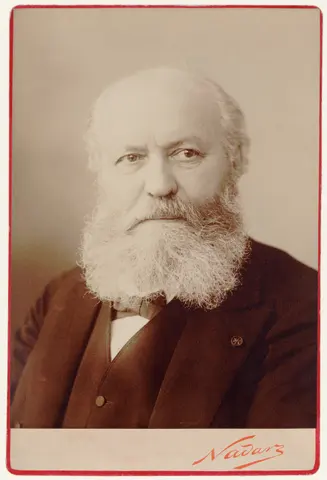
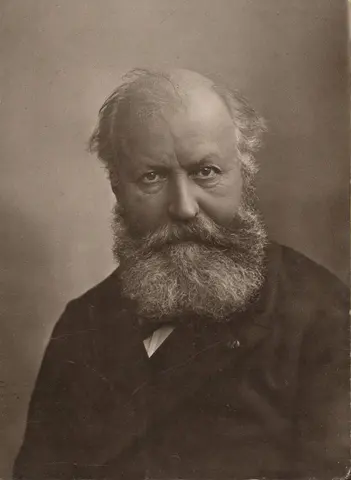
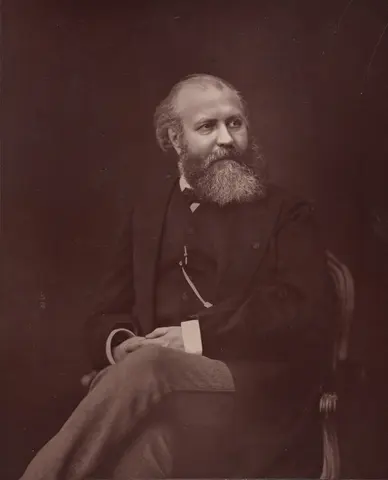
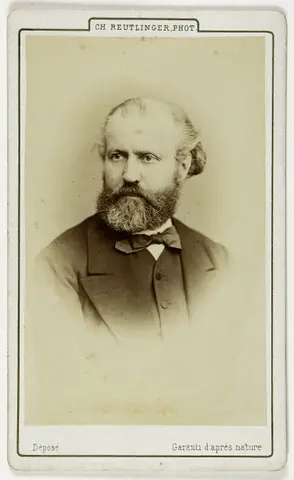
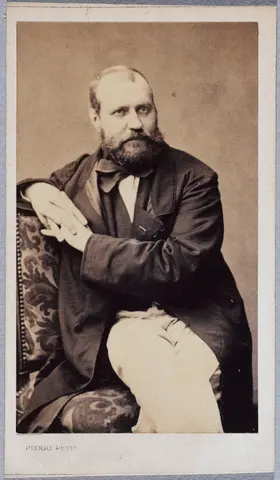
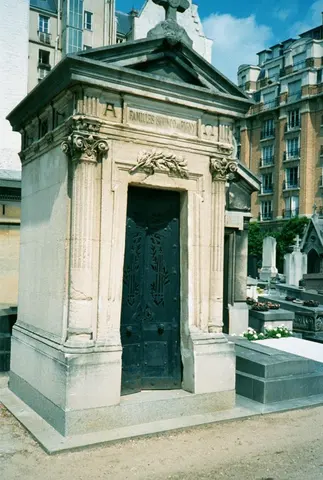
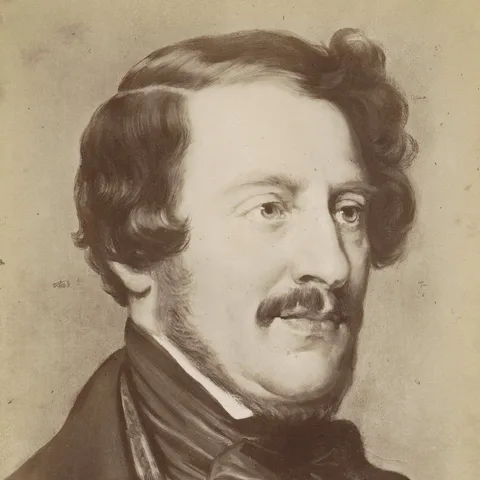
 肖像画・写真・自筆譜 Gallery (Public Domain)
Wikimedia Commons でパブリックドメイン(または CC0)と確認した画像です。クリックで拡大。
 年表 Timeline
 グノーで覚える英単語 Words
 クイズに挑戦 Quiz
MORE COMPOSERS

 MP3