
テ・デウム
Te Deum
シャルパンティエ・c. 1688–1698
パンパカパーン!ヨーロッパのテレビの幕開けを飾ってきた、ごうかな前奏曲。
テ・デウム ニ長調のページへBaroque · 1643–1704
「ユーロビジョンのテーマの作曲家」The composer of the Eurovision theme
 パリまたはその近く(フランス)
 パリ(フランス)1 曲を収録
ヨーロッパのテレビでおなじみのファンファーレは、300年以上前の「テ・デウム」。Europe's famous TV fanfare? A Te Deum written over 300 years ago.
 シャルパンティエの名曲を聴く
シャルパンティエ・c. 1688–1698
パンパカパーン!ヨーロッパのテレビの幕開けを飾ってきた、ごうかな前奏曲。
テ・デウム ニ長調のページへホー!シャルパンティエは、自分の楽譜を28冊にまとめて大事にとっておいたんだよ。
 生涯 Life Story
マルカントワーヌ・シャルパンティエは1643年、パリまたはその近くで生まれました。くわしい誕生日はわかっていません。父は文書を書く仕事の親方でした。18歳で法律の学校に入りましたが、1学期でやめてしまいます。その後イタリアのローマに2〜3年留学し、宗教的なお話を歌で表す「オラトリオ」の名人カリッシミに学んだと考えられています。Marc-Antoine Charpentier was born in 1643 in or near Paris; his exact birthday is unknown. His father was a master scribe. At eighteen he entered law school but left after one term. He then spent two or three years in Rome, where he is thought to have studied with Carissimi, a master of the oratorio — a sacred story told through music.
パリにもどったシャルパンティエは、王家の親せきであるギーズ公爵令嬢に約17年間仕え、たくさんの宗教曲や小さなオペラを書きました。また、作曲家リュリとけんか別れした劇作家モリエールの劇団のために音楽を作り、「病は気から」などの上演にもかかわりました。当時のフランスは、リュリが王の許可でオペラを独りじめしていた時代でした。Back in Paris, Charpentier served Mademoiselle de Guise, a relative of the royal family, for about seventeen years, writing many sacred works and small operas for her household. He also wrote music for the theatre company of the playwright Molière after Molière fell out with Lully, including Le Malade imaginaire. At that time, Lully held a royal monopoly that let him control opera in France.
1687年からは、パリのイエズス会(カトリックの修道会)の学校や教会の音楽監督になりました。1693年には悲劇オペラ「メデ」を上演しますが、評判は大成功とはいきませんでした。1698年、パリのサント・シャペル(王の礼拝堂)の楽長になり、亡くなるまでこの名誉ある職をつとめます。名曲「テ・デウム ニ長調」もこのころまでに書かれました。From 1687 he was music director for the Jesuits in Paris, at their college and then at their church. In 1693 he staged his tragic opera Médée, but it was not a great success. In 1698 he became music director of the Sainte-Chapelle, the royal chapel in Paris, an honoured post he held until his death. His famous Te Deum in D major dates from around these years.
シャルパンティエは1704年2月24日、パリのサント・シャペルで亡くなりました。今知られている作品は550ほどで、その多くは本人が書いた28冊の楽譜にのこされています。死後は長いあいだ忘れられていましたが、20世紀に「テ・デウム」の前奏曲がヨーロッパ放送連合(ユーロビジョン)のテーマ曲になり、世界中の人が耳にするようになりました。今ではフランス・バロックを代表する作曲家として再評価されています。Charpentier died at the Sainte-Chapelle in Paris on 24 February 1704. About 550 of his works are known today, many of them preserved in 28 volumes of his own manuscripts. After his death he was largely forgotten, but in the 20th century the prelude to his Te Deum became the signature tune of Eurovision, and people around the world came to know it. Today he is recognised as one of the great composers of the French Baroque.
Marc-Antoine Charpentier was born in France in 1643. He studied music in Rome. He wrote music for churches and plays. He also wrote music for the writer Molière. His Te Deum is very famous. You can hear it on European TV!マルカントワーヌ・シャルパンティエは1643年にフランスで生まれました。彼はローマで音楽を学びました。彼は教会や劇のための音楽を書きました。作家モリエールのためにも音楽を書きました。彼の「テ・デウム」はとても有名です。ヨーロッパのテレビで聴くことができます!
 これだけは!鉄板情報 Must-Know Facts
 あっと驚くネタ Surprising Stories
 タップすると答えが開きます
ヨーロッパで、国をこえてテレビ番組を中継するときや、歌のコンテスト「ユーロビジョン・ソング・コンテスト」で流れるファンファーレ。あれはシャルパンティエの「テ・デウム」の前奏曲です。1950年代からテーマ曲として使われ、作曲家の名前よりも先に曲が有名になりました。
The fanfare heard at the start of programmes broadcast across Europe, and at the Eurovision Song Contest, is the prelude to Charpentier's Te Deum. It has been used as the theme since the 1950s, and the tune became famous long before most people knew the composer's name.
シャルパンティエは作曲の教科書「作曲のきまり」の中で、調(音楽のカラー)ごとの感じを書きのこしました。ニ長調は「楽しく、とても勇ましい」。トランペットと太鼓がはなやかに鳴る「テ・デウム」は、まさにこのニ長調で書かれています。
In his textbook Rules of Composition, Charpentier described the feeling of each key — the 'colour' of the music. D major, he wrote, is 'joyful and very warlike'. His Te Deum, with its bright trumpets and drums, is written in exactly that key.
シャルパンティエは、もともと絵を学ぶためにローマへ行き、そこで音楽にめざめたという言い伝えがあります。けれども、それを示す記録はなく、彼の楽譜にも絵は1枚も残っていません。あくまで「そういう話がある」というだけです。
There is a story that Charpentier first went to Rome to study painting and discovered music there. But there are no documents to support it, and not a single drawing appears in his manuscripts. It remains only a legend.
シャルパンティエは自分の楽譜を手元で大切に保管し、28冊にまとめていました。500曲以上が入ったこの楽譜の束は、死後の1727年に家族から王立図書館へ売られ、今もフランス国立図書館に残っています。このおかげで、彼の音楽は失われずにすみました。
Charpentier kept his own manuscripts carefully and bound them into 28 volumes containing more than 500 works. In 1727 his heirs sold them to the Royal Library, and they are still kept in the National Library of France. Thanks to this, his music was not lost.
当時のフランスでは、リュリが王から許可をもらい、オペラの上演や使える音楽家の人数まで独りじめしていました。モリエールの劇団は、リュリのきまりより多くの音楽家を使ったことで問題になり、シャルパンティエの劇場の仕事も1685年ごろには終わってしまいました。
In France at that time, Lully held a royal privilege that let him control opera and even limit how many musicians others could use. Molière's company got into trouble for using more musicians than Lully's rules allowed, and Charpentier's theatre work had come to an end by about 1685.
1997年に見つかった小惑星には「シャルパンティエ」という名前がつけられています。生きていたころはリュリのかげにかくれがちでしたが、300年後には宇宙にまで名前がのこることになりました。
An asteroid discovered in 1997 was named Charpentier after him. In his lifetime he was often overshadowed by Lully, but three hundred years later his name is even out in space.
FAMOUS WORDS
“D major: joyful and very warlike.”ニ長調――楽しく、とても勇ましい。
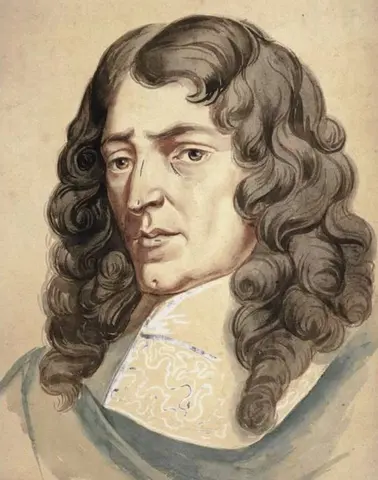
— Marc-Antoine Charpentier(「作曲のきまり」(1690年ごろ)の「調の性格」の表) 肖像画・写真・自筆譜 Gallery (Public Domain)
Wikimedia Commons でパブリックドメイン(または CC0)と確認した画像です。クリックで拡大。
 年表 Timeline
 シャルパンティエで覚える英単語 Words
 クイズに挑戦 Quiz
MORE COMPOSERS








 MP3