国民の象徴
National Emblem
バグリー・1902(出版1906)
ゴミ箱から救われたという伝説も!国歌がかくれた名マーチ。
国民の象徴のページへLate Romantic & Modern · 1857–1922
「行進曲「国民の象徴」の作曲家」The composer of the march National Emblem
 クラフツベリー(アメリカ、バーモント州)
 キーン(アメリカ、ニューハンプシャー州)1 曲を収録
捨てかけたと伝わる楽譜が、アメリカを代表する行進曲になった人。A march he is said to have nearly thrown away became an American classic.
 バグリーの名曲を聴く
バグリー・1902(出版1906)
ゴミ箱から救われたという伝説も!国歌がかくれた名マーチ。
国民の象徴のページへホー!「国民の象徴」には、アメリカ国歌「星条旗」のメロディーがかくれているんだよ。
 生涯 Life Story
エドウィン・ユージン・バグリーは1857年5月29日、アメリカ北東部バーモント州の町クラフツベリーに生まれました。なんと9歳で、ハンドベルを鳴らす芸人の一座に入り、歌手とコメディアンとして、アメリカの大都市を回りました。やがてトランペットの仲間の楽器コルネットを手にし、別のベルの一座で6年間、演奏旅行を続けます。Edwin Eugene Bagley was born on 29 May 1857 in Craftsbury, Vermont, in the north-eastern United States. Amazingly, at the age of nine he joined a touring troupe of bell ringers as a singer and comedian, travelling to big American cities. He later took up the cornet, a relative of the trumpet, and spent six years touring with another bell-ringing troupe.
1880年、バグリーはボストンへ移り、パーク劇場のソロ・コルネット奏者になりました。その後9年間、オペラの一座「ボストニアンズ」とともに旅をし、そのあいだにトロンボーン奏者に転向しています。ボストン交響楽団や、ボストンの楽団でも演奏しました。兄のエズラも、ボストン交響楽団で吹いたトランペット奏者で、行進曲も書いていました。In 1880 Bagley moved to Boston and became solo cornet player at the Park Theatre. He then spent nine years touring with the opera company the Bostonians, switching from cornet to trombone along the way. He also played with the Boston Symphony Orchestra and with Boston's Germania Band. His older brother Ezra was a trumpeter with the Boston Symphony Orchestra who also wrote marches.
1900年代のはじめ、バグリーはバーモント州ベローズ・フォールズの「ウィーラーズ・バンド」で演奏していました。1902年、彼は行進曲「国民の象徴」を書きはじめます。最初の練習は、楽団が乗った汽車の荷物車で行われたと伝えられています。曲のはじめには、アメリカ国歌「星条旗」の最初の12の音が使われています。楽譜は1906年に出版されましたが、初めて人前で演奏された時期と場所は、資料によって説明がちがいます。In the early 1900s Bagley played with Wheeler's Band of Bellows Falls, Vermont. In 1902 he began writing the march 'National Emblem', and its first rehearsal is said to have taken place in a railway baggage car while the band was travelling. Its opening section uses the first twelve notes of the American national anthem, 'The Star-Spangled Banner'. The music was published in 1906, but sources differ about when and where it was first played in public.
バグリーは25曲ほどの行進曲を書きましたが、「国民の象徴」の著作権はたった25ドルで売ってしまったと言われています。1922年1月29日、ニューハンプシャー州キーンの病院で64歳で亡くなりました。その後この曲は、行進曲王スーザにも高く評価され、今ではアメリカ軍の式典で使われるなど、アメリカを代表する行進曲になっています。Bagley wrote around 25 marches, but he is said to have sold the copyright of 'National Emblem' for just 25 dollars. He died in a hospital in Keene, New Hampshire, on 29 January 1922, aged 64. The march was later praised by the March King John Philip Sousa, and today it is used in US military ceremonies and is one of America's best-known marches.
Edwin Eugene Bagley was born in America in 1857. He played the cornet and the trombone. He wrote a march called National Emblem. People say the band first practised it on a train. A story says he tried to throw it away, but his friends saved it! Now it is very famous.エドウィン・ユージン・バグリーは1857年にアメリカで生まれました。彼はコルネットとトロンボーンを吹きました。彼は「国民の象徴」という行進曲を書きました。楽団は最初、汽車の中でこの曲を練習したと言われています。彼は楽譜を捨てようとしたけれど、仲間たちが救った、という話もあります!今ではとても有名です。
 これだけは!鉄板情報 Must-Know Facts
 あっと驚くネタ Surprising Stories
 タップすると答えが開きます
のちに家族が伝えた話によると、バグリーは「国民の象徴」の楽譜に腹を立てて、ストーブに投げこんでしまいましたが、仲間がそれを救い出したそうです。また別の話では、バグリー自身が汽車の荷物車で楽譜を配り、仲間と練習したとも言われます。どちらも後になって伝えられた話で、くわしいことは確かめられていません。
According to a later family story, Bagley once threw the score of 'National Emblem' into a stove in frustration, but other musicians rescued it. Another account says that Bagley himself handed out the music and rehearsed it with the band in a railway baggage car. Both stories were told years later, and their details cannot be checked.
「国民の象徴」はバグリーのいちばん有名な曲になりましたが、彼はその著作権を、たった25ドルで売ってしまったと言われています。その後この曲は何度も出版され、録音され、世界中で演奏されることになりました。
'National Emblem' became Bagley's most famous piece, yet he is said to have sold its copyright for only 25 dollars. The march went on to be published again and again, recorded, and played around the world.
アメリカの「マーチ王」スーザが、行進しながら演奏するのに最も効果的な行進曲を5つ挙げたと伝わるリストには、「国民の象徴」も入っています。ほかの4曲は、なんと全部スーザ自身の作品。自分の曲以外で選ばれたのは、この曲だけだったのです。
'National Emblem' appears on a list, credited to America's 'March King' John Philip Sousa, of the five most effective street marches. The other four were all his own marches! It was the only one by another composer.
「国民の象徴」のはじめの部分では、ユーフォニアムやトロンボーンなどの低い楽器が、アメリカ国歌「星条旗」の最初の12の音を吹きます。ただし国歌は3拍子なのに、この曲では行進曲らしい2拍子に変えられているので、気づかない人も多いのです。
In the first section of 'National Emblem', low instruments such as the euphonium and trombone play the first twelve notes of 'The Star-Spangled Banner'. But the anthem is in triple time, and here it is changed into march-style duple time, so many listeners never notice.
バグリーの音楽人生は、なんと9歳から。ハンドベルを鳴らす芸人の一座に入り、歌とお笑いを担当してアメリカの大都市を回りました。子どものころから舞台の上で育った、たたき上げの音楽家だったのです。
Bagley's life in music began at just nine years old, when he joined a touring troupe of bell ringers as a singer and comedian, visiting big American cities. He was a musician who grew up on the stage from childhood.
1960年、「国民の象徴」をロックンロール風に編曲したレコードが「ナショナル・シティ」という題で発売され、アメリカのヒットチャートで53位に入りました。20世紀はじめの行進曲が、思わぬ形でもう一度人気者になったのです。
In 1960 a rock 'n' roll arrangement of 'National Emblem' was released under the title 'National City', and it reached number 53 on the American Billboard chart. The old march found fans in a very unexpected way!
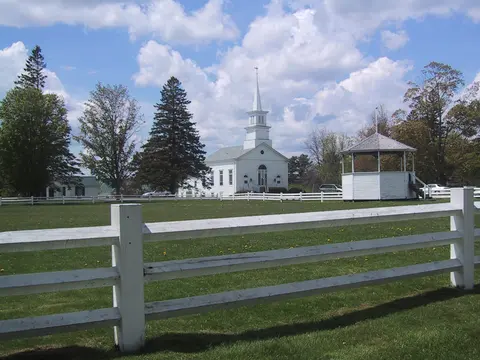
 肖像画・写真・自筆譜 Gallery (Public Domain)
Wikimedia Commons でパブリックドメイン(または CC0)と確認した画像です。クリックで拡大。
 年表 Timeline
 バグリーで覚える英単語 Words
 クイズに挑戦 Quiz
MORE COMPOSERS

 MP3