恐竜の新種を発見 博物館の引き出しで100年近く眠っていた化石から
Fossil in a Museum Drawer Is a New Dinosaur
びっくり度 中学生 164語 / 高校生 330語恐竜化石博物館イギリス
3行でわかる!このニュース
- 博物館の引き出しに100年近くしまわれていた化石が、新しい種類の恐竜だとわかった
- イギリスの研究チームが調べ、トラくらいの大きさの肉食恐竜だと発表した
- 長いかぎづめを持ち、研究者は「人間にとってはティラノサウルスより危なかった」と話している
なぜ話題?イギリスのユニバーシティ・カレッジ・ロンドン(UCL)を中心とするチームが10月14日に発表し、ロイターや PA 通信などが「100年近く引き出しにあった化石が新種の恐竜だった」と報じた
中学生レベル(英検3級〜準2級・CEFR A1〜A2)・164語・約1分
A New Dinosaur From an Old Drawer
語彙レベル(CEFR-J)
A177.4%A215.1%B11.9%B20%外5.7%
0:00 / --:--
この記事の声:イギリス英語・女性声は日によって、アメリカ・イギリス・オーストラリア英語、男性・女性が入れかわります
MP3をダウンロード(中学生版・タイトルから本文まで)
Scientists have named a new dinosaur from a fossil in a museum drawer. The fossil was found on the Isle of Wight, an island in the south of England. The Natural History Museum in London got it in 1924.
科学者たちが、博物館の引き出しにあった化石から、新しい恐竜に名前をつけました。化石は、イギリスの南にある島、ワイト島で見つかったものです。ロンドンの自然史博物館が、1924年にこの化石を手に入れました。
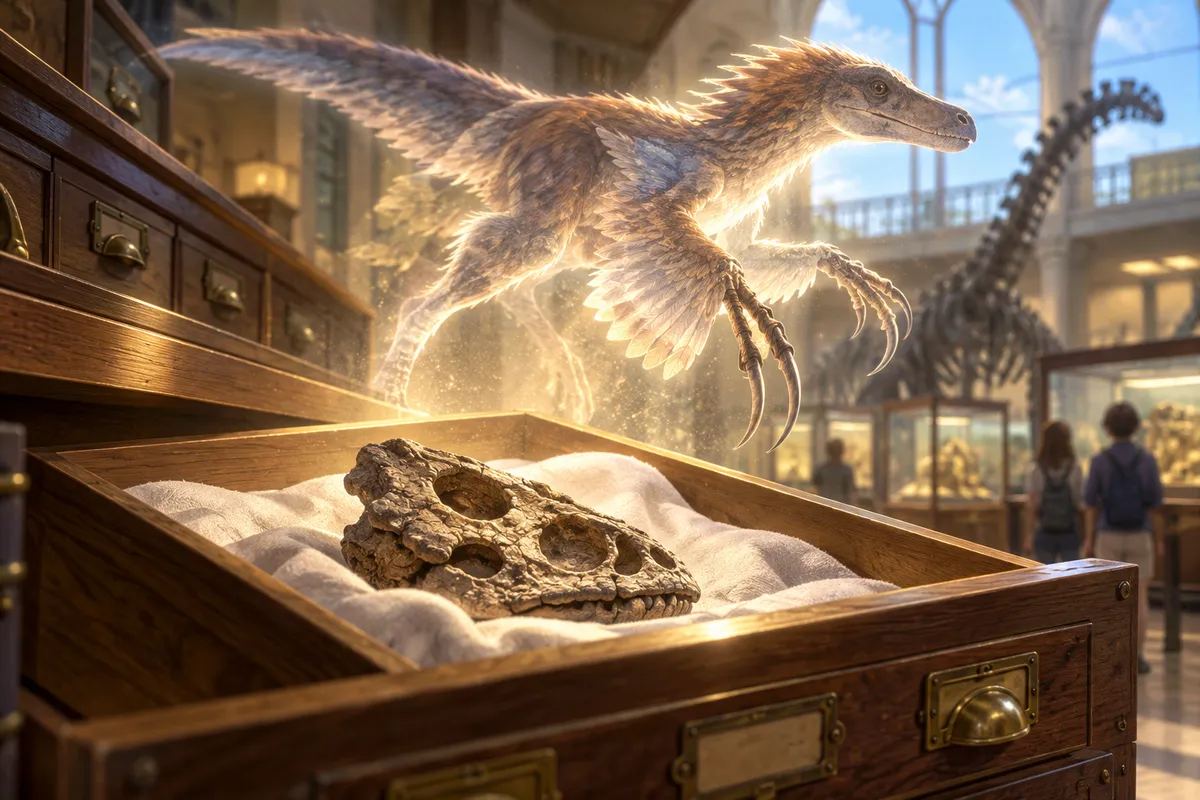
The fossil is a small piece of the dinosaur's skull. For many years, nobody knew it was special. Then a team led by researchers at University College London studied it. They named the dinosaur Invictibellatrix amberina.
化石は、恐竜の頭の骨の小さなかけらです。何年ものあいだ、これが特別なものだとはだれも気づきませんでした。その後、ユニバーシティ・カレッジ・ロンドンの研究者を中心とするチームが、この化石を調べました。チームはこの恐竜を「インウィクティベラトリクス・アンベリナ」と名づけました。
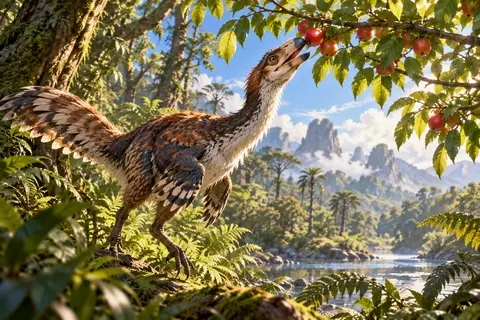
The dinosaur lived about 120 million years ago. It walked on two legs and ate meat. It was about as big as a large tiger. It probably had feathers, and each claw may have been 10 to 20 centimeters long.
この恐竜は、約1億2000万年前に生きていました。2本の足で歩き、肉を食べていました。大きさは、大きなトラくらいでした。たぶん羽毛があり、かぎづめは10〜20センチもあったかもしれません。
It belongs to a group of dinosaurs called megaraptorans. It is the first one from Europe that scientists know of. The lead scientist said it would have been more dangerous to humans than T. rex. He said a T. rex would probably ignore people because we are too small.
この恐竜は「メガラプトル類」というなかまに入ります。ヨーロッパで見つかったメガラプトル類としては、知られているかぎり初めてです。研究の中心になった科学者は、人間にとってはティラノサウルスより危険だっただろうと話しています。ティラノサウルスなら、人間は小さすぎるので、たぶん相手にしないだろうというのです。
WORDSこの記事の単語(8語)
- fossil外名化石part of a very old animal kept in rockWe saw a fish fossil at the museum.私たちは博物館で魚の化石を見た。
- drawerA2名引き出しa box in a desk that slides outMy pencils are in the top drawer.私のえんぴつは、いちばん上の引き出しに入っている。
- islandA1名島land with water all around itJapan has many small islands.日本には小さな島がたくさんある。
- skull外名頭の骨、頭がい骨the bones of the headThe doctor showed me a picture of my skull.医者は私の頭の骨の写真を見せてくれた。
- namedA1動名づけたgave someone or something a nameWe named our cat Kuro.私たちはねこをクロと名づけた。
- feathersA2名羽毛、羽soft things that cover a bird's bodyThe bird has blue feathers.その鳥は青い羽をしている。
- dangerousA2形危険なlikely to hurt youIt is dangerous to swim here.ここで泳ぐのは危険だ。
- ignoreB1動無視する、相手にしないto pay no attention to somethingPlease don't ignore my message.私のメッセージを無視しないでね。
単語の横の A1A2B1B2 は、その単語のむずかしさです(A1 がいちばんやさしく、B2 がいちばん難しい。外 はリストにない語)。ほかの単語のレベルも調べる
レベルの出典:『CEFR-J Wordlist Version 1.6』 東京外国語大学投野由紀夫研究室. (URL: https://www.cefr-j.org/download.html より 2026年8月ダウンロード)
GRAMMAR文法ポイント:受け身(be動詞 + 過去分詞)
「~される」「~された」を表す。本文の The fossil was found on the Isle of Wight. は「化石はワイト島で見つけられた(見つかった)」。だれが見つけたかより「何が」を主語にしたいときに使う。
- This temple was built 500 years ago.このお寺は500年前に建てられた。
- English is spoken in many countries.英語は多くの国で話されている。
GAMESゲームで復習しよう
THINK考えてみよう・話してみよう
日本語訳はぼかしてあります。タップすると見えます。
- If you found a new dinosaur, what name would you give it?もしあなたが新しい恐竜を見つけたら、どんな名前をつけますか。
- Would you like to look for fossils? Why or why not?化石をさがしてみたいですか。それはなぜですか。
PRINT中学生版ワークシート(無料)
本文・単語・クイズ・並べかえ・穴うめ・英作文と解答つき。授業・宿題・自習にどうぞ。
高校生レベル(英検2級〜準1級・CEFR B1〜B2)・330語・約3分
A Century in a Drawer, a New Predator Revealed
語彙レベル(CEFR-J)
A167.1%A216.8%B15.4%B22.5%外8.2%
0:00 / --:--
この記事の声:イギリス英語・女性声は日によって、アメリカ・イギリス・オーストラリア英語、男性・女性が入れかわります
MP3をダウンロード(高校生版・タイトルから本文まで)
Scientists have identified a new species of meat-eating dinosaur from a fossil that sat in a museum drawer for nearly 100 years. The Natural History Museum in London acquired the fossil, a fragment of skull, in 1924. It came from the Isle of Wight, off the south coast of England.
科学者たちが、博物館の引き出しに100年近く置かれていた化石から、肉食恐竜の新種を特定しました。ロンドンの自然史博物館は、頭の骨のかけらであるこの化石を、1924年に手に入れていました。化石は、イギリスの南の沖にあるワイト島から来たものです。
An amateur paleontologist had collected it near the bottom of a cliff on the island's southwest coast. For decades, no one realized how important it was. According to University College London (UCL), a team led by its researchers used CT scans to build a 3D model of the fragment. Details such as an oval hole where the spinal cord met the brain and an hourglass-shaped ridge helped them identify the animal.
化石は、アマチュアの古生物学者が、島の南西の海岸のがけの下の近くで集めたものでした。何十年ものあいだ、その大切さにはだれも気づきませんでした。ユニバーシティ・カレッジ・ロンドン(UCL)によると、UCL の研究者を中心とするチームが、CT スキャンを使ってかけらの立体モデルを作りました。せき髄が脳とつながる部分の楕円形の穴や、砂時計の形をした出っぱりなどの特徴が、この動物の正体をつきとめる手がかりになりました。
The study, published in the journal Royal Society Open Science, named the dinosaur Invictibellatrix amberina. The first part of the name means "unconquered female warrior." UCL said the second part refers to amber found in the rock layers where the fossil came from. UCL also said the authors hoped the name would encourage people who face bullying or discrimination.
学術誌『Royal Society Open Science』にのった研究で、この恐竜は「インウィクティベラトリクス・アンベリナ」と名づけられました。名前の前の部分は「征服されない女性の戦士」という意味です。UCL によると、後ろの部分は、化石が出てきた岩の層で見つかるこはくにちなんでいます。UCL はまた、いじめや差別に直面している人たちをはげます名前になってほしいと研究者たちが考えたと伝えています。
Megaraptorans were agile predators that walked on two legs and had huge claws on their hands. Invictibellatrix lived about 120 million years ago, during the Early Cretaceous. It is the first megaraptoran known from Europe, and Reuters reported it is one of the smallest in the group. The team estimates it was roughly as large as a big tiger and likely had feathers. Its hand claws were perhaps 10 to 20 centimeters long.
メガラプトル類は、2本の足で歩き、手に大きなかぎづめを持つ、すばやい肉食恐竜でした。インウィクティベラトリクスは、約1億2000万年前の白亜紀前期に生きていました。ヨーロッパで知られている初めてのメガラプトル類で、ロイターによると、なかまの中でもいちばん小さいものの一つです。チームの見積もりでは、大きさは大きなトラくらいで、たぶん羽毛がありました。手のかぎづめは、10〜20センチくらいあったかもしれません。
The dinosaur probably hunted small dinosaurs, lizards and mammals. Lead author Cassius Morrison said it was not at the top of the food chain back then. He added it would have been more dangerous to humans than T. rex, which would probably have paid no attention to animals as small as people. Some scientists think megaraptorans were close relatives of tyrannosaurs, but Reuters reported that experts still debate where the group belongs on the dinosaur family tree.
この恐竜は、たぶん小さな恐竜やトカゲ、ほ乳類をとらえて食べていました。論文の筆頭著者カシアス・モリソンさんは、この恐竜は当時の食物連鎖のいちばん上ではなかったと話しています。ただ、人間にとってはティラノサウルスより危険だっただろうと言います。ティラノサウルスなら、人間くらい小さな動物はたぶん相手にしなかっただろうというのです。メガラプトル類はティラノサウルスのなかまに近いと考える科学者もいますが、ロイターによると、恐竜の系統樹のどこに入るのかは専門家のあいだでまだ意見が分かれています。
WORDSこの記事の単語(10語)
- identifiedB2動特定した、正体をつきとめたfound out exactly what something isThe doctor identified the problem quickly.医者はすぐに問題をつきとめた。
- speciesB2名(生き物の)種one kind of animal or plantThis forest is home to many species of birds.この森には多くの種類の鳥がすんでいる。
- acquiredB1動手に入れた、取得したgot or bought somethingThe library acquired some old maps.その図書館は古い地図を何枚か手に入れた。
- fragmentB1名かけら、破片a small piece broken off somethingI found a fragment of glass on the floor.床にガラスのかけらを見つけた。
- amateur外形アマチュアの、しろうとのdoing something for fun, not as a jobMy uncle is an amateur photographer.おじはアマチュアの写真家だ。
- realizedA2動気づいたcame to know or understand somethingI realized I had left my phone at home.スマホを家に忘れたことに気づいた。
- encourageA2動はげます、勇気づけるto give someone hope or supportMy coach always encourages me.コーチはいつも私をはげましてくれる。
- discriminationB1名差別treating some people worse than others unfairlyThe law is against discrimination at work.その法律は職場での差別を禁じている。
- predators外名捕食者、ほかの動物を食べる動物animals that kill and eat other animalsLions are strong predators.ライオンは強い捕食者だ。
- debateA2動議論する、意見を戦わせるto talk about something people disagree onWe debated the school rules in class.私たちは授業で校則について議論した。
単語の横の A1A2B1B2 は、その単語のむずかしさです(A1 がいちばんやさしく、B2 がいちばん難しい。外 はリストにない語)。ほかの単語のレベルも調べる
レベルの出典:『CEFR-J Wordlist Version 1.6』 東京外国語大学投野由紀夫研究室. (URL: https://www.cefr-j.org/download.html より 2026年8月ダウンロード)
GRAMMAR文法ポイント:would have + 過去分詞(過去についての推量・仮定)
「(もしそうだったら)~だっただろう」と、過去のことを想像して言う形。本文の it would have been more dangerous to humans than T. rex は「(人間がその時代にいたら)人間にとってはティラノサウルスより危険だっただろう」。仮定法過去完了でも使う形で、入試によく出る。
- Without your help, I would have failed the test.きみが手伝ってくれなかったら、私はテストに落ちていただろう。
- She would have enjoyed the concert.彼女ならそのコンサートを楽しんだだろう。
GAMESゲームで復習しよう
THINK考えてみよう・話してみよう
日本語訳はぼかしてあります。タップすると見えます。
- The fossil sat in a drawer for nearly 100 years. Why do you think museums keep old objects that no one is studying?化石は100年近く引き出しに入っていました。だれも研究していない古いものを、博物館がとっておくのはなぜだと思いますか。
- The researchers chose a name to encourage people who face bullying. Do you think a name can give people courage? Why or why not?研究者たちは、いじめに直面している人をはげます名前を選びました。名前が人に勇気をあたえることはあると思いますか。理由も答えましょう。
PRINT高校生版ワークシート(無料)
本文・単語・クイズ・並べかえ・穴うめ・英作文と解答つき。授業・宿題・自習にどうぞ。
PICK UP WORD
new species
新種(しんしゅ)
species は「(生き物の)種」。単数も複数も同じ形の species。恐竜は dinosaur、化石は fossil、肉食の恐竜は meat-eating dinosaur。
原田英語のサイトでもっと
VIDEO動画でも見てみよう
出典・参考にした情報
この記事は、下の報道・発表で事実を確かめたうえで、原田英語が中学生・高校生向けに英語と日本語で書きおろしたオリジナル記事です(文章の転載・翻訳ではありません)。くわしく知りたい人は元の情報も読んでみよう。著作権と出典の考え方
- A forgotten fossil reveals a fearsome dinosaur with giant clawsUniversity College London(ScienceDaily 掲載)(2026-10-14)
- Isle of Wight fossil sheds light on enigmatic meat-eating dinosaursReuters(KSL 掲載)(2026-10-13)
- New species of dinosaur discovered from fossil 'overlooked' for over 100 yearsPA通信(The Irish News 掲載)(2026-10-14)