Showa Day

昭和の日を英語で:読む・聞く・話す・遊ぶ

やさしい英語(CEFR A2)の読み物に音声つき。会話・単語カード・クイズ8問・ゲームで、昭和の日の英語をまるごと。

🔊Read in English昭和の日を英語で読もう(CEFR A2・音声つき)

昭和の日を、やさしい英語で紹介する読み物です。▶で英文をタイトルから通して聞けます(アメリカ英語)。「和訳」ボタンで日本語訳の表示・非表示を切りかえられます。下線の語は下の単語カードにあります。

One Date, Four Names

CEFR A2
0:00
242 words

Some holidays keep the same name for hundreds of years. But in Japan, one spring holiday has had four names in less than 100 years. Its date is April 29, and today it is called Showa Day.

何百年も同じ名前のままの祝日もあります。でも日本には、100年たらずのあいだに4つの名前を持った春の祝日があります。その日付は4月29日で、今は「昭和の日」と呼ばれています。

April 29 was the birthday of Emperor Showa. He was born in 1901 and became emperor in 1926. His time on the throne is called the Showa era. It lasted for 62 years, longer than any other era name in Japan. In those years, Japan went through a terrible war and then rebuilt itself.

4月29日は昭和天皇の誕生日でした。昭和天皇は1901年に生まれ、1926年に天皇になりました。その在位の時代を、昭和と言います。昭和は62年続き、日本のどの元号よりも長くなりました。その間に日本はひどい戦争を経験し、そのあと国を立て直しました。

From 1927, April 29 was a holiday for the emperor's birthday. When he died in 1989, the Emperor's Birthday moved to the new emperor's birthday. But people did not want to lose a holiday in Golden Week, a long series of spring holidays. So April 29 became Greenery Day, because the emperor loved plants and studied nature.

1927年から、4月29日は天皇の誕生日の祝日でした。1989年に亡くなると、天皇誕生日は新しい天皇の誕生日に移りました。でも人々は、春の長い連休であるゴールデンウィークの祝日を失いたくありませんでした。そこで4月29日は、植物を愛し自然を研究した天皇にちなんで「みどりの日」になりました。

Later, some lawmakers wanted a day to remember the Showa era. Their plan failed twice, but it passed on the third try in 2005. Since 2007, April 29 has been Showa Day, and Greenery Day has moved to May 4.

その後、昭和の時代を思い出す日がほしいと考える議員たちが出てきました。その案は2回失敗しましたが、2005年、3回目の挑戦で成立しました。2007年から4月29日は昭和の日になり、みどりの日は5月4日に移りました。

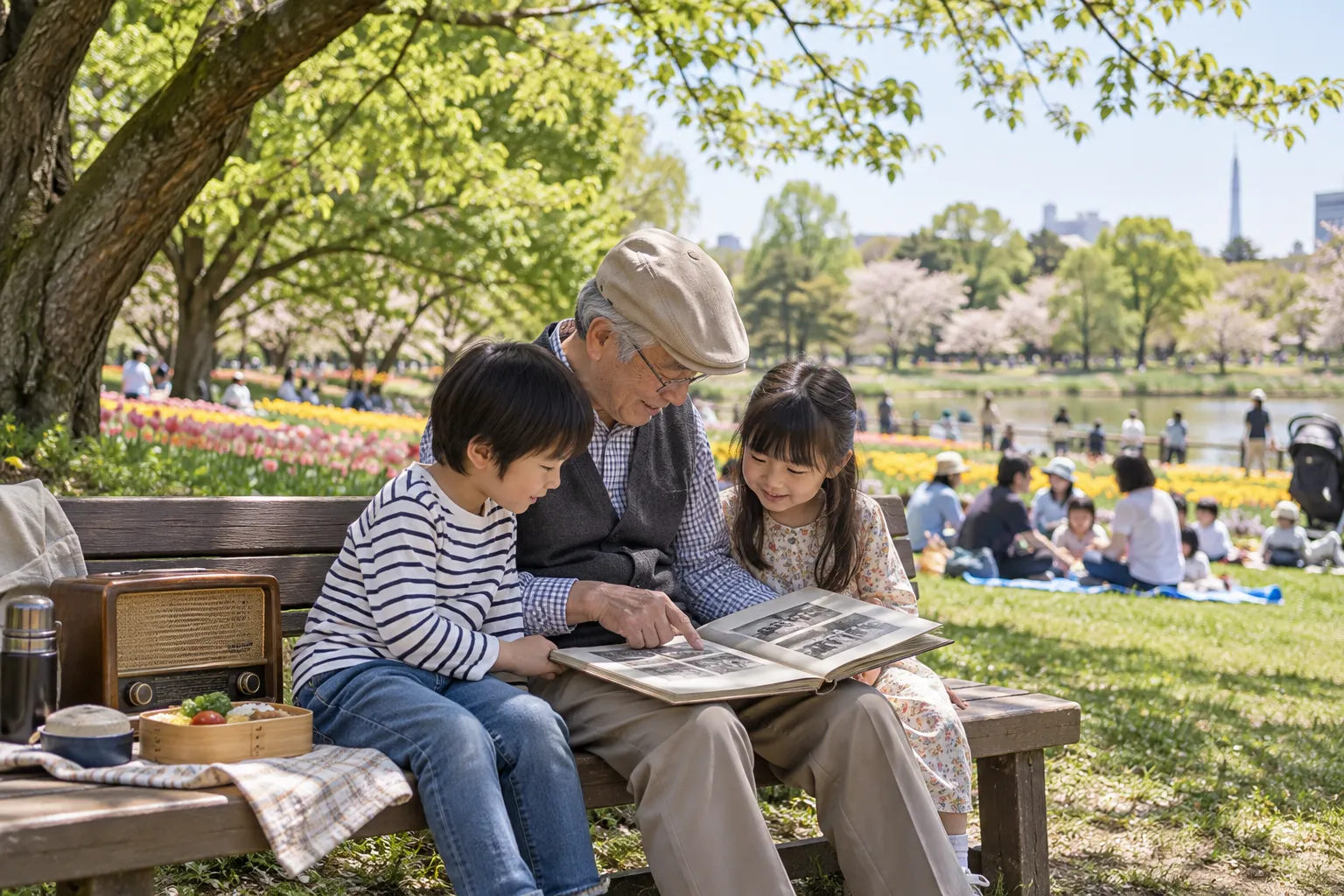
The law gives this day a clear purpose. It is a day to look back on a time of war and recovery. It is also a day to think about the future of Japan. Many families travel on this day. Others ask their grandparents about life long ago, when TVs were black and white.

法律は、この日にはっきりした目的をあたえています。それは、戦争と復興の時代をふり返る日です。そして、日本の未来について考える日でもあります。この日は多くの家族が旅行に出かけます。テレビが白黒だった昔の暮らしについて、祖父母に話を聞く人もいます。

💬Dialogue英語の会話で昭和の日

🎬 カナダからの交換留学生ソフィーが、ゴールデンウィークの予定を立てています。日本人の友だちのタクミが昭和の日について説明します。

0:00
Sophie

Takumi, my calendar says April 29 is a holiday. What is it?

タクミ、カレンダーに4月29日が祝日って書いてあるけど、何の日?

Takumi

It's Showa Day. It's the first holiday of Golden Week.

昭和の日だよ。ゴールデンウィークの最初の祝日なんだ。

Sophie

Showa? Is that a person?

昭和?それって人の名前?

Takumi

No, it's the name of an era, from 1926 to 1989. April 29 was Emperor Showa's birthday.

ううん、時代の名前だよ。1926年から1989年まで。4月29日は昭和天皇の誕生日だったんだ。

Sophie

Oh, so it's a birthday party for the emperor?

へえ、じゃあ天皇の誕生日パーティーなの?

Takumi

Not exactly. The law says it's a day to look back on the Showa era.

ちょっとちがうんだ。法律では、昭和の時代をふり返る日ってなってる。

Sophie

Interesting. Has it always been called Showa Day?

おもしろいね。ずっと昭和の日って呼ばれてたの?

Takumi

No! It's had four names. When my parents were kids, it was Greenery Day.

違うよ!名前が4つもあったんだ。両親が子どものころは、みどりの日だったんだって。

Sophie

Greenery Day? Why green?

みどりの日?どうしてみどりなの?

Takumi

The emperor loved plants. He was a scientist, too.

昭和天皇は植物が大好きだったんだ。科学者でもあったんだよ。

Sophie

Wow, I didn't know that. So what do people do on Showa Day?

わあ、知らなかった。じゃあ昭和の日にはみんな何をするの?

Takumi

Many people start their trips. I'm visiting my grandparents.

旅行に出かける人が多いよ。ぼくは祖父母の家に行くんだ。

Sophie

Maybe you can ask them about life in the Showa era!

昭和の時代の暮らしについて聞いてみたら?

Takumi

Good idea. My grandpa has lots of old photos.

いいね。おじいちゃんは古い写真をたくさん持ってるんだ。

🃏Word Cards昭和の日の英単語カード(12語)

カードをタップすると裏返って、意味と例文が出ます。

era名詞
時代、元号の期間The Showa era lasted for 62 years.昭和の時代は62年続きました。💡 元号は era name と言う。発音は「イラ」または「エラ」。
emperor名詞
天皇、皇帝April 29 was the emperor's birthday.4月29日は天皇の誕生日でした。💡 Emperor Showa のように名前の前につける。
throne名詞
王座、皇位His time on the throne was very long.彼の在位期間はとても長いものでした。💡 on the throne=在位して。
last動詞
続くThe war lasted for many years.戦争は何年も続きました。💡 last for ~ years で「~年続く」。
terrible形容詞
ひどい、恐ろしいJapan went through a terrible war.日本はひどい戦争を経験しました。💡 terror(恐怖)の仲間の語。
rebuild動詞
再建する、立て直すThe country rebuilt itself after the war.国は戦争のあと立て直しました。💡 re-(再び)+build。過去形は rebuilt。
greenery名詞
緑の草木Greenery Day is on May 4.みどりの日は5月4日です。💡 green の名詞形の一つ。数えられない名詞。
lawmaker名詞
議員、立法者Some lawmakers wanted a new holiday.新しい祝日を望む議員がいました。💡 law(法律)+maker(作る人)。
fail動詞
失敗するThe plan failed twice.その計画は2回失敗しました。💡 名詞は failure。
look back on句動詞
~をふり返るWe look back on the past on this day.この日は過去をふり返ります。💡 法律の「顧み」にぴったりの表現。
future名詞
未来、将来Let's think about the future of Japan.日本の将来について考えましょう。💡 in the future=将来に。
grandparents名詞
祖父母I asked my grandparents about the old days.祖父母に昔のことを聞きました。💡 grandpa / grandma はくだけた言い方。

✅Quiz昭和の日の英語クイズ(8問)

上の英文を読んでから答えてみよう。答えを選ぶとすぐに解説が出ます。全問正解でスタンプが金色に!

Q1. What is the main idea of the passage?

本文の主旨は何ですか。

第1段落で「4つの名前を持つ祝日」と示し、第2〜4段落で名前の変化を説明しています。1901年は誕生年で、新しい天皇を祝う日でもありません。

Q2. How long did the Showa era last?

昭和の時代はどれくらい続きましたか。

第2段落に It lasted for 62 years とあります。100年は第1段落の「100年たらずで4つの名前」の話です。

Q3. What was April 29 called after 1989?

1989年のあと、4月29日は何と呼ばれましたか。

第3段落に So April 29 became Greenery Day とあります。昭和の日になったのは2007年からです。

Q4. Why was April 29 named Greenery Day?

なぜ4月29日はみどりの日と名づけられたのですか。

第3段落に because the emperor loved plants and studied nature とあります。ほかの理由は本文にありません。

Q5. In paragraph 2, what does "rebuilt itself" mean?

第2段落の rebuilt itself はどんな意味ですか。

a terrible war のあとに then rebuilt itself と続くので、戦争で傷ついた国を立て直した、という意味です。

Q6. Which is true according to the passage?

本文の内容と合うものはどれですか。

第4段落に Greenery Day has moved to May 4 とあります。みどりの日は残っており、案は3回目で成立し、昭和の日は春の祝日です。

Q7. Why did people probably want to keep April 29 as a holiday in 1989?

1989年、人々が4月29日を祝日として残したかったのはおそらくなぜですか。

第3段落に people did not want to lose a holiday in Golden Week とあります。春の連休が生活にとって大切だったと推測できます。新しい天皇の誕生日は別の日です。

Q8. In the dialogue, what will Takumi do on Showa Day?

会話で、タクミは昭和の日に何をしますか。

タクミが I'm visiting my grandparents. と言っています。誕生日パーティーではないことも会話で説明されています。

🎮Games昭和の日の英語ゲーム

タブを切りかえて遊べます。授業ではプロジェクターに映して、クラス対抗戦にしても盛り上がります。

📖Read Moreもっと読む:Remembering an Era, Not Just a Person

少し難しめ(B1〜B2)の英文で、昭和の日を違う角度から。

Remembering an Era, Not Just a Person

B1–B2
0:00
190 words

Showa Day is unusual among national holidays because its legal purpose is not to celebrate the person whose birthday it marks. According to the law, it is a day to look back on the Showa era, a period of turbulent days followed by recovery, and to reflect on the nation's future.

昭和の日は、国民の祝日の中でもめずらしい存在です。法律上の目的が、その日を誕生日とする人物を祝うことではないからです。法律によれば、それは激動の日々とその後の復興があった昭和の時代をふり返り、国の将来に思いをいたす日です。

That careful wording reflects the complexity of the era itself. The roughly nineteen years before 1945 included war, while the forty-three years after it brought democracy under a new constitution and rapid economic growth. Few periods in modern history contain such sharply different chapters under a single name.

その慎重な言葉づかいは、時代そのものの複雑さを映しています。1945年より前のおよそ19年間には戦争があり、その後の43年あまりには新しい憲法のもとでの民主主義と急速な経済成長がありました。一つの名前の下に、これほど対照的な章をふくむ時代は、近代史の中でもまれです。

Perhaps for this reason, the holiday did not come easily. The first bill passed the upper house in 2000 but died when the lower house was dissolved, and a second bill met the same fate in 2003. The main opposition party, which had voted against the first version, later supported it, and the third bill finally passed in 2005. The story shows how a single date can carry several layers of national memory. For students, April 29 offers a ready-made starting point for asking how a society chooses what to remember.

おそらくそのためか、この祝日は簡単には生まれませんでした。最初の法案は2000年に参議院を通過しましたが衆議院の解散で廃案になり、2回目の法案も2003年に同じ運命をたどりました。最初の案に反対した最大野党はのちに賛成に回り、3度目の法案が2005年についに成立しました。この話は、一つの日付が国の記憶のいくつもの層を背負いうることを示しています。学ぶ人にとって、4月29日は、社会が何を記憶すると決めるのかを問うための格好の出発点になります。

👋Useful Phrases昭和の日に使える英語フレーズ

April 29 is Showa Day, a national holiday in Japan.4月29日は昭和の日で、日本の祝日です。まずは祝日であることを伝える基本の一文。
It was the birthday of Emperor Showa.昭和天皇の誕生日でした。Emperor Showa は亡くなったあとの呼び名。英語では Hirohito とも呼ばれる。
On this day, we look back on the Showa era, from 1926 to 1989.この日は、1926年から1989年までの昭和の時代をふり返ります。look back on=ふり返る。法律の「顧み」にあたる。
It's the first holiday of Golden Week.ゴールデンウィークの最初の祝日です。Golden Week は和製英語なので、a series of holidays in spring と説明を足すとよい。
This date has had four different names.この日には4つの名前がありました。話のつかみにぴったりの一言。

🗣️ 話し合ってみよう(Discussion)

  1. What do you usually do during Golden Week?

    ゴールデンウィークにはふだん何をしますか。
  2. Ask a grandparent or an older person about life in the Showa era. What surprised you most?

    祖父母や年上の人に昭和の暮らしについて聞いてみましょう。いちばん驚いたことは何ですか。
  3. April 29 has had four names. Which name do you like best? Why?

    4月29日には4つの名前がありました。どの名前がいちばん好きですか。なぜですか。
  4. Should a country keep holidays connected to past leaders? Compare Japan with the Netherlands or Thailand.

    国は過去の指導者に関係する祝日を残すべきでしょうか。日本とオランダやタイを比べて考えましょう。
  5. How should a nation remember an era that included both war and recovery? Discuss the role of a public holiday.

    戦争と復興の両方をふくむ時代を、国はどう記憶すべきでしょうか。祝日の役割について話し合いましょう。

🗾Explain Japan in English昭和の日を海外の人に英語で説明するなら

姉妹サイト「日本文化ナビ」に、英語でかんたんに説明する例文(ひと言・30秒・スピーチ)と、外国の人によく聞かれる質問がまとまっています。日本語のページと、英語だけのページ(そのまま海外の人に見せられます)があります。

昭和の日とみどりの日を英語で説明する(Showa no hi to midori no hi)昭和の日とみどりの日(Showa no hi to midori no hi)を英語で説明するには。一言/30秒/スピーチの3段階の英文と和訳、外国人によく聞かれる質問と答え、そのJP 日本語で読むGB English page
昭和レトロを英語で説明する(Showa retoro)昭和レトロ(Showa retoro)を英語で説明するには。一言/30秒/スピーチの3段階の英文と和訳、外国人によく聞かれる質問と答え、そのまま使えるフレーズ、音声つき。JP 日本語で読むGB English page
🎌
Showa Day
スタンプ帳に昭和の日のスタンプを押しました!
クイズで全問正解すると金のスタンプに。世界一周めざして集めよう。 スタンプ帳を見る →

授業アイデアとワークシートを見る →