New Year's Day

元日(世界のお正月)を英語で:読む・聞く・話す・遊ぶ

やさしい英語(CEFR A2)の読み物に音声つき。会話・単語カード・クイズ8問・ゲームで、元日(世界のお正月)の英語をまるごと。

🔊Read in English元日(世界のお正月)を英語で読もう(CEFR A2・音声つき)

元日(世界のお正月)を、やさしい英語で紹介する読み物です。▶で英文をタイトルから通して聞けます(アメリカ英語)。「和訳」ボタンで日本語訳の表示・非表示を切りかえられます。下線の語は下の単語カードにあります。

Why Does the Year Start in Winter?

CEFR A2
0:00
292 words

Why does the new year start on January 1, in the middle of winter? For a long time, it did not. In ancient Rome, the year started in March, when spring came. That is why September means "seventh month" in Latin, but today it is the ninth month.

なぜ新しい年は、冬のまん中の1月1日に始まるのでしょうか。長いあいだ、そうではありませんでした。古代ローマでは、1年は春が来る3月に始まりました。だから September はラテン語で「7番目の月」という意味なのに、今は9番目の月なのです。

In 153 BC, there was a war in Spain. Rome needed its new consuls, the top leaders, to start work early. So they started their year on January 1. Later, Julius Caesar made a new calendar, and January 1 became New Year's Day. The name January comes from Janus, a Roman god with two faces. One face looks back at the old year, and the other looks forward.

紀元前153年、スペインで戦争がありました。ローマは、新しい執政官、つまり国のトップに早く仕事を始めてもらう必要がありました。そこで、彼らの1年を1月1日に始めることにしたのです。その後、ユリウス・カエサルが新しい暦をつくり、1月1日が元日になりました。January という名前は、2つの顔をもつローマの神ヤヌスから来ています。1つの顔は古い年をふり返り、もう1つは前を見ています。

But the story did not end there. In the Middle Ages, many places in Europe started the year on other days, like Christmas or March 25. England moved its New Year to January 1 only in 1752. Because of this change, the year 1751 in England was very short. It had only 282 days.

でも、話はそこで終わりませんでした。中世には、ヨーロッパの多くの場所で、クリスマスや3月25日など別の日に1年が始まりました。イングランドが新年を1月1日に移したのは、1752年になってからでした。この変更のため、イングランドの1751年はとても短い年になりました。282日しかなかったのです。

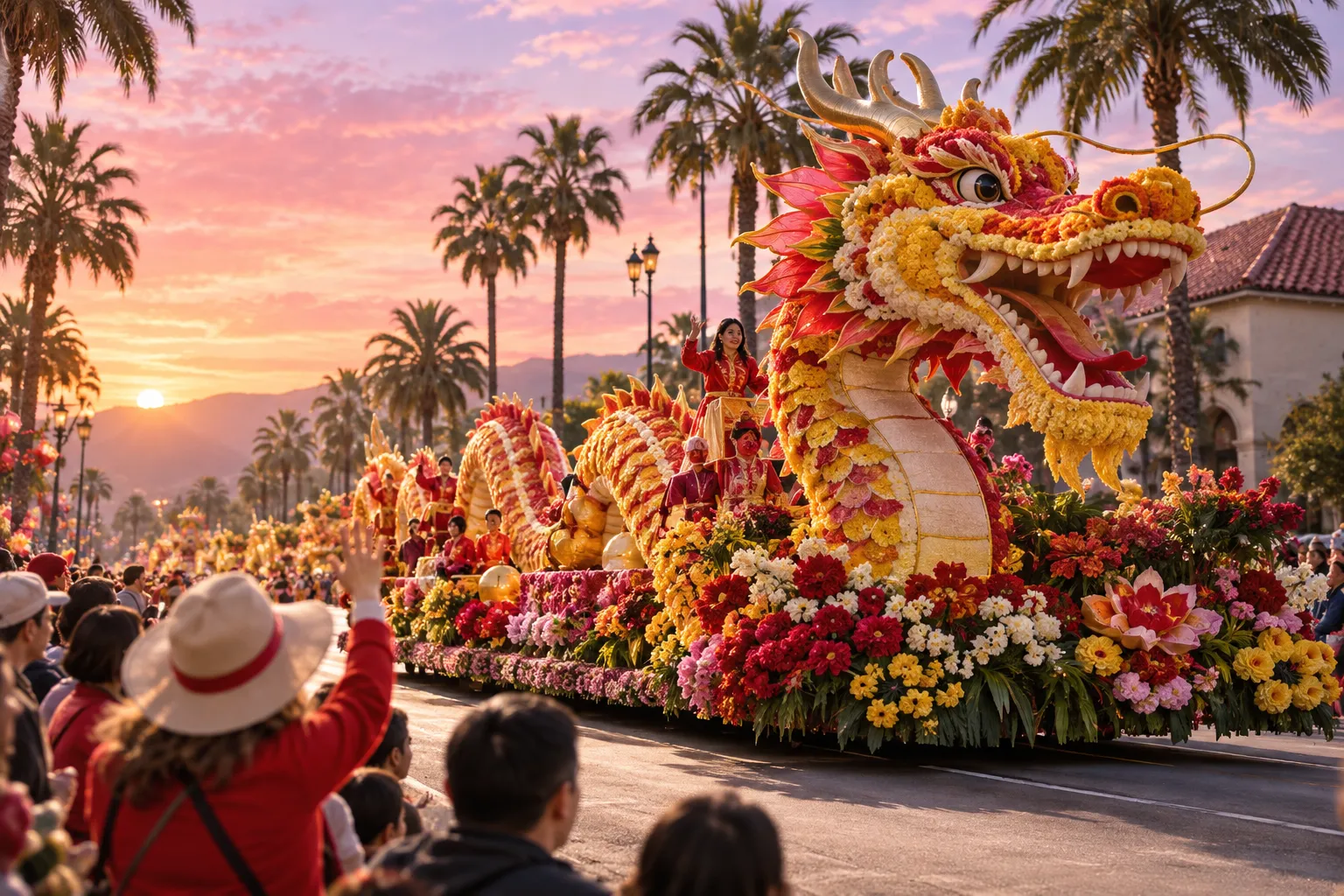
Today, people spend January 1 in many different ways. In California, crowds watch the Rose Parade, and every float is covered with flowers and seeds. In Vienna, a famous orchestra plays happy waltzes, and the audience claps along to the last march. In the Netherlands, thousands of people run into the cold North Sea.

今、人々は1月1日をいろいろな方法で過ごします。カリフォルニアでは大勢の人がローズパレードを見ます。山車はすべて花や種でおおわれています。ウィーンでは有名なオーケストラが楽しいワルツを演奏し、観客は最後の行進曲に合わせて手拍子をします。オランダでは、何千人もの人が冷たい北海に走りこみます。

Food is important, too. In the southern United States, people eat black-eyed peas, because each pea looks like a coin. In Haiti, families eat soup joumou, a pumpkin soup. Long ago, enslaved people there were not allowed to eat it. On January 1, 1804, Haiti became free, and the soup became a symbol of freedom. So for many Haitians, the first meal of the year tastes like freedom.

食べ物も大切です。アメリカ南部では、豆の一粒一粒がコインに見えるので、ササゲ豆を食べます。ハイチでは、家族でスープ・ジュムーというカボチャのスープを食べます。昔、そこで奴隷にされていた人々は、それを食べることを許されませんでした。1804年1月1日、ハイチは自由になり、スープは自由のしるしになりました。だから多くのハイチの人にとって、1年最初の食事は自由の味がするのです。

💬Dialogue英語の会話で元日(世界のお正月)

🎬 ハルトはカリフォルニア州パサデナに留学中。1月1日の朝、ホストファミリーのオリビアといっしょにローズパレードを見ています。

0:00
Haruto

Wow, look at that float! Is that a dragon made of flowers?

わあ、あの山車を見て!花でできたドラゴン?

Olivia

Yes! Every part of a float must be covered with natural things, like flowers, seeds, and bark.

そう!山車はどこも全部、花や種や木の皮みたいな自然の物でおおわないといけないの。

Haruto

Even the black eyes? They don't use paint?

黒い目も?ペンキは使わないの?

Olivia

No paint at all. People have used things like onion seeds for black.

ペンキはまったくなし。黒にはタマネギの種なんかが使われてきたのよ。

Haruto

That's amazing. How long has this parade been going on?

すごいね。このパレードはいつから続いてるの?

Olivia

Since 1890. People here wanted to show friends in the snowy East that flowers bloom in winter.

1890年から。ここの人たちが、雪の多い東部の友だちに、冬でも花が咲くって見せたかったの。

Haruto

Ha! So it started as a way to show off.

ハハ!じゃあ自慢から始まったんだ。

Olivia

Kind of. And here's a funny rule. If January 1 is a Sunday, the parade moves to Monday.

まあね。それにおもしろいルールがあるの。1月1日が日曜日だと、パレードは月曜日にずれるのよ。

Haruto

Really? Why? Is everyone too sleepy on Sunday?

本当?どうして?日曜日はみんな眠すぎるとか?

Olivia

No! In 1893, people didn't want the noise to scare horses outside the churches.

違うよ!1893年に、音で教会の外の馬をおどろかせたくなかったからなの。

Haruto

There are no horses at church now, but the rule is still here. I love that.

今は教会に馬はいないのに、ルールは残ってるんだね。いいなあ。

Olivia

After this, we're having Hoppin' John. It's black-eyed peas and rice.

このあとはホッピン・ジョンを食べるよ。ササゲ豆とお米の料理。

Haruto

Do the peas mean something, like the black beans in Japan?

豆に意味があるの?日本の黒豆みたいに。

Olivia

Yes. Each pea is a coin, so eat a lot and get rich this year!

うん。豆はコインなの。だからたくさん食べて、今年はお金持ちになってね!

🃏Word Cards元日(世界のお正月)の英単語カード(12語)

カードをタップすると裏返って、意味と例文が出ます。

calendar名詞
暦、カレンダーJulius Caesar made a new calendar.ユリウス・カエサルは新しい暦をつくりました。💡 壁にかける「カレンダー」だけでなく、ユリウス暦・グレゴリオ暦のような「暦のしくみ」も calendar。
ancient形容詞
古代の、大昔のIn ancient Rome, the year started in March.古代ローマでは、1年は3月に始まりました。💡 ancient Rome / ancient Egypt のように国や文明の前につけることが多い。old よりずっと昔。
consul名詞
(古代ローマの)執政官Two consuls led Rome each year.毎年2人の執政官がローマを率いました。💡 本文では the top leaders と言いかえている。今は「領事」の意味でも使う。
god名詞
神Janus was a Roman god with two faces.ヤヌスは2つの顔をもつローマの神でした。💡 キリスト教などの唯一神は大文字の God。たくさんいる神々の1人は a god。
forward副詞
前へ、前方にOne face looks back, and the other looks forward.1つの顔は後ろを、もう1つは前を見ています。💡 look forward to ~(~を楽しみにする)にもつながる語。back と対で覚える。
Middle Ages名詞
中世In the Middle Ages, the New Year was on different days.中世には、新年はいろいろな日にありました。💡 ヨーロッパの約500年から1500年ごろ。必ず the をつけ、複数形。
float名詞
(パレードの)山車Every float is covered with flowers.山車はすべて花でおおわれています。💡 動詞では「浮かぶ」。水に浮かぶように道を進む飾り車、とイメージすると覚えやすい。
orchestra名詞
オーケストラ、管弦楽団The orchestra plays waltzes on January 1.そのオーケストラは1月1日にワルツを演奏します。💡 発音は「オーケストラ」より「オーケストゥラ」に近く、最初の o を強く読む。
audience名詞
観客、聴衆The audience claps along to the march.観客は行進曲に合わせて手拍子をします。💡 audio(音)と同じ仲間の語で「聞く人たち」。普通単数あつかい。
clap along句動詞
(音楽に)合わせて手拍子するEveryone claps along to the last song.みんな最後の曲に合わせて手拍子します。💡 sing along(いっしょに歌う)と同じ along の使い方。
enslaved形容詞
奴隷にされたEnslaved people could not eat the soup.奴隷にされた人々はそのスープを食べられませんでした。💡 slaves より、その人が「むりやりそうされた」ことをはっきり示す言い方として、今はよく使われる。
symbol名詞
しるし、象徴The soup became a symbol of freedom.そのスープは自由の象徴になりました。💡 a symbol of ~ の形でよく使う。動詞は symbolize。

✅Quiz元日(世界のお正月)の英語クイズ(8問)

上の英文を読んでから答えてみよう。答えを選ぶとすぐに解説が出ます。全問正解でスタンプが金色に!

Q1. What is the main topic of the reading?

この読み物の主な話題は何ですか。

第1〜3段落で1月1日が新年になった歴史、第4〜5段落で世界の過ごし方と食べ物を説明しています。日本の話や作り方は出てきません。日曜日の話は会話文の内容です。

Q2. In ancient Rome, when did the year start at first?

古代ローマでは、1年は最初いつ始まりましたか。

第1段落に the year started in March, when spring came とあります。September は「7番目」という名前の由来として出てくるだけです。

Q3. Why did Rome start the consuls' year on January 1?

ローマはなぜ執政官の1年を1月1日に始めたのですか。

第2段落に there was a war in Spain, Rome needed its new consuls to start work early とあります。1752年はイングランドの話です。

Q4. How many days did the year 1751 have in England?

イングランドの1751年は何日ありましたか。

第3段落の最後に It had only 282 days. とあります。445日はカエサルの時代(紀元前46年)の長い年で、本文には出てきません。

Q5. In paragraph 4, what does "float" mean?

第4段落の float はどんな意味ですか。

Rose Parade の中で every float is covered with flowers and seeds とあるので、パレードの山車です。float には「浮かぶ」の意味もありますが、ここでは名詞です。

Q6. Which sentence is true about the reading?

本文の内容と合っているのはどれですか。

第4段落に the audience claps along to the last march とあります。ヤヌスの顔は2つ、イングランドは1752年でずっと後、オランダは冷たい北海です。

Q7. Why do Haitians feel the soup "tastes like freedom"?

ハイチの人々がスープを「自由の味がする」と感じるのはなぜですか。

第5段落に、奴隷にされた人々は食べることを許されず、1804年1月1日に自由になってスープが自由の象徴になったとあります。そこから「自由の味」と推測できます。free を「無料」と取るのはひっかけです。

Q8. In the dialogue, why does the parade move to Monday when January 1 is a Sunday?

会話文で、1月1日が日曜日のとき、パレードが月曜日にずれるのはなぜですか。

オリビアが In 1893, people didn't want the noise to scare horses outside the churches. と説明しています。「眠すぎる」はハルトの冗談で、すぐに No! と否定されています。

🎮Games元日(世界のお正月)の英語ゲーム

タブを切りかえて遊べます。授業ではプロジェクターに映して、クラス対抗戦にしても盛り上がります。

元日の Kahoot! クイズ(30問)Kahoot! にそのまま取り込める4択クイズ。簡単・普通・むずかしい、英語だけ/日本語だけ。おすすめ BGM つき開く →

📖Read Moreもっと読む:Who Owns the New Year?

少し難しめ(B1〜B2)の英文で、元日(世界のお正月)を違う角度から。

Who Owns the New Year?

B1–B2
0:00
218 words

Who decides when a year begins? Throughout history, the answer has usually been whoever held power. Julius Caesar rebuilt the Roman calendar partly because the priests in charge of it had been adding extra months to stretch the terms of their political friends. In 1582, Pope Gregory XIII corrected a calendar that had drifted away from the seasons, yet Protestant Britain refused to follow a Catholic reform for 170 years.

1年がいつ始まるかは、だれが決めるのでしょうか。歴史をふり返ると、その答えはたいてい「権力をにぎる人」でした。ユリウス・カエサルがローマの暦を作り直した理由の一つは、暦を管理する神官たちが、政治の仲間の任期をのばすために月を足していたことでした。1582年、教皇グレゴリウス13世は季節からずれてしまった暦を直しましたが、プロテスタントのイギリスは、カトリックの改革に170年も従いませんでした。

Changing the calendar was also a way to announce a new era. When Peter the Great moved the Russian New Year to January 1, 1700, he wanted his country to look more like Western Europe. In late 1872, Japan's Meiji government announced a switch to the solar calendar with only about 23 days of warning. According to the statesman Okuma Shigenobu, money mattered too: the old calendar would have added a thirteenth month in 1873, which meant one more monthly salary for every government official.

暦を変えることは、新しい時代の始まりを宣言する方法でもありました。ピョートル大帝がロシアの新年を1700年1月1日に移したとき、彼は自分の国をもっと西ヨーロッパらしく見せたいと考えていました。日本の明治政府は1872年の終わり、わずか23日ほどの予告で太陽暦への切りかえを発表しました。政治家の大隈重信によれば、お金の問題もありました。古い暦のままだと1873年に13番目の月が加わり、すべての役人にもう1か月分の給料を払うことになったのです。

Even celebrations carry politics. The famous Vienna New Year's Concert began on December 31, 1939, as a wartime event under the Nazi government to raise money and lift spirits. Today it is broadcast to more than 90 countries as a message of hope. A date on the calendar may look neutral, but behind it there is always a story about people and power.

お祝いの行事でさえ、政治と無関係ではありません。有名なウィーンのニューイヤー・コンサートは、1939年12月31日、ナチス政権のもとで募金と士気を高めるための戦時の催しとして始まりました。今では希望のメッセージとして90か国以上に中継されています。カレンダーの日付は中立に見えるかもしれませんが、その裏にはいつも、人と権力の物語があるのです。

👋Useful Phrases元日(世界のお正月)に使える英語フレーズ

Happy New Year!あけましておめでとう!元日のいちばん基本のあいさつ。年が明ける前の「よいお年を」の意味でも使える。
Same to you!あなたもね!Happy New Year! と言われたときの返事。You too! でもOK。
I wish you a happy new year.よい1年になりますように。カードに書くときの形。"A Happy New Year!" だけを書くより自然。
What's your New Year's resolution?今年の抱負は何?resolution は「決意・抱負」。新年の会話の定番。
Wishing you health and happiness in the new year.新しい年の健康と幸せをお祈りします。目上の人や先生へのカードにも使えるていねいな言い方。

🗣️ 話し合ってみよう(Discussion)

  1. What food do you eat on New Year's Day? What wish is inside it?

    あなたは元日に何を食べますか。その食べ物にはどんな願いがこめられていますか。
  2. Janus looks back and forward. What do you want to leave behind, and what do you want to try this year?

    ヤヌスは後ろと前を見ます。あなたが去年に置いていきたいこと、今年挑戦したいことは何ですか。
  3. Would you like to try a New Year's Dive into a cold sea? Why or why not?

    冷たい海に飛びこむ「新年の飛びこみ」をやってみたいですか。その理由は?
  4. Japan changed its calendar with only 23 days of warning. What problems do you think people had?

    日本はわずか23日の予告で暦を変えました。人々はどんなことに困ったと思いますか。
  5. Should the whole world use one calendar and one New Year? What would we gain, and what would we lose?

    世界中が一つの暦と一つの新年を使うべきでしょうか。得るものと失うものは何でしょう。
💌新年・年賀状(英語)に使える英語メッセージ 52選相手別の文例(音声・和訳つき)・書き方講座・写真を選ぶだけでカードが作れる見る →

🗾Explain Japan in English日本の元日(世界のお正月)を英語で説明するなら

姉妹サイト「日本文化ナビ」に、英語でかんたんに説明する例文(ひと言・30秒・スピーチ)と、外国の人によく聞かれる質問がまとまっています。日本語のページと、英語だけのページ(そのまま海外の人に見せられます)があります。

お正月を英語で説明する(oshogatsu)お正月(oshogatsu)を英語で説明するには。一言/30秒/スピーチの3段階の英文と和訳、外国人によく聞かれる質問と答え、そのまま使えるフレーズ、音声つき。JP 日本語で読むGB English page
🎍
New Year's Day
スタンプ帳に元日(世界のお正月)のスタンプを押しました!
クイズで全問正解すると金のスタンプに。世界一周めざして集めよう。 スタンプ帳を見る →

授業アイデアとワークシートを見る →