Many people love a story about two wolves. In the story, an old Cherokee man talks to his grandson. He says that two wolves are fighting inside every person. One wolf is angry, and the other wolf is kind. "Which wolf wins?" the boy asks. "The one you feed," the old man answers. You can find this story on posters, in books, and all over the internet.
二匹のオオカミの話が好きな人はたくさんいます。話の中で、チェロキーのおじいさんが孫に語りかけます。人の心の中では、二匹のオオカミが戦っているのだと言うのです。一匹は怒りに満ち、もう一匹はやさしいオオカミです。「どっちのオオカミが勝つの?」と男の子はたずねます。「おまえがエサをやるほうだ」とおじいさんは答えます。この話は、ポスターにも本にも、ネットのあちこちにも出てきます。
But there is a problem. Nobody has found this story in old Cherokee records. In 1962, a newspaper in Pennsylvania told a story about an old man with two dogs. In 1978, a famous preacher named Billy Graham told a similar story in a book. Later, the dogs became wolves, and the story became Cherokee.
でも、問題があります。チェロキーの古い記録の中に、この話を見つけた人はいないのです。1962年、ペンシルベニア州の新聞が、2匹の犬を飼う老人の話を載せました。1978年には、有名な伝道者ビリー・グラハムが本の中で似た話を紹介しました。その後、犬はオオカミになり、話はチェロキーのものになったのです。
This happens to many famous Native American quotes. Some of them come from writers, movies, or posters. People liked the idea of wise people who lived close to nature. So they put Native names on words they liked.
ネイティブアメリカンの有名な名言の多くに、同じことが起きています。作家や映画やポスターから生まれた言葉もあります。人々は、自然と寄りそって生きる賢い人というイメージが好きでした。だから、気に入った言葉に先住民の名前をつけたのです。
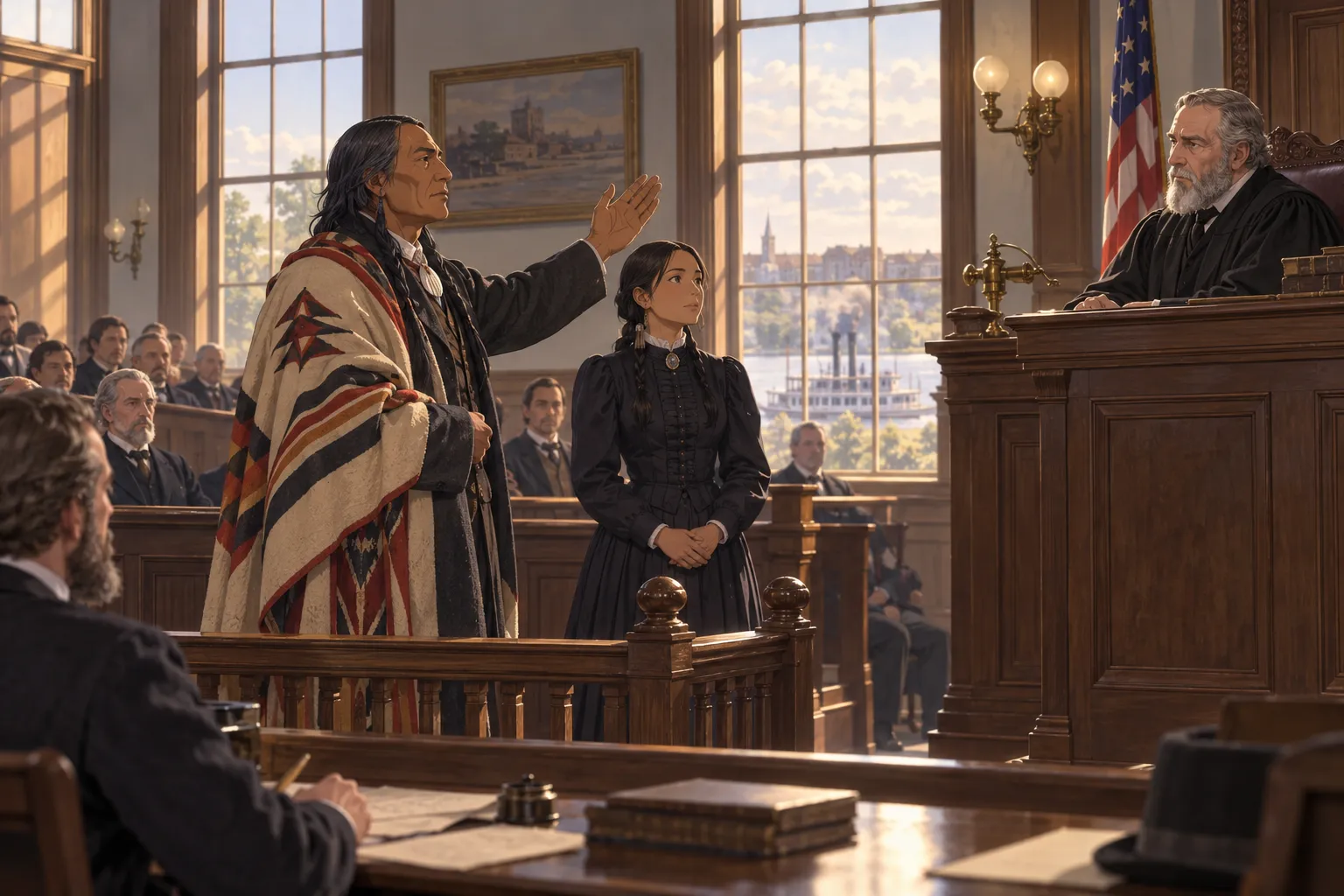
Real words have a date, a place, and a name. In 1879, a Ponca chief named Standing Bear stood in a courtroom in Omaha. He held up his hand and spoke to the judge. He said that his blood was the same color as the judge's blood. "I am a man," he said. A few days later, the judge agreed that he was a person under the law. So the next time you see a famous quote, ask one simple question. Who really said it?
本物の言葉には、日付と場所と名前があります。1879年、ポンカの首長スタンディング・ベアは、オマハの法廷に立ちました。彼は手をかかげ、判事に語りかけました。自分の血は、判事の血と同じ色だと言ったのです。「私は人間だ」と彼は言いました。数日後、判事は、彼が法律上の人であると認めました。だから今度、有名な名言を見かけたら、一つだけシンプルな質問をしてみてください。本当に言ったのは、だれ?