


本文へ
はじめに
← 展示室の一覧
Ancient Art · c. 3000 BC – AD 400

古代の美術

何千年も前のスターたちが、今も目の前に立っています。Stars from thousands of years ago are still standing right in front of you.

ホー!白い像も、昔はカラフルだったんだよ。色を想像してごらん。

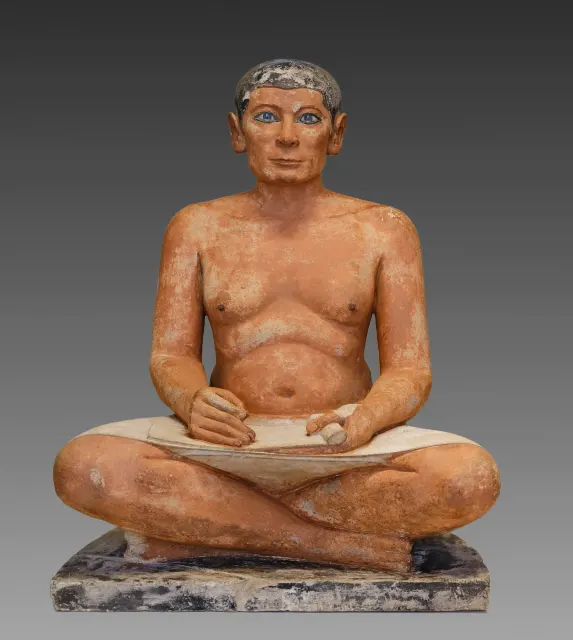
書記座像
書記座像The Seated Scribe作者不明(古代エジプトの彫刻家)・c. 2620–2500 BC
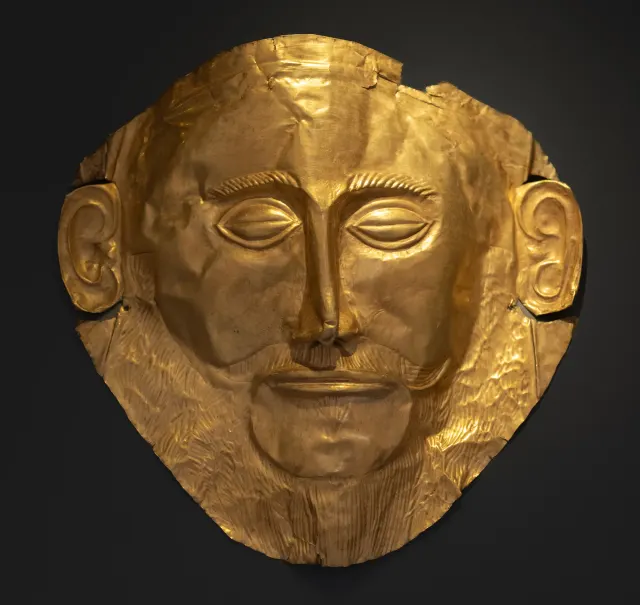
アガメムノンの黄金のマスク
アガメムノンの黄金のマスクMask of Agamemnon作者不明(ミケーネ文明の金細工師)・c. 1550–1500 BC
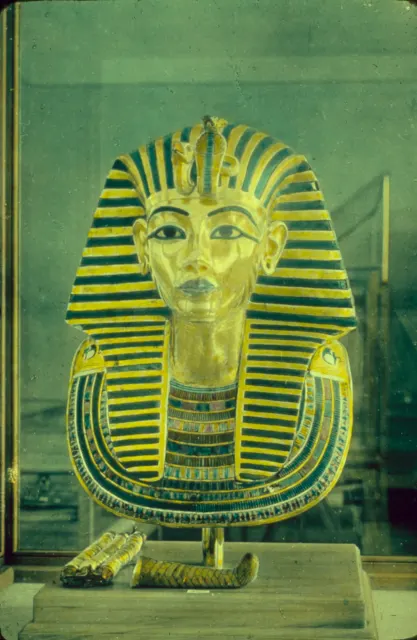
ツタンカーメンの黄金のマスク
ツタンカーメンの黄金のマスクMask of Tutankhamun作者不明(古代エジプトの工房)・c. 1323 BC
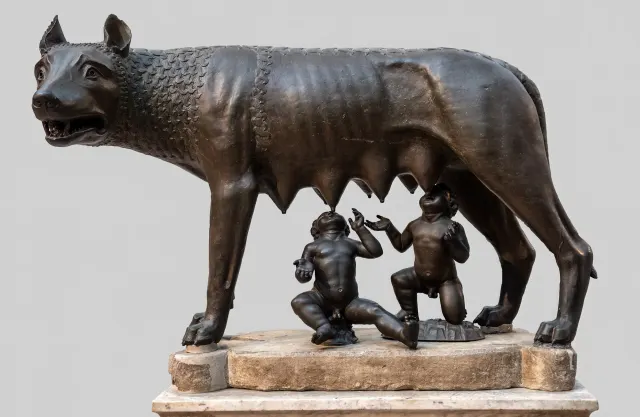
カピトリーノの雌オオカミ
カピトリーノの雌オオカミCapitoline Wolf作者不明(双子の像は15世紀の追加)・Wolf: traditionally 5th century BC (some say 11th–12th century AD); twins: late 15th century
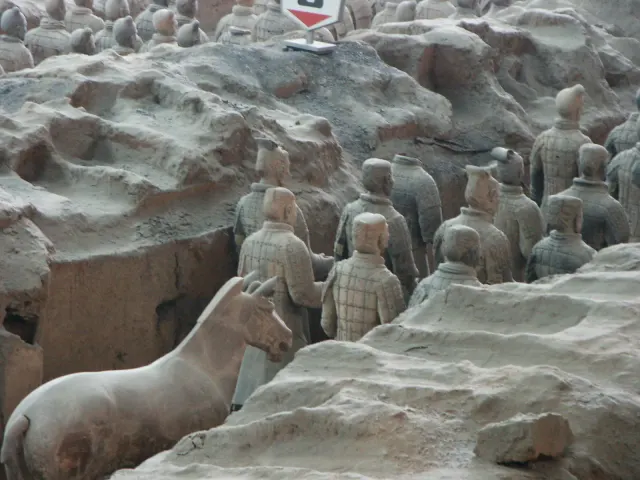
兵馬俑(秦始皇帝陵 1号坑)
兵馬俑(秦始皇帝陵 1号坑)Terracotta Army (Pit 1, Mausoleum of the First Qin Emperor)作者不明(秦の職人たち)・c. 210 BC
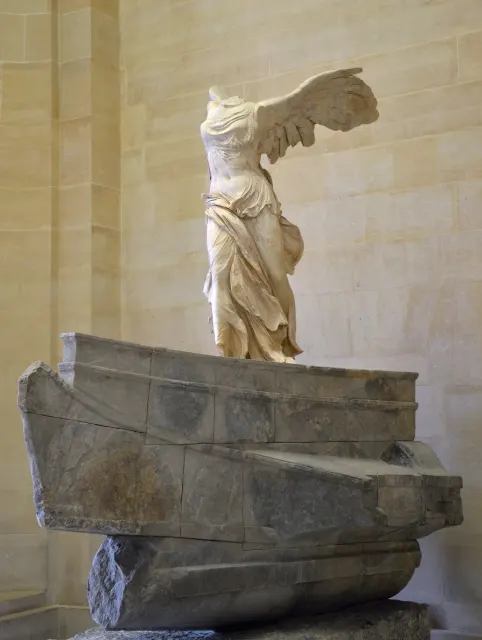
サモトラケのニケ
サモトラケのニケWinged Victory of Samothrace作者不明・c. 190 BC
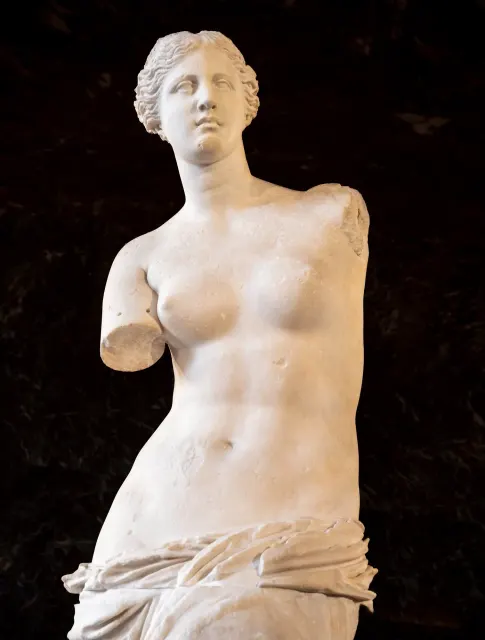
ミロのヴィーナス
ミロのヴィーナスVenus de Milo作者不明(アンティオキアのアレクサンドロスとする説も)・c. 150–125 BC
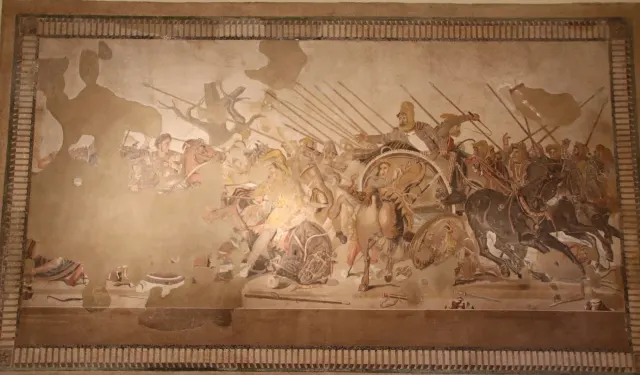
アレクサンドロス・モザイク
アレクサンドロス・モザイクThe Alexander Mosaic作者不明(古代ローマ・ポンペイのモザイク職人)・c. 120–100 BC
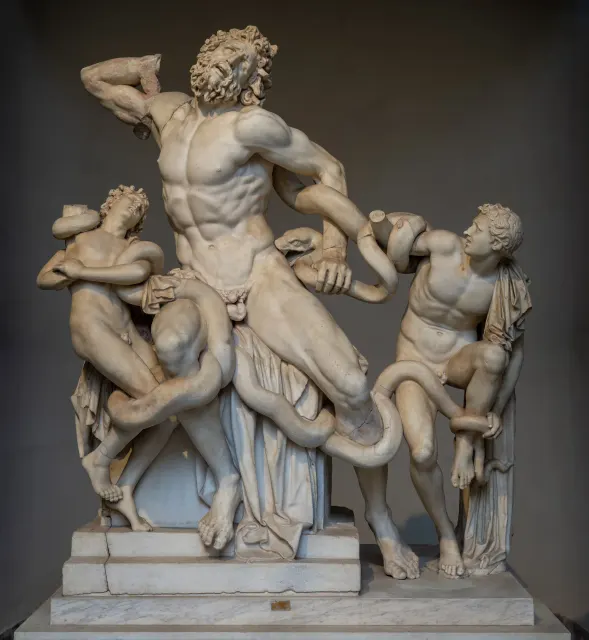
ラオコーン
ラオコーンLaocoön and His Sonsアゲサンドロス、アテノドロス、ポリュドロス(ロドス島の彫刻家)・c. 1st century BC – 1st century AD
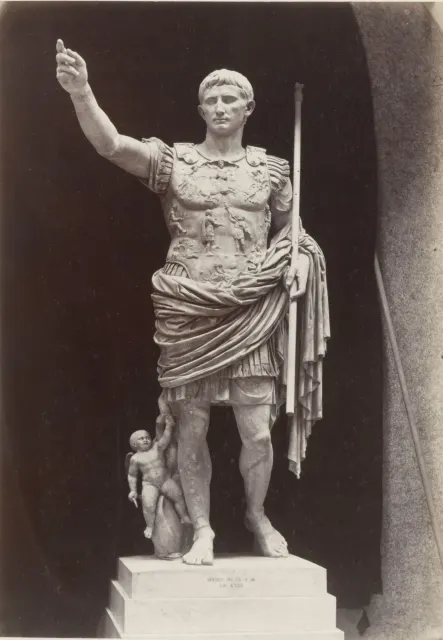
プリマ・ポルタのアウグストゥス
プリマ・ポルタのアウグストゥスAugustus of Prima Porta作者不明(古代ローマ)・Early 1st century AD
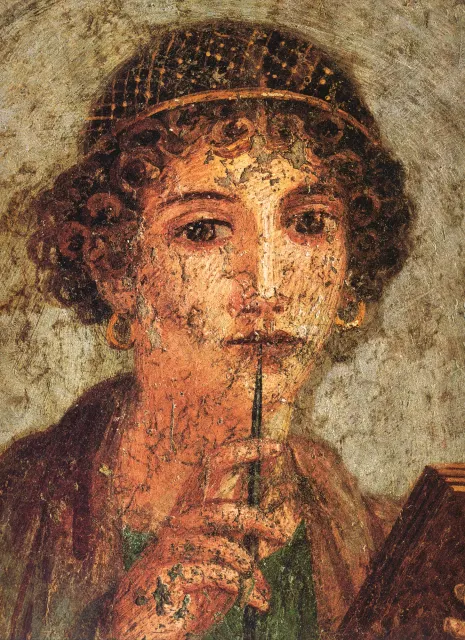
サッフォー(書き物の道具を持つ女性)
サッフォー(書き物の道具を持つ女性)Woman with Wax Tablets ('Sappho')作者不明(古代ローマ・ポンペイの画家)・c. AD 50–79
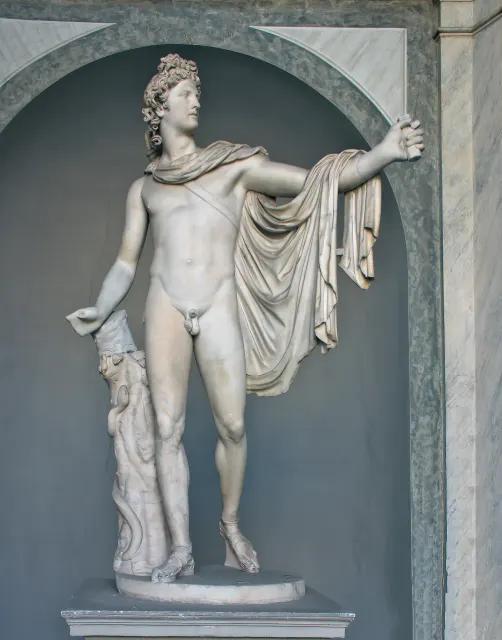
ベルヴェデーレのアポロン
ベルヴェデーレのアポロンApollo Belvedere作者不明(古代ローマの模刻。原作はレオカレスと考えられる)・Early 2nd century AD
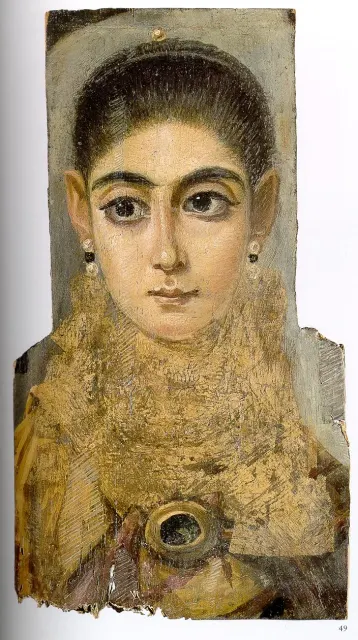
ファイユームのミイラ肖像(若い女性)
ファイユームのミイラ肖像(若い女性)Fayum Mummy Portrait of a Young Woman作者不明(ローマ時代のエジプトの画家)・First half of the 2nd century AD
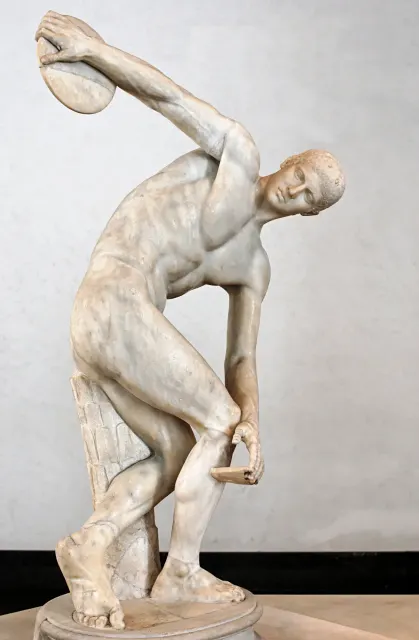
円盤投げ(ランチェロッティの円盤投げ)
円盤投げ(ランチェロッティの円盤投げ)Discobolus (Lancellotti Discobolus)作者不明(ミュロン原作によるローマ時代の複製)・c. AD 140 (after a bronze original of c. 460–450 BC)
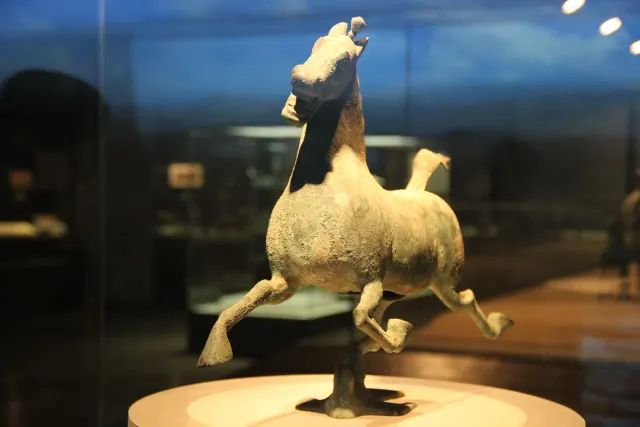
馬踏飛燕(銅奔馬)
馬踏飛燕(銅奔馬)Flying Horse of Gansu作者不明(後漢の職人)・Eastern Han dynasty, 2nd century AD
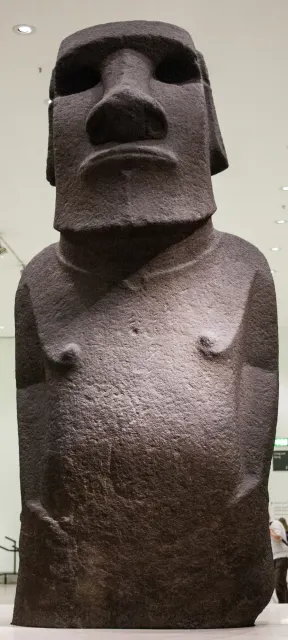
ホア・ハカナナイア(大英博物館のモアイ)
ホア・ハカナナイア(大英博物館のモアイ)Hoa Hakananai'a作者不明(ラパ・ヌイ=イースター島の人々)・c. AD 1000–1200
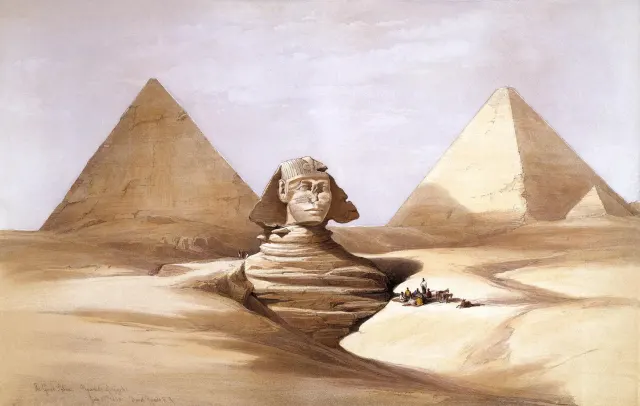
大スフィンクスとギザのピラミッド
大スフィンクスとギザのピラミッドThe Great Sphinx, Pyramids of Gizehデイヴィッド・ロバーツ(原画)、ルイ・ハーグ(石版)・1846 (after a drawing dated 1839)
表示 この展示室のワークシート

この展示室について

About

美術館の旅は、文字が生まれたころの世界から始まります。古代エジプトでは、王(ファラオ)は死んだあとも生き続けると信じられ、お墓には黄金のマスクや、命を守るための絵や彫刻がおさめられました。人の姿は「顔は横向き、目と肩は正面」という決まりで描かれ、その描き方は約3000年ものあいだ、大きくは変わりませんでした。

Our journey begins around the time writing was invented. In ancient Egypt, people believed the king, or pharaoh, lived on after death. His tomb was filled with gold masks, paintings and statues to protect him. Artists followed strict rules: the face was shown from the side, but the eye and shoulders faced forward. This style stayed much the same for about 3,000 years.

古代ギリシャの彫刻家たちは、人間の体そのものの美しさを追いかけました。はじめは正面を向いてまっすぐ立つ硬い像でしたが、やがて片足に体重をかけた自然な立ち方(コントラポスト)や、円盤を投げる一瞬のような動きを、大理石やブロンズで表すようになります。ローマ人はギリシャの作品に夢中になり、たくさんの写し(コピー)を作りました。

Ancient Greek sculptors searched for the beauty of the human body. Early statues stood stiffly, facing straight ahead. Later, sculptors learned to show a relaxed pose with the weight on one leg, called contrapposto, and even a split second of action, like throwing a discus. The Romans loved Greek art so much that they made many copies of it.

世界のほかの場所でも、すごい作品が生まれていました。中国では、紀元前3世紀に国を統一した秦の始皇帝のお墓のそばに、8000体ともいわれる等身大の兵士の焼き物「兵馬俑」が埋められました。さらに古くは、2万5000年以上前に作られた小さな女性像『ヴィレンドルフのヴィーナス』もあります。人は、ずっと昔から形を作ってきたのです。

Amazing works were made in other parts of the world, too. In China, around 8,000 life-size clay soldiers, the Terracotta Army, were buried near the tomb of the First Emperor of Qin, who united China in the 3rd century BC. Even older is the tiny Venus of Willendorf, made more than 25,000 years ago. Humans have been making art for a very long time.

🌙 閉館後の展示室で…

やっと座れる…。円盤を投げるポーズ、もう2000年以上つづけてるんだから!

Finally, I can sit down! I've held this discus pose for over 2,000 years!

見分けるポイント

How to Spot It
  1. 顔は横向きなのに、目と肩は正面を向いている不思議なポーズならエジプト。A face in profile with a front-facing eye and shoulders means Egypt.
  2. 片足に体重をのせ、腰が少しかたむいた自然な立ち方ならギリシャ風。A relaxed stance with the weight on one leg and tilted hips is Greek style.
  3. しわや個性まで写した、本人そっくりの顔の像はローマの肖像に多い。Realistic faces with wrinkles and personality are typical of Roman portraits.
  4. 神さまや王など、えらい人ほど大きく表されている(大きさ=大切さ)。Gods and kings are shown bigger than others, because size means importance.
  5. 腕や鼻が欠けていたら、長いあいだ土の中や海の底にあった証拠かもしれません。Missing arms or noses may show that a work lay underground or under the sea for centuries.

英語で語る美術用語

Art Words
contrapposto
コントラポスト(片足重心)

片足に体重をかけ、腰と肩がかたむく自然な立ち方。ギリシャの彫刻家が見つけた。A relaxed pose with the weight on one leg, so the hips and shoulders tilt. Greek sculptors discovered it.

marble
大理石

白くなめらかな石。ギリシャやローマの彫刻家が好んで使った。A smooth, often white stone. Greek and Roman sculptors loved to carve it.

hieroglyph
ヒエログリフ(聖刻文字)

古代エジプトの絵のような文字。鳥や目などの形が音や意味を表す。Ancient Egyptian picture writing. Shapes like birds and eyes stand for sounds or ideas.

terracotta
テラコッタ(素焼き)

粘土を焼いて作ったもの。イタリア語で「焼いた土」。兵馬俑もこれ。Baked clay. The word means 'cooked earth' in Italian. The Terracotta Army is made of it.

えっ!?な裏ネタ

Secrets

展示室クイズ

Quiz

Q. ロゼッタ・ストーンの解読で、手がかりになった読める文字は?Which readable script helped people decode the Rosetta Stone?

Q. 兵馬俑を作らせた皇帝は?Which emperor had the Terracotta Army made?