

 体と健康・食ビミョー
「コーヒーを飲む人は長生き」40万人の研究を、うのみにしてはいけない理由
 2026.10.02
 English Corner(A2〜B2・4択クイズ)
 読む前に予想してみよう!
日本人約9万人を追った研究でも、コーヒーをよく飲む人ほど死亡リスクが低い傾向が見られた
国立がん研究センターなどのJPHC研究で報告。ただし観察研究なので因果関係は不明。
 研究カード(どんな研究?)
- 対象
- アメリカの50〜71歳/日本の40〜69歳
- 規模
- 約40万人/約9万人
- 研究の種類
- 前向きコホート研究(観察研究)
- 確かさ
- ★★★☆☆
大規模な観察研究で、コーヒーを飲む人は死亡リスクが低い傾向。ただし「コーヒーのおかげ」とは限らず、ほかの生活習慣の影響も考えられる。
ひとことで言うとコーヒー好きは長生きの傾向。でも「コーヒーのおかげ」かはまだナゾ!
「コーヒーを1日数杯飲む人は、死亡リスクが低い」。ニュースでこんな見出しを見たことがあるかもしれません。
コーヒー好きにはうれしい話。でも、この手の研究を読むときには、ひとつ大事なコツがあります。
今回はコーヒーを題材に、「健康ニュースにだまされない読み方」を身につけましょう。
0140万人を10年以上追いかけた
日本でも、国立がん研究センターの研究グループが約9万人の日本人を追いかけた「JPHC研究」で、2015年に似た傾向を報告しています。
2017年には、イギリスのプール(Poole)さんらが医学誌『BMJ』で、コーヒーのメタ分析(複数の研究の結果をまとめて分析したもの)をさらに集めてまとめました。これをアンブレラレビューといいます。
その結果、死亡リスクとの関連がもっとも大きかったのは1日3〜4杯あたり。飲まない人と比べて、死亡リスクが約17%低いという計算でした。
ここまで聞くと、「よし、コーヒーを飲もう!」となりますよね。でも、ちょっと待って。
02「観察研究」でわかること、わからないこと
これらは、ほとんどが観察研究です。研究者は「コーヒーを飲みなさい」と指示したわけではなく、もともと飲んでいた人と、飲んでいなかった人を比べただけ。
すると、こんな可能性が出てきます。
- 元気だから飲めている:体調が悪い人や持病がある人は、医師に止められてコーヒーを控えているかも(逆の因果)
- ほかの習慣が違う:コーヒーを飲む人は、仕事や人づきあいが多く、活動的な生活をしているかも(交絡=別の要因が両方に関わっていること)
研究者は統計の工夫でこうした影響をできるだけ取り除こうとしますが、完全には消せません。

03コーヒーの中身は「カフェインだけ」じゃない
コーヒーには、カフェインのほかにも、クロロゲン酸などのポリフェノール類をはじめ、数百種類以上の成分が含まれています。研究者たちは、こうした成分が体にどう働くかも調べていますが、どの成分が、どれくらい関係しているのかはまだはっきりしていません。
04原因を確かめる実験は、現実には難しい
本当に原因かどうかを確かめるには、人をくじ引きで「コーヒーを飲む群」「飲まない群」に分けて、何十年も追いかける実験(ランダム化比較試験)が理想です。でも、何十年もコーヒーを禁止したり強制したりする実験は現実的ではありません。
だからこそ、観察研究の結果は「関連がある」までで止めて読むのが正しい読み方です。
05まとめ
「コーヒーを飲む人は長生き」は、大規模研究でくり返し見られる“傾向”です。ただし、コーヒーのおかげかどうかは、まだ証明されていません。
コーヒーは、無理に飲むものでも、怖がるものでもない。おいしく飲める範囲で楽しむのがいちばんです。
この研究を英語で読もう原田英語の English CornerIn a 2012 study, researchers followed about 400,000 Americans aged 50 to 71 for more than ten years. 音声
音声 4択クイズ9問A2・B1・B2タップして開く
原田英語の English Corner
この研究を英語で読もう
Many news stories say that coffee drinkers live longer. In the United States, scientists studied about 400,000 people for more than 10 years. People who drank more coffee tended to have a lower risk of death. A study in Japan found a similar result.
But this does not prove that coffee is the reason. Maybe healthy people drink more coffee, and sick people stop drinking it. So we should read health news carefully.
73 words ・ CEFR A2
和訳を見る
コーヒーを飲む人は長生きする、と伝えるニュースがたくさんあります。アメリカでは、科学者たちが約40万人を10年以上にわたって調べました。コーヒーをたくさん飲む人ほど、死亡のリスクが低い傾向がありました。日本の研究でも、似た結果が出ました。
でも、これはコーヒーが理由だと証明するものではありません。もしかすると、健康な人がコーヒーをたくさん飲み、病気の人は飲むのをやめているのかもしれません。だから、健康ニュースは注意して読むべきなのです。
4択リーディングクイズ
Q1. What is the passage mainly about?
コーヒーと長生きの関係を調べた研究と、その読み方がテーマなので B。
Q2. How long did the American scientists study the people?
studied about 400,000 people for more than 10 years とあるので C。40万という人数と混同しないこと。
Q3. In this passage, "tended to" means ...
tend to ~ は「~する傾向がある」。必ずではないが多くの場合そうだった、という意味なので D。
In a 2012 study, researchers followed about 400,000 Americans aged 50 to 71 for more than ten years. After adjusting for smoking and other factors, they found that heavier coffee drinkers had a lower risk of death. A Japanese study of about 90,000 people reported a similar trend.
But both were observational studies. Nobody was told to drink coffee. They simply compared people who already drank it with those who did not. So the results show a link between coffee and long life, but they do not show that coffee is the cause. Healthy people may be more likely to drink coffee.
Also, imagine someone who becomes ill and gives up coffee. That person now counts as a non-drinker, and the drinkers who are left look healthier.
127 words ・ CEFR B1
和訳を見る
2012年の研究で、研究者たちは50〜71歳のアメリカ人約40万人を10年以上追跡しました。喫煙などの要因を調整したうえで、コーヒーをよく飲む人ほど死亡リスクが低いことがわかりました。約9万人の日本人を対象にした研究でも、似た傾向が報告されています。
しかし、どちらも観察研究でした。誰もコーヒーを飲むよう指示されてはいません。研究者は、もともとコーヒーを飲んでいる人と飲んでいない人を比べただけです。ですから、この結果が示すのはコーヒーと長生きの関連であって、コーヒーが原因だということではありません。健康な人のほうがコーヒーを飲みやすいのかもしれません。
また、病気になってコーヒーをやめた人を考えてみてください。その人は「飲まない人」に数えられるので、残った「飲む人」のほうが健康に見えてしまうのです。
4択リーディングクイズ
Q1. What is the passage mainly about?
大規模研究で関連は見られるが、観察研究なので they do not show that coffee is the cause(原因とは言えない)という内容なので A。
Q2. Which statement about the 2012 study is true?
followed about 400,000 Americans aged 50 to 71 for more than ten years とあるので C。9万人は日本の研究。
Q3. Why might sick people appear to drink less coffee?
imagine someone who becomes ill and gives up coffee とあり、体調のせいで飲むのをやめている可能性(逆の因果)が示されているので B。
A 2012 study followed roughly 400,000 Americans aged 50 to 71 for more than a decade. After adjusting for smoking and other factors, the researchers found that higher coffee intake went along with lower mortality. A Japanese cohort of about 90,000 people showed a similar pattern, and a 2017 umbrella review found the strongest association at around three to four cups a day. Headlines turned all this into a simple promise that coffee drinkers live longer.
Most of this evidence, though, came from observational studies. They compared people who already drank coffee with people who did not, and that design leaves two openings for error. People with health problems may cut back on coffee, which makes the remaining drinkers look healthier. This is called reverse causation. Coffee drinkers may also differ from non-drinkers in their work, social lives or activity levels, a problem known as confounding. Statistical adjustment shrinks these biases but never removes them completely.
So the studies link coffee to longer life without showing that coffee is the cause. Settling the question would take a randomized trial in which people were assigned to drink coffee or avoid it for decades, and that is hardly realistic.
197 words ・ CEFR B2
和訳を見る
2012年の研究は、50〜71歳のアメリカ人約40万人を10年以上追跡しました。喫煙などの要因を調整したうえで、研究者たちは、コーヒーの摂取量が多いほど死亡率が低いという関係を見いだしました。約9万人の日本人の集団でも似たパターンが見られ、2017年のアンブレラレビュー(メタ分析をまとめた研究)では、1日3〜4杯あたりで関連がもっとも強く見られました。ニュースの見出しは、これを「コーヒーを飲む人は長生き」という単純な約束に変えてしまいました。
ただ、こうした証拠の大半は観察研究によるものでした。もともとコーヒーを飲んでいる人と飲んでいない人を比べたもので、この設計には誤りが入りこむすき間が2つあります。健康に問題のある人がコーヒーを控えると、残った飲む人のほうが健康に見えてしまいます。これを逆の因果と呼びます。また、コーヒーを飲む人は飲まない人と、仕事や人づきあい、活動量などがちがうかもしれません。これは交絡と呼ばれる問題です。統計的な調整はこうした偏りを小さくしますが、完全に取り除くことはできません。
つまり、これらの研究はコーヒーを長生きと結びつけてはいても、コーヒーが原因だとは示していないのです。決着をつけるには、人々をコーヒーを飲む群と避ける群に割り当てて何十年も続けるランダム化試験が必要ですが、それはとても現実的ではありません。
4択リーディングクイズ
Q1. What is the author's main point?
So the studies link coffee to longer life without showing that coffee is the cause が主張のまとめなので C。
Q2. Which of the following is an example of reverse causation in the passage?
People with health problems may cut back on coffee ... This is called reverse causation. とあるので A。B は交絡(confounding)の例。
Q3. Why does the author say a randomized trial is "hardly realistic"?
a randomized trial in which people were assigned to drink coffee or avoid it for decades とあり、何十年も飲む・飲まないを割り当てる必要があるからなので D。
重要単語
- observational studyC1名詞(句)観察研究An observational study cannot prove cause and effect.
 observation(観察)の形容詞形。対になるのは experiment / randomized controlled trial(介入して比べる研究)。
 - reverse causationC1名詞(句)逆の因果Sick people may stop drinking coffee, which is reverse causation. reverse は「逆の」。A が B の原因ではなく、B が A の原因だった、という落とし穴。
- associated withB2句~と関連があるCoffee drinking was associated with a lower risk of death. be associated with ~ の形で。cause と違い「原因」とまでは言わない慎重な表現。
- caffeineB1名詞カフェインToo much caffeine can make it hard to sleep. 発音は /ˈkæfiːn/(キャフィーン)。coffee と同語源。decaf は「カフェイン抜き」。
- moderateB2形容詞適度なModerate coffee drinking seems safe for most adults. moderate exercise「適度な運動」がセットで頻出。動詞の moderate(和らげる)は語尾の発音が /-eɪt/ に変わる。
- adjust forB2動詞(句)~の影響を調整するThe results were adjusted for age and smoking. 統計で別の要因の影響を差し引くこと。研究紹介の英文で決まって出る表現。
- mortalityC1名詞死亡率Higher coffee intake was linked to lower mortality. mortal(死すべき)+-ity。lower mortality「より低い死亡率」の形で健康研究の定番。
 入試に出る順の単語帳を印刷する →
 全5903語の「科学英単語カード」で復習する →
 動画でもっと知る
動画は各チャンネルの公式埋め込みで表示しています(YouTube)。
この話題を TED で聞く
同じテーマの TED・TED-Ed を、 TED HACK で。英語の見どころ・使える表現・学習ミッションつきの日本語ガイドです。(運営:原田英語)


 公式・一次情報をチェック
- 食品に含まれるカフェインの過剰摂取についてQ&A(厚生労働省)mhlw.go.jp
このネタ、誰かに教えたくなった?
40万人を追いかけた研究で、コーヒーをよく飲む人は死亡リスクが低い傾向だったらしい。でもこれは「観察研究」。元気だから飲めている可能性もあるので、「コーヒーで長生き」と言い切るのは早い。
押すと「マジかリスト」に保存されます
 出典・参考文献(3件)タップで表示
- Freedman et al. (2012) Association of Coffee Drinking with Total and Cause-Specific Mortality, New England Journal of Medicinedoi.org
- Poole et al. (2017) Coffee consumption and health: umbrella review of meta-analyses of multiple health outcomes, BMJdoi.org
- Saito et al. (2015) Association of coffee intake with total and cause-specific mortality in a Japanese population: the Japan Public Health Center-based Prospective Study, American Journal of Clinical Nutritiondoi.org

※本記事は上記の研究・公開資料をもとに、原田英語が独自の言葉で解説したものです。引用は著作権法第32条の範囲で行い、出典を明記しています。画像はすべてオリジナルのイメージです。研究結果には限界や個人差があります。誤りのご指摘は原田英語のお問い合わせフォームから。
 これも「マジか!?」

 体・健康
体・健康
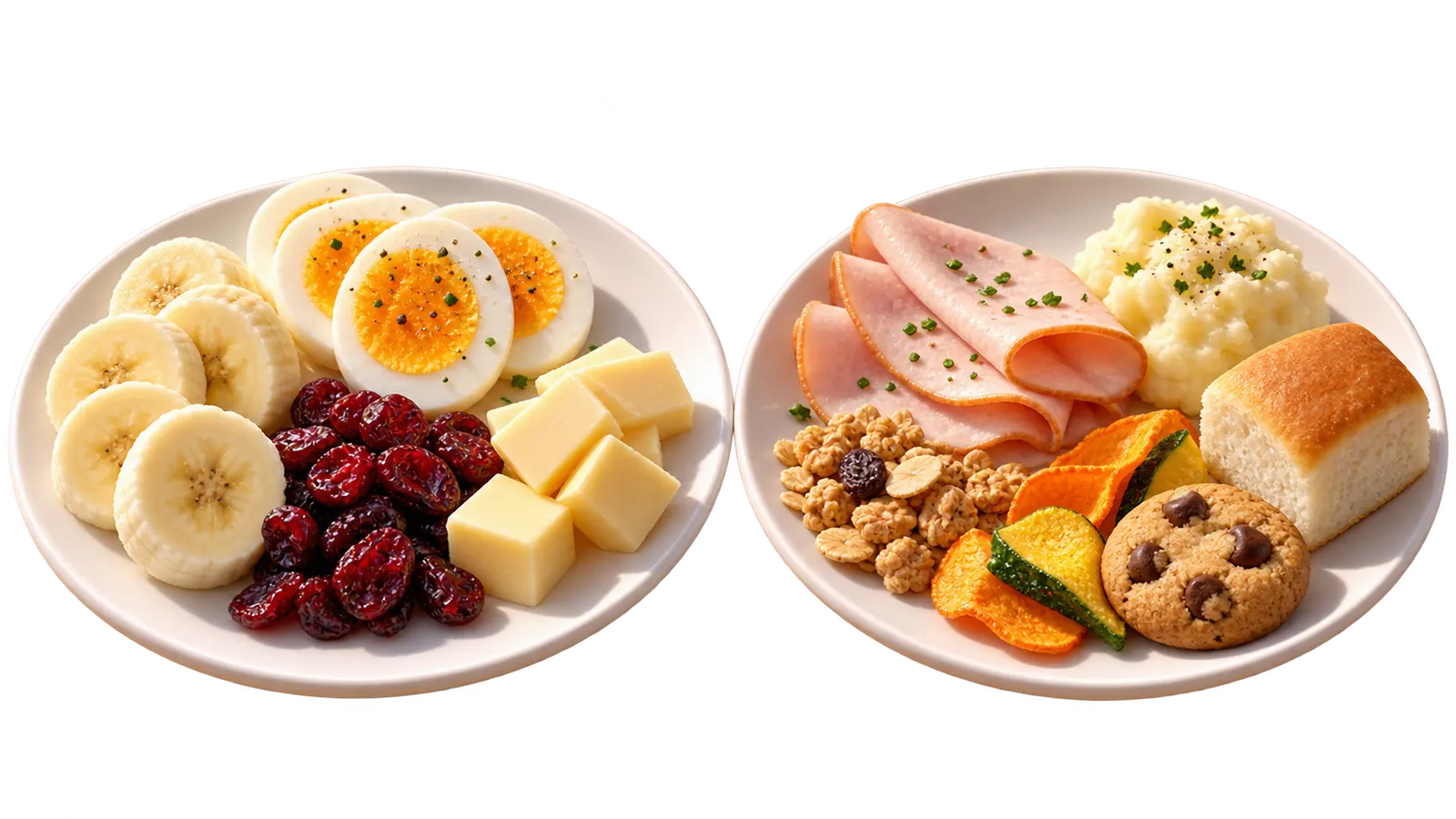
カロリーも栄養もそろえた2つの朝食。ゆで卵やバナナより、超加工食品のほうがインスリンが多く出た
 体・健康
体・健康
1年間ウォーキングした高齢者、記憶の司令塔「海馬」が約2%大きくなっていた

 体・健康
体・健康
指紋は「すべり止め」じゃなかった? 物にふれる面積が減り、摩擦はむしろ下がる方向。役目は手ざわりを感じることかも


 体・健康
体・健康
大人になって牛乳が苦手になるのは「人類の標準」だった。むしろ平気な人が“突然変異”

 体・健康
体・健康
サウナ週4回以上で心臓突然死が少なかった? フィンランド研究の「すごさ」と「落とし穴」

 体・健康
体・健康