参加賞は英語で?上位3人だけの賞だと「ズルがふえる」と10代の約95%が予想
Study Finds Teens Expect Winners-Only Trophies to Bring More Cheating
びっくり度 中学生 160語 / 高校生 283語心理やる気学校研究
3行でわかる!このニュース
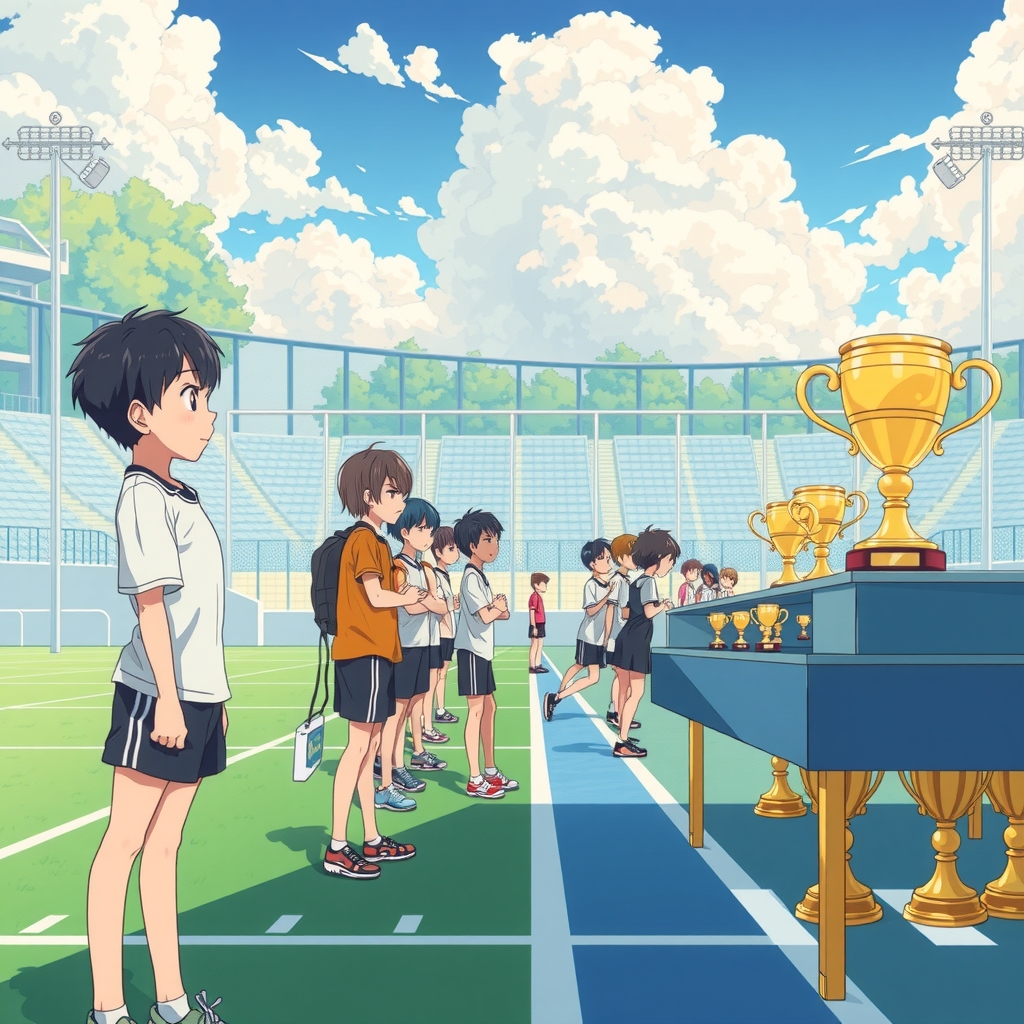
- 全員がもらえるトロフィーと、上位3人だけのトロフィー。かけっこはどちらが速くなる?
- アメリカで7〜9歳の子ども43人と15〜18歳の10代44人に、2つのレースのお話を伝えて、質問した
- 10代は全員が「上位だけのほうが速く走る」と答え、約95%が「ズルもふえる」と予想した
なぜ話題?アメリカの研究が学術誌 Developmental Science に出て、11月15日に心理学ニュースサイト PsyPost が紹介した
入試に出る!予想 ★★☆
競争と全員参加、どちらが人を伸ばすかは、学校教育をめぐる自由英作文の定番。やる気が上がる面とズル・けがの危険の両方を英語で言えるようにしよう。
使える表現try hardermore likely to cheatrisk injurya clear preference
中学生レベル(英検3級〜準2級・CEFR A1〜A2)・160語・約1分
Trophies for Everyone or Only for Winners?
語彙レベル(CEFR-J)
A175.3%A210.8%B110.1%B23.8%外0%
0:00 / --:--
この記事の声:アメリカ英語・女性声は日によって、アメリカ・イギリス・オーストラリア英語、男性・女性が入れかわります
MP3をダウンロード(中学生版・タイトルから本文まで)
A new study in the United States asked young people about two kinds of trophies. In one race, every runner gets a trophy. In the other race, just the three fastest runners get one.
アメリカの新しい研究が、2種類のトロフィーについて若い人たちにたずねました。1つのレースでは、走った人全員がトロフィーをもらえます。もう1つのレースでは、いちばん速い3人だけがもらえます。
The researchers asked 43 children aged 7 to 9 and 44 teens aged 15 to 18. The young people learned about two races at a school. Then they answered questions about the runners.
研究者たちは、7〜9歳の子ども43人と、15〜18歳の10代44人にたずねました。参加者は、ある学校の2つのレースのお話を知らされました。そのあと、走る人たちについての質問に答えました。
All of the teens said runners would run faster in the race for winners. So did 72.1 percent of the children. But the teens also saw a bad side. Of the teens, 95.5 percent said the race for winners would make runners more likely to cheat. The children's answers about cheating were not so clear.
10代は全員が、勝った人だけがもらえるレースのほうが速く走るだろうと答えました。子どもも72.1%が同じように答えました。でも、10代はよくない面にも気づいていました。10代の95.5%が、そのレースのほうがズルをする人が出やすいと答えたのです。ズルについての子どもの答えは、それほどはっきりしませんでした。
In each group, about 63 percent wanted to join the race for winners. Teens who thought they were fast runners were more likely to choose it. The study asked about runners in a story, not about real races.
どちらのグループでも、約63%が勝った人だけがもらえるレースに出たいと答えました。自分は足が速いと思う10代ほど、そのレースを選びやすい傾向がありました。この研究がたずねたのはお話の中の走る人のことで、本物のレースではありません。
WORDSこの記事の単語(8語)
- trophyB2名トロフィーa cup or prize you get for doing wellOur team won a big trophy.私たちのチームは大きなトロフィーを勝ちとった。
- raceB1名競走、レースa contest to see who is the fastestI came second in the race.私はレースで2位だった。
- researchersB1名研究者(researcher の複数形)people who study something to learn new factsThe researchers studied sleep.研究者たちは睡眠を調べた。
- agedA2形~歳のbeing a certain number of years oldThe class is for children aged 10 to 12.その教室は10〜12歳の子ども向けだ。
- likelyA2形~しそうな、ありそうなprobably going to happenIt is likely to rain tonight.今夜は雨が降りそうだ。
- cheatB2動ズルをする、不正をするto break the rules to winDon't cheat on the test.テストでズルをしてはいけない。
- clearA2形はっきりしたeasy to see or understandHer answer was very clear.彼女の答えはとてもはっきりしていた。
- chooseA1動選ぶto pick one thing from manyYou can choose any color.どの色を選んでもいい。
単語の横の A1A2B1B2 は、その単語のむずかしさです(A1 がいちばんやさしく、B2 がいちばん難しい。外 はリストにない語)。ほかの単語のレベルも調べる
レベルの出典:『CEFR-J Wordlist Version 1.6』 東京外国語大学投野由紀夫研究室. (URL: https://www.cefr-j.org/download.html より 2026年8月ダウンロード)
GRAMMAR文法ポイント:be likely to ~(~しそうだ)の比較 more likely to ~
be likely to + 動詞の原形で「~しそうだ、~する可能性が高い」。比べるときは more likely to ~(より~しそう)。本文の Teens who thought they were fast runners were more likely to choose it. は「自分は足が速いと思う10代のほうが、それを選ぶ可能性が高かった」という意味。make runners more likely to cheat(走る人をよりズルしやすくする)のように make +人+ more likely to ~ の形でも使う。
- Tired students are more likely to make mistakes.つかれている生徒のほうが、まちがいをしやすい。
- It is likely to snow tomorrow.明日は雪が降りそうだ。
GAMESゲームで復習しよう
THINK考えてみよう・話してみよう
日本語訳はぼかしてあります。タップすると見えます。
- Should everyone get a trophy at sports day? Why or why not?運動会では全員がトロフィーをもらうべきだと思いますか?その理由は?
- Do you try harder when only winners get a prize?勝った人だけが賞をもらえるとき、あなたはもっとがんばりますか?
PRINT中学生版ワークシート(無料)
本文・単語・クイズ・並べかえ・穴うめ・英作文と解答つき。授業・宿題・自習にどうぞ。
高校生レベル(英検2級〜準1級・CEFR B1〜B2)・283語・約3分
Teens See the Pros and Cons of Winners-Only Trophies, Study Finds
語彙レベル(CEFR-J)
A170.8%A212.5%B110%B23.3%外3.3%
0:00 / --:--
この記事の声:アメリカ英語・女性声は日によって、アメリカ・イギリス・オーストラリア英語、男性・女性が入れかわります
MP3をダウンロード(高校生版・タイトルから本文まで)
Teenagers expect winners-only awards to make people try harder but also to push them to cheat and take risks, a new study from the United States suggests. The study, published in the journal Developmental Science, compared how children and teens think about awards for everyone and awards for the best.
勝った人だけがもらえる賞は、人をがんばらせるが、ズルや危ないことをさせもすると10代は予想している。アメリカの新しい研究が、そんな結果を示しました。学術誌『デベロップメンタル・サイエンス』に発表されたこの研究は、全員への賞と上位への賞について、子どもと10代の考え方をくらべました。
Shuai Shao and Gail Heyman studied 87 young people in the southwestern U.S. Shao did the research at the University of California, San Diego. They included 43 children aged 7 to 9 and 44 teens aged 15 to 18. In the study, each participant was told about two school races, with 10 runners in each. In one event, everyone who showed up would get a trophy, while in the other, only the top three would.
シュアイ・シャオさんとゲイル・ヘイマンさんが、アメリカ南西部の若い人87人を調べました。シャオさんは、カリフォルニア大学サンディエゴ校でこの研究を行いました。内訳は、7〜9歳の子ども43人と、15〜18歳の10代44人です。研究では、参加者一人ひとりに、10人ずつ走る学校の2つのレースのお話を伝えました。1つのレースでは参加した全員がトロフィーをもらい、もう1つでは上位3人だけがもらえます。
Both groups expected the runners to try harder when trophies were limited. All of the teens and 72.1 percent of the children said runners would run faster in the winners-only event. Of the teens, 95.5 percent also said a trophy from that event would make runners feel more special.
どちらのグループも、トロフィーの数が限られているほうが、走る人ががんばると予想しました。10代の全員と子どもの72.1%が、勝った人だけのレースのほうが速く走るだろうと答えました。10代の95.5%は、そのレースのトロフィーのほうが、もらった人をより特別な気持ちにさせるとも答えました。
The teens, however, also saw a downside. Of the teens, 95.5 percent said the winners-only event would make runners more likely to cheat, and all of them said runners would risk injury to win. The children's answers to these questions did not differ clearly from random guessing.
しかし10代は、悪い面にも目を向けていました。10代の95.5%が、勝った人だけのレースのほうがズルが起きやすいと答え、全員が、勝つためにけがをする危険をおかすだろうと答えました。これらの質問への子どもの答えは、あてずっぽうで選んだ場合とはっきりした差がありませんでした。
When asked which event they would like to join, 62.8 percent of the children and 63.6 percent of the teens picked the winners-only race. Neither result showed a clear preference. Among the teens, those who rated themselves as faster runners were more likely to prefer that race. The study has limits, because participants only predicted how runners in a story would act.
どちらのレースに出たいかとたずねられると、子どもの62.8%と10代の63.6%が、勝った人だけのレースを選びました。どちらの結果も、はっきりとした好みの差とは言えませんでした。10代のうち、自分は足が速いと評価した人ほど、そのレースを好む傾向がありました。参加者はお話の中の走る人がどうするかを予想しただけなので、この研究には限界があります。
WORDSこの記事の単語(10語)
- awardsA2名賞(award の複数形)prizes given to people for doing something wellShe got two awards for her drawings.彼女は絵で2つの賞をもらった。
- journalB1名学術誌、専門誌a magazine where scientists share their studiesThe study came out in a science journal.その研究は科学の専門誌に出た。
- studiedA1動調べた、研究した(study の過去形)looked at something carefully to learn about itShe studied how bees fly.彼女はハチの飛び方を調べた。
- participantB1名参加者a person who takes part in somethingEach participant got a T-shirt.参加者はそれぞれTシャツをもらった。
- limitedB1形限られたonly a small number or amountThere are only a limited number of seats.席は限られた数しかない。
- downside外名悪い面、欠点the bad part of somethingThe downside of this phone is its price.このスマホの欠点は値段だ。
- riskB1動(危険を)おかすto do something that could cause harmDon't risk your life for a photo.写真のために命を危険にさらしてはいけない。
- random外形でたらめな、無作為のchosen without any plan or reasonThe teacher picked a random student.先生はでたらめに生徒を1人選んだ。
- preferenceB1名好みliking one thing more than anotherMy preference is tea, not coffee.私はコーヒーより紅茶が好みだ。
- predictedA2動予想した(predict の過去形)said what you think will happen laterHe predicted that our team would win.彼は私たちのチームが勝つと予想した。
単語の横の A1A2B1B2 は、その単語のむずかしさです(A1 がいちばんやさしく、B2 がいちばん難しい。外 はリストにない語)。ほかの単語のレベルも調べる
レベルの出典:『CEFR-J Wordlist Version 1.6』 東京外国語大学投野由紀夫研究室. (URL: https://www.cefr-j.org/download.html より 2026年8月ダウンロード)
GRAMMAR文法ポイント:接続詞のあとの省略(When asked ~)
when・if などの接続詞のあとで、主語と be動詞が省かれることがある。本文の When asked which event they would like to join, … は When they were asked which event they would like to join, … の they were が省かれた形で、主節の主語(62.8 percent of the children and 63.6 percent of the teens)と同じ人たちを指す。「~とたずねられると」という意味。
- When asked about his dream, he smiled.夢についてたずねられると、彼はほほえんだ。
- If needed, I can help you.必要なら、手伝えるよ。
GAMESゲームで復習しよう
THINK考えてみよう・話してみよう
日本語訳はぼかしてあります。タップすると見えます。
- Do you think schools should give trophies to every student who takes part? Explain your opinion.学校は参加した生徒全員にトロフィーをあげるべきだと思いますか?意見を説明しましょう。
- Why do you think the teens noticed the risk of cheating more than the children did?10代が子どもよりもズルの危険に気づいたのはなぜだと思いますか?
PRINT高校生版ワークシート(無料)
本文・単語・クイズ・並べかえ・穴うめ・英作文と解答つき。授業・宿題・自習にどうぞ。
PICK UP WORD
participation trophy
参加賞(のトロフィー)
勝ち負けに関係なく、参加した人全員がもらえるトロフィー。participation は「参加」で、動詞 participate(参加する)の名詞形。全員に同じ賞をあげると、勝つことの価値がうすれ、やる気も下がるという批判もある。
STUDY TOOLS 勉強ハック道具箱
原田英語のサイトでもっと
出典・参考にした情報
この記事は、下の報道・発表で事実を確かめたうえで、原田英語が中学生・高校生向けに英語と日本語で書きおろしたオリジナル記事です(文章の転載・翻訳ではありません)。くわしく知りたい人は元の情報も読んでみよう。著作権と出典の考え方
- New study finds children and teens reason differently about participation trophiesPsyPost(2026-11-15)
- Economic Socialization: Developing Economic Minds and Behaviors(Shuai Shao 博士論文。第3章 Trophies for All? Children's and Adolescents' Reasoning About Inclusive Versus Selective Awards)University of California, San Diego(eScholarship)(2026-07-13)