運動不足の10代、世界で約4人に1人 1日60分動いた日が1週間に1日もない
WHO: A Quarter of Teens Had Zero Active Days in a Week
びっくり度 中学生 149語 / 高校生 321語運動健康体10代
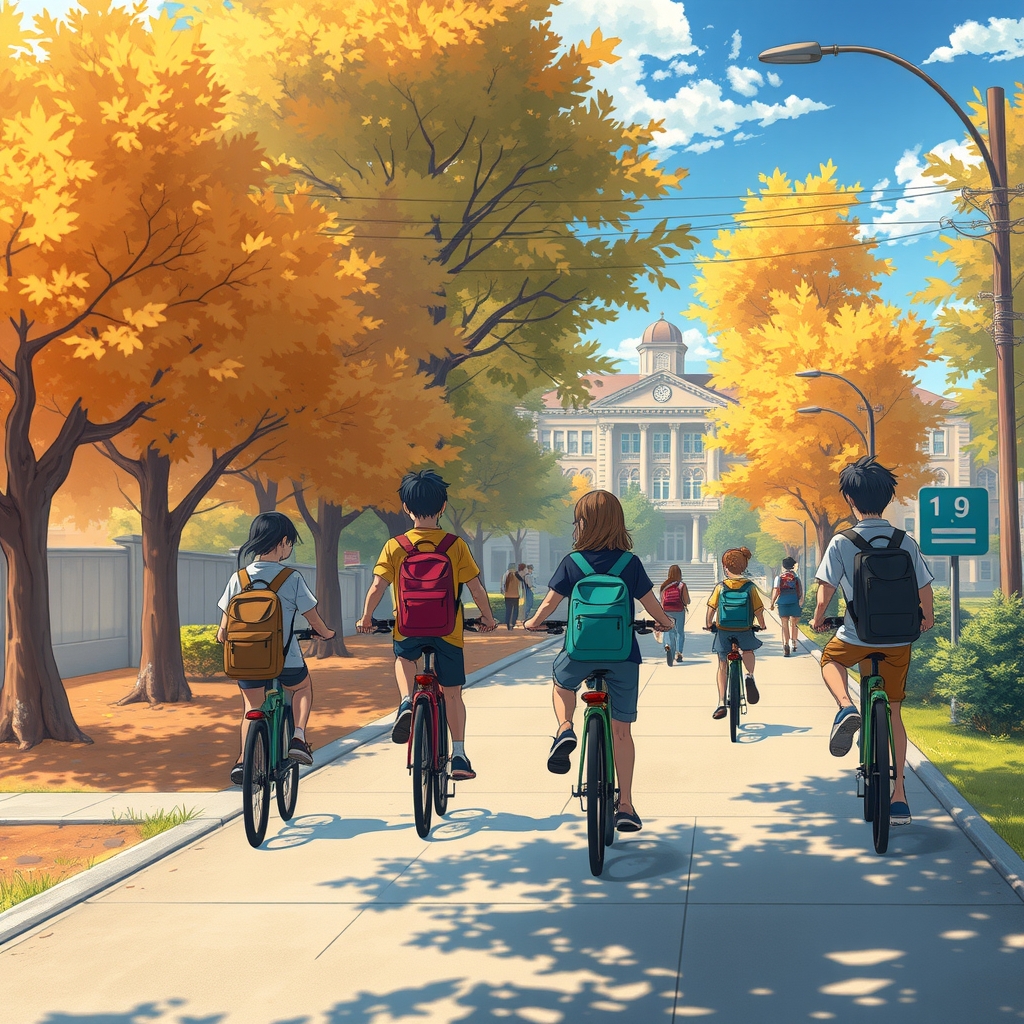
3行でわかる!このニュース
- 世界の11〜17歳の約4人に1人は、1日60分しっかり体を動かした日が、1週間に1日もなかった
- WHO(世界保健機関)が140の国と地域の調査、320万人以上の10代のデータをまとめた
- 女子のほうが動いておらず、10代全体の運動の量もこの15年ほとんど変わらない
なぜ話題?WHOの新しい世界の推計が11月4日に医学誌に出て、各国で報道。「運動不足 英語」「運動不足 中学生」はGoogleサジェストに出る
入試に出る!予想 ★★☆
10代の運動と健康、学校でできることは、長文や自由英作文でよく取り上げられるテーマ。運動が足りない理由とWHOの提案を、英語で説明できるようにしよう。
使える表現physical inactivityon averagepromote exercisepublic spaces
中学生レベル(英検3級〜準2級・CEFR A1〜A2)・149語・約1分
About One in Four Teens Had Zero Active Days in a Week
語彙レベル(CEFR-J)
A173.6%A213.9%B111.8%B20%外0.7%
0:00 / --:--
この記事の声:イギリス英語・男性声は日によって、アメリカ・イギリス・オーストラリア英語、男性・女性が入れかわります
MP3をダウンロード(中学生版・タイトルから本文まで)
Worldwide, about one in four people aged 11 to 17 had no active days in a week. The World Health Organization (WHO) said the group is around 240 million people.
世界の11〜17歳の約4人に1人は、1週間に「よく動いた日」が1日もありませんでした。世界保健機関(WHO)によると、その人数は約2億4000万人です。
The WHO looked at 389 surveys in 140 countries and areas. The surveys included more than 3.2 million teenagers. An active day is a day with 60 minutes or more of medium or hard exercise. Teens with no active days may still have done some exercise.
WHO は、140の国と地域で行われた389の調査を調べました。調査には、320万人以上の10代が参加していました。「よく動いた日」とは、中くらいから激しい運動を60分以上した日のことです。よく動いた日が0日の10代でも、少しは運動をしていたかもしれません。
On average, teenagers were active on 2.7 days a week. Only 14 percent were active every day. Among girls, 28 percent had no active days. Among boys, the figure was 22 percent.
平均すると、10代がよく動いた日は1週間に2.7日でした。毎日よく動いていたのは、14%だけでした。女子では、28%によく動いた日がありませんでした。男子では、その割合は22%でした。
Teenagers' activity levels have hardly changed in 15 years. The WHO wants schools to give students more chances to move. It also wants safe paths for walking and riding bikes.
10代の運動の量は、この15年ほとんど変わっていません。WHO は、学校が生徒に体を動かす機会をもっとあたえることを求めています。安全に歩いたり自転車に乗ったりできる道も求めています。
The study was published in the journal The Lancet Global Health.
この研究は、医学誌「ランセット・グローバル・ヘルス」に発表されました。
WORDSこの記事の単語(8語)
- activeB1形よく動く、活動的なmoving around and doing things a lotMy grandmother is still very active.祖母は今もとても活動的だ。
- surveysA1名調査(survey の複数形)sets of questions asked to many peopleOur class did surveys about school lunch.私たちのクラスは給食についての調査をした。
- includedA2動ふくんでいた(include の過去形)had something as one part of a groupThe price included breakfast.その値段には朝食がふくまれていた。
- exerciseA1名運動moving your body to stay strong and healthyWalking is good exercise.歩くことはよい運動だ。
- averageA2名平均(on average で「平均すると」)the usual amount you get when you divide a totalOn average, I sleep seven hours a night.平均すると、私は一晩に7時間ねている。
- percentB1名パーセント、%a part out of every 100Fifty percent of the students walk to school.生徒の50%は歩いて学校に来る。
- hardlyA2副ほとんど~ないalmost not at all, or only a littleI could hardly hear the teacher.先生の声がほとんど聞こえなかった。
- journalB1名学術誌、専門誌a magazine that reports new researchHer report appeared in a science journal.彼女の報告は科学の専門誌にのった。
単語の横の A1A2B1B2 は、その単語のむずかしさです(A1 がいちばんやさしく、B2 がいちばん難しい。外 はリストにない語)。ほかの単語のレベルも調べる
レベルの出典:『CEFR-J Wordlist Version 1.6』 東京外国語大学投野由紀夫研究室. (URL: https://www.cefr-j.org/download.html より 2026年8月ダウンロード)
GRAMMAR文法ポイント:受け身(be動詞 + 過去分詞「~される」)
「~される・~された」を表す。本文の The study was published in the journal The Lancet Global Health.(その研究は医学誌に発表された)がその例。was + published(publish の過去分詞)の形。
- This book was written in 1950.この本は1950年に書かれた。
- English is spoken in many countries.英語は多くの国で話されている。
GAMESゲームで復習しよう
THINK考えてみよう・話してみよう
日本語訳はぼかしてあります。タップすると見えます。
- How many days last week did you exercise for 60 minutes or more?先週、60分以上運動した日は何日ありましたか?
- What could your school do to help students move more?生徒がもっと体を動かせるように、あなたの学校には何ができると思いますか?
PRINT中学生版ワークシート(無料)
本文・単語・クイズ・並べかえ・穴うめ・英作文と解答つき。授業・宿題・自習にどうぞ。
高校生レベル(英検2級〜準1級・CEFR B1〜B2)・321語・約3分
A Quarter of Adolescents Went a Week Without an Active Day, WHO Estimates
語彙レベル(CEFR-J)
A170.8%A213%B112%B22%外2.3%
0:00 / --:--
この記事の声:イギリス英語・男性声は日によって、アメリカ・イギリス・オーストラリア英語、男性・女性が入れかわります
MP3をダウンロード(高校生版・タイトルから本文まで)
About one in four people aged 11 to 17 worldwide went a full week without a single active day, the World Health Organization (WHO) estimated. The WHO put the number at about 240 million adolescents. The estimates were published in the journal The Lancet Global Health.
世界の11〜17歳の約4人に1人は、まる1週間、「よく動いた日」が1日もなかったと、世界保健機関(WHO)が推計しました。WHO は、その数を約2億4000万人としています。この推計は、医学誌「ランセット・グローバル・ヘルス」に発表されました。
The WHO pooled data from 389 surveys covering more than 3.2 million adolescents in 140 nations and territories. In the study, an active day was one with 60 minutes or more of moderate or vigorous exercise. Teens with no active days fell short of that level on each of the seven days before the survey. A teen in this group may still have done some exercise.
WHO は、140の国と地域で320万人以上の10代を対象にした389の調査のデータをまとめました。この研究では、「よく動いた日」とは、中くらいから激しい運動を60分以上した日のことです。「よく動いた日が0日」の10代は、調査の前の7日間のどの日も、その基準に届きませんでした。この人たちも、少しは運動をしていたかもしれません。
On average, adolescents were active on 2.7 days a week, and only 14 percent reached 60 minutes every day. Girls were not as active as boys in nearly every country. No active days were reported by 28 percent of girls and 22 percent of boys. Only 11 percent of girls were active daily, while 17 percent of boys were. In some countries, only 4 percent of teens had no active days, while in others the share was above 40 percent.
平均すると、10代がよく動いた日は1週間に2.7日で、毎日60分に届いていたのは14%だけでした。ほとんどすべての国で、女子は男子ほど体を動かしていませんでした。よく動いた日が0日と答えたのは、女子の28%、男子の22%でした。毎日よく動いていたのは、女子では11%だけで、男子では17%でした。よく動いた日が0日の10代は、4%しかいない国もあれば、40%をこえる国もありました。
These levels have barely moved in 15 years. In 2025, 86 percent of adolescents missed the 60-minute level on at least one day of the week, the same share as in 2010. Physical inactivity is a big risk factor for type 2 diabetes, heart disease and certain cancers.
こうした数は、15年間ほとんど変わっていません。2025年には10代の86%が、1週間のうち少なくとも1日は60分に届かず、その割合は2010年と同じでした。運動不足は、2型糖尿病や心臓病、一部のがんの大きな危険因子です。
The report said many things shape how active teenagers are, including how they get around, the cost of activities and lifestyles built around screens. The WHO wants schools to promote exercise and calls for safe paths for walking and cycling. It also called for steps to remove the barriers that keep girls from being active. It said adolescents should help plan policies and public spaces. WHO Director-General Tedros Adhanom Ghebreyesus said the solution is not asking teenagers to push themselves harder.
報告によると、10代がどのくらい体を動かすかは、移動の仕方、運動にかかる費用、画面を中心にした生活など、多くのことに左右されます。WHO は、学校が運動を広めることや、安全に歩いたり自転車に乗ったりできる道を求めています。女子が体を動かすのをさまたげている壁を取りのぞくことも呼びかけました。また、10代が政策や公共の場所の計画づくりに加わるべきだとしています。WHO のテドロス・アダノム・ゲブレイェスス事務局長は、10代にもっとがんばるよう求めることが解決策ではないと話しました。
WORDSこの記事の単語(10語)
- estimatesB1名推計、見積もり(estimate の複数形)numbers that are a careful guess, not exactEarly estimates said 500 people came to the event.最初の推計では、500人がそのイベントに来たとされた。
- adolescents外名10代の若者、青年(adolescent の複数形)young people between being a child and an adultMany adolescents use smartphones every day.多くの10代が毎日スマートフォンを使う。
- pooledA1動(データなどを)ひとつにまとめた(pool の過去形)put things from different places togetherWe pooled our money to buy a gift.私たちはお金を出し合ってプレゼントを買った。
- vigorousB2形激しい、力強いusing a lot of energy and strengthRunning up a hill is vigorous exercise.坂をかけ上がるのは激しい運動だ。
- reportedA2動報告した、答えた(report の過去分詞)told others about somethingThe accident was reported to the police.その事故は警察に届けられた。
- barelyB1副ほとんど~ない、かろうじてalmost not at allI barely slept last night.昨夜はほとんど眠れなかった。
- inactivity外名動かないこと(physical inactivity で運動不足)the state of not moving or doing muchLong hours of inactivity are bad for your back.長い時間動かないでいるのは腰によくない。
- promoteB1動広める、すすめるto help something grow or become popularThe city wants to promote reading.市は読書を広めたいと考えている。
- barriersB2名壁、さまたげ(barrier の複数形)things that stop people from doing somethingCost can be one of the barriers to studying abroad.費用は留学のさまたげの1つになりうる。
- policiesB1名政策、方針(policy の複数形)plans or rules made by a government or groupThe school has new policies on phones.その学校には、スマホについての新しい方針がある。
単語の横の A1A2B1B2 は、その単語のむずかしさです(A1 がいちばんやさしく、B2 がいちばん難しい。外 はリストにない語)。ほかの単語のレベルも調べる
レベルの出典:『CEFR-J Wordlist Version 1.6』 東京外国語大学投野由紀夫研究室. (URL: https://www.cefr-j.org/download.html より 2026年8月ダウンロード)
GRAMMAR文法ポイント:分詞の後置修飾(名詞 + ~ing/過去分詞)
分詞が名詞のすぐ後ろから説明を加える。本文の 389 surveys covering more than 3.2 million adolescents(320万人以上の10代を対象にした389の調査)は ~ing の形、lifestyles built around screens(画面を中心につくられた生活)は過去分詞の形。
- The girl talking with Ken is my sister.ケンと話している女の子は私の姉です。
- I have a watch made in Switzerland.私はスイスで作られた腕時計を持っている。
GAMESゲームで復習しよう
THINK考えてみよう・話してみよう
日本語訳はぼかしてあります。タップすると見えます。
- Should schools give students more time for physical activity? Why or why not?学校は、生徒が体を動かす時間をもっとふやすべきだと思いますか?理由も考えよう。
- In nearly every country, girls were not as active as boys. What do you think could help girls exercise more?ほとんどすべての国で、女子は男子ほど体を動かしていませんでした。女子がもっと運動しやすくなるには、何が役立つと思いますか?
PRINT高校生版ワークシート(無料)
本文・単語・クイズ・並べかえ・穴うめ・英作文と解答つき。授業・宿題・自習にどうぞ。
PICK UP WORD
physical inactivity
運動不足
physical(体の)+ inactivity(動かないこと)。active(活動的な)に in- がついた inactive の名詞形。ふだんの会話では I don't get enough exercise.(運動が足りていない)もよく使う。
STUDY TOOLS 勉強ハック道具箱
原田英語のサイトでもっと
出典・参考にした情報
この記事は、下の報道・発表で事実を確かめたうえで、原田英語が中学生・高校生向けに英語と日本語で書きおろしたオリジナル記事です(文章の転載・翻訳ではありません)。くわしく知りたい人は元の情報も読んでみよう。著作権と出典の考え方
- One in four adolescents worldwide reported no active days in the previous weekLoughborough University(2026-11-04)
- One in four adolescents worldwide reported no active days in the previous weekPAHO(Pan American Health Organization)(2026-11-09)
- Teens aren't getting enough exercise and the problem has barely changed in 15 yearsEuronews(2026-11-04)