白色矮星とは?約8分ごとに電波を出す「死んだ星」、太陽に似た星とペアとみられる
Astronomers Link Eight-Minute Radio Flashes to a Dead Star and Sun-Like Partner
びっくり度 中学生 156語 / 高校生 234語宇宙星電波天文学
3行でわかる!このニュース
- 宇宙のどこかから、約8分ごとに電波がピカッと届いていた
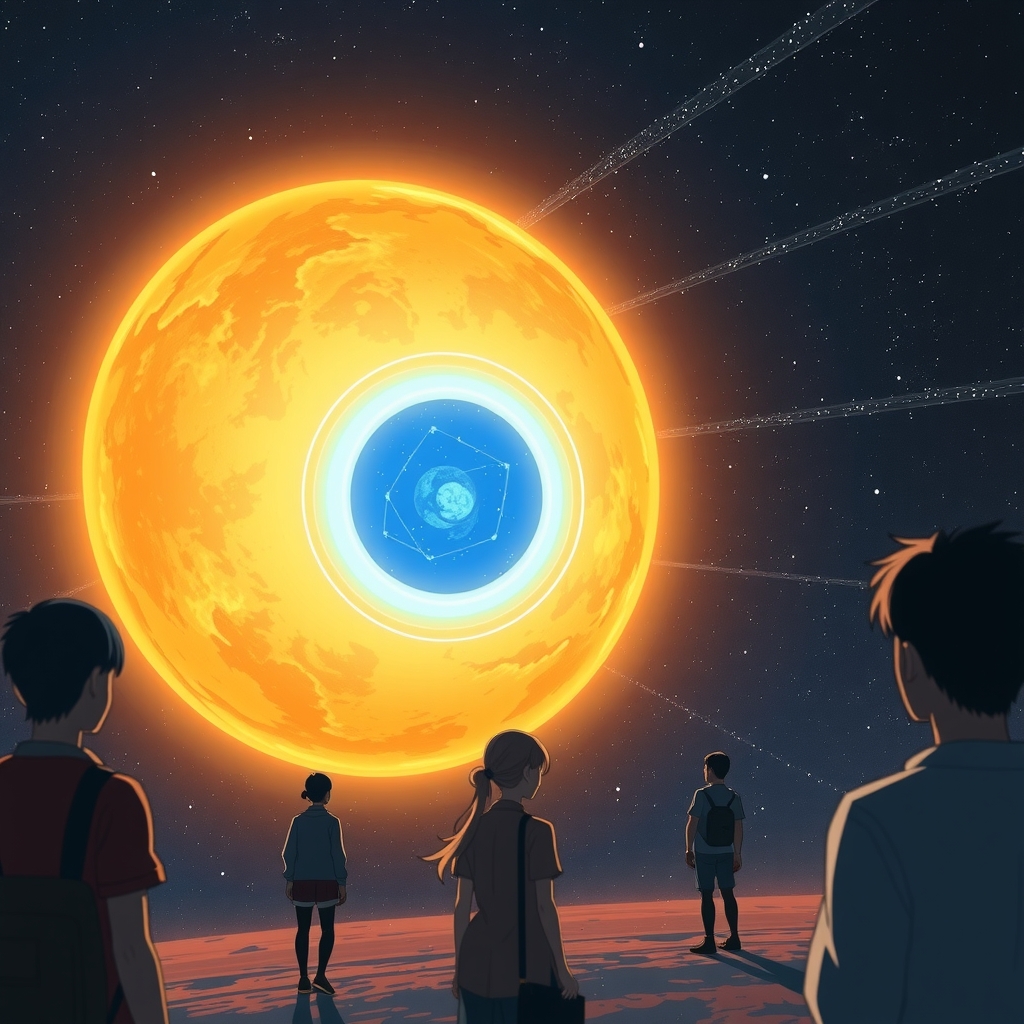
- その正体は、一生を終えた星の芯「白色矮星」と、太陽に似た星のペアだと考えられている
- 何分もの間をあけてくり返し届くこの種の電波は、これまでに約12個しか見つかっていない
なぜ話題?オーストラリアのカーティン大学などのチームが、11月12日に学術誌 Nature Astronomy で発表
中学生レベル(英検3級〜準2級・CEFR A1〜A2)・156語・約1分
Radio Flashes Every Eight Minutes
語彙レベル(CEFR-J)
A180.3%A27.9%B14.6%B25.3%外2%
0:00 / --:--
この記事の声:アメリカ英語・男性声は日によって、アメリカ・イギリス・オーストラリア英語、男性・女性が入れかわります
MP3をダウンロード(中学生版・タイトルから本文まで)
Astronomers say they have found two stars that send out radio flashes about every eight minutes. Eight minutes is enough time to make cup noodles twice. The two stars are more than 5,000 light-years from Earth.
天文学者たちは、約8分ごとに電波をピカッと出す2つの星を見つけたと発表しました。8分あれば、カップめんを2回作れます。その2つの星は、地球から5000光年以上はなれています。
One of them is a white dwarf. A white dwarf is what is left after a star dies. The other star is very similar to our Sun.
そのうちの1つは「白色矮星」です。白色矮星とは、星が一生を終えたあとに残るものです。もう1つの星は、わたしたちの太陽にとてもよく似ています。
A radio telescope in Australia first caught the signal in late 2024. Then a telescope in South Africa found where in the sky it came from. A telescope in Hawaii looked at the light of the Sun-like star.
オーストラリアの電波望遠鏡が、2024年の終わりごろに初めてこの信号をとらえました。そのあと、南アフリカの望遠鏡が、信号が空のどこから来ているかをつきとめました。ハワイの望遠鏡は、太陽に似た星の光を調べました。
Signals like this are called long-period transients. Scientists have found only about a dozen so far. Some come from a white dwarf and a small, cool star called a red dwarf.
このような信号は「長い周期の電波トランジェント」と呼ばれます。これまでに見つかったのは、約12個だけです。そのいくつかは、白色矮星と、「赤色矮星」という小さくて温度の低い星のペアから来ています。
Scientists are still not sure where exactly the flashes start. A team led by Curtin University in Australia published the study on November 12.
電波がどこから出ているのか、くわしいことはまだはっきりしていません。オーストラリアのカーティン大学を中心とするチームが、11月12日にこの研究を発表しました。
WORDSこの記事の単語(8語)
- astronomersB1名天文学者scientists who study stars and spaceThe astronomers watched the sky all night.天文学者たちは一晩じゅう空を観察した。
- flashesB1名(光や電波の)ピカッとした一瞬の出方short, quick bursts of light or energyWe saw flashes of lightning in the distance.遠くでいなずまがピカッと光るのが見えた。
- leftA1動残される(leave の過去分詞)still there after other things are goneThere is no cake left in the box.箱にケーキは残っていない。
- similarA2形よく似たalmost the same as something elseMy bag is similar to yours.私のかばんはあなたのものとよく似ている。
- telescopeB2名望遠鏡a tool that helps you see things far awayI looked at the Moon through a telescope.私は望遠鏡で月を見た。
- signalB1名信号a sign or wave that carries a messageMy phone has no signal here.ここではスマホの電波が入らない。
- dozenB1名12個、1ダースa group of twelve thingsShe bought a dozen eggs.彼女は卵を12個買った。
- exactlyA2副正確に、ちょうどwith every small detail correctI don't know exactly when the bus comes.バスが何時に来るか、正確にはわからない。
単語の横の A1A2B1B2 は、その単語のむずかしさです(A1 がいちばんやさしく、B2 がいちばん難しい。外 はリストにない語)。ほかの単語のレベルも調べる
レベルの出典:『CEFR-J Wordlist Version 1.6』 東京外国語大学投野由紀夫研究室. (URL: https://www.cefr-j.org/download.html より 2026年8月ダウンロード)
GRAMMAR文法ポイント:現在完了(have + 過去分詞)
過去にしたことの結果が、いまも続いていることを表す。本文の Astronomers have found two stars …(天文学者が2つの星を見つけた)や Scientists have found only about a dozen so far.(これまでに約12個しか見つかっていない)がその例。so far(これまでに)とよくいっしょに使う。
- I have finished my homework.宿題を終えたところです。
- We have seen three shooting stars so far.これまでに流れ星を3つ見た。
GAMESゲームで復習しよう
THINK考えてみよう・話してみよう
日本語訳はぼかしてあります。タップすると見えます。
- If you had a big radio telescope, what would you like to look for in space?もし大きな電波望遠鏡があったら、宇宙で何をさがしてみたいですか?
- Why do you think scientists want to find more signals like this?科学者たちは、なぜこのような信号をもっと見つけたいのだと思いますか?
PRINT中学生版ワークシート(無料)
本文・単語・クイズ・並べかえ・穴うめ・英作文と解答つき。授業・宿題・自習にどうぞ。
高校生レベル(英検2級〜準1級・CEFR B1〜B2)・234語・約2分
A Dead Star and a Sun-Like Partner May Be Behind an Eight-Minute Radio Signal
語彙レベル(CEFR-J)
A173%A211.9%B16.6%B27.1%外1.3%
0:00 / --:--
この記事の声:アメリカ英語・男性声は日によって、アメリカ・イギリス・オーストラリア英語、男性・女性が入れかわります
MP3をダウンロード(高校生版・タイトルから本文まで)
Astronomers say they have traced a radio signal that repeats about every eight minutes to an unusual pair of stars. The pair sits more than 5,000 light-years from Earth. One of the stars is a white dwarf, the small, dense core that remains after a star has died. Its partner is a G-type star, the same type as our Sun.
約8分ごとにくり返す電波の信号は、めずらしい星のペアから来ていると、天文学者たちが発表しました。そのペアは、地球から5000光年以上はなれたところにあります。星の1つは白色矮星で、星が一生を終えたあとに残る、小さくてぎゅっとつまった芯です。その相手は、太陽と同じ種類の「G型星」です。
The flashes arrive about every 7.9 minutes. Signals that repeat this slowly are known as long-period transients. Only about 12 are known so far, and astronomers have been working to explain them for several years. Several earlier signals came from a white dwarf paired with a red dwarf. A red dwarf is a star that is smaller and cooler than the Sun.
電波は約7.9分ごとに届きます。このくらいゆっくりくり返す信号は「長い周期の電波トランジェント」と呼ばれています。見つかっているのはまだ約12個だけで、天文学者たちは何年も前からその正体を説明しようとしてきました。以前に見つかった信号のいくつかは、白色矮星と赤色矮星のペアから来ていました。赤色矮星とは、太陽より小さくて温度の低い星です。
The team is not yet sure exactly where the radio waves start. The researchers said the flashes come from an area near the white dwarf. The source might even be the white dwarf. Astronomers still do not fully understand what causes long-period transients.
研究チームは、電波が正確にどこから出ているのか、まだはっきりわかっていません。研究者たちは、電波は白色矮星の近くから出ていると話しています。電波を出しているのは、白色矮星そのものかもしれません。長い周期の電波トランジェントが何によって起きるのか、天文学者たちはまだ完全にはわかっていません。
A team led by Curtin University in Australia described the system in the journal Nature Astronomy on November 12. The study's lead author is Sam McSweeney. The Murchison Widefield Array, a radio telescope in Western Australia, first detected the flashes in late 2024. The MeerKAT telescope in South Africa then narrowed down their position in the sky. The Keck Observatory in Hawaii studied the light of the Sun-like star.
オーストラリアのカーティン大学を中心とするチームが、11月12日に学術誌『ネイチャー・アストロノミー』でこの星のペアについて発表しました。論文の筆頭著者はサム・マクスウィーニーさんです。西オーストラリア州にある電波望遠鏡「マーチソン広視野電波干渉計(MWA)」が、2024年の終わりごろに初めてこの電波を見つけました。そのあと、南アフリカの望遠鏡ミーアキャットが、電波が来る空の位置をしぼりこみました。ハワイのケック天文台は、太陽に似た星の光を調べました。
WORDSこの記事の単語(10語)
- tracedB1動(出どころを)たどってつきとめたfound where something came fromThe police traced the call to a small town.警察はその電話が小さな町からかけられたとつきとめた。
- unusualA2形めずらしい、ふつうでないdifferent from what you often seeIt is unusual to see snow here in April.ここで4月に雪を見るのはめずらしい。
- remainsB2動残るstays after other parts are goneOnly one cookie remains on the plate.皿にはクッキーが1枚だけ残っている。
- detectedB2動見つけた、感知したnoticed something that is hard to see or hearThe machine detected smoke in the kitchen.その機械は台所の煙を感知した。
- coreB2名芯、中心部分the middle part of somethingThe core of the apple was hard.リンゴの芯はかたかった。
- journalB1名学術誌a magazine where scientists share their studiesHer research appeared in a science journal.彼女の研究は科学の学術誌にのった。
- authorA2名著者、書いた人the person who writes a book or paperThe author signed my copy of the book.著者が私の本にサインしてくれた。
- narrowed downB1動しぼりこんだmade a list of choices smallerWe narrowed down the list to three movies.私たちは候補を3本の映画にしぼりこんだ。
- observatory外名天文台a building with big tools for watching the skyWe visited an observatory on the mountain.私たちは山の上の天文台を訪れた。
- fullyA2副完全に、すっかりcompletely, with nothing missingI have not fully finished my report yet.レポートはまだ完全には終わっていない。
単語の横の A1A2B1B2 は、その単語のむずかしさです(A1 がいちばんやさしく、B2 がいちばん難しい。外 はリストにない語)。ほかの単語のレベルも調べる
レベルの出典:『CEFR-J Wordlist Version 1.6』 東京外国語大学投野由紀夫研究室. (URL: https://www.cefr-j.org/download.html より 2026年8月ダウンロード)
GRAMMAR文法ポイント:関係代名詞 that(主格)
that のあとに動詞が続き、前の名詞を説明する。本文の a radio signal that repeats about every eight minutes(約8分ごとにくり返す電波の信号)や a star that is smaller and cooler than the Sun(太陽より小さくて温度の低い星)がその例。
- I have a friend that speaks three languages.私には3つの言語を話す友だちがいる。
- This is the bus that goes to the station.これは駅へ行くバスです。
GAMESゲームで復習しよう
THINK考えてみよう・話してみよう
日本語訳はぼかしてあります。タップすると見えます。
- Should countries spend a lot of money on huge radio telescopes? Why or why not?国は大きな電波望遠鏡にたくさんのお金を使うべきだと思いますか?それはなぜ?
- Scientists sometimes wait years for an answer. Would you enjoy that kind of work?科学者は答えが出るまで何年も待つことがあります。あなたはそういう仕事を楽しめると思いますか?
PRINT高校生版ワークシート(無料)
本文・単語・クイズ・並べかえ・穴うめ・英作文と解答つき。授業・宿題・自習にどうぞ。
PICK UP WORD
white dwarf
白色矮星(はくしょくわいせい)
white(白い)+ dwarf(小さなもの)。星が一生を終えたあとに残る、小さくてぎゅっとつまった芯。red dwarf(赤色矮星)は、太陽より小さくて温度の低い星のこと。
原田英語のサイトでもっと
出典・参考にした情報
この記事は、下の報道・発表で事実を確かめたうえで、原田英語が中学生・高校生向けに英語と日本語で書きおろしたオリジナル記事です(文章の転載・翻訳ではありません)。くわしく知りたい人は元の情報も読んでみよう。著作権と出典の考え方
- A dead star is flashing radio waves every 8 minutes, and its partner looks a lot like the SunThe Conversation(2026-11-12)
- A rare star system emits radio signals every 8 minutesPhys.org (ICRAR)(2026-11-12)
- Rare Star System Emits Radio Signals Every 8 MinutesGizmodo(2026-11-12)