鬼界カルデラの噴火で縄文人はどうなった? 九州北部では人が増え続けていた
Study Finds Ancient Eruption Hit Jomon Japan Unevenly
びっくり度 中学生 169語 / 高校生 295語火山縄文時代歴史九州
3行でわかる!このニュース
- 約7300年前、九州の南の海の底にある鬼界カルデラで、ここ1万年あまりで最大級の噴火が起きた
- イギリスやスウェーデンなどの研究者をふくむチームが、縄文の人の数が日本の各地でどう変わったかを調べた
- 九州南部では人が減ったのに、北部では増え続け、遠くの地方では増えるのが止まっていた
なぜ話題?10月16日に学術誌サイエンス・アドバンシズに論文が出て、ルンド大学の発表を Phys.org(10月17日)・ScienceDaily(10月18日)が報じた
中学生レベル(英検3級〜準2級・CEFR A1〜A2)・169語・約2分
What Happened After a Huge Eruption in Japan?
語彙レベル(CEFR-J)
A173.8%A28.5%B17.3%B28.5%外1.8%
0:00 / --:--
この記事の声:アメリカ英語・女性声は日によって、アメリカ・イギリス・オーストラリア英語、男性・女性が入れかわります
MP3をダウンロード(中学生版・タイトルから本文まで)
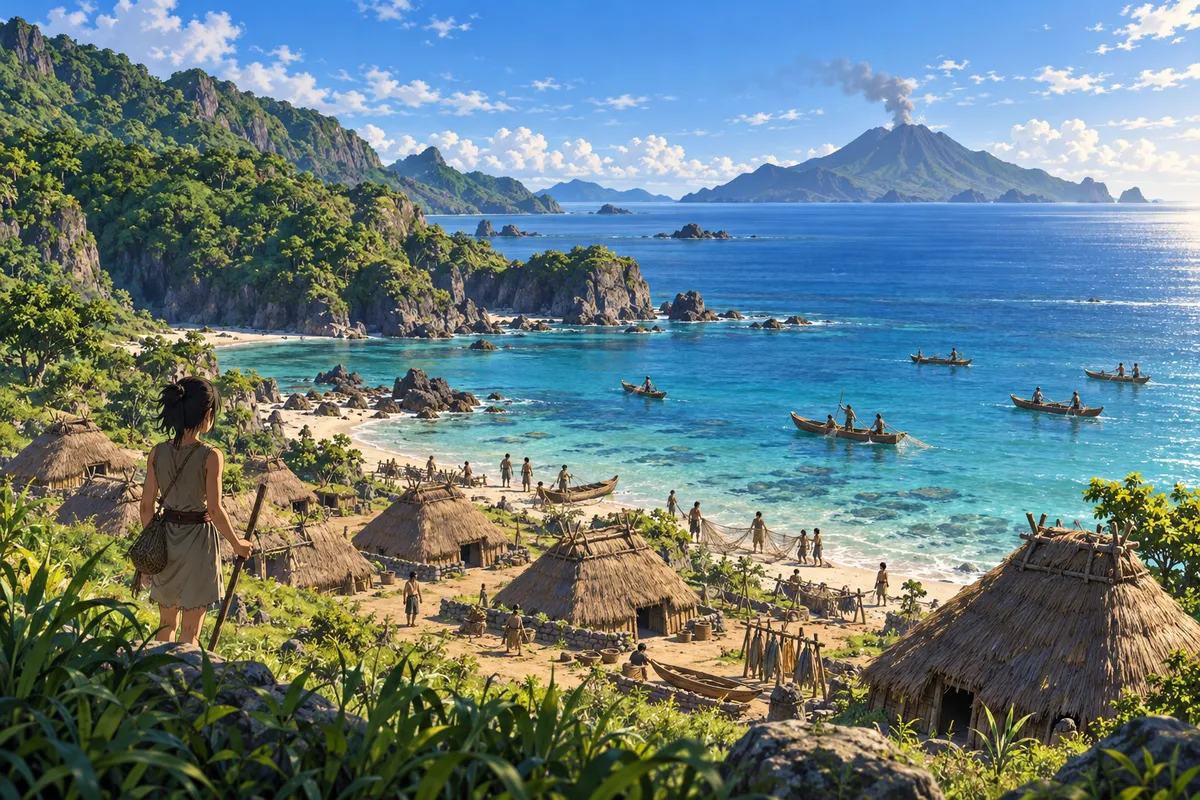
About 7,300 years ago, a huge volcano erupted under the sea south of Kyushu. The volcano is known as the Kikai caldera. The eruption was one of the biggest on Earth in the last 11,700 years. A new study says the eruption did not affect everyone in the same way.
約7300年前、九州の南の海の底で、巨大な火山が噴火しました。この火山は「鬼界カルデラ」とよばれています。その噴火は、この1万1700年で地球でもっとも大きな噴火の一つでした。新しい研究によると、この噴火の影響は、どこでも同じだったわけではありません。
At that time, Jomon people lived in Japan. They hunted animals and gathered food. The eruption brought earthquakes, tsunamis and thick ash.
そのころ、日本には縄文の人々が住んでいました。人々は動物をとったり、食べ物を集めたりしてくらしていました。噴火は、地震や津波、厚い火山灰をもたらしました。
Researchers, including scientists in England and Sweden, studied old data from across Japan. In southern Kyushu, the number of people was already going down before the eruption. But in northern Kyushu, the number kept growing, even after the eruption. People who left the south may have moved there.
イギリスやスウェーデンの研究者をふくむチームが、日本の各地の昔のデータを調べました。九州の南部では、噴火の前から人の数がすでに減っていました。ところが九州の北部では、噴火のあとも人の数が増え続けました。南からにげてきた人たちが、北部へ移り住んだのかもしれません。
In some areas far from the volcano, the number of people stopped growing after the eruption. One possible cause is damage to the teeth of deer and wild boars. Eating plants with ash on them may have worn down their teeth. The Jomon people needed these animals for food.
火山から遠い地方の中には、噴火のあと人の数が増えなくなったところもありました。原因の一つとして考えられるのは、シカやイノシシの歯がいたんだことです。灰のついた草を食べたせいで、歯がすり減ったのかもしれません。縄文の人々にとって、これらの動物は大切な食べ物でした。
WORDSこの記事の単語(8語)
- eruptedB2動噴火したsent out fire, rock and smokeThe volcano erupted last night.その火山はきのうの夜に噴火した。
- volcanoB1名火山a mountain that can send out hot rockMt. Fuji is a volcano.富士山は火山だ。
- affectB1動影響をあたえるto make a change in somethingRain can affect our plans.雨は私たちの予定に影響することがある。
- huntedB1動狩りをしたchased and caught wild animalsPeople hunted deer in the forest.人々は森でシカを狩った。
- gatheredA2動集めたpicked up things and put them togetherWe gathered shells on the beach.私たちは浜辺で貝がらを集めた。
- ashB2名灰gray powder left after something burnsThe car was covered with ash.車は灰におおわれていた。
- dataB2名データfacts and numbers people collectWe used data from our class.私たちはクラスのデータを使った。
- damageB1名いたみ、損傷harm that makes something weaker or brokenThe storm did a lot of damage to the town.あらしで町は大きな被害を受けた。
単語の横の A1A2B1B2 は、その単語のむずかしさです(A1 がいちばんやさしく、B2 がいちばん難しい。外 はリストにない語)。ほかの単語のレベルも調べる
レベルの出典:『CEFR-J Wordlist Version 1.6』 東京外国語大学投野由紀夫研究室. (URL: https://www.cefr-j.org/download.html より 2026年8月ダウンロード)
GRAMMAR文法ポイント:may have + 過去分詞(~したのかもしれない)
〈may have+過去分詞〉で、過去のことを「~したのかもしれない」と推量する。本文の People who left the south may have moved there. は「南を出た人たちが、そこへ移り住んだのかもしれない」。
- He may have missed the bus.彼はバスに乗りおくれたのかもしれない。
- She may have forgotten my name.彼女は私の名前を忘れたのかもしれない。
GAMESゲームで復習しよう
THINK考えてみよう・話してみよう
日本語訳はぼかしてあります。タップすると見えます。
- If a big disaster happened in your town, where would you go?もし住んでいる町で大きな災害が起きたら、あなたはどこへ行きますか。
- What would you like to know about the Jomon people?縄文の人々について、どんなことを知りたいですか。
PRINT中学生版ワークシート(無料)
本文・単語・クイズ・並べかえ・穴うめ・英作文と解答つき。授業・宿題・自習にどうぞ。
高校生レベル(英検2級〜準1級・CEFR B1〜B2)・295語・約3分
A Giant Eruption and the Jomon People
語彙レベル(CEFR-J)
A167.7%A216.3%B18.5%B25%外2.5%
0:00 / --:--
この記事の声:アメリカ英語・女性声は日によって、アメリカ・イギリス・オーストラリア英語、男性・女性が入れかわります
MP3をダウンロード(高校生版・タイトルから本文まで)
About 7,300 years ago, an undersea volcano south of Kyushu, now called the Kikai caldera, produced one of the largest eruptions of the past 11,700 years. Archaeologists have long debated what the disaster did to the Jomon people, who lived in Japan as hunter-gatherers at the time. A new study suggests that the answer depends on where people lived.
約7300年前、九州の南にある海底火山、いまの「鬼界カルデラ」が、この1万1700年で最大級の噴火を起こしました。当時、狩りや採集をして日本に住んでいた縄文の人々にこの災害が何をもたらしたのか、考古学者たちは長く議論してきました。新しい研究は、その答えが「どこに住んでいたか」によってちがうことを示しています。
The study was published in the journal Science Advances on October 16. Its lead author was Enrico Crema of Cambridge University, and its senior author was Peter Jordan of Lund University in Sweden. The team used statistical models to estimate how Jomon populations across Japan changed before and after the eruption. Jordan said the eruption gave little warning and brought earthquakes, tsunamis and meters of ash.
研究は10月16日に学術誌『サイエンス・アドバンシズ』に発表されました。論文の筆頭著者はケンブリッジ大学のエンリコ・クレマさん、研究をまとめた著者(シニア著者)はスウェーデンのルンド大学のピーター・ジョーダンさんです。チームは統計モデルを使って、日本各地の縄文の人口が噴火の前後でどう変わったかを推定しました。ジョーダンさんによると、噴火は前ぶれがほとんどないまま起こり、地震や津波、何メートルもの火山灰をもたらしました。
In southern Kyushu, Jomon populations had already been falling long before the eruption. As a result, the disaster struck an area where few people still lived. Some areas near the volcano became impossible to live in.
九州の南部では、噴火のずっと前から縄文の人口が減り続けていました。そのため、災害がおそったのは、もうあまり人が住んでいない地域でした。火山に近い場所の中には、人が住めない土地になったところもありました。
Northern Kyushu shows a different pattern. Its population was rising before the eruption and continued to grow during and after it. The researchers suggest that people escaping the worst-hit areas may have moved north. Sea life along the northern coasts appears to have recovered quickly, and new ways of using it may have supported further growth.
九州の北部は、ちがう動きを見せています。北部の人口は噴火の前から増えていて、噴火の最中もそのあとも増え続けました。研究者たちは、被害のひどい地域からにげた人たちが北へ移ったのかもしれないと考えています。北部の海岸の海の生き物は早く回復したようで、それを利用する新しい方法が、人口がさらに増える助けになったのかもしれません。
The study also found an effect that had not been noticed before. Populations in regions far from the volcano had been growing, but after the eruption, that growth stalled or turned into a decline. The team says possible causes include a short-term change in climate and severe wear on the teeth of deer and wild boar, which may have come from eating plants covered in ash. These animals were an important source of food for the Jomon people.
研究は、これまで気づかれていなかった影響も見つけました。火山から遠い地方では人口が増えていましたが、噴火のあと、増加が止まったり減少に転じたりしました。チームは、原因として、短い期間の気候の変化や、シカやイノシシの歯がひどくすり減ったことなどを挙げています。歯のすり減りは、灰をかぶった草を食べたためかもしれません。これらの動物は、縄文の人々にとって大切な食料でした。
WORDSこの記事の単語(10語)
- underseaB2形海底のbelow the top of the seaThey found an undersea cave.彼らは海底のどうくつを見つけた。
- debatedA2動議論したtalked about different ideas on a topicThe class debated school uniforms.クラスで制服について議論した。
- hunter-gatherers外名狩猟採集民people who hunt animals and collect wild foodEarly humans lived as hunter-gatherers.初期の人類は狩猟採集民としてくらしていた。
- estimateB1動推定する、見積もるto guess a number using factsWe estimate that the trip will cost 500 dollars.旅行は500ドルかかると私たちは見積もっている。
- populationsA2名人口the number of people living in a placeThe populations of many towns are getting smaller.多くの町の人口が減っている。
- struckA2動おそったhit or affected suddenly and badlyA big storm struck the island.大きなあらしがその島をおそった。
- patternB1名傾向、パターンthe way something usually happensScientists study the pattern of the weather.科学者は天気の傾向を研究する。
- recoveredB1動回復したbecame healthy or normal againThe forest recovered after the fire.火事のあと、森は回復した。
- declineB1名減少a fall in number or amountThere was a decline in sales.売り上げが減った。
- sourceA2名源、もとwhere something comes fromMilk is a good source of calcium.牛乳はカルシウムのよい供給源だ。
単語の横の A1A2B1B2 は、その単語のむずかしさです(A1 がいちばんやさしく、B2 がいちばん難しい。外 はリストにない語)。ほかの単語のレベルも調べる
レベルの出典:『CEFR-J Wordlist Version 1.6』 東京外国語大学投野由紀夫研究室. (URL: https://www.cefr-j.org/download.html より 2026年8月ダウンロード)
GRAMMAR文法ポイント:過去完了進行形(had been ~ing)
〈had been+~ing〉で、過去のある時点「まで」ずっと続いていたことを表す。本文の Jomon populations had already been falling long before the eruption. は「噴火のずっと前から、縄文の人口はすでに減り続けていた」。
- I had been waiting for an hour when the bus came.バスが来たとき、私は1時間待ち続けていた。
- It had been raining for days before the festival.祭りの前、何日も雨が降り続いていた。
GAMESゲームで復習しよう
THINK考えてみよう・話してみよう
日本語訳はぼかしてあります。タップすると見えます。
- Why do you think some people moved away after the eruption while others stayed? Give your reasons.噴火のあと、移り住んだ人とその場に残った人がいたのはなぜだと思いますか。理由を挙げましょう。
- What can people today learn from how the Jomon people dealt with this disaster?縄文の人々がこの災害にどう向き合ったかから、今の私たちは何を学べると思いますか。
PRINT高校生版ワークシート(無料)
本文・単語・クイズ・並べかえ・穴うめ・英作文と解答つき。授業・宿題・自習にどうぞ。
PICK UP WORD
eruption
噴火
動詞 erupt(噴火する)の名詞形。volcano(火山)、ash(火山灰)、tsunami(津波。英語でもそのまま tsunami)もいっしょに覚えよう。
原田英語のサイトでもっと
出典・参考にした情報
この記事は、下の報道・発表で事実を確かめたうえで、原田英語が中学生・高校生向けに英語と日本語で書きおろしたオリジナル記事です(文章の転載・翻訳ではありません)。くわしく知りたい人は元の情報も読んでみよう。著作権と出典の考え方
- How one of Earth's worst volcanic disasters affected societies in prehistoric JapanPhys.org(ルンド大学の発表)(2026-10-17)
- Scientists discover a surprising twist in Japan's 7,300-year-old volcanic apocalypseScienceDaily(ルンド大学の発表)(2026-10-18)
- 7,300 Years Ago, An "Apocalyptic" Volcanic Eruption Almost Annihilated Japan's Hunter-Gatherers – Yet Somehow They SurvivedIFLScience(2026-10-16)
- 7300年前の鬼界カルデラ噴火は完新世最大 神戸大が解明科学技術振興機構 サイエンスポータル(2024-03-26)