Children's Day

こどもの日(端午の節句)を英語で:読む・聞く・話す・遊ぶ

やさしい英語(CEFR A2)の読み物に音声つき。会話・単語カード・クイズ8問・ゲームで、こどもの日(端午の節句)の英語をまるごと。

🔊Read in Englishこどもの日(端午の節句)を英語で読もう(CEFR A2・音声つき)

こどもの日(端午の節句)を、やさしい英語で紹介する読み物です。▶で英文をタイトルから通して聞けます(アメリカ英語)。「和訳」ボタンで日本語訳の表示・非表示を切りかえられます。下線の語は下の単語カードにあります。

Fish in the Sky

CEFR A2
0:00
259 words

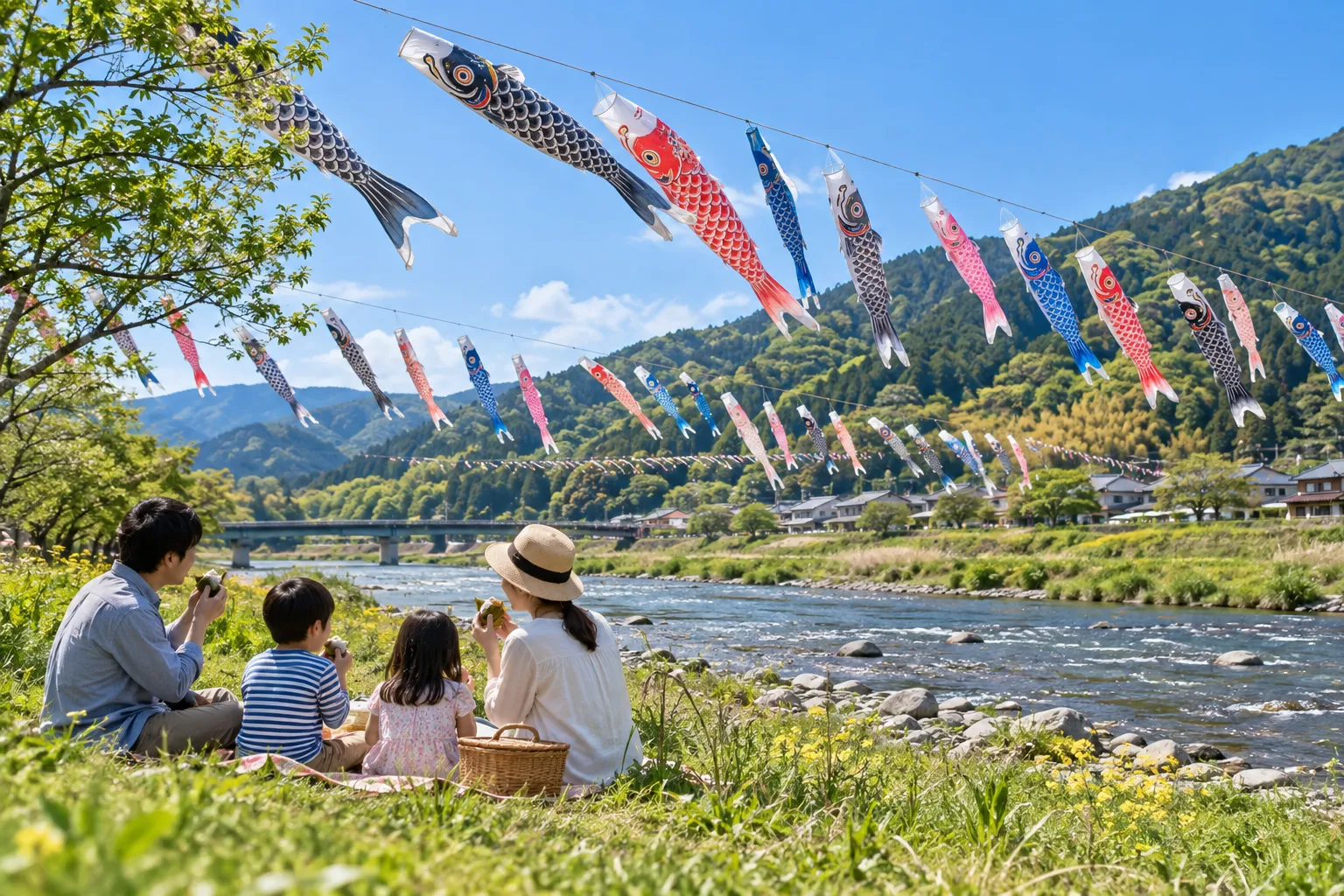
In early May, you may see big fish flying in the sky over Japan. They are not real fish. They are koinobori, carp streamers made of cloth. They fly for May 5, Kodomo no Hi, or Children's Day. Some are small enough for a balcony, and some are longer than a swimming pool.

5月の初め、日本の空に大きな魚が泳いでいるのを見るかもしれません。本物の魚ではありません。布でできた鯉の形ののぼり、こいのぼりです。5月5日のこどもの日のために揚げられています。ベランダに飾れる小さなものもあれば、プールより長いものもあります。

This day has two sides. It is an old festival called Tango no Sekku, and since 1948, it has also been a national holiday. In the old festival, families prayed for their sons to grow up healthy and strong. They put up carp streamers outside and set samurai helmets inside the house.

この日には2つの顔があります。端午の節句という古いお祭りであり、1948年からの国民の祝日でもあります。古いお祭りでは、家族は息子が健康でたくましく育つよう願いました。外にこいのぼりを立て、家の中にはかぶとを飾りました。

Why a carp? An old Chinese story says that a carp swam up a great waterfall and turned into a dragon. So the carp became a sign of a strong child with a bright future. At first, people flew only one black carp. Red and blue ones came much later.

なぜ鯉なのでしょう。中国の古い話では、ある鯉が大きな滝を登りきって竜になったと言われています。そこで鯉は、明るい未来を持つたくましい子どものしるしになりました。はじめは、黒い鯉を1匹だけ揚げていました。赤や青の鯉が加わったのは、ずっと後のことです。

The holiday law of 1948 says the day is for all children, not only boys. It also says something surprising. Children's Day is a day to thank mothers, too. Children also helped to make the holiday. In 1948, about 27,000 children in Kobe signed a letter that asked for it.

1948年の祝日法は、この日は男の子だけでなく、すべての子どものための日だとしています。さらに、驚くことも書いてあります。こどもの日は、お母さんに感謝する日でもあるのです。子どもたちも、この祝日づくりに力を貸しました。1948年、神戸の子ども約2万7千人が、祝日を求める手紙に署名したのです。

On this day, many families eat kashiwa mochi, a sweet rice cake wrapped in an oak leaf. At night, some people take a bath with long green shobu leaves. The leaves smell fresh, and people say they keep bad luck away. It is a day full of wishes for children to grow up happy.

この日、多くの家庭は、柏の葉で包んだ甘いお餅、柏餅(かしわもち)を食べます。夜には、長い緑の菖蒲(しょうぶ)の葉を入れたお風呂に入る人もいます。葉はさわやかな香りがして、悪いものを遠ざけると言われています。子どもが幸せに育つようにという願いがいっぱいつまった日です。

💬Dialogue英語の会話でこどもの日(端午の節句)

🎬 日本に住むイギリス出身のエマが、友だちのハルトと川の上を泳ぐこいのぼりを見ています。

0:00
Emma

Wow, look at all those fish over the river! What are they?

わあ、川の上の魚を見て!あれは何?

Haruto

They're koinobori, carp streamers. We fly them for Children's Day on May 5.

こいのぼりだよ。5月5日のこどもの日のために揚げるんだ。

Emma

Why carp? Why not a cute animal?

どうして鯉なの?かわいい動物じゃないの?

Haruto

There's an old Chinese story. A carp swam up a waterfall and became a dragon.

中国の古い話があってね。鯉が滝を登って竜になったんだ。

Emma

So the carp means a strong kid. I like that!

じゃあ鯉はたくましい子どもって意味なんだね。いいね!

Haruto

Right. It used to be the boys' festival, but now it's for all children.

そう。昔は男の子のお祭りだったけど、今はすべての子どものための日なんだ。

Emma

Do you do anything special at home?

家で何か特別なことをするの?

Haruto

We eat kashiwa mochi. It's a rice cake in an oak leaf. Don't eat the leaf, though!

柏餅を食べるよ。柏の葉で包んだお餅。でも葉っぱは食べないでね!

Emma

Ha ha, okay. Anything else?

あはは、わかった。ほかには?

Haruto

We take a bath with shobu leaves. They smell really fresh.

菖蒲の葉を入れたお風呂に入るよ。すごくさわやかな香りなんだ。

Emma

A leaf bath? That sounds relaxing.

葉っぱのお風呂?リラックスできそう。

Haruto

And here's a surprise. By law, Children's Day is also a day to thank mothers.

それと、びっくりする話があるよ。法律では、こどもの日はお母さんに感謝する日でもあるんだ。

Emma

Really? Then I'll call my mom in England tonight!

本当?じゃあ今夜イギリスのママに電話しよう!

🃏Word Cardsこどもの日(端午の節句)の英単語カード(12語)

カードをタップすると裏返って、意味と例文が出ます。

carp名詞
鯉A carp can live for many years.鯉は長い年月を生きることができます。💡 複数形も carp のままが多い。
streamer名詞
吹き流し、長い旗The streamers move in the wind.吹き流しが風に揺れています。💡 stream(流れ)から。carp streamer で「こいのぼり」。
cloth名詞
布The bag is made of cloth.そのかばんは布でできています。💡 clothes(服)とつづりが似ているので注意。
festival名詞
祭りTango no Sekku is an old festival.端午の節句は古いお祭りです。💡 festive(お祝いの)も仲間の言葉。
pray動詞
祈る、願うThey prayed for their son's health.彼らは息子の健康を祈りました。💡 pray for ~ で「~を願う」。play と発音を区別しよう。
helmet名詞
かぶと、ヘルメットHe wears a helmet when he rides a bike.彼は自転車に乗るときヘルメットをかぶります。💡 samurai helmet で「かぶと」。
waterfall名詞
滝The carp swam up the waterfall.鯉は滝を泳いで登りました。💡 water(水)+fall(落ちる)。
dragon名詞
竜The carp turned into a dragon.鯉は竜に変わりました。💡 turn into ~ で「~に変わる」。
sign名詞
しるし、象徴A carp is a sign of strength.鯉は強さのしるしです。💡 「看板」「標識」の意味もある。
oak名詞
オーク、柏・ナラの仲間Kashiwa mochi is wrapped in an oak leaf.柏餅は柏の葉で包まれています。💡 柏は英語で Japanese emperor oak とも呼ばれる。
wrap動詞
包むShe wrapped the present in paper.彼女はプレゼントを紙で包みました。💡 w は発音しない。wrapped in ~ で「~に包まれた」。
bad luck名詞
不運、悪いことSome people think black cats bring bad luck.黒ネコが不運を運ぶと考える人もいます。💡 反対は good luck。Good luck!(がんばって!)

✅Quizこどもの日(端午の節句)の英語クイズ(8問)

上の英文を読んでから答えてみよう。答えを選ぶとすぐに解説が出ます。全問正解でスタンプが金色に!

Q1. What is the main idea of the passage?

この文章の主な内容は何ですか?

こいのぼり・かぶと・柏餅・菖蒲湯(しょうぶゆ)などの習慣と、法律が定めるこどもの日の意味を紹介しています。

Q2. What are koinobori made of?

こいのぼりは何でできていますか?

第1段落に carp streamers made of cloth とあります。They are not real fish. とも書かれています。

Q3. In the old story, what did the carp turn into?

昔の話で、鯉は何に変わりましたか?

第3段落に a carp swam up a great waterfall and turned into a dragon とあります。

Q4. About how many children in Kobe signed the letter in 1948?

1948年、神戸の子ども約何人が手紙に署名しましたか?

第4段落に about 27,000 children in Kobe signed a letter とあります。

Q5. In paragraph 5, what does "keep bad luck away" mean?

第5段落の keep bad luck away の意味は?

keep ~ away は「~を遠ざける」。悪いことが近づかないようにする、という意味です。

Q6. Which is true about carp streamers?

こいのぼりについて正しいのはどれですか?

第3段落に At first, people flew only one black carp. Red and blue ones came much later. とあります。

Q7. Why might a mother in Japan feel happy on May 5?

日本のお母さんが5月5日にうれしく感じるかもしれないのはなぜですか?

第4段落に Children's Day is a day to thank mothers, too. とあります。ほかの選択肢は本文にありません。

Q8. In the dialogue, what will Emma do tonight?

会話で、エマは今夜何をしますか?

エマは最後に I'll call my mom in England tonight! と言っています。

🎮Gamesこどもの日(端午の節句)の英語ゲーム

タブを切りかえて遊べます。授業ではプロジェクターに映して、クラス対抗戦にしても盛り上がります。

📖Read Moreもっと読む:Whose Day Is It?

少し難しめ(B1〜B2)の英文で、こどもの日(端午の節句)を違う角度から。

Whose Day Is It?

B1–B2
0:00
184 words

For centuries, May 5 in Japan was associated with boys. Families displayed armor and warrior dolls, partly because the word for the iris-like shobu plant sounds the same as a word meaning respect for martial values. When lawmakers created a new holiday on this date in 1948, they faced an awkward question: could a boys' festival become a day for every child?

何世紀もの間、日本の5月5日は男の子と結びついていました。家庭ではよろいや武者人形を飾りました。その理由の一つは、菖蒲という植物の名前が、武を重んじるという意味の言葉と同じ音だったことです。1948年に国会議員がこの日に新しい祝日をつくったとき、彼らは厄介な問いに向き合いました。男の子のお祭りを、すべての子どもの日にできるのか、という問いです。

Some members of the upper house worried that girls would feel left out and that the date carried a military image. They even proposed October 1 instead. One member also pointed out that the court festival of the Heian period, about a thousand years earlier, had no such warlike meaning. In the end, May 5 won because of its pleasant weather and long tradition, but the law was written for all children and added gratitude to mothers.

参議院の議員の中には、女の子が取り残されるのではないか、またこの日付が軍国的なイメージを帯びているのではないかと心配する人もいました。かわりに10月1日にする案まで出されました。ある議員は、千年ほど前の平安時代の宮中の端午には、そのような武張った意味はなかったとも指摘しました。最終的には、気候のよさと長い伝統から5月5日に決まりましたが、法律はすべての子どものためのものとして書かれ、母への感謝も加えられました。

Other countries answer the question differently. Turkey lets children sit in the seats of national leaders for a day, while Taiwan once celebrated children together with women. A holiday's name may change quickly, yet the customs people practice at home often change much more slowly.

ほかの国は、この問いに違う答えを出しています。トルコは1日だけ子どもを国の指導者の席に座らせ、台湾はかつて子どもと女性をいっしょに祝っていました。祝日の名前はすぐに変わるかもしれませんが、人々が家庭で続ける習慣は、ずっとゆっくりとしか変わらないことが多いのです。

👋Useful Phrasesこどもの日(端午の節句)に使える英語フレーズ

Happy Children's Day!こどもの日おめでとう!子どもに声をかけるときに。
These are carp streamers. We fly them for children's health.これはこいのぼり。子どもの健康を願って揚げるんだよ。fly は「(旗などを)揚げる」の意味にもなる。
The carp is a symbol of strength because it swims up waterfalls.鯉は滝を登るから、強さのシンボルなんだ。登竜門の話を短く言うとこうなる。
We eat kashiwa mochi, a rice cake wrapped in an oak leaf.柏の葉で包んだお餅、柏餅を食べるんだ。葉は食べないことも伝えると親切。
It's also a day to thank our mothers.お母さんに感謝する日でもあるんだよ。多くの外国の人が驚くポイント。

🗣️ 話し合ってみよう(Discussion)

  1. What do you usually do on Children's Day?

    こどもの日にふだん何をしますか?
  2. Which do you like better, kashiwa mochi or chimaki? Why?

    柏餅とちまき、どちらが好きですか?それはなぜですか?
  3. Do you think Children's Day should also be a day to thank mothers? What about fathers?

    こどもの日はお母さんに感謝する日でもあるべきだと思いますか?お父さんについてはどうですか?
  4. In Turkey, children take the seats of leaders for a day. Would this be a good idea in Japan?

    トルコでは1日だけ子どもが指導者の席に座ります。日本でもよい考えだと思いますか?
  5. Should March 3, the Doll Festival, also become a national holiday? Discuss fairness and tradition.

    3月3日のひな祭りも国民の祝日にするべきでしょうか?公平さと伝統の面から話し合いましょう。

🗾Explain Japan in Englishこどもの日(端午の節句)を海外の人に英語で説明するなら

姉妹サイト「日本文化ナビ」に、英語でかんたんに説明する例文(ひと言・30秒・スピーチ)と、外国の人によく聞かれる質問がまとまっています。日本語のページと、英語だけのページ(そのまま海外の人に見せられます)があります。

こどもの日を英語で説明する(kodomo no hi)こどもの日(kodomo no hi)を英語で説明するには。一言/30秒/スピーチの3段階の英文と和訳、外国人によく聞かれる質問と答え、そのまま使えるフレーズ、音声つき。JP 日本語で読むGB English page
柏餅とちまきを英語で説明する(kashiwamochi and chimaki)柏餅とちまき(kashiwamochi and chimaki)を英語で説明するには。一言/30秒/スピーチの3段階の英文と和訳、外国人によく聞かれる質問と答え、そのまま使えるフレJP 日本語で読むGB English page
🎏
Children's Day
スタンプ帳にこどもの日(端午の節句)のスタンプを押しました!
クイズで全問正解すると金のスタンプに。世界一周めざして集めよう。 スタンプ帳を見る →

授業アイデアとワークシートを見る →