Culture Day

文化の日を英語で:読む・聞く・話す・遊ぶ

やさしい英語(CEFR A2)の読み物に音声つき。会話・単語カード・クイズ8問・ゲームで、文化の日の英語をまるごと。

🔊Read in English文化の日を英語で読もう(CEFR A2・音声つき)

文化の日を、やさしい英語で紹介する読み物です。▶で英文をタイトルから通して聞けます(アメリカ英語)。「和訳」ボタンで日本語訳の表示・非表示を切りかえられます。下線の語は下の単語カードにあります。

One Day, Many Stories: November 3 in Japan

CEFR A2
0:00
242 words

In Japan, November 3 has had many different lives. First, it was the birthday of Emperor Meiji. From 1873, the whole country celebrated it as a holiday. After he died in 1912, it became an ordinary day. Then in 1927, it became a holiday again called Meiji Setsu.

日本では、11月3日はいくつもの違う顔を持ってきました。最初、それは明治天皇の誕生日でした。1873年から、国じゅうがこの日を祝日として祝いました。1912年に天皇が亡くなると、この日はふつうの日になりました。そして1927年、明治節という名前で再び祝日になりました。

Then something big happened. On November 3, 1946, Japan announced its new constitution. This constitution says that Japan gives up war. Two years later, lawmakers made November 3 a new holiday called Bunka no Hi, or Culture Day.

その後、大きなできごとがありました。1946年11月3日、日本は新しい憲法を公布したのです。この憲法は、日本が戦争を放棄すると定めています。2年後、国会議員たちは11月3日を「文化の日」という新しい祝日にしました。

Why culture? The law says the day is for loving freedom and peace and for moving culture forward. The writer Yamamoto Yuzo helped choose the new holidays. He said the new constitution was special because no country had ever given up war before. Lawmakers even thought about calling it Peace Day.

なぜ「文化」なのでしょう。法律は、この日を自由と平和を愛し、文化をすすめる日だとしています。作家の山本勇造(山本有三)は、新しい祝日を選んだ一人でした。彼は、それまで戦争を放棄した国はなかったので、新しい憲法は特別だと語りました。議員たちは、この日を「平和の日」と呼ぶことまで考えていました。

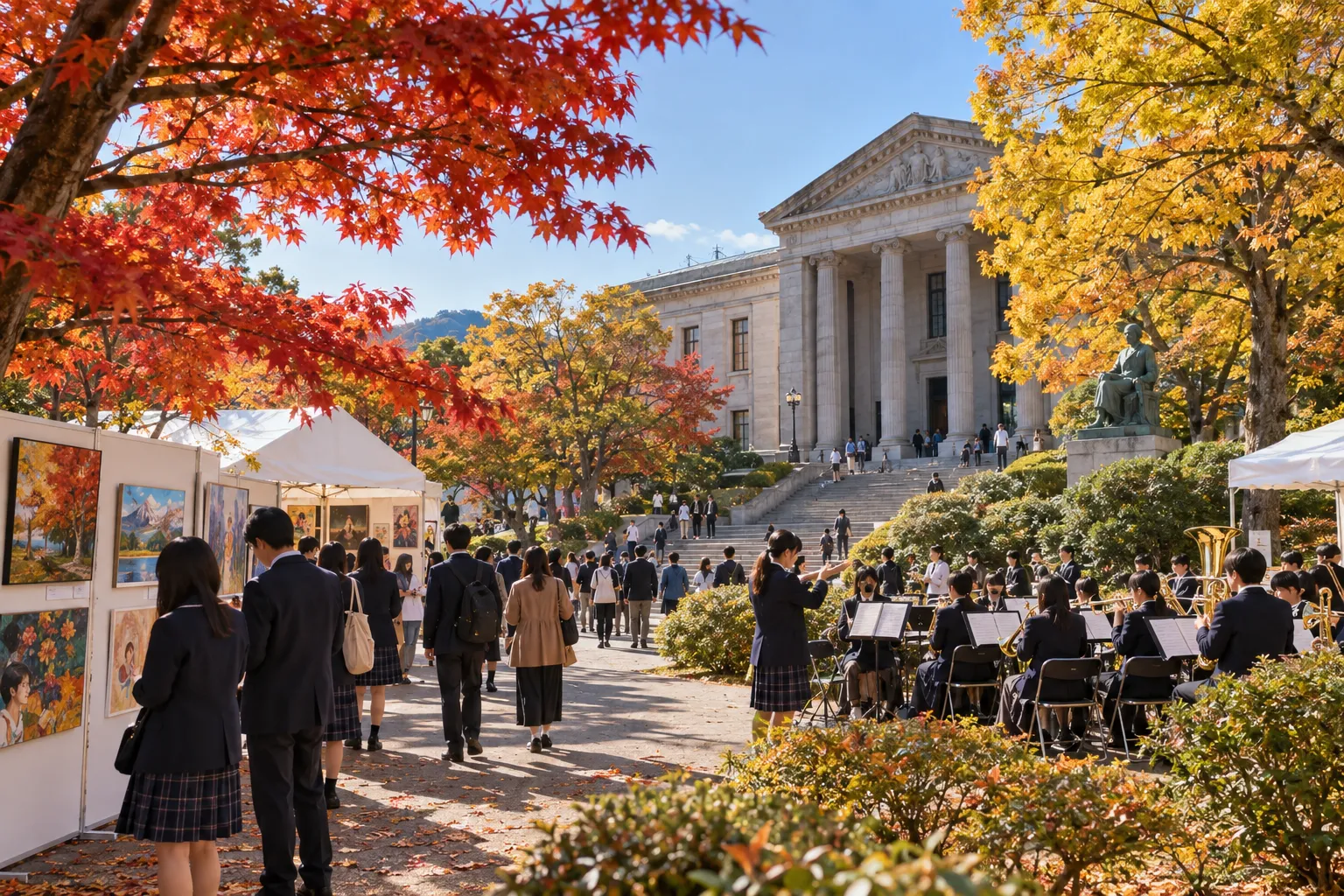
Today, Culture Day is full of art and learning. At the Imperial Palace, the emperor gives the Order of Culture to great scientists, artists, and writers. In 1969, the three Apollo 11 astronauts received it too. Many museums hold special events, and some open their doors for free. Schools often have culture festivals around this time.

今、文化の日は芸術と学びでいっぱいです。皇居では、天皇がすぐれた科学者や芸術家、作家に文化勲章を授けます。1969年には、アポロ11号の3人の宇宙飛行士もこの勲章を受けました。多くの美術館や博物館が特別な催しを開き、無料で入れるところもあります。学校では、この時期によく文化祭が開かれます。

Many people also say that November 3 is usually sunny. From 1961 to 2000, Tokyo was sunny on 80 percent of these days. So take a walk, visit a museum, or try a new hobby. Culture is not only in museums. It is in everything people make and share.

11月3日はたいてい晴れる、と言う人も多くいます。1961年から2000年まで、東京ではこの日の80パーセントが晴れでした。だから散歩をしたり、美術館に行ったり、新しい趣味を試したりしてみましょう。文化は美術館の中だけにあるのではありません。人々が作り、分かち合うすべてのものの中にあるのです。

💬Dialogue英語の会話で文化の日

🎬 エマはアメリカ出身で、大阪で働いています。11月2日、同僚の大輝が翌日のことを教えます。

0:00
Daiki

Emma, tomorrow is a holiday. It's Culture Day.

エマ、明日は祝日だよ。文化の日なんだ。

Emma

Culture Day? What do people celebrate?

文化の日?何をお祝いするの?

Daiki

Our constitution was announced on November 3, 1946.

1946年11月3日に、日本の憲法が公布されたんだ。

Emma

Oh, so it's like Constitution Day in America?

へえ、じゃあアメリカの憲法の日みたいなもの?

Daiki

Kind of. But we have Constitution Day in May, too.

ちょっと似てる。でも、日本には5月にも憲法記念日があるんだ。

Emma

Two holidays for one constitution? Lucky you!

一つの憲法で祝日が2つ?うらやましい!

Daiki

Ha! The law says Culture Day is for loving freedom and peace.

はは!法律では、文化の日は自由と平和を愛する日なんだ。

Emma

That's nice. So what do people actually do?

すてきね。で、みんな実際に何をするの?

Daiki

Some museums are free, and many schools have culture festivals.

無料の美術館もあるし、文化祭をする学校も多いよ。

Emma

A culture festival? What's that?

文化祭?それは何?

Daiki

Students show their art, music, and plays. Some classes run little cafes.

生徒が絵や音楽、劇を発表するんだ。小さなカフェを開くクラスもあるよ。

Emma

That sounds fun! Is there one near here?

楽しそう!近くでやってる?

Daiki

My old high school has one tomorrow. Let's go together.

ぼくの母校が明日やるよ。いっしょに行こう。

Emma

Great! I hope the weather is nice.

いいね!天気がいいといいな。

Daiki

Don't worry. People say November 3 is usually sunny.

大丈夫。11月3日はたいてい晴れるって言われてるから。

🃏Word Cards文化の日の英単語カード(12語)

カードをタップすると裏返って、意味と例文が出ます。

constitution名詞
憲法Japan's constitution was announced in 1946.日本国憲法は1946年に公布された。💡 国の基本のきまり。the Constitution of Japan と大文字で書くことも多い。
announce動詞
発表する、公布するThe school announced the festival date.学校は文化祭の日程を発表した。💡 法律の「公布」は promulgate だが、やさしく言うなら announce でよい。
emperor名詞
天皇、皇帝Emperor Meiji was born in 1852.明治天皇は1852年に生まれた。💡 人の名前の前では Emperor と大文字。
ordinary形容詞
普通のIt was just an ordinary Tuesday.それはただのふつうの火曜日だった。💡 extraordinary は「並外れた」。extra(外)+ ordinary。
lawmaker名詞
国会議員、立法者Lawmakers chose nine holidays in 1948.国会議員たちは1948年に9つの祝日を選んだ。💡 law(法律)+ maker(作る人)。
give up動詞(句)
あきらめる、放棄するThe constitution says Japan gives up war.憲法は日本が戦争を放棄すると定めている。💡 憲法第9条の「放棄する」をやさしく言うと give up。正式には renounce。
freedom名詞
自由Culture Day is a day to love freedom and peace.文化の日は自由と平和を愛する日だ。💡 free(自由な)+ -dom(状態)。kingdom も同じ -dom。
peace名詞
平和Everyone wants peace.だれもが平和を願っている。💡 piece(かけら)と同じ発音なので注意。
order名詞
勲章She received the Order of Culture.彼女は文化勲章を受けた。💡 普通は「順番・注文」。勲章の意味では the Order of ~ の形。
astronaut名詞
宇宙飛行士Three astronauts went to the moon in 1969.1969年、3人の宇宙飛行士が月へ行った。💡 astro(星)+ naut(船乗り)。
museum名詞
博物館、美術館The museum is free today.その美術館は今日無料だ。💡 美術館は art museum とも言う。発音は「ミューズィーアム」。
festival名詞
祭りOur school festival is in November.私たちの学校の文化祭は11月だ。💡 学校の文化祭は school festival や culture festival。

✅Quiz文化の日の英語クイズ(8問)

上の英文を読んでから答えてみよう。答えを選ぶとすぐに解説が出ます。全問正解でスタンプが金色に!

Q1. What is the passage mainly about?

この文章は主に何について書かれていますか。

第1段落から最後まで、11月3日がどう意味を変えて文化の日になったか、今どう過ごすかを説明しています。ほかの選択肢は一部の話題です。

Q2. When did Japan announce its new constitution?

日本が新しい憲法を公布したのはいつですか。

第2段落に On November 3, 1946, Japan announced its new constitution とあります。1873年は祝日になった年、1912年は明治天皇が亡くなった年です。

Q3. What happened to November 3 after 1912?

1912年のあと、11月3日はどうなりましたか。

第1段落に After he died in 1912, it became an ordinary day とあります。文化の日になったのは1948年、平和の日は案だけで実現していません。

Q4. Why was the new constitution special, according to Yamamoto Yuzo?

山本勇造によれば、新しい憲法はなぜ特別だったのですか。

第3段落に the new constitution was special because no country had ever given up war before とあります。

Q5. In paragraph 1, the word ordinary is closest in meaning to ____.

第1段落の ordinary に最も意味が近いのはどれですか。

ordinary は「普通の」。祝日ではなくなった、という流れから normal が合います。

Q6. Which is true about the passage?

本文の内容に合うものはどれですか。

第4段落に In 1969, the three Apollo 11 astronauts received it too とあります。無料は some、平和の日は考えただけなので誤りです。

Q7. What can we guess about the writer's idea of culture?

筆者の「文化」についての考えとして推測できるものはどれですか。

最後の文 It is in everything people make and share から、だれもが文化の担い手だという考えが読み取れます。

Q8. In the dialogue, where will Emma and Daiki go tomorrow?

会話で、エマと大輝は明日どこへ行きますか。

大輝が My old high school has one tomorrow. Let's go together. と誘い、エマが Great! と答えています。

🎮Games文化の日の英語ゲーム

タブを切りかえて遊べます。授業ではプロジェクターに映して、クラス対抗戦にしても盛り上がります。

📖Read Moreもっと読む:One Date, Two Memories

少し難しめ(B1〜B2)の英文で、文化の日を違う角度から。

One Date, Two Memories

B1–B2
0:00
201 words

National holidays are not only days off; they are statements about what a country chooses to remember. November 3 in Japan is a striking example, because the same date carries two very different memories. Before the war, it honored Emperor Meiji, whose reign saw Japan become a modern industrial and military power. After 1948, it celebrated a constitution that renounced war and placed sovereignty in the hands of the people.

国民の祝日は、ただの休みではありません。国が何を記憶することを選ぶかの表明なのです。日本の11月3日は、その際立った例です。同じ日付に、まったく違う二つの記憶が重なっているからです。戦前、この日は明治天皇をたたえる日でした。その治世に日本は近代的な工業国、軍事大国になりました。1948年以降は、戦争を放棄し、主権を国民の手に置いた憲法を祝う日になりました。

Since 2011, some groups and lawmakers have campaigned to rename the holiday Meiji Day, and a cross-party group with 92 members formed in 2022. Supporters say the Meiji era laid the foundations of modern Japan and deserves recognition. Critics, including some scholars and former politicians, argue that the current name reflects postwar ideals of freedom and peace, and that changing it would send the wrong message.

2011年以降、一部の団体や議員が祝日を「明治の日」に改める運動をしており、2022年には92人の超党派の議員連盟ができました。支持する人々は、明治時代が近代日本の土台を築いたのだから、評価されるべきだと言います。一部の学者や元政治家を含む批判的な人々は、今の名前は自由と平和という戦後の理想を表しており、変えれば誤ったメッセージになると主張します。

Whatever one's view, the debate shows that a calendar is never neutral. Holidays also change slowly over time, because each generation reads old dates in new ways. Japanese students today may know November 3 mainly as a day for school festivals, museums, and autumn walks. Each red day on the calendar is a quiet decision about which stories a nation wants its citizens to keep.

どの立場をとるにしても、この議論はカレンダーが決して中立ではないことを示しています。祝日もまた、時間をかけてゆっくり変わっていきます。どの世代も、古い日付を新しい目で読むからです。今の日本の生徒にとって、11月3日はおもに文化祭や美術館、秋の散歩の日かもしれません。カレンダーの赤い日の一つ一つが、国民に何の物語を持ち続けてほしいかという、静かな決定なのです。

👋Useful Phrases文化の日に使える英語フレーズ

Culture Day is a national holiday on November 3.文化の日は11月3日の祝日です。まずはこの一言。
Japan's constitution was announced on this day in 1946.1946年のこの日に、日本国憲法が公布されました。「公布」は announce や proclaim で表せる。施行は come into effect。
It's a day to love freedom and peace and to enjoy culture.自由と平和を愛し、文化を楽しむ日です。祝日法の「自由と平和を愛し、文化をすすめる」をやさしく言った形。
Some museums are free today. Shall we go?今日は無料の美術館もあるよ。行かない?Shall we ~? はていねいな誘い方。
Great scientists and artists receive the Order of Culture today.今日はすぐれた科学者や芸術家が文化勲章を受けます。文化勲章は the Order of Culture。

🗣️ 話し合ってみよう(Discussion)

  1. What kind of culture do you want to share with people from other countries?

    外国の人に伝えたい日本の文化は何ですか。
  2. If you could give an award to someone on Culture Day, who would it be and why?

    文化の日にだれかに賞をあげられるとしたら、だれに、なぜあげますか。
  3. Why do you think lawmakers chose the word culture instead of constitution for this holiday?

    国会議員たちはなぜこの祝日に「憲法」ではなく「文化」という言葉を選んだと思いますか。
  4. Should museums be free on national holidays? What are the good and bad points?

    祝日には美術館を無料にすべきでしょうか。よい点と悪い点を考えましょう。
  5. Some people want to rename Culture Day as Meiji Day. How should a country decide what its holidays remember?

    文化の日を「明治の日」に改めたいという人がいます。国は祝日で何を記憶するかを、どう決めるべきでしょうか。

🗾Explain Japan in English文化の日を海外の人に英語で説明するなら

姉妹サイト「日本文化ナビ」に、英語でかんたんに説明する例文(ひと言・30秒・スピーチ)と、外国の人によく聞かれる質問がまとまっています。日本語のページと、英語だけのページ(そのまま海外の人に見せられます)があります。

文化の日を英語で説明する(bunka no hi)文化の日(bunka no hi)を英語で説明するには。一言/30秒/スピーチの3段階の英文と和訳、外国人によく聞かれる質問と答え、そのまま使えるフレーズ、音声つき。JP 日本語で読むGB English page
文化祭を英語で説明する(bunkasai)文化祭(bunkasai)を英語で説明するには。一言/30秒/スピーチの3段階の英文と和訳、外国人によく聞かれる質問と答え、そのまま使えるフレーズ、音声つき。JP 日本語で読むGB English page
🎨
Culture Day
スタンプ帳に文化の日のスタンプを押しました!
クイズで全問正解すると金のスタンプに。世界一周めざして集めよう。 スタンプ帳を見る →

授業アイデアとワークシートを見る →