習い事の音楽と成績の関係は?楽器を練習する7〜9歳はテストの点が高め
Children Who Play Instruments Score Higher on Tests, Study Finds
びっくり度 中学生 170語 / 高校生 329語音楽習い事脳研究
3行でわかる!このニュース
- 楽器を習っている子は、テストの点が高い?アメリカの大学が7〜9歳の子どものデータを調べた
- 週に約30分以上、楽器を練習する38人は、似た38人より知能や読み・算数のテストの点が高かった
- ただしわかったのは「関係」だけ。音楽のおかげで点が上がったとまではいえない
なぜ話題?ノースイースタン大学が9月25日に発表し、アメリカの心理学ニュースサイト PsyPost が11月16日に取り上げた
中学生レベル(英検3級〜準2級・CEFR A1〜A2)・170語・約2分
Young Musicians Got Higher Test Scores in a U.S. Study
語彙レベル(CEFR-J)
A184.1%A28.8%B15.9%B21.2%外0%
0:00 / --:--
この記事の声:アメリカ英語・男性声は日によって、アメリカ・イギリス・オーストラリア英語、男性・女性が入れかわります
MP3をダウンロード(中学生版・タイトルから本文まで)
Children who played an instrument scored higher on many tests, a U.S. study has found. But the study does not show that music caused the higher scores.
楽器をひいている子どもは、たくさんのテストで点が高かったことが、アメリカの研究でわかりました。でもこの研究は、音楽のおかげで点が高くなったことを示しているわけではありません。
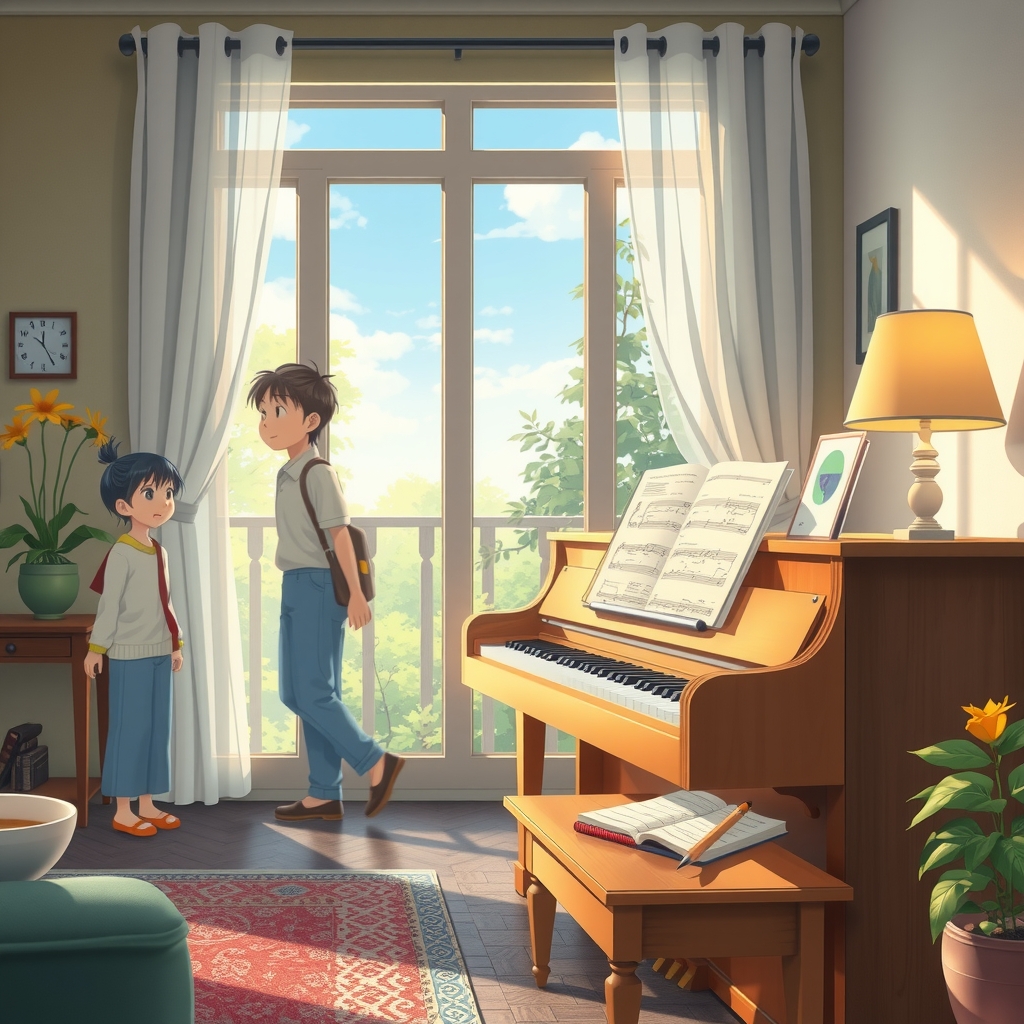
Researchers at Northeastern University looked at data on 175 children aged 7 to 9. Their families answered questions about music practice. Their answers showed 38 children played an instrument and practiced about 30 minutes or more weekly. Most of them played the piano.
ノースイースタン大学の研究者が、7〜9歳の子ども175人のデータを調べました。家族が、楽器の練習について質問に答えました。その答えから、38人が楽器をひき、1週間に約30分以上練習していたとわかりました。ほとんどの子がピアノをひいていました。
The team compared the 38 young musicians with 38 other children. The two groups were similar in age, sex and family background. The musicians did better on tests of intelligence, reading, math and writing. They also scored higher on a working memory test.
研究チームは、楽器をひく38人と、ほかの38人をくらべました。2つのグループは、年れい・性別・家庭の環境が似ていました。楽器をひく子どもたちは、知能・読み・算数・書くことのテストで、よい点をとりました。ワーキングメモリ(作業記憶)のテストでも、点が高くなりました。
But the two groups did about the same on some other tests, such as planning. The study only shows a link between music and test scores.
でも、計画を立てる力など、ほかのいくつかのテストでは、2つのグループはほぼ同じでした。この研究でわかったのは、音楽とテストの点の「関係」だけです。
Families of young musicians may also give their children other activities and support. In this study, practicing about 30 minutes or more a week was enough to count as a musician.
楽器をひく子の家族は、ほかの活動や手助けも子どもにあたえているのかもしれません。この研究では、1週間に約30分以上練習していれば、「楽器をひく子」に数えられました。
WORDSこの記事の単語(8語)
- instrumentA2名楽器a thing you play to make musicShe can play three instruments.彼女は3つの楽器をひける。
- practiceA1動練習するto do something again and again to get betterI practice the guitar every day.私は毎日ギターを練習する。
- scoredB1動(点を)とった(score の過去形)got points on a test or in a gameHe scored 90 on the math test.彼は数学のテストで90点をとった。
- comparedA2動くらべた(compare の過去形)looked at two things to see how they are differentWe compared the two maps.私たちは2つの地図をくらべた。
- similarA2形似ているalmost the same as something elseOur bags are similar in color.私たちのかばんは色が似ている。
- memoryA1名記憶、記憶力the power to keep things in your mindMy grandfather has a good memory.祖父は記憶力がいい。
- supportA2名手助け、支えhelp that someone gives youThank you for your support.手助けしてくれてありがとう。
- linkB1名関係、つながりa way that two things are connectedThere is a link between sleep and health.睡眠と健康にはつながりがある。
単語の横の A1A2B1B2 は、その単語のむずかしさです(A1 がいちばんやさしく、B2 がいちばん難しい。外 はリストにない語)。ほかの単語のレベルも調べる
レベルの出典:『CEFR-J Wordlist Version 1.6』 東京外国語大学投野由紀夫研究室. (URL: https://www.cefr-j.org/download.html より 2026年8月ダウンロード)
GRAMMAR文法ポイント:比較級(~er / better)
2つをくらべて「より~」と言うときは、形容詞・副詞に -er をつけた比較級を使う。本文の scored higher on many tests(たくさんのテストでより高い点をとった)の higher は high の比較級。did better on tests の better は well の比較級で、形が大きく変わる。
- This mountain is higher than that one.この山はあの山より高い。
- She sings better than I do.彼女は私より歌がうまい。
GAMESゲームで復習しよう
THINK考えてみよう・話してみよう
日本語訳はぼかしてあります。タップすると見えます。
- Do you play an instrument, or do you want to try one?あなたは楽器をひく?それとも、やってみたい楽器はある?
- What other things might help children do well on tests?子どもがテストでよい点をとるのに、ほかにどんなことが役立つと思う?
PRINT中学生版ワークシート(無料)
本文・単語・クイズ・並べかえ・穴うめ・英作文と解答つき。授業・宿題・自習にどうぞ。
高校生レベル(英検2級〜準1級・CEFR B1〜B2)・329語・約3分
Children Who Practice Music Score Higher, but the Study Cannot Show Why
語彙レベル(CEFR-J)
A172.9%A210.3%B110.3%B22.4%外4%
0:00 / --:--
この記事の声:アメリカ英語・男性声は日によって、アメリカ・イギリス・オーストラリア英語、男性・女性が入れかわります
MP3をダウンロード(高校生版・タイトルから本文まで)
Children aged 7 to 9 who practiced a musical instrument scored higher than similar children on tests of intelligence and working memory, a study from Northeastern University has found. The paper, published in the journal Developmental Cognitive Neuroscience, describes a link, not proof that music lessons were the cause.
楽器を練習している7〜9歳の子どもは、似た子どもたちより、知能やワーキングメモリのテストで点が高かったことが、ノースイースタン大学の研究でわかりました。学術誌 Developmental Cognitive Neuroscience に出た論文が示すのは「関係」で、音楽のレッスンが原因だという証拠ではありません。
The researchers did not run a new experiment. Instead, they used existing data on 175 children in East Central Illinois, collected for a study of a physical activity program before it began. Children counted as musically trained when their caregivers reported two things: the child played an instrument and practiced it for about half an hour or more each week. Thirty-eight children met that standard, and the piano was the most common instrument.
研究者は、新しい実験をしたわけではありません。かわりに、イリノイ州中東部の子ども175人のデータを使いました。これは運動プログラムの研究のために、プログラムが始まる前に集められたものです。保護者が「楽器をひいている」「1週間に約30分以上練習している」の2つを答えた子どもが、音楽の訓練を受けている子と数えられました。この基準に当てはまったのは38人で、いちばん多い楽器はピアノでした。
To make the comparison fair, the team paired each trained child with an untrained child, matched for sex, age and socioeconomic status. This created two groups of 38. The trained group scored higher on working memory, verbal comprehension, spatial relations and general intelligence, along with all the combined scores for academic skills, including math, reading and written language. However, there was no gap between the groups in planning or cognitive efficiency.
くらべ方を公平にするため、チームは訓練を受けている子1人ずつに、訓練を受けていない子を組み合わせました。性別・年れい・家庭の経済や社会的な状況をそろえています。こうして、38人ずつの2つのグループができました。訓練を受けているグループは、ワーキングメモリ・ことばの理解・空間の関係をとらえる力・全体的な知能で点が高く、算数・読み・書きことばなど、学力の総合点でもすべて上回りました。ただし、計画を立てる力と、頭をすばやく働かせる力では、2つのグループに差はありませんでした。
Brain scans were compared for 25 children in each group. The team looked at the right arcuate fasciculus, a bundle of fibers that connects areas for hearing with areas for speech and movement. In the trained children, water may have moved differently along these fibers. But after a correction for the large number of tests, the difference did not reach statistical significance.
脳の画像は、各グループ25人ずつでくらべました。チームが調べたのは、右側の弓状束(きゅうじょうそく)です。これは、音を聞く部分と、話したり体を動かしたりする部分をつなぐ線維の束です。訓練を受けている子どもでは、この線維にそった水の動き方がちがっていたかもしれません。しかし、たくさんの検定をしたことに合わせて補正すると、そのちがいは統計的に意味のある差とはいえませんでした。
Because the study only observed children, it cannot tell whether music training led to the higher scores. Young musicians might also get more support at home or join more after-school activities. Psyche Loui, a music professor and one of the authors, said she thinks music training helps executive function because playing music asks a lot of the brain. About 30 minutes or more of practice a week was the bar for counting as trained.
この研究は子どもを観察しただけなので、音楽の訓練が高い点につながったのかどうかはわかりません。楽器をひく子どもは、家でより多くの支えを受けていたり、放課後の活動にたくさん参加していたりするのかもしれません。論文の著者の1人で、音楽の教授の Psyche Loui さんは、音楽を演奏するには脳がたくさんの働きを求められるので、音楽の訓練は実行機能(集中・計画などの頭の働き)を助けると思うと話しました。1週間に約30分以上練習していれば「訓練を受けている」に数えられました。
WORDSこの記事の単語(10語)
- existingB2形すでにある、既存のalready there, not newWe used existing photos for the poster.私たちはポスターにすでにある写真を使った。
- reportedA2動報告した、答えた(report の過去形)told others about somethingShe reported the problem to her teacher.彼女はその問題を先生に知らせた。
- standardB1名基準a level used to judge somethingHis work did not meet the standard.彼の作品は基準に届かなかった。
- fairA1形公平なtreating everyone in the same wayThe game rules are fair.そのゲームのルールは公平だ。
- comprehensionB2名理解(力)how well you understand somethingThe test checks reading comprehension.そのテストは読解力を調べる。
- gapB1名差、へだたりa difference between two groups or thingsThe gap between the two teams was small.2つのチームの差は小さかった。
- bundle外名束many things held togetherHe carried a bundle of letters.彼は手紙の束を運んだ。
- significanceB1名意味のあること、重要性how important or meaningful something isFew people saw the significance of the event.その出来事の重要性に気づいた人は少なかった。
- observedB1動観察した(observe の過去形)watched something carefully to learn about itWe observed the birds for an hour.私たちは1時間その鳥を観察した。
- functionA2名働き、機能the job that something doesThe heart has an important function.心臓には大切な働きがある。
単語の横の A1A2B1B2 は、その単語のむずかしさです(A1 がいちばんやさしく、B2 がいちばん難しい。外 はリストにない語)。ほかの単語のレベルも調べる
レベルの出典:『CEFR-J Wordlist Version 1.6』 東京外国語大学投野由紀夫研究室. (URL: https://www.cefr-j.org/download.html より 2026年8月ダウンロード)
GRAMMAR文法ポイント:過去分詞の後置修飾(名詞+過去分詞+語句)
過去分詞が語句をともなって名詞のうしろにつき、「~された(名詞)」と説明する。本文の existing data on 175 children ..., collected for a study of a physical activity program(運動プログラムの研究のために集められたデータ)と The paper, published in the journal Developmental Cognitive Neuroscience(学術誌に発表された論文)がその例。
- This is a book written by a famous scientist.これは有名な科学者が書いた本だ。
- The cake made by my sister was delicious.姉が作ったケーキはおいしかった。
GAMESゲームで復習しよう
THINK考えてみよう・話してみよう
日本語訳はぼかしてあります。タップすると見えます。
- If you wanted to prove that music lessons cause higher scores, how would you design a study?音楽のレッスンが高い点の原因だと確かめたいなら、どんな研究を考える?
- Should schools give every student a chance to learn an instrument? Give your opinion and a reason.学校は全員に楽器を習う機会をあたえるべき?意見と理由を書こう。
PRINT高校生版ワークシート(無料)
本文・単語・クイズ・並べかえ・穴うめ・英作文と解答つき。授業・宿題・自習にどうぞ。
PICK UP WORD
a link, not a cause
関係であって、原因ではない
研究のニュースでよく出る大事な考え方。「AとBがいっしょに見られる」(link)だけでは、「AがBを起こした」(cause)とはいえない。英語では A is linked to B / A is associated with B のように言う。
STUDY TOOLS 勉強ハック道具箱
原田英語のサイトでもっと
出典・参考にした情報
この記事は、下の報道・発表で事実を確かめたうえで、原田英語が中学生・高校生向けに英語と日本語で書きおろしたオリジナル記事です(文章の転載・翻訳ではありません)。くわしく知りたい人は元の情報も読んでみよう。著作権と出典の考え方
- More than meets the ear: What music practice means for a developing brainNortheastern Global News(Northeastern University)(2026-09-25)
- Musically trained children score higher on tests of intelligence, working memory, and readingPsyPost(2026-11-16)