Vernal Equinox Day

春分の日(春のお彼岸)を英語で:読む・聞く・話す・遊ぶ

やさしい英語(CEFR A2)の読み物に音声つき。会話・単語カード・クイズ8問・ゲームで、春分の日(春のお彼岸)の英語をまるごと。

🔊Read in English春分の日(春のお彼岸)を英語で読もう(CEFR A2・音声つき)

春分の日(春のお彼岸)を、やさしい英語で紹介する読み物です。▶で英文をタイトルから通して聞けます(アメリカ英語)。「和訳」ボタンで日本語訳の表示・非表示を切りかえられます。下線の語は下の単語カードにあります。

The Day the Sun Goes Straight West

CEFR A2
0:00
245 words

On one day in March, the sun rises exactly in the east and sets exactly in the west. This is the spring equinox. In Japan, it is a national holiday called Vernal Equinox Day. Schools and many offices are closed.

3月のある日、太陽はちょうど真東からのぼり、真西にしずみます。これが春分です。日本では、春分の日という国民の祝日です。学校や多くの会社は休みになります。

But the holiday has no fixed date. The law only says the day of the spring equinox. Each year, scientists at the National Astronomical Observatory of Japan figure out the exact moment. The date is then announced one year early, usually March 20 or 21. In 2026, the equinox came at 11:46 at night, only 14 minutes before midnight.

でも、この祝日には決まった日付がありません。法律には「春分の日」とあるだけです。毎年、国立天文台の科学者が正確な瞬間を計算します。日付は1年前に発表され、たいてい3月20日か21日です。2026年の春分は夜11時46分で、真夜中のわずか14分前でした。

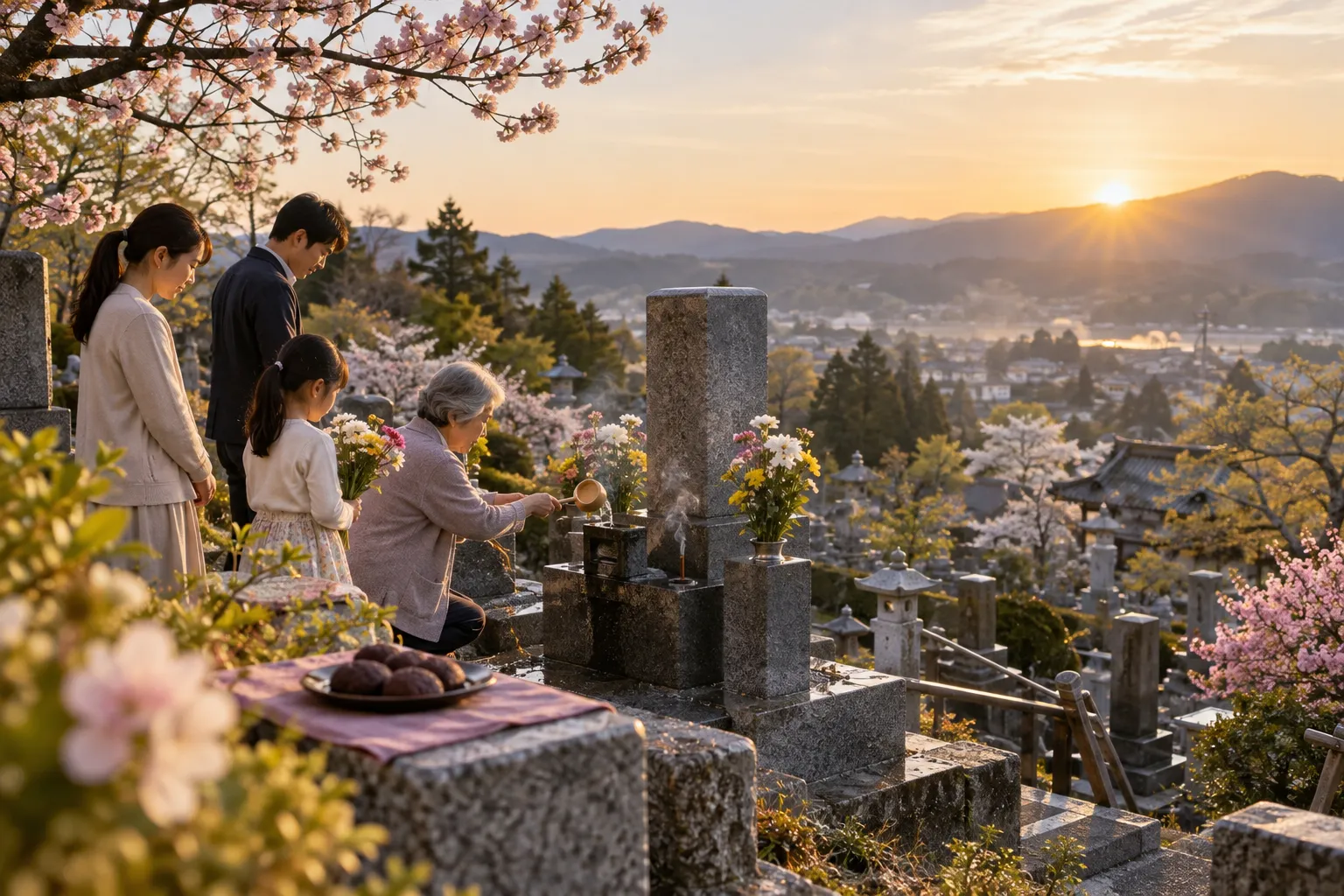
This day is also the middle of Higan, a special week in Japanese Buddhism. Higan means the other shore, a peaceful world beyond this life. Many families visit their family graves. They wash the stones, give flowers, and pray for the people they lost. Higan is found only in Japan, not in India or China.

この日は、日本の仏教の特別な1週間「お彼岸」のまん中の日でもあります。彼岸は「向こう岸」という意味で、この世の先にある安らかな世界のことです。多くの家族がお墓参りをします。墓石を洗い、花を供え、亡くなった人のために祈ります。お彼岸は日本にしかなく、インドや中国にはありません。

People also eat botamochi, rice balls covered with sweet red bean paste. The name comes from the botan, a big spring flower. In fall, the same sweet is called ohagi. Some families make it at home, and others buy it at Japanese sweet shops.

人々は、あんこで包んだもち米のお菓子、ぼたもちも食べます。その名前は、春の大きな花、牡丹から来ています。秋には、同じお菓子がおはぎと呼ばれます。家で作る家族もいれば、和菓子屋さんで買う家族もいます。

Many people say day and night are the same length on this day. But in Tokyo, the day is about 15 minutes longer. After this, the days keep getting longer, and spring really begins. In Iran, this day is even the start of a new year.

この日は昼と夜が同じ長さだと言う人が多くいます。でも東京では、昼のほうが15分ほど長いのです。このあと昼はどんどん長くなり、本当の春がやって来ます。イランでは、この日が新しい年の始まりでもあります。

💬Dialogue英語の会話で春分の日(春のお彼岸)

🎬 オーストラリアからの交換留学生ノアが、3月の連休の前に同級生のさくらと話しています。

0:00
Noah

Sakura, why don't we have school on Friday?

さくら、どうして金曜日は学校が休みなの?

Sakura

It's Vernal Equinox Day. It's a national holiday.

春分の日だよ。国民の祝日なの。

Noah

A holiday for the equinox? That's cool. Is it always on the same date?

春分のための祝日?いいね。いつも同じ日付なの?

Sakura

No. Astronomers calculate it, and the government announces it a year early.

ううん。天文学者が計算して、政府が1年前に発表するんだ。

Noah

Really? I've never heard of that.

本当?そんなの聞いたことないよ。

Sakura

My family will visit my grandfather's grave that day.

その日は家族でおじいちゃんのお墓参りに行くの。

Noah

Is it like a festival for people who died?

亡くなった人のためのお祭りみたいなもの?

Sakura

Kind of. This week is called Higan. We clean the grave and bring flowers.

そんな感じ。この週はお彼岸って言うの。お墓を掃除して花を持っていくんだ。

Noah

That sounds peaceful. Do you eat anything special?

穏やかでいいね。何か特別なものを食べるの?

Sakura

Botamochi. It's sticky rice covered with sweet red beans.

ぼたもち。もち米をあまいあんこで包んだものだよ。

Noah

Sounds good! You know, in Australia, March is the start of fall.

おいしそう!そういえば、オーストラリアでは3月は秋の始まりなんだ。

Sakura

Oh, right! Our seasons are opposite. So it's an autumn equinox for you.

あ、そうか!季節が反対なんだね。じゃあ、ノアにとっては秋分だね。

Noah

Exactly. Can I try some botamochi after your visit?

そのとおり。お墓参りのあと、ぼたもちを食べてみてもいい?

Sakura

Sure! My grandma makes the best ones.

もちろん!おばあちゃんのが一番おいしいんだよ。

🃏Word Cards春分の日(春のお彼岸)の英単語カード(12語)

カードをタップすると裏返って、意味と例文が出ます。

equinox名詞
春分・秋分(分点)The spring equinox is around March 20.春分は3月20日ごろです。💡 ラテン語 aequus(等しい)+ nox(夜)。夏至・冬至は solstice。
vernal形容詞
春のVernal Equinox Day is a holiday in Japan.春分の日は日本の祝日です。💡 ふだんの会話では spring を使うことが多い。正式な名前で使う語。
national holiday名詞
国民の祝日Japan has 16 national holidays.日本には16の国民の祝日があります。💡 public holiday とも言う。
fixed形容詞
決まった、固定されたThis holiday has no fixed date.この祝日には決まった日付がありません。💡 fix(固定する・直す)の過去分詞。
scientist名詞
科学者Scientists figure out the exact moment.科学者が正確な瞬間を計算します。💡 science+-ist(〜する人)。
figure out句動詞
(考えて・計算して)求める、わかるCan you figure out the answer?答えがわかりますか。💡 calculate よりくだけた言い方。
announce動詞
発表するThe date is announced one year early.日付は1年前に発表されます。💡 名詞は announcement。駅のアナウンスも同じ語。
moment名詞
瞬間The equinox is a moment, not a whole day.春分は1日全体ではなく、ある瞬間のことです。💡 Just a moment.(少々お待ちください)でもおなじみ。
grave名詞
墓We visit our family grave in spring.春に家族のお墓参りをします。💡 visit a grave でお墓参り。形容詞の grave(重大な)とは別の語。
shore名詞
岸Higan means the other shore.彼岸は向こう岸という意味です。💡 seashore(海岸)、on shore(陸に)。
bean paste名詞
(豆の)あん、ペーストBotamochi is covered with sweet red bean paste.ぼたもちはあまいあんこで包まれています。💡 sweet red bean paste で「あんこ」。
length名詞
長さDay and night are almost the same length.昼と夜はほぼ同じ長さです。💡 long の名詞形。the same length as ~ で「~と同じ長さ」。

✅Quiz春分の日(春のお彼岸)の英語クイズ(8問)

上の英文を読んでから答えてみよう。答えを選ぶとすぐに解説が出ます。全問正解でスタンプが金色に!

Q1. What is the main idea of the passage?

本文の主旨は何ですか。

第1段落で太陽と祝日、第3段落でお墓参り、第5段落で春の始まりを紹介しています。日付は20日か21日で、お彼岸はインドにはないと書かれています。

Q2. Who figures out the exact moment of the equinox?

春分の正確な瞬間を計算するのはだれですか。

第2段落に scientists at the National Astronomical Observatory of Japan figure out the exact moment とあります。ほかの人は計算する人として出てきません。

Q3. What time was the equinox in 2026?

2026年の春分は何時でしたか。

第2段落に the equinox came at 11:46 at night とあります。真夜中の14分前で、真夜中を過ぎてはいません。

Q4. Why is the sweet called botamochi in spring?

なぜ春はぼたもちと呼ぶのですか。

第4段落に The name comes from the botan, a big spring flower とあります。鍋・子ども・色の話は出てきません。

Q5. In paragraph 3, what does "the other shore" mean?

第3段落の the other shore はどんな意味で使われていますか。

直後に a peaceful world beyond this life と言いかえられています。本当の海辺や川の話ではなく、仏教のたとえです。

Q6. Which is true according to the passage?

本文の内容と合うものはどれですか。

第4段落に In fall, the same sweet is called ohagi とあります。法律には日付がなく、お彼岸は日本だけ、東京では昼のほうが長いので、ほかは誤りです。

Q7. Why does the date of the holiday need to be announced one year early?

なぜ祝日の日付を1年前に発表する必要があるのでしょうか。

第2段落から、日付は決まっておらず毎年計算されることがわかります。日付が変わる祝日だからこそ、カレンダーを作るために早めの発表が必要だと推測できます。

Q8. In the dialogue, why does Sakura say "it's an autumn equinox for you"?

会話で、さくらが「ノアにとっては秋分だね」と言うのはなぜですか。

ノアが in Australia, March is the start of fall と言い、さくらが Our seasons are opposite. と答えています。南半球では季節が逆になるからです。

🎮Games春分の日(春のお彼岸)の英語ゲーム

タブを切りかえて遊べます。授業ではプロジェクターに映して、クラス対抗戦にしても盛り上がります。

📖Read Moreもっと読む:When Astronomy Writes the Calendar

少し難しめ(B1〜B2)の英文で、春分の日(春のお彼岸)を違う角度から。

When Astronomy Writes the Calendar

B1–B2
0:00
195 words

Most national holidays are tied to a historical event or a fixed date chosen by lawmakers. Japan's Vernal Equinox Day is different: the law simply names an astronomical event and leaves the date to science. Every February, the National Astronomical Observatory publishes the following year's equinox in the Official Gazette, and only then does the holiday become official.

多くの祝日は、歴史上の出来事や、議員が選んだ決まった日付と結びついています。日本の春分の日はちがいます。法律は天文現象の名前をあげるだけで、日付は科学にまかせているのです。毎年2月、国立天文台が翌年の春分日を官報で公表し、そこで初めて祝日が正式に決まります。

The reason is that the solar year does not fit neatly into our calendar. Earth takes almost six hours longer than 365 days to orbit the Sun, so the equinox drifts later each year until a leap day pulls it back. In 2026, the equinox fell just 14 minutes before midnight, a reminder of how thin the line can be. Without these careful calculations, no publisher could print next year's calendar with confidence.

その理由は、太陽の1年が私たちの暦にきれいにおさまらないことにあります。地球が太陽を1周するには365日より6時間近く長くかかるため、春分は毎年少しずつ遅れ、うるう日がそれを引き戻します。2026年の春分は真夜中のわずか14分前で、その境目がいかにきわどいかを思い出させました。こうした綿密な計算がなければ、どの出版社も自信をもって来年のカレンダーを印刷できないでしょう。

This astronomical date even appears in other laws. Japan's Coast Act uses the high and low tides on Vernal Equinox Day as the standard for marking protected coastal zones. It is a small but striking example of a modern state borrowing its measurements directly from the sky. Ancient farmers watched the Sun to plan their year, and in a quiet way, Japan still does.

この天文学的な日付は、ほかの法律にまで登場します。日本の海岸法は、海岸保全区域を決める基準として、春分の日の満潮と干潮を使っています。これは、近代国家がものさしを空から直接借りている、小さいけれど印象的な例です。昔の農民は太陽を見て1年の計画を立てましたが、日本は今もひっそりとそうしているのです。

👋Useful Phrases春分の日(春のお彼岸)に使える英語フレーズ

Today is Vernal Equinox Day, a national holiday in Japan.今日は春分の日で、日本の祝日です。まずは祝日であることを伝える基本の一文。
On this day, the sun rises in the east and sets in the west.この日、太陽は真東からのぼり、真西にしずみます。due east(真東)を使うと、より正確。
Many families visit their family graves during Higan week.お彼岸の週には、多くの家族がお墓参りをします。Higan week で「お彼岸の期間」。
The date changes a little every year, so astronomers decide it.日付が毎年少し変わるので、天文学者が決めます。「なぜ毎年違うの?」と聞かれたときに。
We eat botamochi, rice balls covered with sweet red bean paste.あんこで包んだもち米のお菓子、ぼたもちを食べます。sweet red bean paste(あんこ)は便利な言い方。

🗣️ 話し合ってみよう(Discussion)

  1. What do you do on Vernal Equinox Day? Do you visit a family grave?

    春分の日には何をしますか。お墓参りに行きますか。
  2. Which do you like better, spring or fall? Why?

    春と秋、どちらが好きですか。なぜですか。
  3. Should all holidays have a fixed date, or is it nice to have a holiday decided by nature? Explain.

    祝日はすべて決まった日付にすべきですか。それとも自然が決める祝日があるのはすてきなことですか。説明しましょう。
  4. Many countries celebrate a new year at the spring equinox. Why do you think spring feels like a new start?

    春分に新年を祝う国はたくさんあります。春が新しい始まりに感じられるのはなぜだと思いますか。
  5. The legal purpose of Vernal Equinox Day has no religious meaning, but many people visit graves. How should a modern state handle holidays with religious roots?

    春分の日の法律上の趣旨に宗教的な意味はありませんが、多くの人がお墓参りをします。近代国家は宗教にルーツを持つ祝日をどう扱うべきでしょうか。

🗾Explain Japan in English春分の日(春のお彼岸)を海外の人に英語で説明するなら

姉妹サイト「日本文化ナビ」に、英語でかんたんに説明する例文(ひと言・30秒・スピーチ)と、外国の人によく聞かれる質問がまとまっています。日本語のページと、英語だけのページ(そのまま海外の人に見せられます)があります。

彼岸を英語で説明する(higan)彼岸(higan)を英語で説明するには。一言/30秒/スピーチの3段階の英文と和訳、外国人によく聞かれる質問と答え、そのまま使えるフレーズ、音声つき。JP 日本語で読むGB English page
日本の祝日を英語で説明する(nihon no shukujitsu)日本の祝日(nihon no shukujitsu)を英語で説明するには。一言/30秒/スピーチの3段階の英文と和訳、外国人によく聞かれる質問と答え、そのまま使えるフレーズ、音声つJP 日本語で読むGB English page
🌸
Vernal Equinox Day
スタンプ帳に春分の日(春のお彼岸)のスタンプを押しました!
クイズで全問正解すると金のスタンプに。世界一周めざして集めよう。 スタンプ帳を見る →

授業アイデアとワークシートを見る →