


 この展示室のワークシート
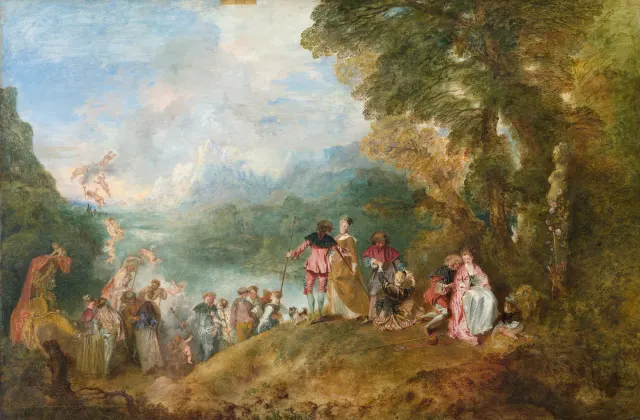
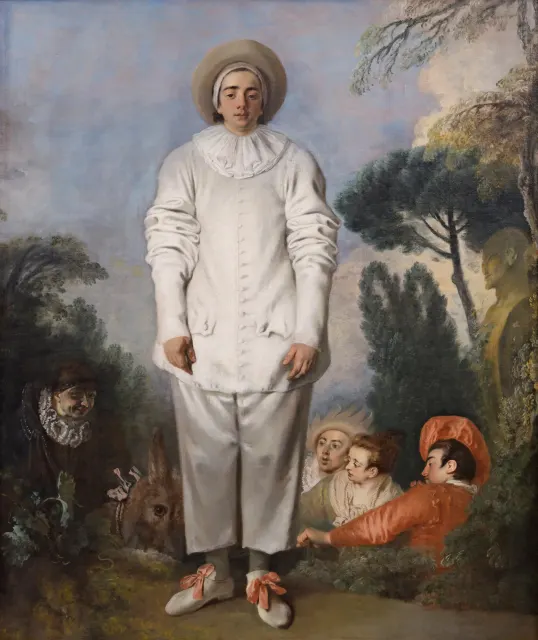
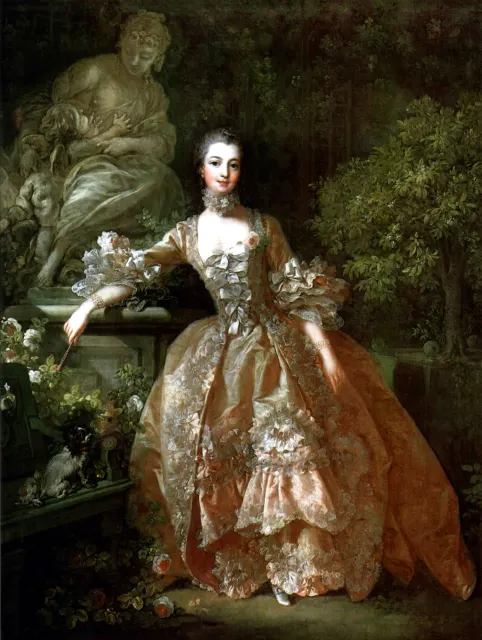
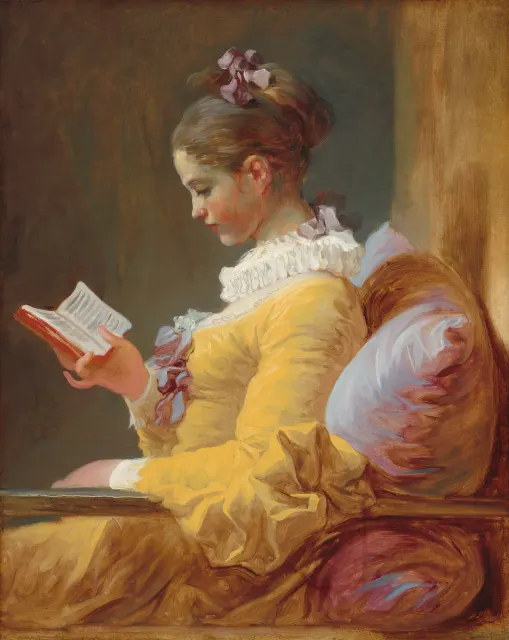
1715年、フランスでルイ14世が亡くなると、重々しい宮廷の空気がゆるみ、貴族たちはパリの屋敷で恋やおしゃべり、音楽を楽しむようになりました。そこで好まれたのが、軽やかで甘い「ロココ」の芸術です。淡いピンクや水色、くるくると曲がる飾り、森の中の恋人たち。ヴァトー、ブーシェ、フラゴナールがその代表です。
When Louis XIV of France died in 1715, the serious mood of the court relaxed. Aristocrats enjoyed romance, conversation and music in their Paris homes. They loved the light, sweet style called Rococo: soft pinks and blues, curling decorations and lovers in the woods. Watteau, Boucher and Fragonard were its leading painters.
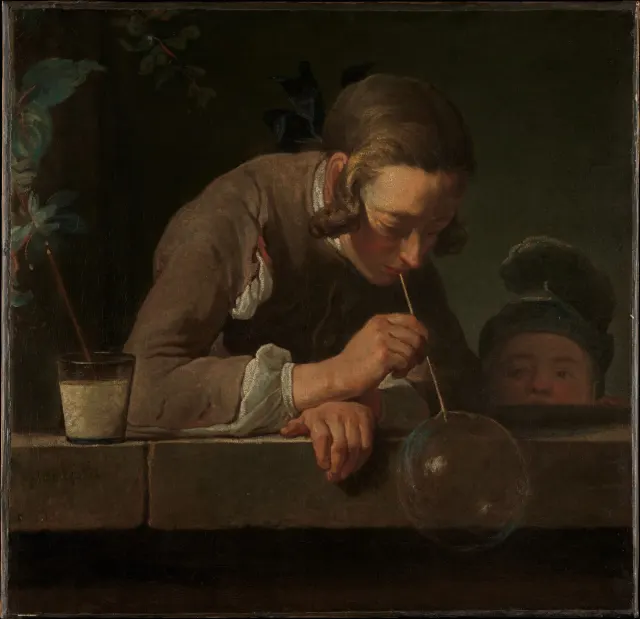
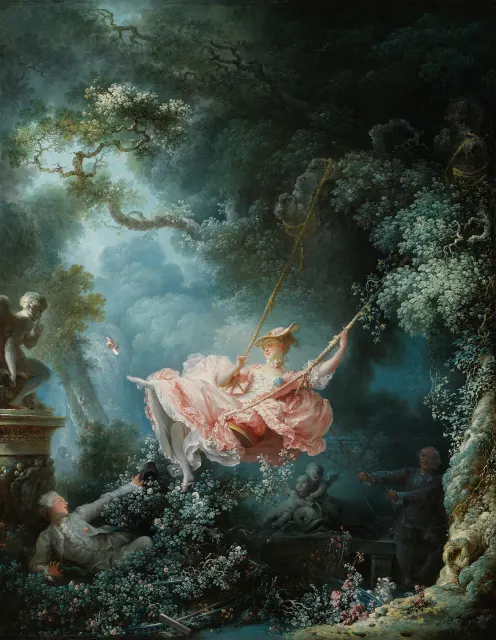
ヴァトーは、着かざった男女が庭園でくつろぐ「雅宴画(フェート・ギャラント)」という新しいジャンルを生み出しました。フラゴナールの『ぶらんこ』では、ピンクのドレスの女性が空中に舞い、脱げた靴が飛んでいきます。一方シャルダンは、台所の道具や、しゃぼん玉で遊ぶ若者など、静かで飾らない日常を、やさしい筆づかいで描きました。
Watteau created a new kind of painting, the fête galante, showing elegant men and women relaxing in parks. In Fragonard's The Swing, a woman in a pink dress flies through the air and her shoe flies off. Chardin, on the other hand, painted quiet, simple everyday life, such as kitchen tools or a young man blowing soap bubbles, with a gentle touch.
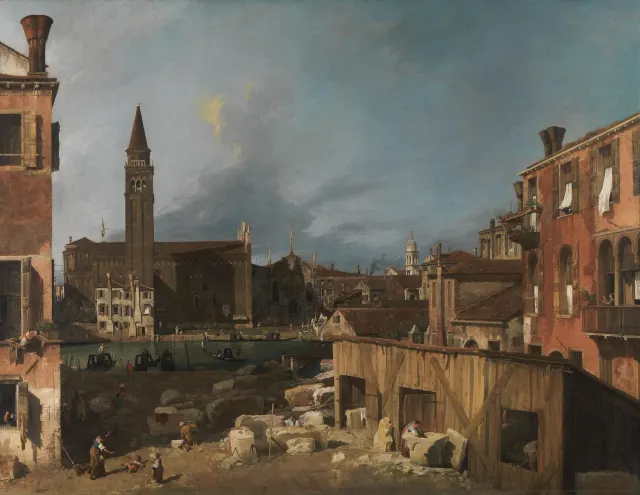
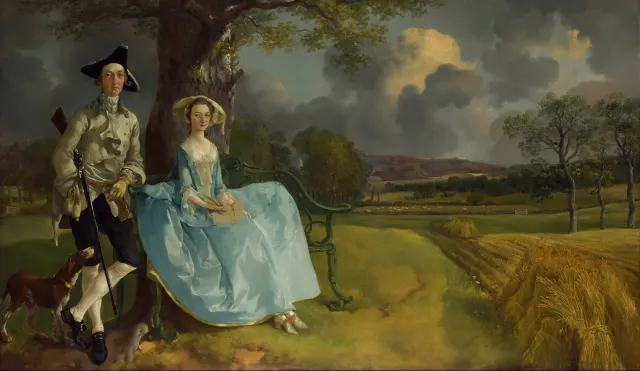
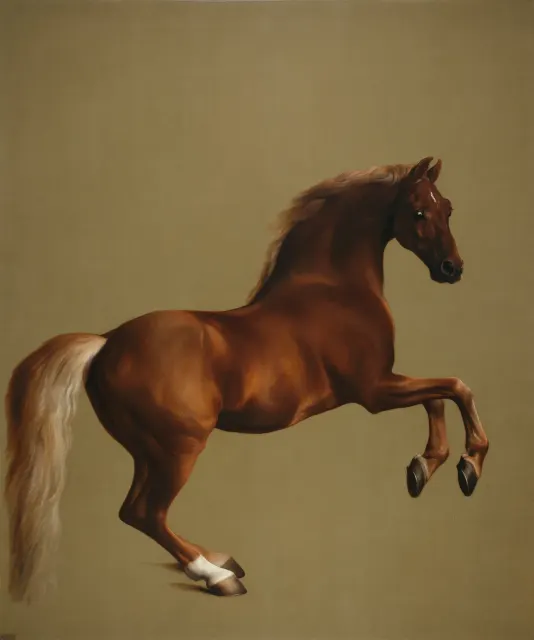
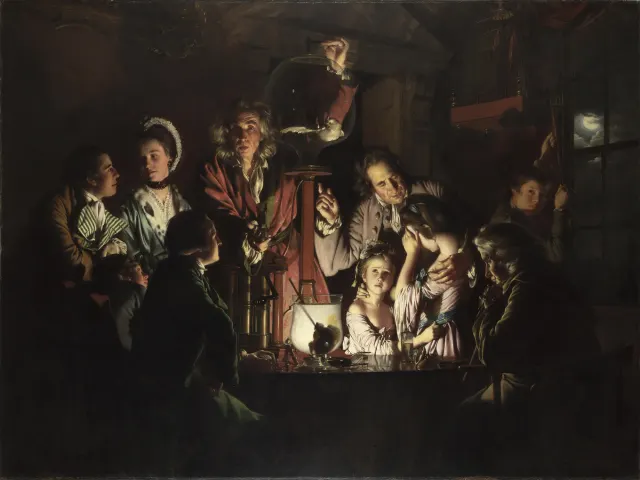
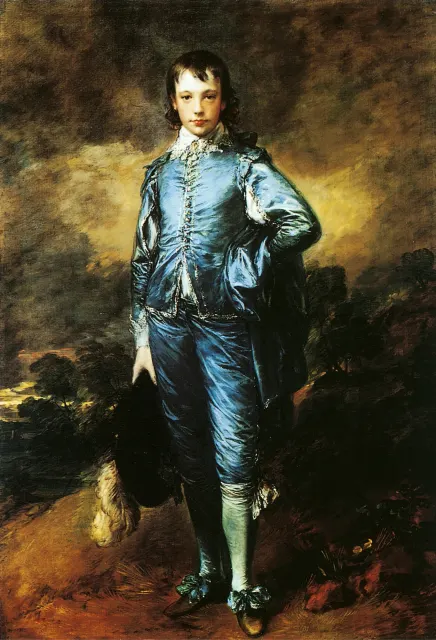
18世紀は「啓蒙の時代」、つまり科学と理性の時代でもありました。イギリスのライト・オブ・ダービーは、ろうそくの光の中で行われる科学実験を劇的に描きました。イギリスではゲインズバラが優雅な肖像画を、スタッブスが馬の絵を描き、イタリアのカナレットはヴェネツィアの風景を描いて、旅の記念として人気を集めました。
The 18th century was also the Age of Enlightenment, a time of science and reason. In England, Joseph Wright of Derby painted dramatic scenes of science experiments by candlelight. Gainsborough painted graceful portraits, Stubbs painted horses, and in Italy Canaletto painted views of Venice that travelers took home as souvenirs.
