
 語学・英語学習ビミョー
「バイリンガルは頭がいい」は本当? 20年続いた大論争の"現在地"
 2026.10.02
 English Corner(A2〜B2・4択クイズ)
 読む前に予想してみよう!
2つの言語を話す人は、1つの言語しか話さない人より、注意の切り替えなどの能力が明らかに高いことが確定している
初期の研究では優位が報告されたが、多くの研究をまとめた分析では、「よい結果ほど論文になりやすい偏り」を補正するとはっきりした優位は見られなかった。
 研究カード(どんな研究?)
- 対象
- 成人のバイリンガルとモノリンガル
- 規模
- 152研究
- 研究の種類
- メタ分析(出版バイアス補正あり)
- 確かさ
- ★★★★☆
「2言語を話す人は注意の切り替えなどが得意」という説は大論争に。成人を調べた152研究をまとめた分析では、「よい結果ほど論文になりやすい偏り」を補正すると、はっきりした優位は見られなかった。
ひとことで言うと2つの言葉を話せても、頭がよくなるとはかぎらない。でも、話せる相手や世界が広がるのが本当の得!
「バイリンガルの子は頭がいい」「2つの言語を使うと脳が鍛えられる」。子どもの英語教育の話題で、よく耳にする言葉です。
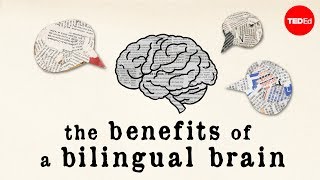
人気の解説動画や記事でも、バイリンガルの脳の"すごさ"はたびたび紹介されてきました(下の動画も、優位説の立場で作られた解説の一つです)。
ところがこの説、実は20年ほどにわたって科学者どうしが激しく議論してきたテーマです。そして近年、多くの研究をまとめた分析が出て、話はかなり変わってきました。
01はじまり:「切り替えの達人」説
2000年代、カナダの心理学者エレン・ビアリストクらの研究などから、こんな説が注目されました。
バイリンガルは、話すたびに「使わないほうの言語」をおさえ、2つの言語を切り替えている。この毎日のトレーニングで、注意を切り替えたり、余計な情報をおさえたりする力(実行機能)が鍛えられるのではないか——。
実際、色や矢印を使った反応テストで、バイリンガルのほうが速いという結果がいくつも報告されました。
さらに2007年には、トロントの病院の記録を調べた研究で、バイリンガルの人は、認知症の症状が出始める年齢が平均で約4年遅かったという報告も出て、大きな話題になりました。
02逆風:「よい結果だけが論文になっていた?」
ところが2010年代に入ると、反対の結果が相次ぎます。
2013年には、複数の実験で多くの指標を調べたものの、一貫したバイリンガル優位は見られなかったという研究が発表されました。
そして2015年、議論を大きく動かす研究が出ます。
つまり、論文だけを集めると優位があるように見えます。でもそれは、「優位がなかった」という結果が論文にならず、表に出てこなかったせいかもしれないのです。
03成人の152研究をまとめ、偏りを補正すると有利は消えた

2019年に議論をまとめた総説は、優位の有無をめぐって研究者の意見が割れ、議論は行き詰まっていると述べています。つまり「バイリンガルなら誰でも認知能力が高い」とは言い切れません。認知症の発症を遅らせるという話も、その後の研究で結果が分かれており、決着はついていません。
04まとめ
「バイリンガルは頭がいい」は、今の研究では言い切れない、というのが現在地です。
でも、がっかりする必要はありません。2つの言語を話せることの本当の価値は、テストの反応速度ではなく、出会える人と世界が大きく広がること。それだけで、英語を学ぶ理由としては十分すぎるはずです。
この研究を英語で読もう原田英語の English CornerFor years, many people believed that speaking two languages gives the brain a workout. 音声
音声 4択クイズ9問A2・B1・B2タップして開く
原田英語の English Corner
この研究を英語で読もう
Some people say that bilingual people, who speak two languages, have sharper brains. Early studies found that bilinguals were faster on some attention tests.
But later, scientists found a problem. Good results were published more often than other results. In 2018, researchers looked at 152 studies together. After they corrected this problem, there was no clear advantage. So learning English may not make you smarter. But it gives you more people to talk to.
74 words ・ CEFR A2
和訳を見る
2つの言語を話すバイリンガルの人は頭が鋭い、と言う人がいます。初期の研究では、バイリンガルはいくつかの注意力テストで速いことがわかりました。
しかしその後、科学者たちは問題を見つけました。よい結果はほかの結果より論文になりやすかったのです。2018年、研究者たちは152の研究をまとめて調べました。この問題を補正すると、はっきりした優位はありませんでした。ですから、英語を学んでも頭がよくなるとは限りません。でも、話せる相手は増えるのです。
4択リーディングクイズ
Q1. What is the passage mainly about?
バイリンガルは頭が鋭いという説とその検証の話なので B。
Q2. How many studies did researchers look at in 2018?
researchers looked at 152 studies together とあるので D。
Q3. In this passage, "published" means ...
publish は「出版する・公表する」。研究の文脈では論文として発表されることなので D。
For years, many people believed that speaking two languages gives the brain a workout. Bilinguals must constantly control which language they use, so they might develop stronger executive function, the ability to switch attention and ignore distractions. Early studies supported this idea, and a 2007 study even reported that bilingual patients showed signs of dementia about four years later on average.
However, in 2015 researchers at the University of Edinburgh found signs of publication bias. Studies supporting the bilingual advantage were more likely to be published. In 2018, a meta-analysis of 152 studies on adults found only a small advantage at first, and after correcting for publication bias, no clear advantage remained. The real benefit of a second language may simply be the people and information it opens up.
129 words ・ CEFR B1
和訳を見る
何年もの間、多くの人が2つの言語を話すことは脳のトレーニングになると信じていました。バイリンガルはどちらの言語を使うかを常にコントロールしなければなりません。そのため、注意を切り替えたり気を散らすものを無視したりする能力、つまり実行機能が強くなるのかもしれない、というわけです。
初期の研究はこの考えを支持し、2007年の研究では、バイリンガルの患者は認知症の兆候が平均で約4年遅く現れたとさえ報告されました。しかし2015年、エディンバラ大学の研究者たちは出版バイアスの兆候を見つけました。バイリンガル優位を支持する研究ほど論文として出版されやすかったのです。2018年、成人を対象とした152の研究のメタ分析では、最初はわずかな優位が見られただけで、出版バイアスを補正すると、はっきりした優位は残りませんでした。第二言語の本当の利点は、出会える人や手に入る情報が増えることなのかもしれません。
4択リーディングクイズ
Q1. What is "executive function" in this passage?
executive function, the ability to switch attention and ignore distractions と同格で説明されているので B。
Q2. What did the Edinburgh researchers find?
studies supporting the bilingual advantage were more likely to be published とあるので C。
Q3. What is the writer's main message in the last sentence?
The real benefit ... may simply be the people and information it opens up とあるので A。
Bilinguals have to keep the language they are not using switched off, all day long. From that simple observation came an appealing theory. All that suppression might strengthen executive functions such as inhibitory control and task switching.
During the 2000s, studies reported faster responses among bilinguals on conflict tasks, and a 2007 analysis of hospital records in Toronto suggested that bilingual patients developed dementia symptoms about four years later on average. In the 2010s, however, the evidence began to crumble. A 2013 study that tested many measures found no consistent advantage.
In 2015, de Bruin and colleagues traced conference abstracts to see which were later published, and found that positive results were more likely to reach journals. Some questions are not settled. Definitions of bilingualism vary widely, and some effects might exist under specific conditions or in certain tasks. The dementia findings are also disputed, partly because retrospective studies struggle to control for immigration, education and income.
But the broad claim, that bilinguals are generally cognitively superior, did not survive a 2018 meta-analysis of 152 studies on adults. A small advantage showed up at first. It disappeared once the researchers corrected for publication bias.
194 words ・ CEFR B2
和訳を見る
バイリンガルの人は、使っていない方の言語を一日中オフにしておかなければなりません。この単純な観察から、魅力的な理論が生まれました。そうしておさえ続けることで、抑制制御や課題の切り替えといった実行機能が鍛えられるのではないか、というものです。
2000年代には、葛藤課題でバイリンガルの反応が速いとする研究が報告されました。トロントの病院記録を分析した2007年の研究は、バイリンガルの患者は認知症の症状が平均で約4年遅く現れることを示唆しました。しかし2010年代になると、証拠は崩れ始めました。
多くの指標を調べた2013年の研究は、一貫した優位を見出せませんでした。2015年にはデ・ブラインらが学会要旨を追跡してどれが後に出版されたかを調べ、肯定的な結果の方が学術誌に載りやすいことを見出しました。決着していない問題もあります。バイリンガルの定義は大きく異なり、特定の条件や課題のもとでは何らかの効果があるかもしれません。認知症に関する結果にも異論があり、その一因は、後ろ向き研究では移民・教育・収入を統制するのが難しいことにあります。
しかし、バイリンガルが全般的に認知的に優れているという大まかな主張は、成人を対象とした152研究の2018年のメタ分析では支持されませんでした。最初はわずかな優位が見られました。しかし研究者たちが出版バイアスを補正すると、それは消えたのです。
4択リーディングクイズ
Q1. How did de Bruin and colleagues detect publication bias?
traced conference abstracts to see which were later published とあるので B。
Q2. According to the passage, why are the dementia findings still debated?
partly because retrospective studies struggle to control for immigration, education and income とあるので C。
Q3. Which statement best reflects the author's conclusion?
Some questions are not settled. と特定条件での効果の可能性を残しつつ、the broad claim ... did not survive a 2018 meta-analysis と述べているので D。A は言い過ぎ。
重要単語
- bilingualB1形容詞・名詞2言語を話す(人)She grew up bilingual in Japanese and English.
 bi-(2つ)+lingual(言語の)。monolingual(1言語)、multilingual(多言語)とセットで。
 - executive functionC1名詞(句)実行機能(注意の切り替え・抑制などのコントロール能力)Executive function helps you switch between tasks. executive は「管理する・実行の」。脳の「司令塔」のイメージ。心理学・教育系の長文で頻出。
- publication biasC1名詞(句)出版バイアス(よい結果ほど論文になりやすい偏り)Publication bias can make an effect look bigger than it is. 「効果あり」の論文ばかり集まると、実際より効果が大きく見える。メタ分析を読むときの必須知識。
- inhibitory controlC1名詞(句)抑制制御(関係ない情報や反応をおさえる力)The task measured inhibitory control. inhibit「抑える・妨げる」の形容詞形。inhibit A from doing「Aが~するのを妨げる」は入試頻出構文。
- meta-analysisC1名詞メタ分析The meta-analysis included 152 studies. 複数の研究を統計的にまとめる手法。ただし元の研究に偏りがあれば結果も偏るので、出版バイアスの補正が重要。
- contestedC1形容詞議論の分かれる・異論のあるThe dementia findings remain contested. contest(争う)の過去分詞。controversial とほぼ同義で、研究紹介でよく使う。
- retrospectiveC1形容詞後ろ向きの(過去の記録をさかのぼって調べる)Retrospective studies use past records. retro-(後ろへ)+spect(見る)。prospective(前向きの)と対。研究デザインの信頼度を見分けるカギ。
 入試に出る順の単語帳を印刷する →
 全5903語の「科学英単語カード」で復習する →
 動画でもっと知る
動画は各チャンネルの公式埋め込みで表示しています(YouTube)。
この話題を TED で聞く
同じテーマの TED・TED-Ed を、 TED HACK で。英語の見どころ・使える表現・学習ミッションつきの日本語ガイドです。(運営:原田英語)
 公式・一次情報をチェック
このネタ、誰かに教えたくなった?
「バイリンガルは脳が鍛えられて頭がいい」という説。152本の研究をまとめた分析では、“よい結果ほど論文になりやすい偏り”を補正すると、はっきりした優位は消えたらしい。科学者どうしの論争は今も続いている。
押すと「マジかリスト」に保存されます
 出典・参考文献(5件)タップで表示
- Bialystok, Craik & Freedman (2007) Bilingualism as a protection against the onset of symptoms of dementia, Neuropsychologiadoi.org
- de Bruin, Treccani & Della Sala (2015) Cognitive advantage in bilingualism: An example of publication bias?, Psychological Sciencedoi.org
- Paap & Greenberg (2013) There is no coherent evidence for a bilingual advantage in executive processing, Cognitive Psychologydoi.org
- Lehtonen et al. (2018) Is bilingualism associated with enhanced executive functioning in adults? A meta-analytic review, Psychological Bulletindoi.org
- Antoniou (2019) The advantages of bilingualism debate, Annual Review of Linguisticsdoi.org

※本記事は上記の研究・公開資料をもとに、原田英語が独自の言葉で解説したものです。引用は著作権法第32条の範囲で行い、出典を明記しています。画像はすべてオリジナルのイメージです。研究結果には限界や個人差があります。誤りのご指摘は原田英語のお問い合わせフォームから。

別館
マジか!?ことばで読む、ことばの雑学
英語と日本語の「えっ、マジか!?」を辞書と論文でウラ取りする別館