Ramadan & Eid al-Fitr

ラマダンとイードを英語で:読む・聞く・話す・遊ぶ

やさしい英語(CEFR A2)の読み物に音声つき。会話・単語カード・クイズ8問・ゲームで、ラマダンとイードの英語をまるごと。

🔊Read in Englishラマダンとイードを英語で読もう(CEFR A2・音声つき)

ラマダンとイードを、やさしい英語で紹介する読み物です。▶で英文をタイトルから通して聞けます(アメリカ英語)。「和訳」ボタンで日本語訳の表示・非表示を切りかえられます。下線の語は下の単語カードにあります。

A Month of Fasting, a Day of Joy

CEFR A2
0:00
261 words

It is three o'clock in the morning in Cairo, Egypt. A man walks down a dark street and beats a small drum. He is waking people up for an early breakfast. It is the month of Ramadan.

エジプトのカイロ、朝の3時です。一人の男性が暗い通りを歩きながら、小さな太鼓をたたいています。早い朝食のために、人々を起こしているのです。今はラマダンの月です。

Ramadan is the ninth month of the Islamic calendar. Muslims believe that the first words of the Quran, their holy book, came to the Prophet Muhammad in this month. So for about 30 days, many Muslims fast from dawn to sunset. They do not eat or drink anything during the day, not even water.

ラマダンは、イスラム暦の9番目の月です。ムスリムは、自分たちの聖典コーランの最初の言葉が、この月に預言者ムハンマドに下されたと信じています。そのため約30日間、多くのムスリムは夜明けから日没まで断食をします。昼の間は何も食べず、何も飲みません。水さえも飲まないのです。

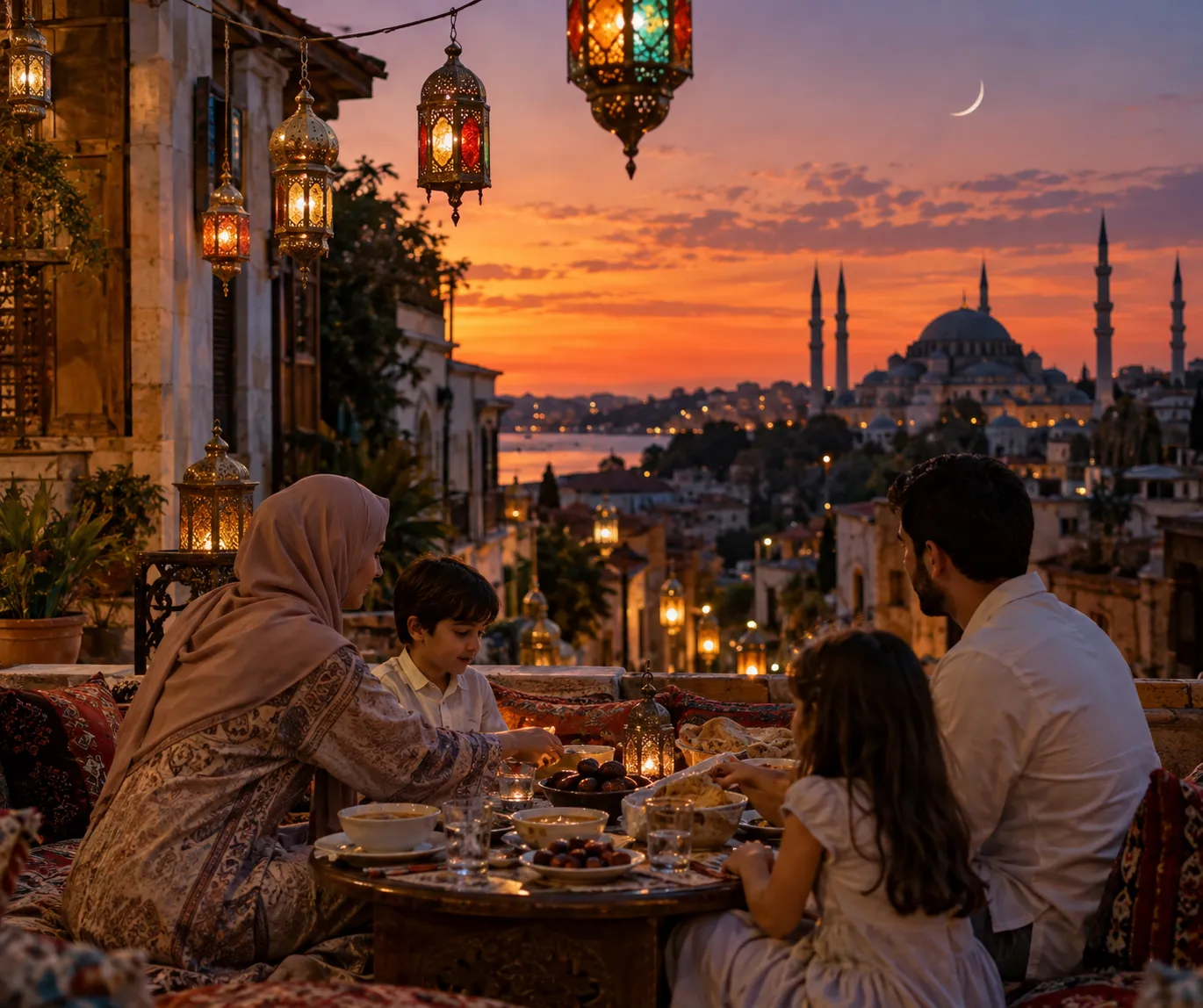
Before the sun comes up, families eat a meal called suhoor. After the sun goes down, they break the fast with a meal called iftar. Many people eat a few dates and drink some water first, just like the Prophet did. Then they share a big dinner with family and friends. During Ramadan, people also pray more and give food and money to people in need.

日が昇る前に、家族はスフールという食事をとります。日が沈んだあと、イフタールという食事で断食を終えます。多くの人は、預言者がしたように、まずナツメヤシの実を少し食べて水を飲みます。それから家族や友だちと、たっぷりの夕食を囲みます。ラマダン中、人々はいつもより多く祈り、困っている人に食べ物やお金をわけます。

Not everyone has to fast. Children, sick people, and travelers do not need to. The Islamic calendar follows the moon, so Ramadan comes about 11 days earlier every year. Some years it is in cold winter, and some years it is in hot summer.

全員が断食しなければならないわけではありません。子ども、病気の人、旅行中の人はしなくてよいのです。イスラム暦は月に合わせているので、ラマダンは毎年約11日ずつ早く来ます。寒い冬の年もあれば、暑い夏の年もあります。

At the end of the month, people look for a thin new moon in the evening sky. When they see it, Ramadan is over. The next day is Eid al-Fitr, the festival of breaking the fast. People wear new clothes, pray together in the morning, and visit their relatives. Children often get money or gifts, and everyone says, Eid Mubarak!

月の終わりに、人々は夕方の空に細い新しい月を探します。それが見えたら、ラマダンは終わりです。次の日は、断食明けの祭りイード・アル=フィトルです。人々は新しい服を着て、朝にいっしょに礼拝し、親せきを訪ねます。子どもたちはお金やプレゼントをもらうことが多く、みんなが「イード・ムバラク!」と言い合います。

💬Dialogue英語の会話でラマダンとイード

🎬 日本の高校に来ているマレーシアからの留学生アミール。昼休み、クラスメートの結衣は、彼が何も食べていないことに気づきます。

0:00
Yui

Amir, you're not eating lunch. Are you OK?

アミール、お昼食べてないね。大丈夫?

Amir

I'm fine, thanks. It's Ramadan, so I'm fasting.

大丈夫、ありがとう。今ラマダンだから、断食してるんだ。

Yui

Fasting? You mean you don't eat all day?

断食?一日中何も食べないってこと?

Amir

Only from dawn to sunset. I had breakfast at four this morning.

夜明けから日没までだけだよ。今朝は4時に朝ごはんを食べたんだ。

Yui

Four? Wow. Can you drink water?

4時?すごい。水は飲めるの?

Amir

No, not even water. But it's not so hard in winter. The days are short.

ううん、水もだめ。でも冬はそんなに大変じゃないよ。昼が短いから。

Yui

Is it OK if I eat my lunch here?

ここでお弁当食べても大丈夫?

Amir

Of course! Thanks for asking. It's really OK.

もちろん!聞いてくれてありがとう。本当に大丈夫だよ。

Yui

When can you eat today?

今日は何時に食べられるの?

Amir

At sunset, around five thirty. I'll start with some dates.

日没の5時半ごろ。まずナツメヤシの実を食べるんだ。

Yui

And what happens when Ramadan ends?

ラマダンが終わったらどうなるの?

Amir

We have a big festival called Eid. In Malaysia, many families open their homes to everyone. You should come someday!

イードっていう大きなお祭りがあるんだ。マレーシアでは、たくさんの家族が誰でも家に招くんだよ。いつか来てよ!

Yui

I'd love to! Then I'll say Eid Mubarak to you that day.

行きたい!じゃあその日は「イード・ムバラク」って言うね。

🃏Word Cardsラマダンとイードの英単語カード(12語)

カードをタップすると裏返って、意味と例文が出ます。

fast動詞
断食するMany Muslims fast during Ramadan.多くのムスリムはラマダン中に断食する。💡 「速い」の fast と同じつづり。breakfast は break(破る)+ fast(断食)で「夜の断食を破る食事」。
holy形容詞
神聖な、聖なるThe Quran is the holy book of Islam.コーランはイスラム教の聖典だ。💡 holiday はもともと holy day(聖なる日)。
Muslim名詞
イスラム教徒、ムスリムAbout 420,000 Muslims live in Japan.日本には約42万人のムスリムが暮らしている。💡 宗教の名前は Islam。形容詞は Islamic(イスラムの)。
dawn名詞
夜明けThey fast from dawn to sunset.彼らは夜明けから日没まで断食する。💡 from dawn to dusk(夜明けから夕暮れまで)という言い方もある。
sunset名詞
日没、夕日We eat iftar at sunset.私たちは日没にイフタールを食べる。💡 反対は sunrise(日の出)。
pray動詞
祈るPeople pray together on Eid morning.イードの朝、人々はいっしょに祈る。💡 名詞は prayer(祈り)。play(遊ぶ)と発音を区別しよう。
calendar名詞
暦、カレンダーThe Islamic calendar follows the moon.イスラム暦は月に従う。💡 lunar calendar で「太陰暦」、solar calendar で「太陽暦」。
relative名詞
親せきOn Eid, we visit our relatives.イードには親せきを訪ねる。💡 形容詞では「比較的な」。relatively(比較的)もいっしょに。
in need熟語
困っている、生活に苦しいThey give food to people in need.彼らは困っている人に食べ物をわける。💡 A friend in need is a friend indeed.(まさかの時の友こそ真の友)ということわざにも出てくる。
festival名詞
祭りEid al-Fitr is the festival of breaking the fast.イード・アル=フィトルは断食明けの祭りだ。💡 アラビア語の Eid も「祭り」という意味。
moon名詞
月People look for the new moon.人々は新月(細い三日月)を探す。💡 month(暦の月)も moon と同じ語源。
share動詞
分け合う、いっしょに食べるThey share a big dinner with friends.彼らは友だちとたっぷりの夕食を分け合う。💡 share a room(部屋を共有する)、share an idea(考えを伝える)。

✅Quizラマダンとイードの英語クイズ(8問)

上の英文を読んでから答えてみよう。答えを選ぶとすぐに解説が出ます。全問正解でスタンプが金色に!

Q1. What is the main idea of the reading?

この文章の主旨は何ですか。

文章全体で、ラマダンの断食・食事・祈り(第2〜4段落)とイードの祝い方(第5段落)を説明しています。太鼓は第1段落の場面の一部にすぎません。

Q2. Why is the man beating a drum at three in the morning?

なぜその男性は朝3時に太鼓をたたいているのですか。

第1段落に He is waking people up for an early breakfast とあります。日の出前の食事スフールのためです。

Q3. What do many people eat first at iftar?

多くの人はイフタールで最初に何を食べますか。

第3段落に Many people eat a few dates and drink some water first とあります。預言者にならった習慣です。

Q4. Why does Ramadan come about 11 days earlier every year?

なぜラマダンは毎年約11日早く来るのですか。

第4段落に The Islamic calendar follows the moon, so Ramadan comes about 11 days earlier とあります。so の前が理由です。

Q5. In paragraph 2, what does fast mean?

第2段落の fast はどういう意味ですか。

直後の文に They do not eat or drink anything during the day とあるので「断食する」です。「速い」の fast とは別の意味です。

Q6. Which sentence is true about the reading?

本文の内容と合っているのはどれですか。

第5段落に pray together in the morning とあります。子どもは断食しなくてよく、季節は年によって変わり、水も飲みません。

Q7. Why do people look at the evening sky at the end of Ramadan?

なぜラマダンの終わりに人々は夕方の空を見るのですか。

第5段落で、細い新月が見えたらラマダンが終わり、次の日がイードだと書かれています。月を見ることでイードの始まりが決まると推測できます。

Q8. In the dialogue, why is Amir not eating lunch?

会話で、アミールはなぜ昼ごはんを食べていないのですか。

アミールは It's Ramadan, so I'm fasting と答えています。I'm fine とも言っているので、病気ではありません。

🎮Gamesラマダンとイードの英語ゲーム

タブを切りかえて遊べます。授業ではプロジェクターに映して、クラス対抗戦にしても盛り上がります。

📖Read Moreもっと読む:Watching the Sky or Doing the Math?

少し難しめ(B1〜B2)の英文で、ラマダンとイードを違う角度から。

Watching the Sky or Doing the Math?

B1–B2
0:00
195 words

Every year, millions of Muslims wait for the same announcement: has the new crescent moon been seen? Traditionally, a lunar month begins only when people actually see the thin crescent after sunset. Clouds, dust, or a low horizon can hide it, so the start of Ramadan and the date of Eid can differ by a day between neighboring countries.

毎年、何百万人ものムスリムが同じ知らせを待ちます。新しい三日月は見えたのか、と。伝統的には、日没後に細い三日月が実際に見えたときに初めて、月の新しい月が始まります。雲やほこり、低い地平線が月を隠すこともあるので、ラマダンの始まりやイードの日付は、隣り合う国どうしでも1日ずれることがあります。

Today, astronomers can predict the position of the moon with great accuracy, and some countries rely mainly on these calculations to plan calendars in advance. Others prefer the traditional method, arguing that seeing the moon with one's own eyes is part of the religious practice. In the Philippines, for example, local religious authorities may decide when bad weather makes sighting impossible. Saudi Arabia, for its part, publishes a calculated calendar for everyday use, while its religious authorities still announce the start of Ramadan and the day of Eid after reports of a sighting.

今では天文学者が月の位置を非常に正確に予測でき、それを主な頼りにして前もって暦を作る国もあります。一方で、自分の目で月を見ることこそが信仰の実践の一部だとして、伝統的な方法を大切にする国もあります。たとえばフィリピンでは、悪天候で月が見えないとき、地域の宗教当局が判断することがあります。サウジアラビアはというと、日常生活のためには計算による暦を発表しつつ、ラマダンの始まりやイードの日は、今も月を見たという報告を受けて宗教当局が発表しています。

For Muslim communities abroad, including those in Japan, the question is practical as well as spiritual: should they follow their home country, Saudi Arabia, or the local sky? The debate shows how an ancient tradition and modern science can exist side by side.

日本を含む海外のムスリムのコミュニティにとって、これは信仰の問題であると同時に実際的な問題でもあります。母国に合わせるのか、サウジアラビアか、それとも自分の住む場所の空か。この議論は、古い伝統と現代の科学が並び立つことができる姿を示しています。

👋Useful Phrasesラマダンとイードに使える英語フレーズ

Ramadan Mubarak!祝福されたラマダンを!ラマダンが始まるときのあいさつ。Ramadan Kareem(寛大なラマダンを)とも言う。
Eid Mubarak!イードおめでとう!(祝福されたイードを)イードの日の定番のあいさつ。返事も Eid Mubarak! でよい。
Are you fasting today?今日は断食してるの?相手を気づかうときの一言。fast は「断食する」。
What time is iftar today?今日のイフタール(断食明けの食事)は何時?日没の時刻は毎日少しずつ変わる。
Happy Eid! Enjoy the holiday with your family.イードおめでとう!家族とすてきな休日を。ムスリムでない人からのお祝いとしても自然な言い方。

🗣️ 話し合ってみよう(Discussion)

  1. Could you fast from dawn to sunset for one day? What would be the hardest part?

    夜明けから日没まで1日断食できると思いますか。何がいちばん大変でしょうか。
  2. Children get money on Eid, and Japanese children get otoshidama at New Year. What other things are similar?

    イードには子どもがお金をもらい、日本ではお正月にお年玉をもらいます。ほかに似ていることはありますか。
  3. If a classmate is fasting during Ramadan, what can the school and the class do to help?

    クラスメートがラマダンで断食しているとき、学校やクラスはどんな手助けができるでしょうか。
  4. Should a religious calendar follow the moon that people see, or calculations by scientists? Why?

    宗教の暦は、人が目で見る月に従うべきでしょうか、それとも科学者の計算に従うべきでしょうか。それはなぜですか。
  5. The number of Muslims in Japan is growing. How should Japanese companies and towns change?

    日本のムスリムは増えています。日本の企業や地域はどう変わるべきでしょうか。
🌙
Ramadan & Eid al-F
スタンプ帳にラマダンとイードのスタンプを押しました!
クイズで全問正解すると金のスタンプに。世界一周めざして集めよう。 スタンプ帳を見る →

授業アイデアとワークシートを見る →