
 学習ハックホント
言葉だけのノートは損してる? 中身を表す簡単な絵を添えると覚えやすくなる
 2026.10.02
 English Corner(A2〜B2・4択クイズ)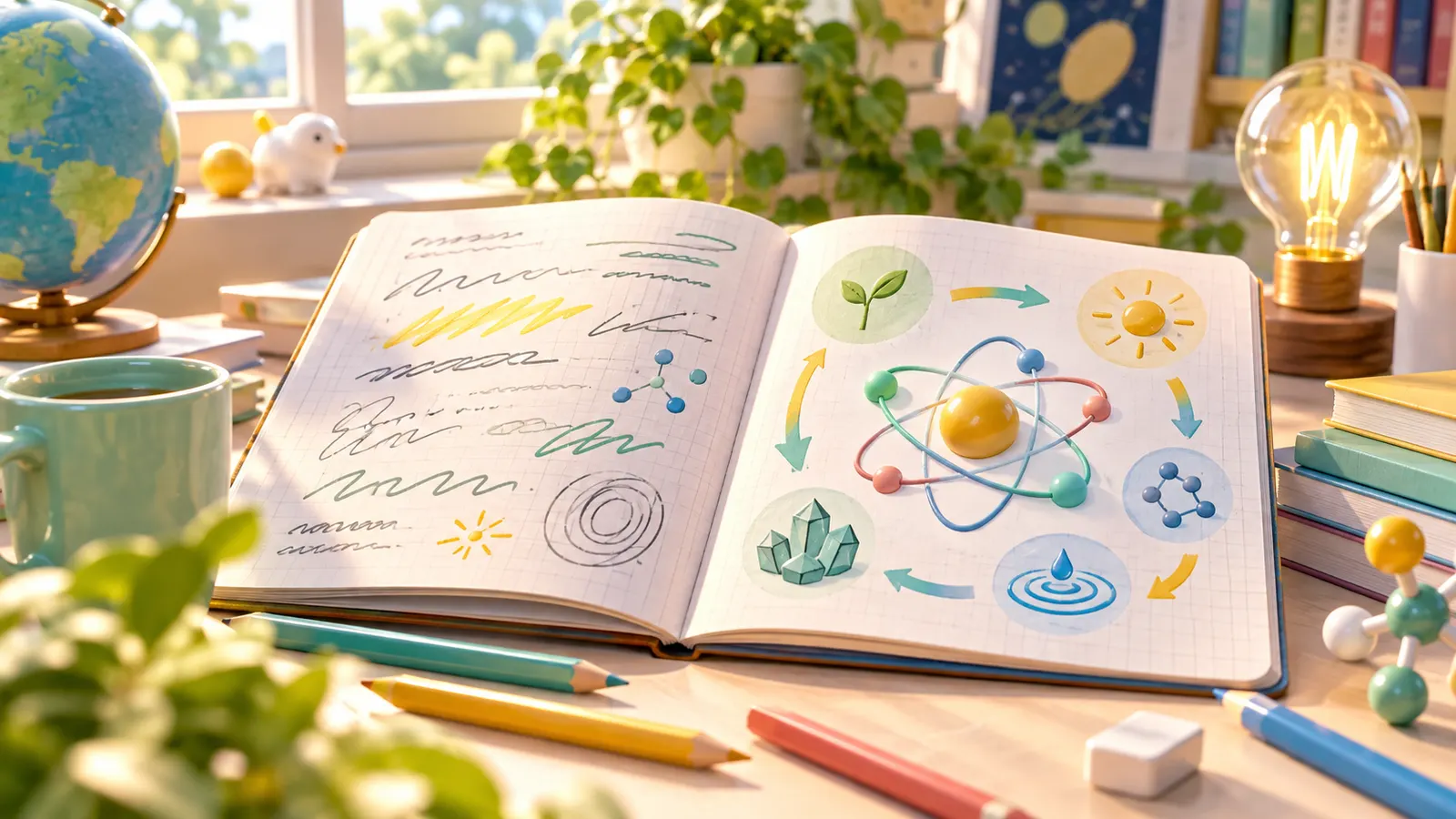
 読む前に予想してみよう!
自分が「視覚タイプ」か「聴覚タイプ」かに合わせて教え方を変えると、成績が上がることが確かめられている
学習スタイルに合わせると伸びるという説は、しっかりした証拠が見つかっていない。
 研究カード(どんな研究?)
- 対象
- 大学生など
- 規模
- 多数の実験(理論レビュー・実験室研究)
- 研究の種類
- 理論+実験研究+レビュー
- 確かさ
- ★★★★☆
言葉と絵の両方で情報を覚えると、記憶の手がかりが2本になって思い出しやすい。ただし関係ない飾りイラストは逆効果になることも。
ひとことで言うと文字だけじゃなく、簡単な絵も添えると覚えやすい!
教科書の説明は全然頭に入らないのに、図を見た瞬間「あ、そういうことか!」と分かる。そんな経験、ありませんか?
心理学には、情報を言葉とイメージ(絵)の両方で覚えると記憶に残りやすい、という考え方があります。それが二重符号化。「符号化」とは、情報を脳にしまえる形に変換することです。
言葉だけで覚えると、記憶への入口は1つ。絵も添えると、入口が2つに増えるイメージです。
01「りんご」は言葉と絵の2か所にしまわれる
その後、米カリフォルニア大学サンタバーバラ校の教育心理学者リチャード・メイヤーらは、大学生に自転車の空気入れやブレーキのしくみを教える実験をくり返しました。そして、言葉だけの説明より、言葉+図の説明の方が理解が深まることを示しています(理解は、しくみを応用して考える問題で測りました)。
自分で絵を描くのも効きそうです。カナダ・ウォータールー大学の研究チームは2016年、大学生に単語を覚えてもらう実験で、単語を書き写すより簡単な絵に描いた方が、後でよく思い出せたと報告しています。ただしこれは単語リストを使った実験室の結果で、教科書の内容をまるごと覚える場面で確かめたものではありません。
02ただし「関係ない絵」はジャマになる
ここで注意。絵なら何でもいいわけではありません。
内容と関係ない飾りのイラストやおもしろ雑学を入れると、かえって理解が下がることがあります。研究者たちはこうした「おもしろいけれど本題と関係ない部分」を、「誘惑的な細部(シダクティブ・ディテール)」と呼んでいます。
メイヤーらの1998年の実験では、文章に関係ないおもしろ話を足すと、学生が覚えていた要点も、応用問題の答えも少なくなりました。読み手が、おもしろ話の方を軸に内容を整理してしまうためではないか、と研究者たちは考えています。
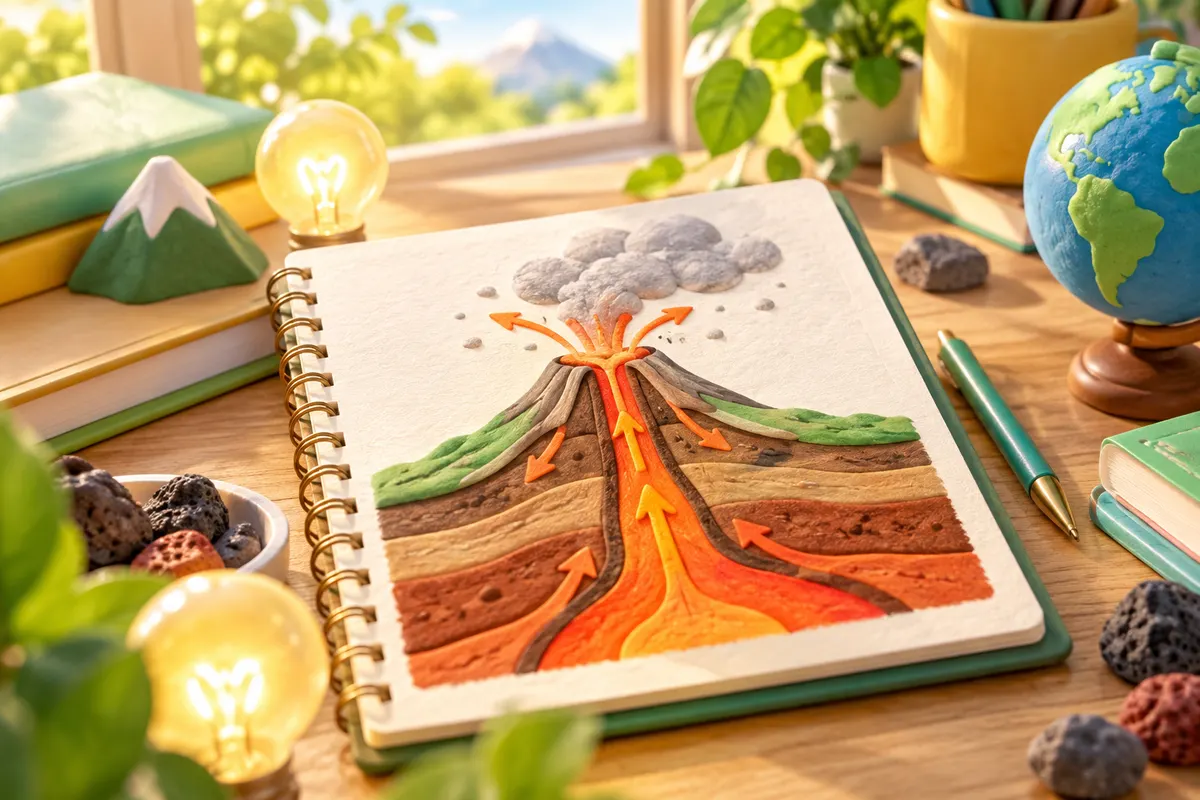
03絵が苦手でも大丈夫な使い方
最後の「図と言葉の行き来」は、二重符号化の考え方をそのまま使うやり方です。図→言葉、言葉→図と変換すると、2つの入口をつなぐ練習になると考えられます(このやり方そのものを確かめた研究は多くありません)。
04描いた図は「テスト」に変身させる
せっかく描いた図は、眺めるだけではもったいない。何も見ずに思い出す練習は、それだけで記憶に残りやすくなることが多くの研究で確かめられている勉強法です。描いた図を、その練習に使ってみましょう。
やり方は簡単。完成した図のラベル(言葉)の部分を付せんで隠し、何が入るか答えてみるだけ。逆に、白い紙に何も見ずに図を描き直してみるのもおすすめです。
これは、言葉とイメージの両方の入口から記憶を引っぱり出す練習。理科の器官や回路、社会の地図、英文の構造図など、図にできるものなら何でも使えます。テスト本番で「あの図のあそこに書いてあった!」と思い出せる場面が増えるかもしれません。
パイヴィオの考えに従えば、ポイントは言葉と絵が同じ内容を表していること。言葉で説明したことを図にでき、図で表したことを言葉で説明できる。この状態になると、どちらか一方の入口が開かなくても、もう一方から記憶を取り出しやすくなる、というのが二重符号化の考え方です。
05まとめ
ノートを文字だけで埋めていたら、ちょっとした図を1つ添えるだけで、記憶への入口が増えます。
上手に描く必要はありません。大事なのは、その絵が「中身」を表していること。今日のノートの余白に、矢印1本から始めてみてください。
この研究を英語で読もう原田英語の English CornerA textbook explanation can be hard to follow until you see a diagram, and then it suddenly makes sense. 音声
音声 4択クイズ9問A2・B1・B2タップして開く
原田英語の English Corner
この研究を英語で読もう
Do you only write words in your notebook? Try adding simple pictures. A scientist named Allan Paivio said the brain keeps information in two ways.
It keeps it as words, and it keeps it as pictures. When you learn with both, you have two ways to remember.
But be careful. Cute pictures that have nothing to do with the topic can make learning harder. Your drawing does not need to be good. It just needs to show the content.
79 words ・ CEFR A2
和訳を見る
ノートに言葉だけを書いていませんか。かんたんな絵を加えてみましょう。アラン・パイヴィオという科学者は、脳は情報を2つの方法で保存すると言いました。
言葉として保存し、そして絵として保存するのです。両方を使って学ぶと、思い出す方法が2つになります。
でも気をつけてください。内容と関係のないかわいい絵は、かえって学びのじゃまになることがあります。絵は上手でなくてもかまいません。内容を表していればよいのです。
4択リーディングクイズ
Q1. What is the passage mainly about?
言葉と絵の両方で学ぶと思い出す方法が2つになる(When you learn with both, you have two ways to remember.)という話なので A。
Q2. What kind of pictures can be a problem?
Cute pictures that have nothing to do with the topic can make learning harder. とあるので C。
Q3. In this passage, "have nothing to do with" the topic means ...
have nothing to do with ~ は「~と何の関係もない」という意味なので B。
A textbook explanation can be hard to follow until you see a diagram, and then it suddenly makes sense. Psychologist Allan Paivio offered a theory for this, called dual coding theory. He argued that the mind has one system for words and another for images, and that information stored in both is easier to recall.
For example, concrete words like "apple" are usually easier to remember than abstract words like "freedom." Later, Richard Mayer and his colleagues showed many times that explanations with words and diagrams lead to deeper understanding than words alone. But decorative pictures or fun facts unrelated to the topic can lower understanding. Also, the popular idea that "visual learners" should study only with pictures is not supported by strong evidence.
124 words ・ CEFR B1
和訳を見る
教科書の説明は、図を見るまではよく分からなかったのに、見たとたんに急に納得できることがあります。心理学者のアラン・パイヴィオは、これを説明する二重符号化理論を提唱しました。彼は、心には言葉を扱うしくみとイメージを扱うしくみがあり、両方に保存された情報は思い出しやすいと主張しました。
たとえば、「りんご」のような具体的な単語は、「自由」のような抽象的な単語よりたいてい覚えやすいです。その後、リチャード・メイヤーと同僚たちは、言葉と図による説明の方が言葉だけよりも深い理解につながることを何度も示しました。しかし、内容と関係のない飾りの絵やおもしろ雑学は、理解を下げることがあります。また、「視覚タイプの学習者」は絵だけで勉強すべきだという人気のある考えは、しっかりした証拠に支えられていません。
4択リーディングクイズ
Q1. According to dual coding theory, why is information stored as words and images easier to recall?
the mind has one system for words and another for images, and that information stored in both is easier to recall とあるので D。
Q2. Which word would probably be the easiest to remember?
concrete words like "apple" are usually easier to remember than abstract words like "freedom" とあるので B。具体的な語の方が覚えやすい。
Q3. What does the passage say about "visual learners"?
最終文で、視覚タイプは絵だけで学ぶべきという考えは is not supported by strong evidence と述べているので A。
In a series of experiments, Richard Mayer and his colleagues explained to students how devices such as pumps and brakes work. Some students got words alone, while others got the same words with diagrams, and the second group came away with a deeper understanding. The thinking behind this work comes from the Canadian psychologist Allan Paivio.
His dual coding theory holds that the mind handles information through two linked systems, one for words and one for images. Material stored in both forms has two separate retrieval routes. That would explain why concrete words such as "apple" are generally remembered better than abstract ones such as "justice." The principle has limits. Decorative images and entertaining but irrelevant details, known as seductive details, can lead readers away from the core content and reduce learning.
The gain from adding visuals is also largest in short laboratory sessions and for learners with little prior knowledge. For experts it may vanish or even reverse. Dual coding is a different thing from the popular idea of learning styles. A 2008 review found no solid evidence that matching instruction to "visual" or "auditory" learners improves results.
189 words ・ CEFR B2
和訳を見る
リチャード・メイヤーらは一連の実験で、ポンプやブレーキのような装置のしくみを学生に説明しました。言葉だけで説明を受けた学生もいれば、同じ言葉に図を添えて説明を受けた学生もいて、後者のグループの方が深い理解を得ました。この研究の背後にある考えは、カナダの心理学者アラン・パイヴィオに由来します。
彼の二重符号化理論によれば、心は、言葉を扱うものとイメージを扱うものという、つながり合った2つのしくみで情報を処理します。両方の形で保存された内容には、2つの別々の想起経路があります。そう考えると、「りんご」のような具体的な単語が「正義」のような抽象的な単語よりも一般によく記憶される理由が説明できます。この原則には限界があります。飾りの画像や、おもしろいが無関係な細部は「誘惑的な細部」と呼ばれ、読み手を中心となる内容から遠ざけ、学習を低下させることがあります。
また、図を加える効果は、短い実験室での学習や、予備知識の少ない学習者で最も大きくなります。熟達者では、効果が消えたり逆転したりすることさえあります。二重符号化は、人気のある学習スタイルの考えとは別物です。2008年のレビューでは、「視覚型」や「聴覚型」の学習者に指導を合わせると結果が良くなるという確かな証拠は見つかりませんでした。
4択リーディングクイズ
Q1. Why are concrete words like "apple" generally remembered better?
Material stored in both forms has two separate retrieval routes とあり、これが具体語の記憶優位を説明すると述べているので C。
Q2. According to the passage, when is the benefit of adding visuals smallest?
効果は予備知識の少ない学習者で最大になり、For experts it may vanish or even reverse とあるので A。
Q3. What is the author's main point about learning styles?
Dual coding is a different thing from the popular idea of learning styles とし、2008年のレビューで no solid evidence だったと述べているので D。
重要単語
- encodeC1動詞符号化する(記憶できる形に変える)We encode information as words and images.
 en-(~にする)+code(暗号・記号)。反対は decode(解読する)。記憶研究では encode → store → retrieve の3段階で覚える。
 - visualB1形容詞・名詞視覚の、目で見る/図・映像A simple visual can make a hard idea clear. vis-は「見る」(vision・visit・evidence)。visual aids(視覚教材)は頻出コロケーション。
- illustrationB1名詞挿絵、図解Choose an illustration that explains the content. illustrate は「絵で示す」だけでなく「例を挙げて説明する」の意味も。to illustrate this point「この点を例示すると」。
- distractB2動詞気を散らすFunny pictures may distract you from the main point. dis-(離れて)+tract(引く)=注意を引き離す。distract A from B の形と、名詞 distraction を一緒に。
- learning styleB2名詞(句)学習スタイルThere is little evidence for matching teaching to learning styles. 教育界で広まったが科学的根拠が弱い「神話」の代表例。neuromyth(脳神話)という語とセットで評論文に出る。
- abstractB2形容詞抽象的なAbstract words are harder to picture than concrete ones. 反対語は concrete(具体的な)。名詞の abstract は「(論文の)要旨」。入試で両方の意味が問われる。
- irrelevantB2形容詞無関係なIrrelevant details can lower understanding. ir-(否定)+relevant(関連のある)。be irrelevant to ~「~と無関係だ」。
 入試に出る順の単語帳を印刷する →
 全5903語の「科学英単語カード」で復習する →
 動画でもっと知る
動画は各チャンネルの公式埋め込みで表示しています(YouTube)。
この話題を TED で聞く
同じテーマの TED・TED-Ed を、 TED HACK で。英語の見どころ・使える表現・学習ミッションつきの日本語ガイドです。(運営:原田英語)
 公式・一次情報をチェック
- Dual Coding(The Learning Scientists)learningscientists.org
このネタ、誰かに教えたくなった?
文字だけのノートより、簡単でいいから中身を表す絵を添えた方が覚えやすい。心理学の「二重符号化」で説明される現象。ただし“かわいいだけの関係ないイラスト”は逆効果らしい。
押すと「マジかリスト」に保存されます
出典・参考文献(7件)タップで表示
- Paivio (1991) Dual coding theory: Retrospect and current status, Canadian Journal of Psychologydoi.org
- Clark & Paivio (1991) Dual coding theory and education, Educational Psychology Reviewdoi.org
- Mayer & Anderson (1991) Animations need narrations: An experimental test of a dual-coding hypothesis, Journal of Educational Psychologydoi.org
- Harp & Mayer (1998) How seductive details do their damage: A theory of cognitive interest in science learning, Journal of Educational Psychologydoi.org
- Wammes, Meade & Fernandes (2016) The drawing effect: Evidence for reliable and robust memory benefits in free recall, Quarterly Journal of Experimental Psychologydoi.org
- Sundararajan & Adesope (2020) Keep it Coherent: A Meta-Analysis of the Seductive Details Effect, Educational Psychology Reviewdoi.org
- Pashler, McDaniel, Rohrer & Bjork (2008) Learning styles: Concepts and evidence, Psychological Science in the Public Interestdoi.org

※本記事は上記の研究・公開資料をもとに、原田英語が独自の言葉で解説したものです。引用は著作権法第32条の範囲で行い、出典を明記しています。画像はすべてオリジナルのイメージです。研究結果には限界や個人差があります。誤りのご指摘は原田英語のお問い合わせフォームから。
 これも「マジか!?」
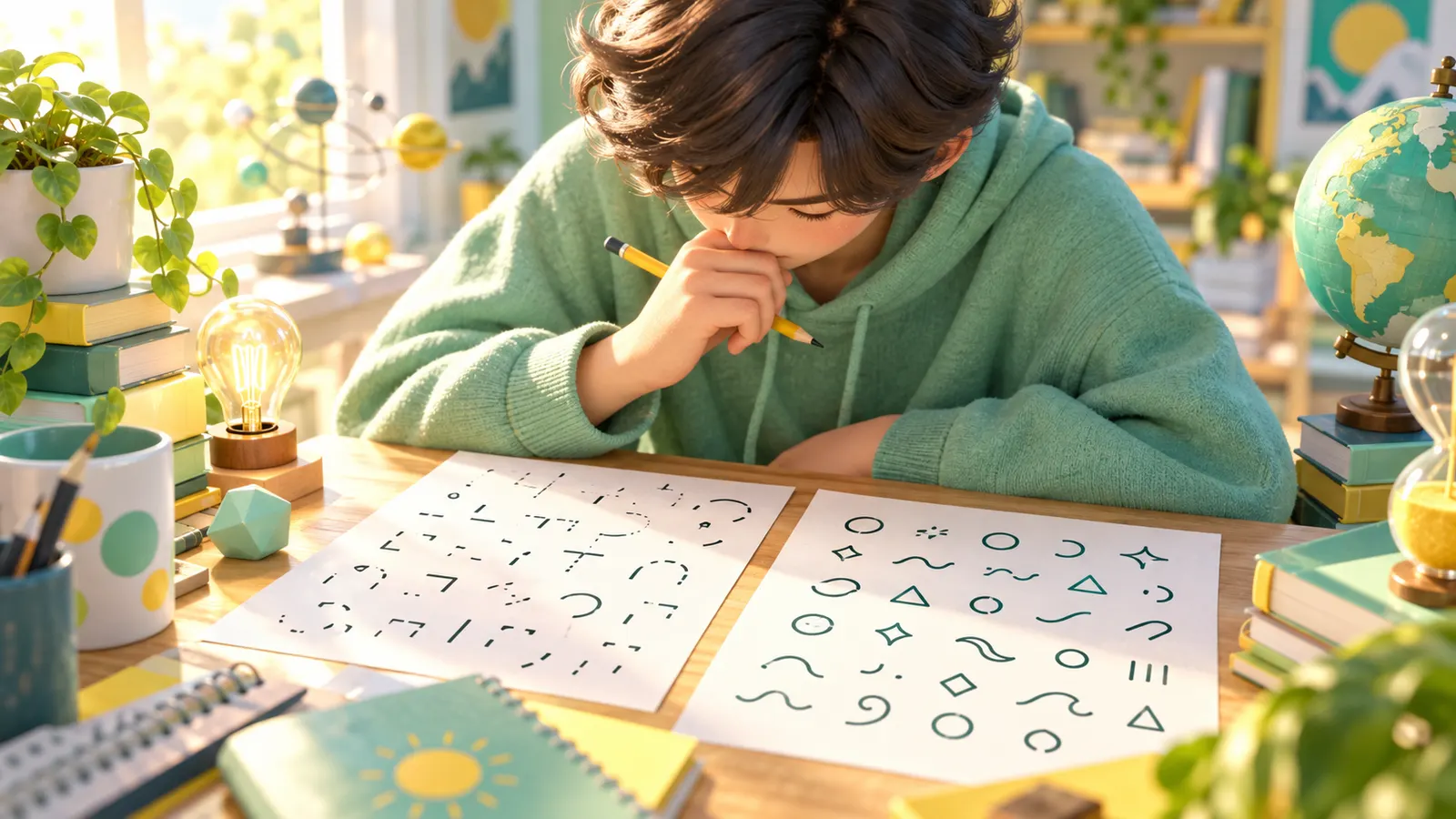
 学習ハック
学習ハック
「読みにくいフォントで記憶力アップ」説、確かめ直したらほぼ全滅だった

 学習ハック
学習ハック
「ノートは手書きが最強」説、同じ実験をやり直したら差はほぼ消えていた
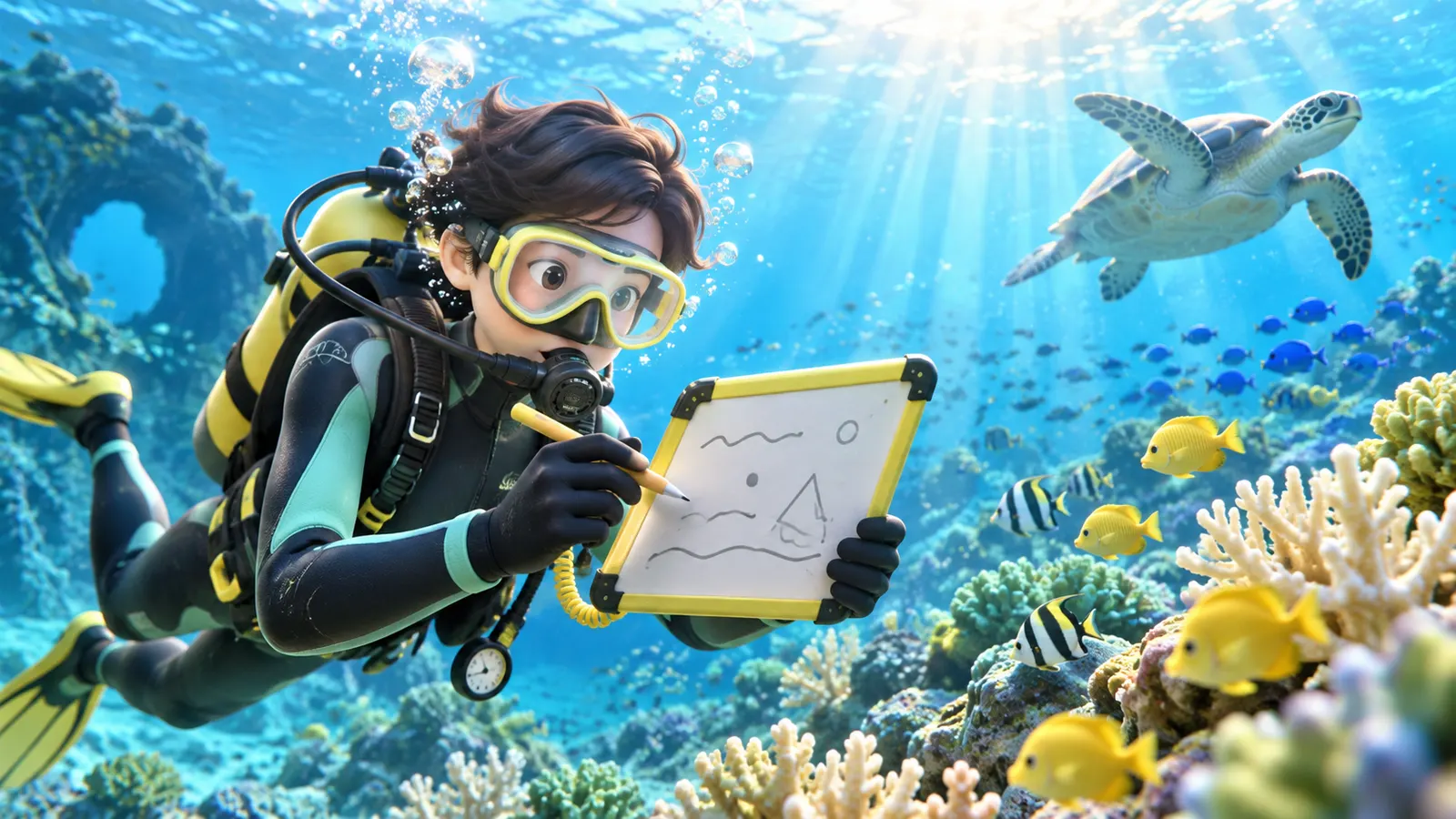 学習ハック
学習ハック
水中で覚えた単語は水中で思い出しやすい? 有名なダイバー実験は、やり直すと再現されなかった
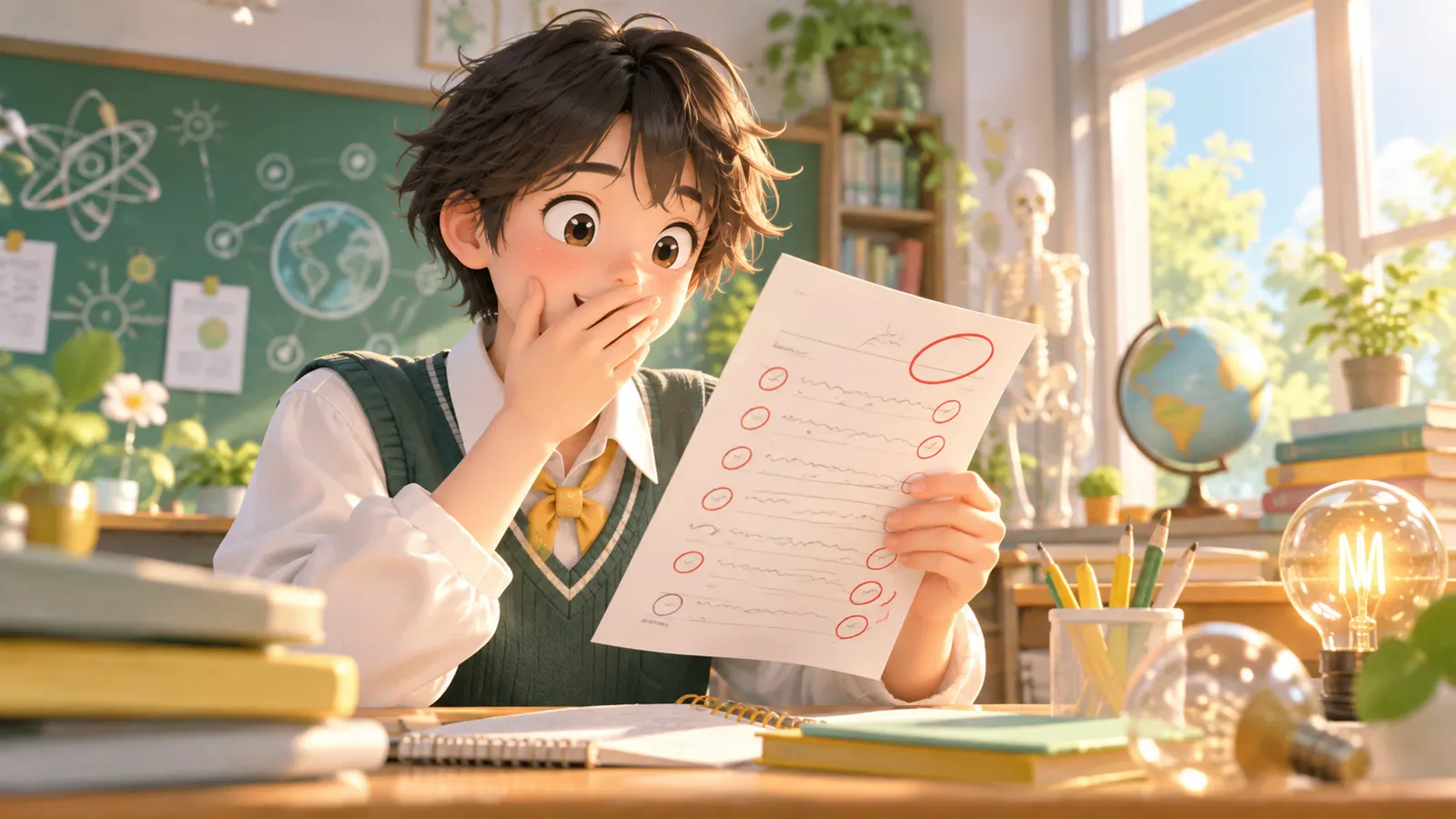
 学習ハック
学習ハック
自信満々で間違えた問題ほど、直したあとは忘れにくい。「ハイパーコレクション効果」の不思議

 学習ハック
学習ハック
【読み返すより思い出す】短い文章を4回勉強するより「1回勉強+テスト3回」の方が1週間後によく覚えていた
 学習ハック
学習ハック