


 動物・植物ホント
【朗報】ネコは自分の名前をちゃんと聞き分けていた。返事をしないだけで
 2026.10.02
 English Corner(A2〜B2・4択クイズ)
 読む前に予想してみよう!
ネコは自分の名前と、ほかの似た言葉を聞き分けられない
2019年の日本の研究で、ネコは同じ長さ・アクセントの単語と自分の名前を区別していた。
 研究カード(どんな研究?)
- 対象
- 家庭とネコカフェのネコ
- 規模
- 約80匹・4つの実験
- 研究の種類
- 行動実験(似た言葉を続けて聞かせて慣れさせ、最後に名前を聞かせる)
- 確かさ
- ★★★☆☆
上智大学の研究で、ネコは自分の名前と、長さやアクセントが同じ単語を聞き分けていた。反応は耳や頭の小さな動きに出る。
ひとことで言うとネコは自分の名前を聞き分けてる。返事をしないだけかも!
「タマ〜」と呼んでも、こっちを見ない。それどころか、あくびまでされる。
ネコと暮らす人なら一度は思ったはずです。「この子、自分の名前分かってないのでは?」と。
安心してください。ネコは自分の名前を、ほかの言葉とちゃんと聞き分けています。それを確かめたのは、日本の研究者でした。
01似た単語を聞かせて飽きさせ、最後に名前を聞かせた
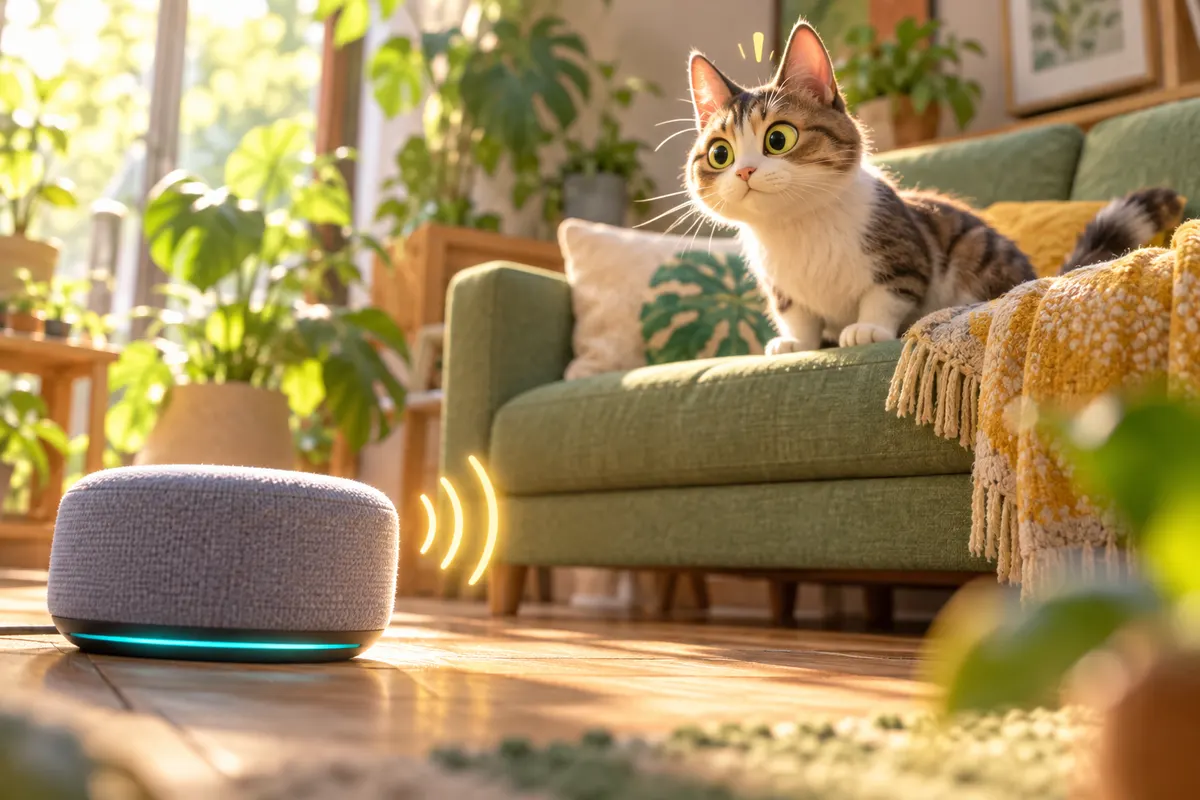
ネコに「あなたの名前はどれ?」と聞いても答えてくれません。そこで使われたのが、慣化(かんか)・脱慣化という方法です。
難しそうですが、中身はシンプル。同じような音を何度も聞かせると、ネコはだんだん興味をなくして反応しなくなります(これが「慣れ」)。そこで最後に名前を聞かせて、もう一度ピクッと反応したら、名前を「違う音」として聞き分けている証拠になる、という作戦です。
02ネコカフェのネコは、ちょっと事情が違う
ネコカフェで暮らすネコでは、結果が少し違いました。
ネコカフェのネコは、たくさんのネコと一緒に暮らしています。名前を呼ぶのはいろいろなお客さんで、抑揚などの呼び方も人によってまちまちです。そんなネコカフェのネコは、自分の名前と、同居しているほかのネコの名前を区別できていませんでした。ただし、自分の名前とふつうの単語の区別は、家庭のネコと同じようにできていました(調べたネコカフェは1軒だけです)。
ふだんから自分以外の名前もたくさん飛び交う環境だと、「どれが自分のこと?」があいまいになるのかもしれません。
03実は「仲間の名前」まで分かっている?
京都大学などの研究グループ(高木佐保さんら)は、2022年に『Scientific Reports』で、さらに一歩進んだ研究を発表しています。ネコは一緒に暮らすほかのネコの名前と顔を結びつけて覚えているかもしれない、というのです。
ある名前を聞かせたあと、名前と合わない別のネコの顔をモニターに映すと、ネコはその画面を長く見つめました。人間でいう「あれ、話が違うぞ?」という反応です。ただしこの傾向がはっきり出たのは家庭で暮らすネコで、ネコカフェのネコでは見られませんでした。
04じゃあ、なぜ返事をしてくれないの?
齋藤さんたちは2013年にも、ネコが飼い主の声を聞き分けられることを報告しています。ただその時も、ネコの反応は耳や頭を動かす程度でした。鳴き返したり、しっぽを振ったりはしなかったのです。
イヌは長い歴史の中で、人の指示に従う役割を期待されてきました。一方のネコは、ネズミを捕まえてくれれば、あとは自由。人の呼びかけにいちいち反応する必要がなかったのかもしれません。
05まとめ
ネコは自分の名前を、ほかの言葉とちゃんと聞き分けていました。返事をしないのは、分からないからではなく、ネコらしい「マイペース」のせいかもしれません。
今夜、名前を呼んだときの耳の動きに注目してみてください。小さな「聞いてるよ」が見つかるはずです。
この研究を英語で読もう原田英語の English CornerCats often ignore people who call them, so many owners wonder whether their pets know their names. 音声
音声 4択クイズ9問A2・B1・B2タップして開く
原田英語の English Corner
この研究を英語で読もう
Many cat owners think their cats do not know their names, because cats often do not come when called. But a Japanese study in 2019 showed that cats can tell their own names from other words.
First, the cats heard four words as long as their names. They slowly stopped reacting. Then they heard their real names, and they moved their ears or heads. They know, but they may just not come!
72 words ・ CEFR A2
和訳を見る
ネコは呼んでも来ないことが多いので、多くの飼い主は、ネコは自分の名前をわかっていないと思っています。しかし、2019年の日本の研究で、ネコは自分の名前をほかの言葉と聞き分けられることが示されました。
まず、ネコたちは自分の名前と長さが同じ4つの単語を聞きました。ネコはだんだん反応しなくなりました。次に本当の名前を聞くと、ネコは耳や頭を動かしました。ネコはわかっているけれど、来ないだけなのかもしれません!
4択リーディングクイズ
Q1. What is the passage mainly about?
ネコが自分の名前を聞き分けられるか、がテーマなので B。
Q2. How did the cats react when they heard their real names?
they heard their real names, and they moved their ears or heads とあるので D。
Q3. In this passage, "tell their own names from other words" means cats can ...
tell A from B は「AとBを区別する」。名前とほかの言葉を区別できる、という意味なので A。
Cats often ignore people who call them, so many owners wonder whether their pets know their names. In 2019, a research team from Sophia University in Japan studied about 80 cats living in homes and cat cafés. The cats first heard four words that matched their names in length and accent. As the words were repeated, the cats gradually lost interest.
Then they heard their own names, and many reacted more strongly by moving their ears or heads. The same thing happened when a stranger said the names. However, cats in cat cafés did not clearly tell their names from those of other cats living with them, perhaps because many names are used around them every day.
117 words ・ CEFR B1
和訳を見る
ネコは呼んでも無視することが多いので、多くの飼い主はペットが自分の名前をわかっているのか疑問に思っています。2019年、日本の上智大学の研究チームは、家庭とネコカフェで暮らす約80匹のネコを調べました。ネコたちはまず、長さやアクセントが自分の名前と同じ4つの単語を聞きました。単語がくり返されるうちに、ネコはだんだん興味をなくしました。次に自分の名前を聞くと、多くのネコが耳や頭を動かして、より強く反応しました。
知らない人が名前を言った場合も、同じことが起きました。しかし、ネコカフェのネコは、自分の名前と同居しているほかのネコの名前をはっきり区別できていませんでした。おそらく、まわりで毎日たくさんの名前が使われているからです。
4択リーディングクイズ
Q1. Why were the cats first played four other words?
単語をくり返して gradually lost interest させ、その後の名前への反応を見る方法なので C。
Q2. What happened when a stranger said the cats' names?
The same thing happened when a stranger said the names. とあるので A。
Q3. Why might cat café cats have trouble telling their names apart?
perhaps because many names are used around them every day とあるので D。
Owners whose cats ignore them when called may wonder whether their pets recognize their names. A 2019 study by Atsuko Saito and colleagues at Sophia University addressed this question using a habituation-dishabituation method. Across four experiments with about 80 cats from homes and cat cafés, each cat heard four nouns matching its name in length and accent, followed by its own name.
Most cats responded less and less to the repeated words, then showed a stronger orienting response, moving their ears or heads, when their name was played. The pattern held even when an unfamiliar person spoke. Cats in cat cafés, however, did not clearly discriminate between their own names and those of cohabiting cats, possibly because many names circulate there. A 2022 study further suggested that house cats may link the names of companion cats with their faces.
Even so, the findings have limits. Discriminating a name from other sounds does not show that a cat understands the name refers to itself; it may simply be a special sound associated with food or attention. Responses were small, rated by observers and varied between individuals. Cats may simply have less reason than dogs to respond to human calls.
198 words ・ CEFR B2
和訳を見る
呼んでも無視されるネコの飼い主は、ペットが自分の名前をわかっているのか疑問に思うかもしれません。上智大学の齋藤慈子さんらによる2019年の研究は、慣化・脱慣化法を使ってこの問いに取り組みました。家庭とネコカフェの約80匹のネコを対象にした4つの実験で、各ネコは長さやアクセントが自分の名前と同じ4つの名詞を聞き、その後に自分の名前を聞きました。ほとんどのネコは、くり返される単語への反応がだんだん小さくなり、名前が流れると、耳や頭を動かすより強い定位反応を示しました。
このパターンは、知らない人が話した場合でも見られました。しかし、ネコカフェのネコは、自分の名前と同居ネコの名前をはっきりとは区別しませんでした。そこではたくさんの名前が飛び交っているからかもしれません。2022年の研究はさらに、家庭のネコが同居ネコの名前と顔を結びつけている可能性を示しました。
それでも、これらの結果には限界があります。名前をほかの音と区別できることは、ネコが名前は自分を指すと理解していることを示すわけではありません。単にごはんや注目と結びついた特別な音なのかもしれません。反応は小さく、観察者が評価したもので、個体差もありました。ネコには、イヌほど人の呼びかけに応える理由がないだけなのかもしれません。
4択リーディングクイズ
Q1. What is an "orienting response" in this passage?
a stronger orienting response, moving their ears or heads と説明されているので D。
Q2. What limitation of the study does the author point out?
Discriminating a name from other sounds does not show that a cat understands the name refers to itself とあるので B。
Q3. What does the final sentence suggest about why cats often do not come when called?
名前は聞き分けているが、イヌほど応える理由がないだけかもしれない、という推論なので C。
重要単語
- discriminateC1動詞区別する、聞き分けるCats can discriminate their names from other words.
 discriminate A from B「AをBと区別する」。discriminate against ~ は「~を差別する」。
 - habituationC1名詞慣れ(慣化)Habituation happens when an animal stops reacting to a repeated sound. habit(習慣)と同語源。動詞 habituate(慣らす)。
- cohabitingC1形容詞同居しているThe cat also heard the names of cohabiting cats. co-(共に)+habit(住む)。inhabit(住む)、habitat(生息地)も同語源。
- orienting responseC1名詞(句)定位反応(音の方へ向く反応)Moving the ears is a typical orienting response. orient「向ける」。心理学・動物行動学の専門語。
- ownerA2名詞飼い主The owner called the cat's name from a speaker. own(所有する)+-er。pet owner「ペットの飼い主」。
- ignoreB1動詞無視するMy cat often ignores me when I call her. 名詞 ignorance は「無知」、形容詞 ignorant は「知らない」と意味がずれるので注意。
 入試に出る順の単語帳を印刷する →
 全5903語の「科学英単語カード」で復習する →
 この話題を TED で聞く
同じテーマの TED・TED-Ed を、 TED HACK で。英語の見どころ・使える表現・学習ミッションつきの日本語ガイドです。(運営:原田英語)

このネタ、誰かに教えたくなった?
名前を呼んでもチラッと耳を動かすだけのネコ。実は自分の名前をちゃんと聞き分けているらしい。日本の研究者がScientific Reportsで発表。無視は「分かってない」とは限らない。聞き分けた上でのマイペースかも。
押すと「マジかリスト」に保存されます
 出典・参考文献(3件)タップで表示
- Saito et al. (2019) Domestic cats (Felis catus) discriminate their names from other words, Scientific Reportsdoi.org
- Saito & Shinozuka (2013) Vocal recognition of owners by domestic cats (Felis catus), Animal Cognitiondoi.org
- Takagi et al. (2022) Cats learn the names of their friend cats in their daily lives, Scientific Reportsdoi.org

※本記事は上記の研究・公開資料をもとに、原田英語が独自の言葉で解説したものです。引用は著作権法第32条の範囲で行い、出典を明記しています。画像はすべてオリジナルのイメージです。研究結果には限界や個人差があります。誤りのご指摘は原田英語のお問い合わせフォームから。
 これも「マジか!?」

 動物・植物
動物・植物
天才犬は「盗み聞き」で言葉を覚える。1歳半の子どもと同じ学び方だった


 動物・植物
動物・植物
ネコの「ニャー」は人間向けの言葉だった? 大人のネコ同士はあまり鳴き合わないらしい

 動物・植物
動物・植物
「観葉植物で空気がキレイに」は幻想? 換気と同じ効果には床1㎡に10〜1000鉢が必要という計算

 動物・植物
動物・植物
渡り鳥は目で地球の磁場を感じているかもしれない。カギは「量子」のふしぎな現象

 動物・植物
動物・植物
【立命館の入試に出た】口と口を合わせて交尾するタコがいた。30年以上うわさだけだったパナマのタコ

 動物・植物
動物・植物