
 脳と心理ホント
手の動きを見るだけで「体を動かす脳の細胞」が反応。その手が人間っぽいほど強かった
 2026.10.02
 English Corner(A2〜B2・4択クイズ)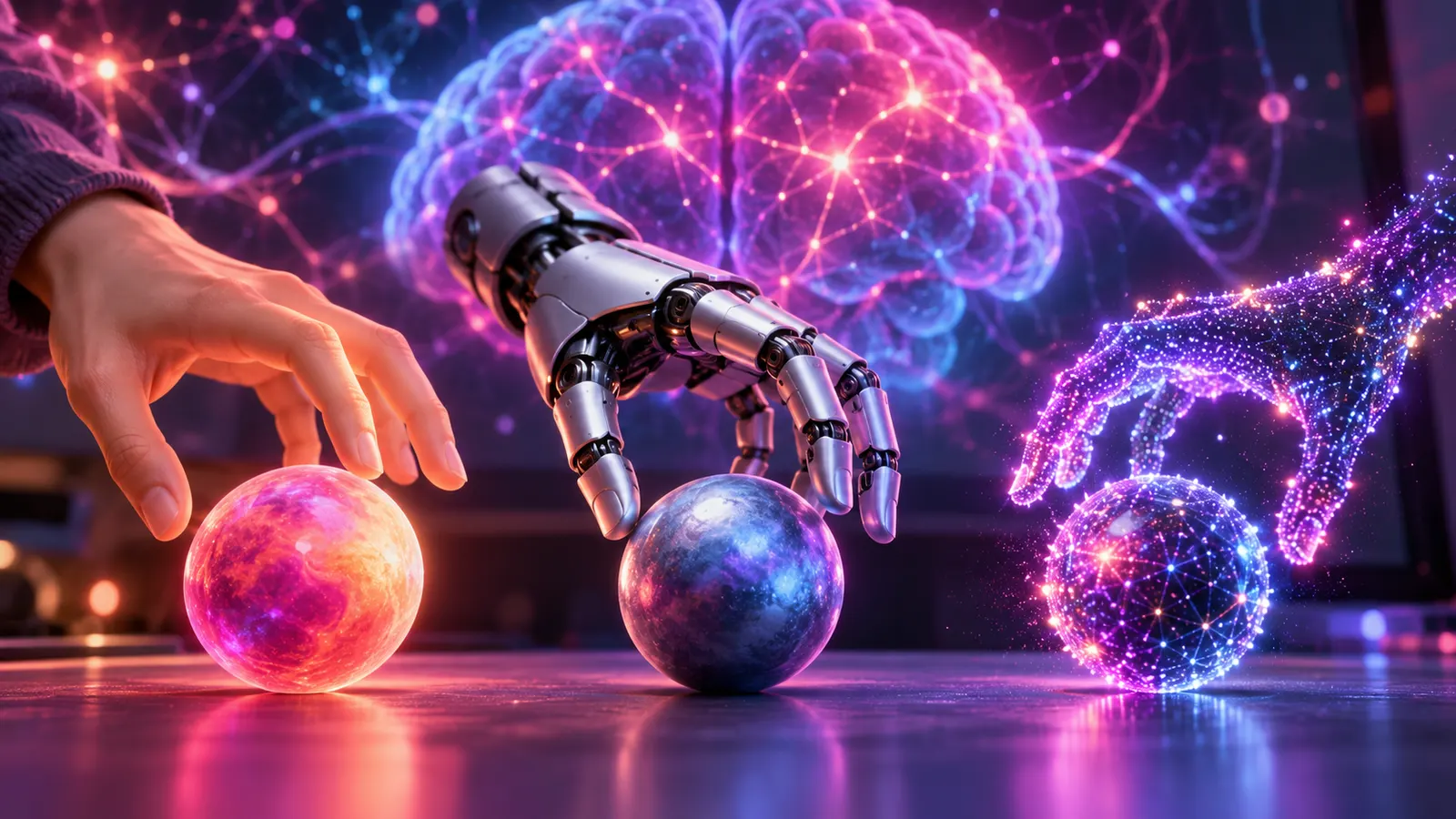
 読む前に予想してみよう!
この研究では、自分で手を動かそうとするときの運動野の活動は、見ている手の種類によって大きく変わった
自分で手を動かそうとしたときの活動は、見ている手の種類が違ってもほぼ同じだった。
 研究カード(どんな研究?)
- 対象
- 脳に小さな電極を埋め込み、考えるだけで機器を動かす臨床研究の参加者(まひのある人)
- 規模
- 2人
- 研究の種類
- 神経細胞の直接記録による実験研究
- 確かさ
- ★★★☆☆
脳に電極を埋めた人に「つかむ動き」の映像を見せると、手が人間らしいほど運動野の神経細胞の反応が強かった。ロボットの手や、点でできた手とも比べた。
ひとことで言うと手の動きを見るだけで、体を動かす脳の細胞が反応。人間っぽい手ほど強いんだ!
誰かがコップをつかむのを見ているだけで、自分の脳の「運動の司令塔」も動いている——。これは「ミラーニューロン」の研究で有名になった考え方です。
では、つかんでいるのがロボットの手だったら? ただの光の点だったら? 脳は同じように反応するのでしょうか。
この疑問に、人の脳の神経細胞を直接記録して答えた研究があります。発表したのは、ブラウン大学や米退役軍人保健局、マス・ジェネラル・ブリガムなどのチーム。2026年9月、科学誌『PNAS』(米国科学アカデミー紀要)に載りました。
01脳に電極を入れた人だから分かったこと
ふつう、人の脳の神経細胞を1個ずつ記録することはできません。今回の参加者は、手足にまひのある2人です。2人は、脳に小さな電極を埋め込み、考えるだけでパソコンやロボットアームを操作する臨床研究に参加しています。この技術を「脳コンピューターインターフェース(BCI)」と呼びます。
2012年には、この技術でまひのある人がロボットアームを動かし、飲み物を口に運べました(Hochberg et al., 2012)。
02「人間っぽい」ほど脳が強く反応
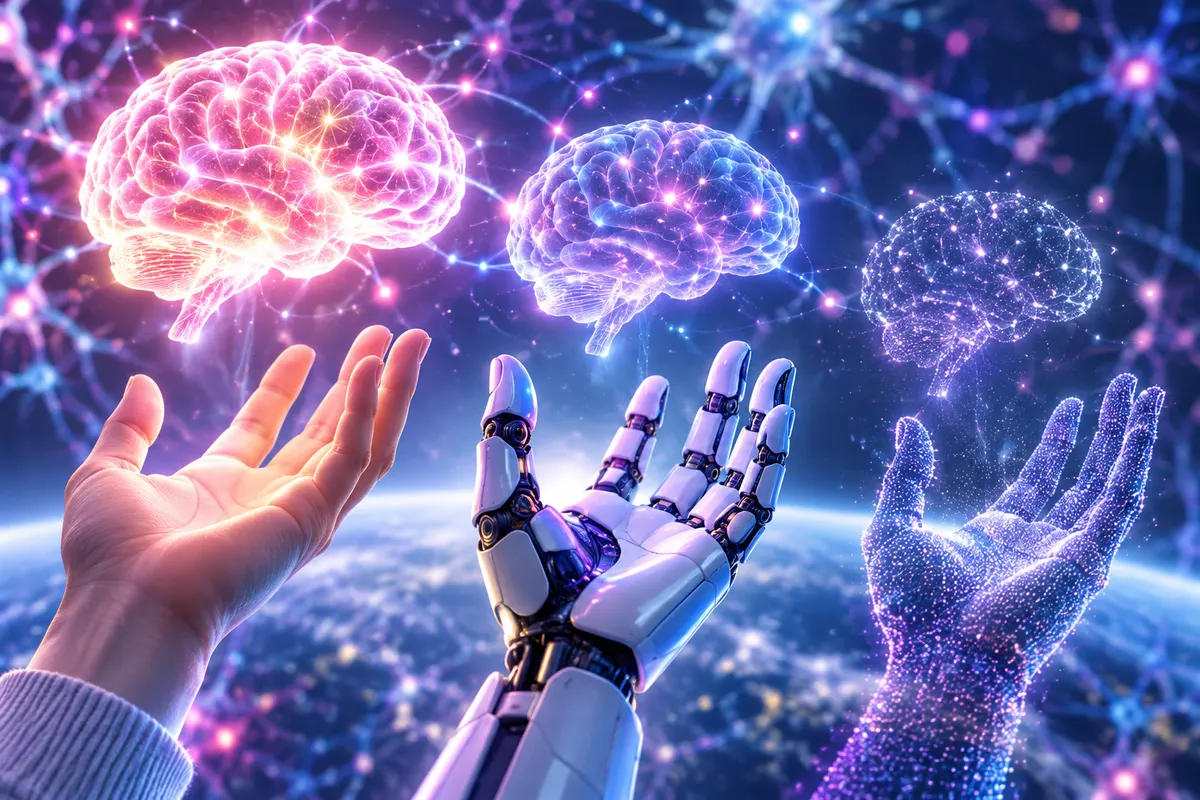
結果、手が人間らしいほど、運動野の神経細胞の反応が強くなることが分かりました。
- 神経細胞の集団全体でも
- 1個1個の神経細胞のレベルでも
この関係が見られました。脳は「人間か、そうでないか」の二択で反応していたのではありません。人間らしさの度合いに応じて、少しずつ反応を強めていたのです。
参加者自身が「これは人間っぽい」「これはそうでもない」と評価した結果も、神経の反応と対応していました。ある参加者は、点の映像を見ているうちに「これは手を表しているんだ」と気づきました。その瞬間から、運動野の反応が強まったといいます。脳の反応は、見た目だけでなく「それを何だと思って見ているか」にも左右されるようです。
03義手やロボットアームの「見た目」は操作に響く?
ここで実用的な疑問が出てきます。「ロボットっぽい義手だと、脳がうまく反応しなくて操作しにくいのでは?」
ところが、参加者が自分で手を動かそうとしたときは違いました。運動野の活動は、どの手を見ていても大きくは変わらなかったのです。研究チームはこう述べています。BCIで機器を動かすとき、機器の見た目がロボットっぽくても、大きな妨げにはならないかもしれない、と。
04まとめ
脳は、他者の動きを「見る」だけで、運動野の神経細胞が反応することがあります。そしてその反応は、相手が人間らしいほど強まる。ロボットが身近になっても、私たちの脳は、相手がどれだけ「人っぽいか」をこっそり測り続けているのかもしれません。不気味の谷の話はこちらもどうぞ。
この研究を英語で読もう原田英語の English CornerScientists have long known that watching another person move can activate the motor cortex, the brain area… 音声
音声 4択クイズ9問A2・B1・B2タップして開く
原田英語の English Corner
この研究を英語で読もう
When we watch someone pick up a cup, the part of our brain that controls movement also becomes active. Scientists in the US studied two people with tiny sensors in their brains. These people watched videos of hands making a grabbing motion.
Some hands were human, some were robot hands, and some were made of dots. The more human the hand looked, the more strongly their brain cells reacted.
69 words ・ CEFR A2
和訳を見る
誰かがコップを持ち上げるのを見ると、私たちの脳の中で動きをコントロールする部分も活発になります。アメリカの科学者たちは、脳に小さなセンサーを入れた2人を調べました。この人たちは、手がつかむ動きをする映像を見ました。
人間の手もあれば、ロボットの手や、点でできた手もありました。手が人間らしく見えるほど、脳の細胞は強く反応しました。
4択リーディングクイズ
Q1. What is the passage mainly about?
いろいろな手の映像を見たときの脳の反応についての研究なので B が正解。
Q2. Which hand caused the strongest reaction in the brain?
The more human the hand looked, the more strongly their brain cells reacted. とあるので A。
Q3. In this passage, "grabbing" is closest in meaning to ...
grab は「つかむ」。take hold of ~ も「~をつかむ」なので C。
Scientists have long known that watching another person move can activate the motor cortex, the brain area that controls our own movements. But does it matter whether the moving hand belongs to a human or a machine? A team led by Brown University studied people who have tiny electrodes in their brains as part of a brain-computer interface trial.
While the activity of single neurons was recorded, the participants watched videos of a human hand, a robot hand and a hand made of dots making grasping movements. The more human-like the hand appeared, the stronger the response in the motor cortex. However, when the participants tried to move themselves, their brain activity hardly changed, whichever hand they were watching.
119 words ・ CEFR B1
和訳を見る
他人が動くのを見ると、自分の動きをコントロールする脳の領域である運動野が活性化することは、科学者たちの間で以前から知られています。しかし、動いている手が人間のものか機械のものかで違いはあるのでしょうか。ブラウン大学が率いるチームは、脳とコンピューターをつなぐ技術の臨床試験の一環として、脳に小さな電極を埋め込んでいる人たちを調べました。
神経細胞1個ずつの活動を記録しながら、参加者は人間の手、ロボットの手、点でできた手がつかむ動きをする映像を見ました。手が人間らしく見えるほど、運動野の反応は強くなりました。しかし、参加者が自分で動こうとしたときの脳活動は、どの手を見ていてもほとんど変わりませんでした。
4択リーディングクイズ
Q1. What question did the researchers want to answer?
does it matter whether the moving hand belongs to a human or a machine? が研究の問いなので D。
Q2. Why could the researchers record single neurons in these people?
people who have tiny electrodes in their brains as part of a brain-computer interface trial とあるので B。
Q3. What can we infer from the last sentence?
自分で動こうとしたときの脳活動は見ている手の種類でほとんど変わらなかった、とあるので、ロボットらしい見た目でも操作の妨げになりにくいと推測できる。A が正解。
When we watch someone grasp an object, part of our brain may quietly rehearse the same movement, an idea that took hold with the discovery of mirror neurons. Does it matter whether the hand belongs to a person or a machine? In a PNAS study, a team from Brown University and partner institutions worked with participants in a clinical brain-computer interface trial, who have tiny electrodes implanted in their brains.
While they watched virtual hands making grasping movements, the electrodes recorded single neurons in the motor cortex. The hands ranged from realistic human ones to robotic ones to a hand-shaped pattern of dots. The more human the hand looked, the stronger the neural response, both across the neuron population and within single cells. This was a graded rather than an all-or-nothing response.
Their own ratings of how human-like each hand seemed also tracked the signals, so perception and context appear to play a part. Only two people took part, recordings covered limited areas of cortex, and hands on a screen may not behave like real robots. One result is encouraging for controlling robotic devices. When participants tried to move, their neural activity was largely unaffected by which hand was shown.
200 words ・ CEFR B2
和訳を見る
私たちは誰かが物をつかむのを見ると、脳の一部で同じ動作をひそかにリハーサルしているのかもしれません。この考えはミラーニューロンの発見とともに広まりました。では、その手が人間のものか機械のものかで違いはあるのでしょうか。
『PNAS』に発表された研究で、ブラウン大学と協力機関のチームは、脳とコンピューターをつなぐ技術の臨床試験の参加者、つまり脳に小さな電極を埋め込んでいる人たちの協力を得ました。参加者がバーチャルな手がつかむ動きをする映像を見ている間、電極は運動野の神経細胞1個ずつの活動を記録しました。手は、リアルな人間の手からロボットの手、手の形に並んだ点までさまざまでした。手が人間らしく見えるほど神経の反応は強まり、それは神経細胞の集団全体でも個々の細胞でも見られました。これは「あるかないか」ではなく、段階的な反応でした。
それぞれの手がどれだけ人間らしく見えたかという参加者自身の評価も信号と対応しており、知覚や文脈が関わっているようです。参加したのは2人だけで、記録は皮質の限られた範囲にとどまり、画面上の手は本物のロボットと同じようにはふるまわないかもしれません。一つの結果は、ロボット機器の操作にとって明るい材料です。参加者が自分で動こうとしたときの神経活動は、どの手が示されていてもほとんど影響を受けなかったのです。
4択リーディングクイズ
Q1. What is the main finding of the study?
The more human the hand looked, the stronger the neural response が中心的な発見なので B。
Q2. What does "a graded rather than an all-or-nothing response" mean here?
graded は「段階的な」。人間か否かの二択ではなく、人間らしさの度合いに応じて反応が変化したという意味なので D。
Q3. Why does the author call one result "encouraging"?
When participants tried to move, their neural activity was largely unaffected by which hand was shown とあるので C。参加者は少数、映像は画面上の手なので B・D は誤り。
重要単語
- motor cortexC1名詞(句)運動野(体の動きを指令する脳の領域)The motor cortex sends signals to our muscles.
 motor は「運動の」。cortex は「皮質」で、visual cortex(視覚野)なども同じ形。
 - observationB2名詞観察、見ることLearning by observation is common in humans. 動詞 observe(観察する/守る)。observe the rules「規則を守る」の意味も入試で問われる。
- anthropomorphicC1形容詞人間に似た形・性質のThe robot had an anthropomorphic hand. anthropo(人間)+morph(形)。anthropology(人類学)と同じ語根。
- prostheticC1形容詞義肢の、人工のShe uses a prosthetic arm. 名詞は prosthesis(義肢)。a prosthetic leg(義足)のように使う。
- neuronB2名詞神経細胞The brain has billions of neurons. 形容詞は neural(神経の)。neural network はAI分野でも頻出。
- implantC1動詞・名詞埋め込む/埋め込まれた装置Doctors implanted tiny electrodes in his brain. im-(中に)+plant(植える)。「中に植える」イメージ。dental implant(インプラント)でおなじみ。
 入試に出る順の単語帳を印刷する →
 全5903語の「科学英単語カード」で復習する →
このネタ、誰かに教えたくなった?
脳に電極を埋め込んだ人に、手が「つかむ」動きの映像を見せた実験。人間の手・ロボットの手・点でできた手を比べると、手が「人間っぽい」ほど、体を動かす脳の神経細胞が強く反応したらしい。相手がどれだけ人間っぽいかを、脳は段階的に感じ分けているみたい。
押すと「マジかリスト」に保存されます
 出典・参考文献(3件)タップで表示
- Gusman et al. (2026) Observation-related activity in the human motor cortex increases with effector anthropomorphicity, PNASdoi.org
- Rizzolatti & Craighero (2004) The Mirror-Neuron System, Annual Review of Neurosciencedoi.org
- Hochberg et al. (2012) Reach and grasp by people with tetraplegia using a neurally controlled robotic arm, Naturedoi.org

※本記事は上記の研究・公開資料をもとに、原田英語が独自の言葉で解説したものです。引用は著作権法第32条の範囲で行い、出典を明記しています。画像はすべてオリジナルのイメージです。研究結果には限界や個人差があります。誤りのご指摘は原田英語のお問い合わせフォームから。
 これも「マジか!?」
 脳・心理
脳・心理
麻酔がかかると、ヒトもマウスも魚も線虫も、脳の各部分がバラバラに動くようになった。6種の脳を比べた研究
 脳・心理
脳・心理
脳は「2つの臓器」だった? 脳の前と後ろは、別々の細胞から生まれていた
 脳・心理
脳・心理
口をつけた食べ物を分け合う2人は「親しい仲」。生後4〜6か月の赤ちゃんも、そう見ているらしい
 脳・心理
脳・心理
脳は“場所ごと”に老け方が違った。AIが約1.5万人のMRIで描いた「脳年齢マップ」
 脳・心理
脳・心理
【速報】一度つらい目にあうと次のストレスに弱くなる。その「増幅回路」をマウスで発見
 脳・心理
脳・心理